

The Basel Carnival is unlike any other European carnival. It follows its own rules, deeply rooted in the city’s history and cultural identity. It is a collective event that involves the whole of Basel and expresses itself through music, imagery, satire, and shared rituals. Everyone is free to experience it in their own way: some move through it in silence, others observe from a distance, while many follow it for hours through narrow streets and squares, guided by the hypnotic sound of piccolos and drums.
This freedom, combined with an exceptionally strong cultural structure, makes the Basel Fasnacht a unique experience, recognised as UNESCO Intangible Cultural Heritage. During these days, the city changes pace without ever losing its balance: it remains orderly, cultured, and fully aware of the value of what it stages. Here, Carnival is not a spectacle for spectators, but a cultural system designed прежде всего for those who take part.
Experiencing the Basel Carnival means entering a suspended time, governed by precise rituals and a collective spirit that is rare in the European carnival tradition.
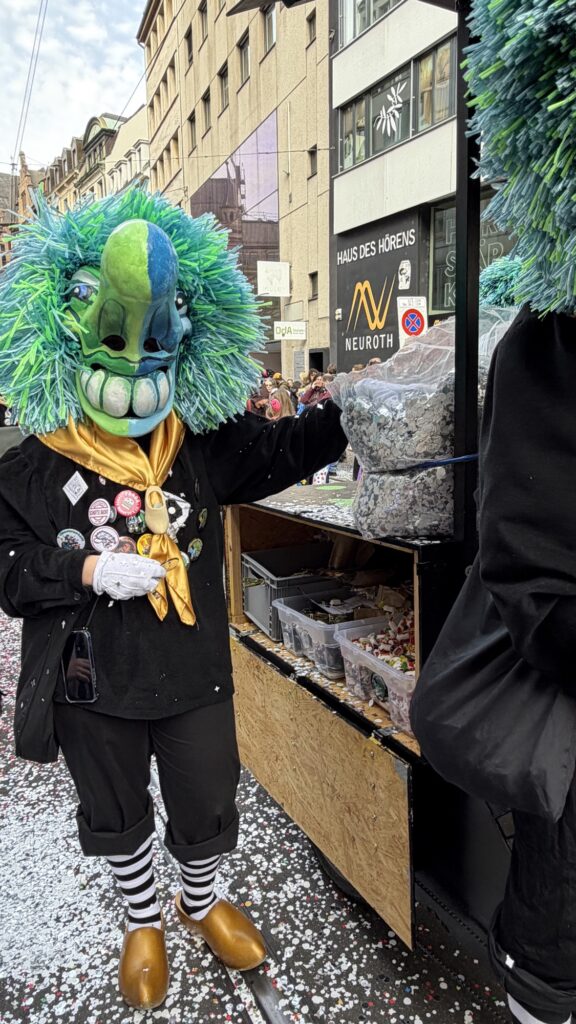
Morgenstreich: the symbolic beginning of Fasnacht
The most iconic moment of the Basel Carnival is the Morgenstreich, which begins at 4:00 a.m. on the Monday following Ash Wednesday, a symbolic time for the Basel Fasnacht. When the bells of St. Martin’s Church ring, all the lights in the historic centre are switched off. The city enters a complete, intentional darkness, charged with meaning.
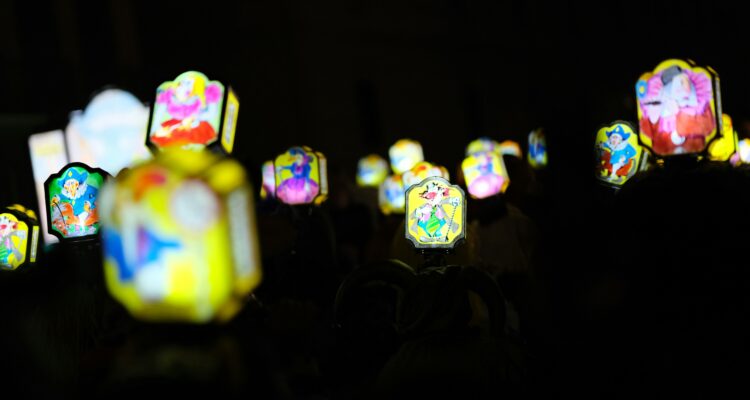
At the command “Morgenstreich: March on!”, piccolos and drums start playing simultaneously from every street. Everyone performs the traditional Morgenstreich melody, played exclusively on this occasion. In the darkness, only the hand-painted lanterns, carried or pulled by Basel’s cliques, emerge, illuminating thousands of spectators from all over the world. It is an experience that is heard before it is seen.
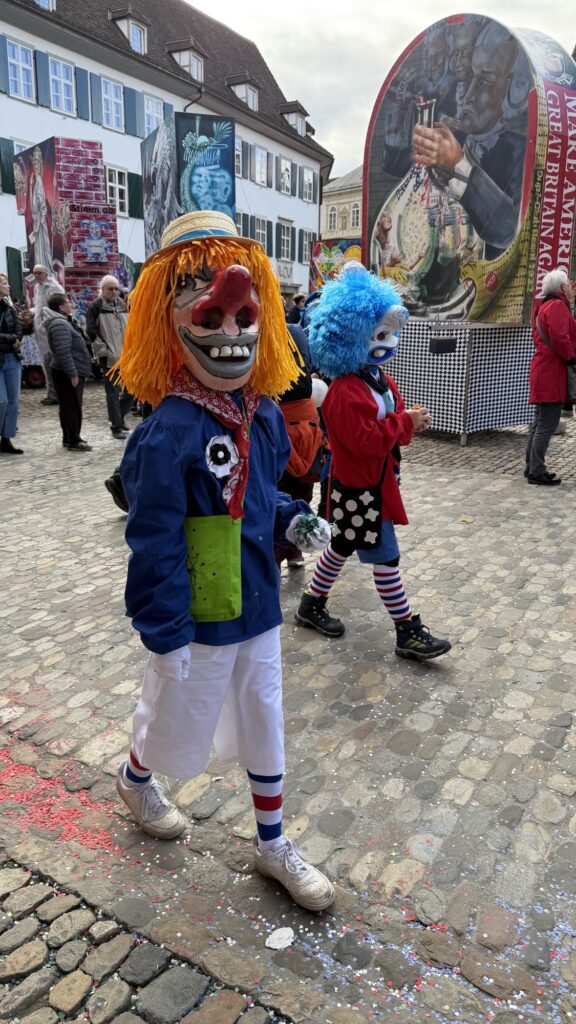
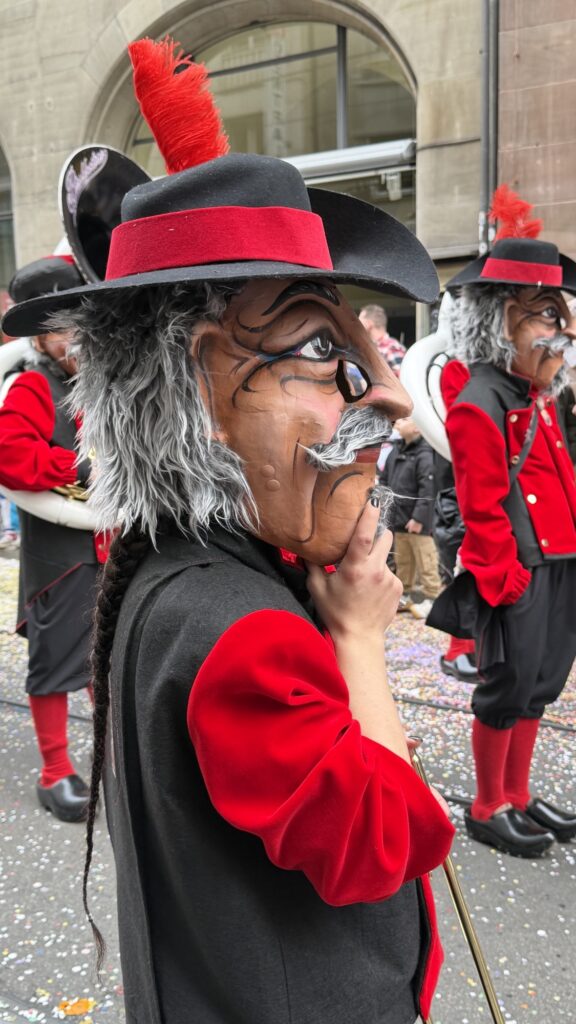
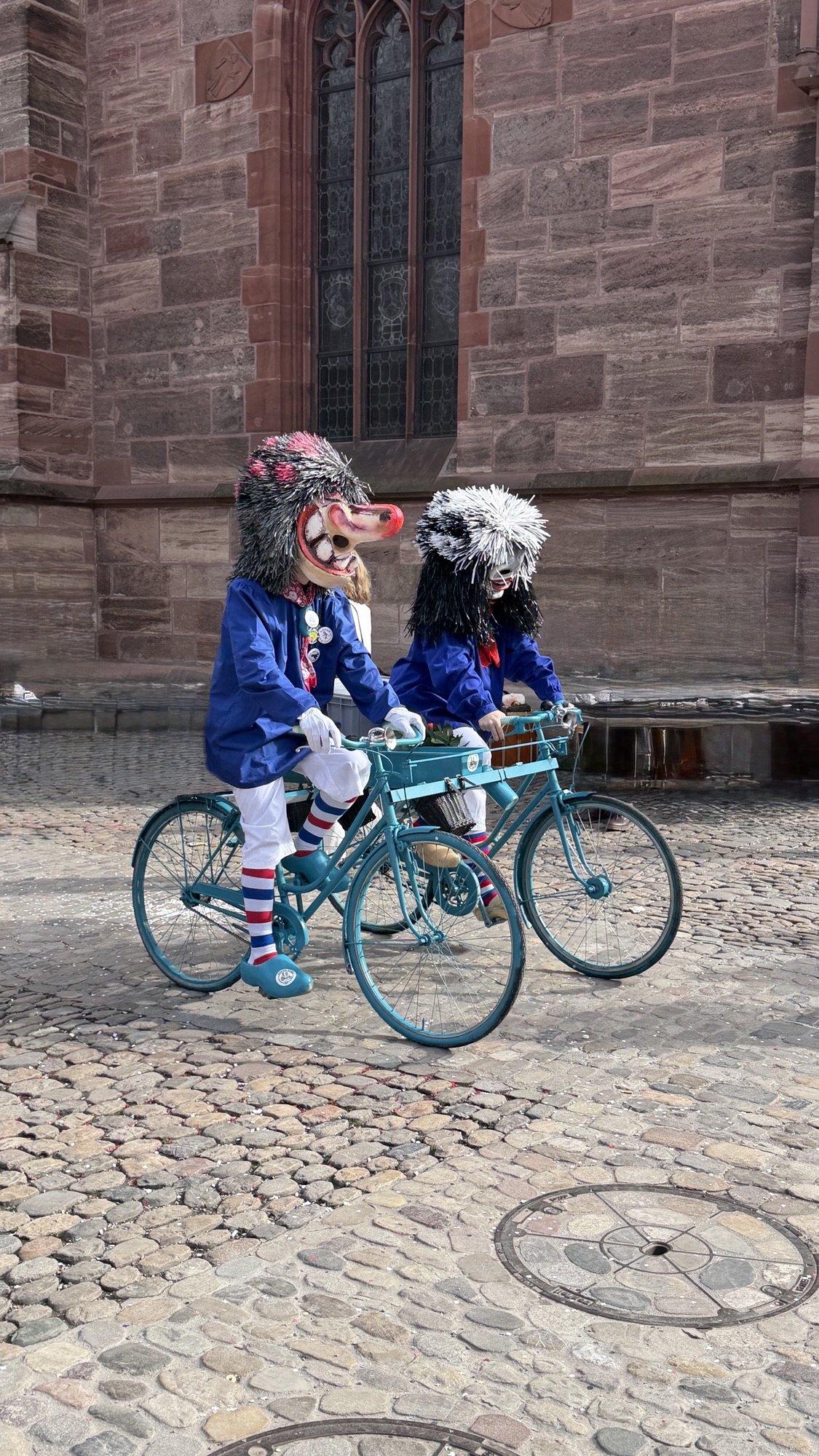
During the Morgenstreich, strict unwritten rules apply: there is no applause, no loud talking, and no flash photography. One observes, listens, and lets the procession pass. Participants wearing full costumes and Larven—often satirical or deliberately unsettling masks—never reveal their identity. The individual disappears; only the group remains.
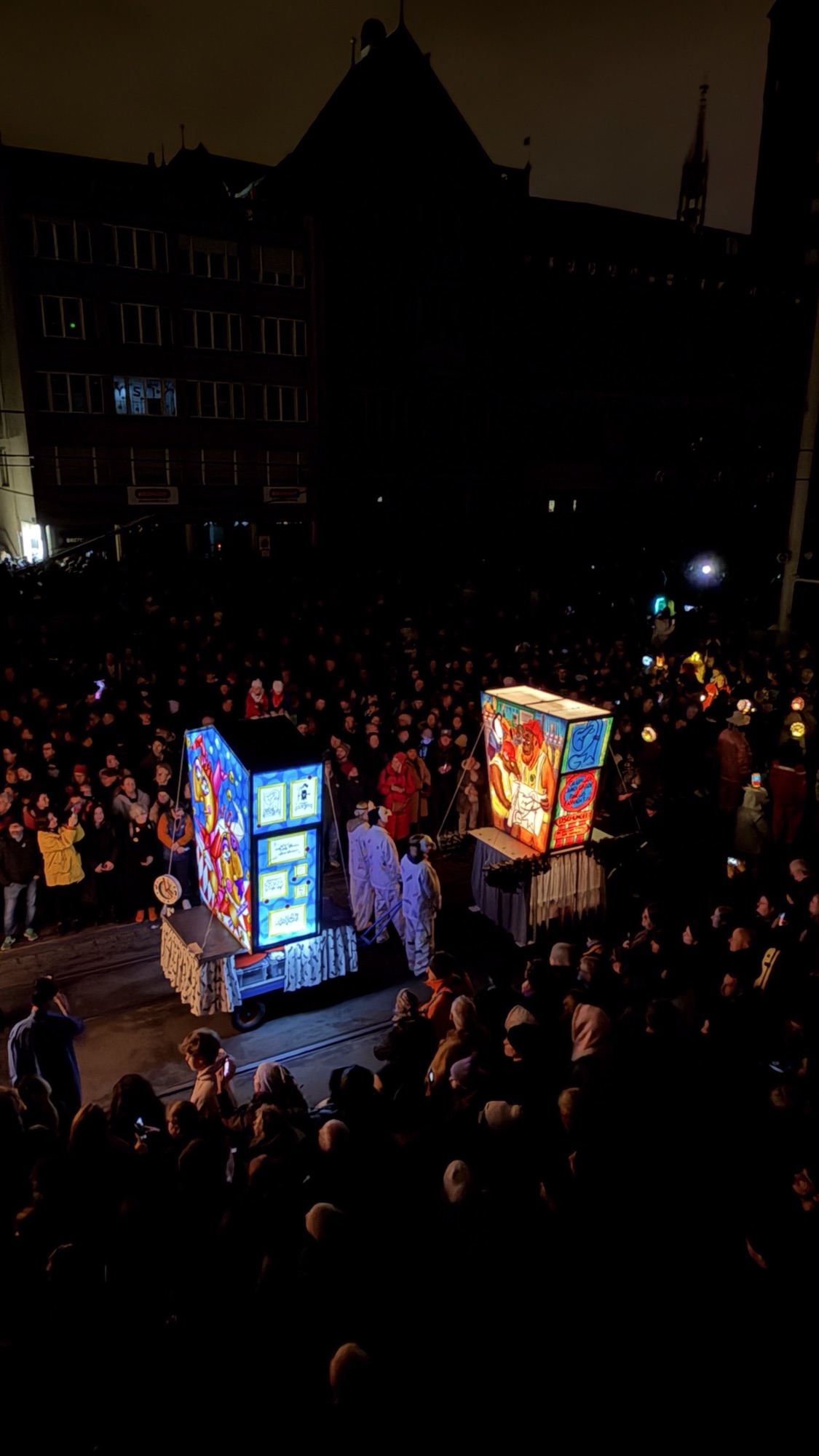
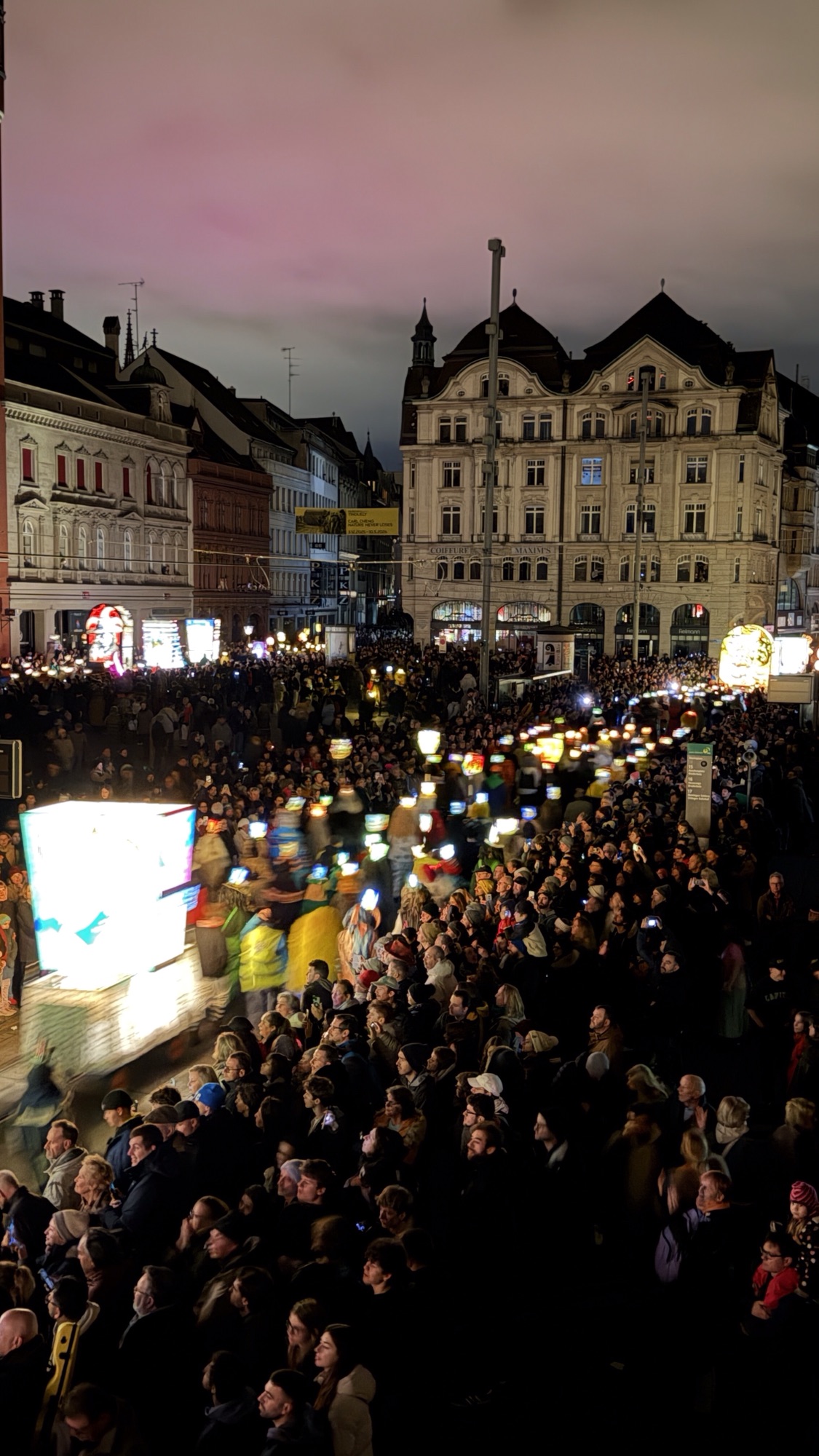
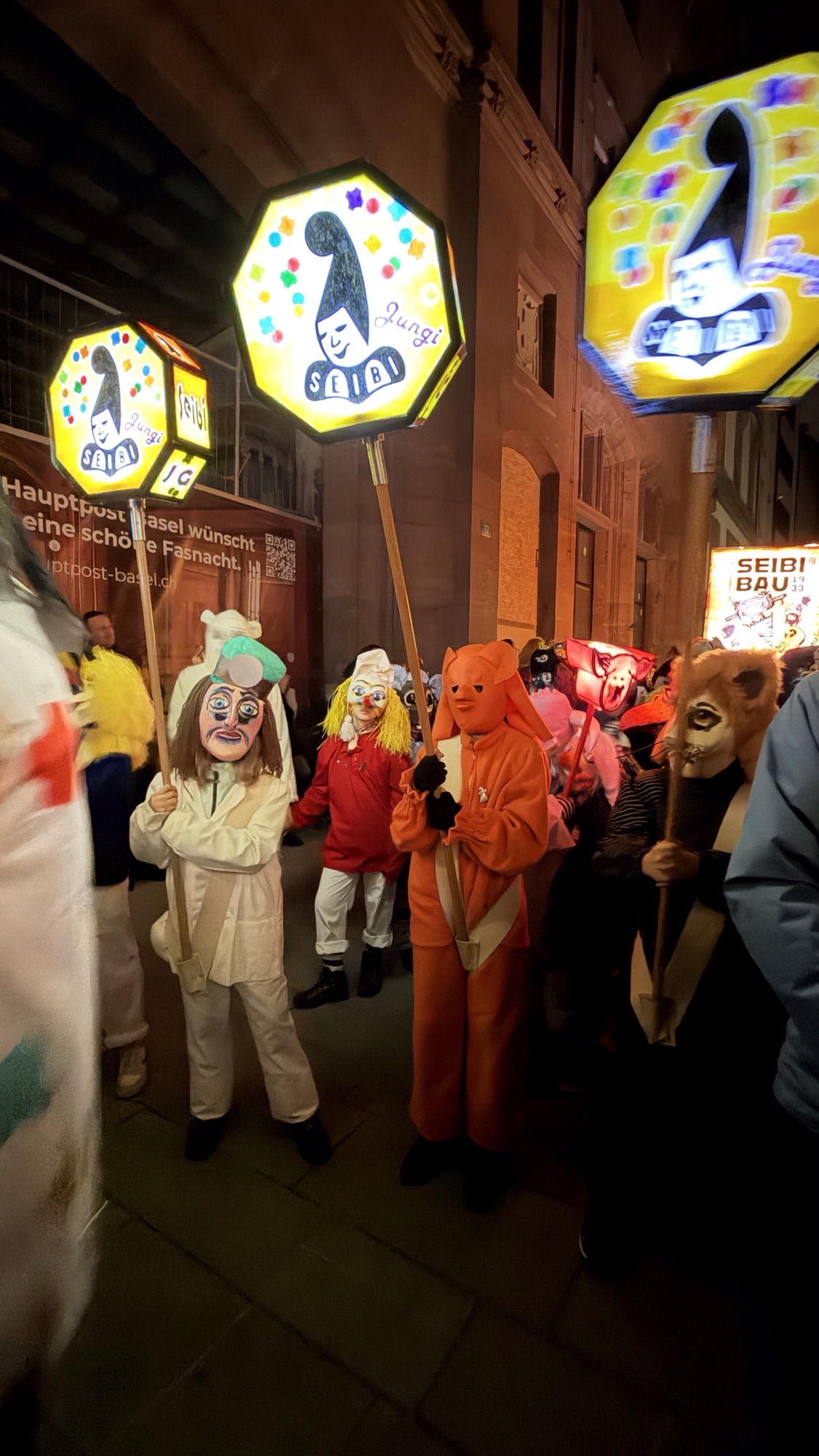
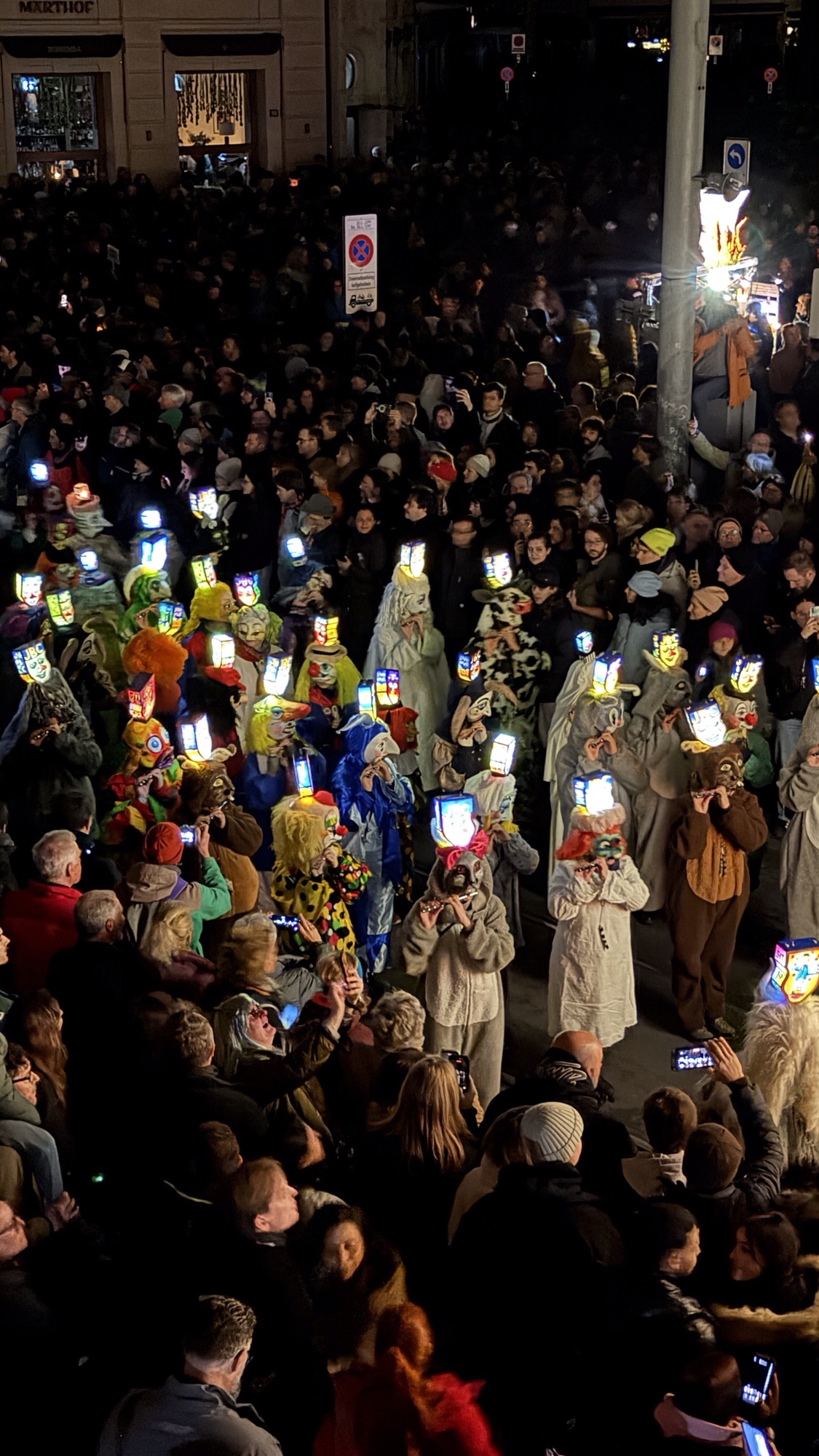
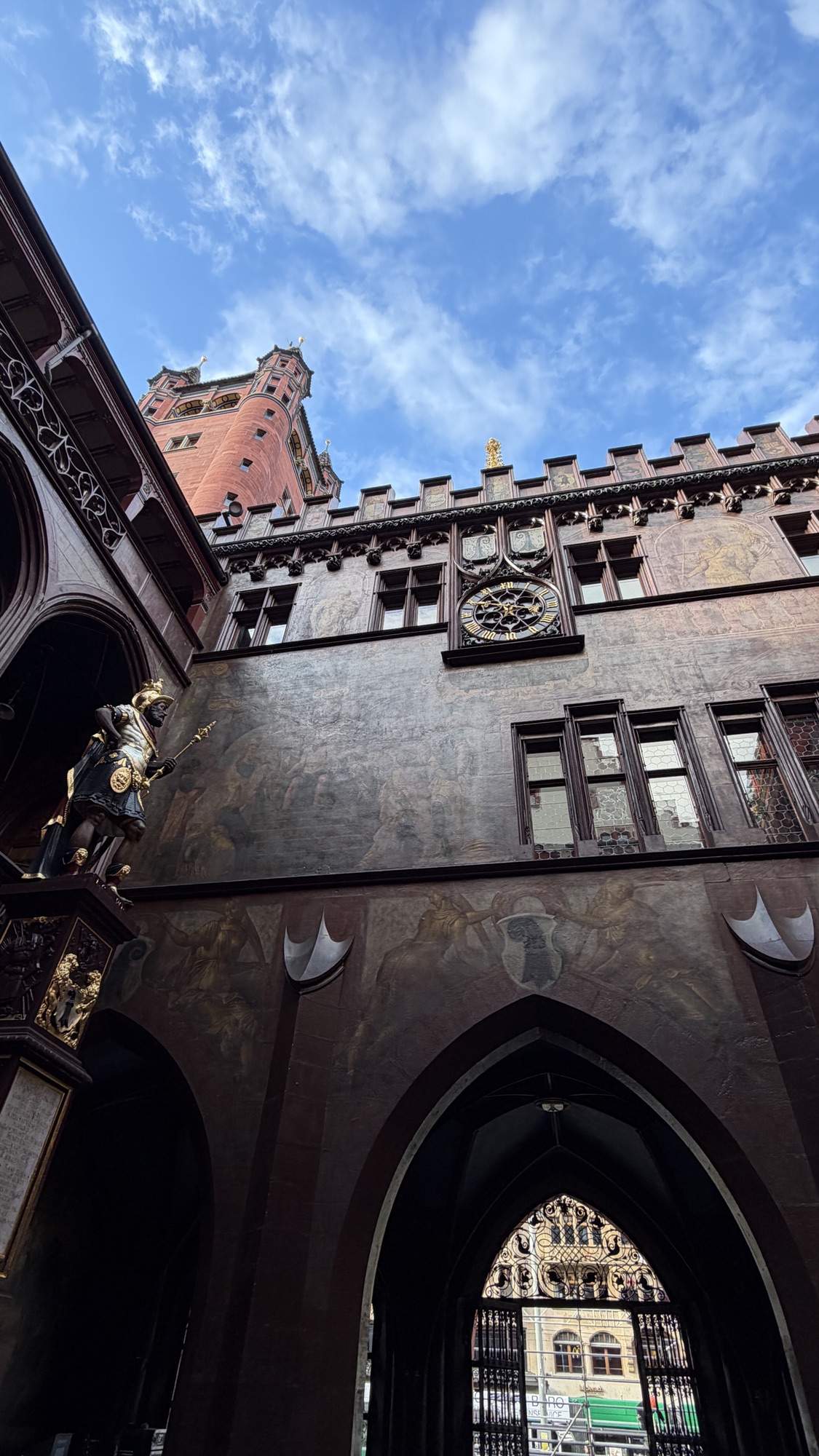
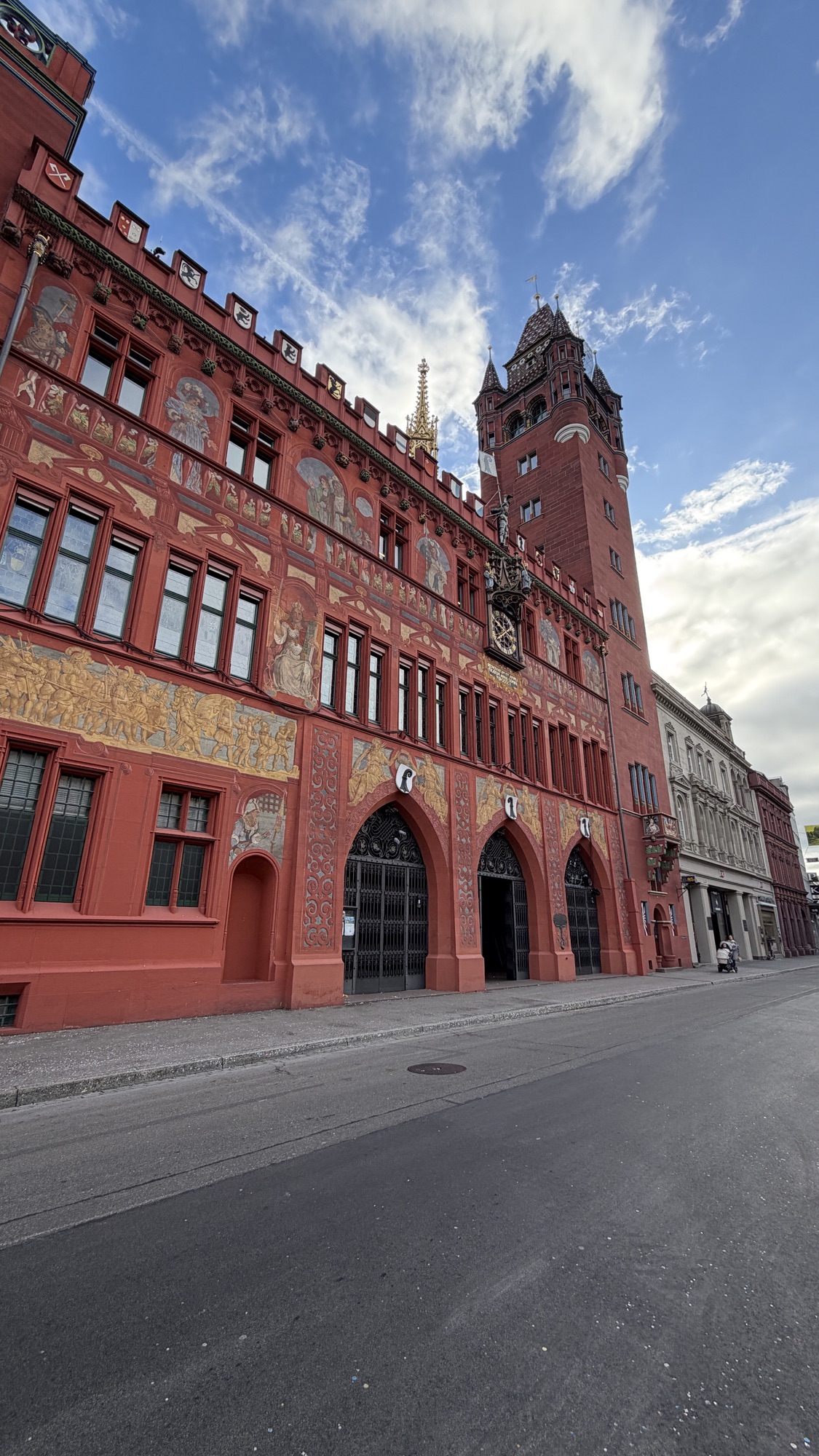
Watching from an elevated position, such as the balcony of the Singerhaus, allows one to grasp the rhythm and structure without being overwhelmed by the crowd. After the early morning hours, the Carnival continues in a more informal way. It is customary to stop for Mehlsuppe, the traditional flour soup of the Fasnacht, often accompanied by Zwiebelwähe or Käsewähe, savoury tarts made with onion or cheese. A warm, simple meal that marks the transition from collective ritual to a more personal moment.
From around 5:30 a.m., some cliques open their cellars to the public. These are authentic spaces, used throughout the year for rehearsals and preparation. Among the most fascinating is the cellar of the Alti Richtig (Baimli) clique in Bäumleingasse, one of the oldest in Basel. Preserved in its original structure, it offers an unfiltered view of the Fasnacht, far from any form of staging.
The Cortège: satire, music, and discipline
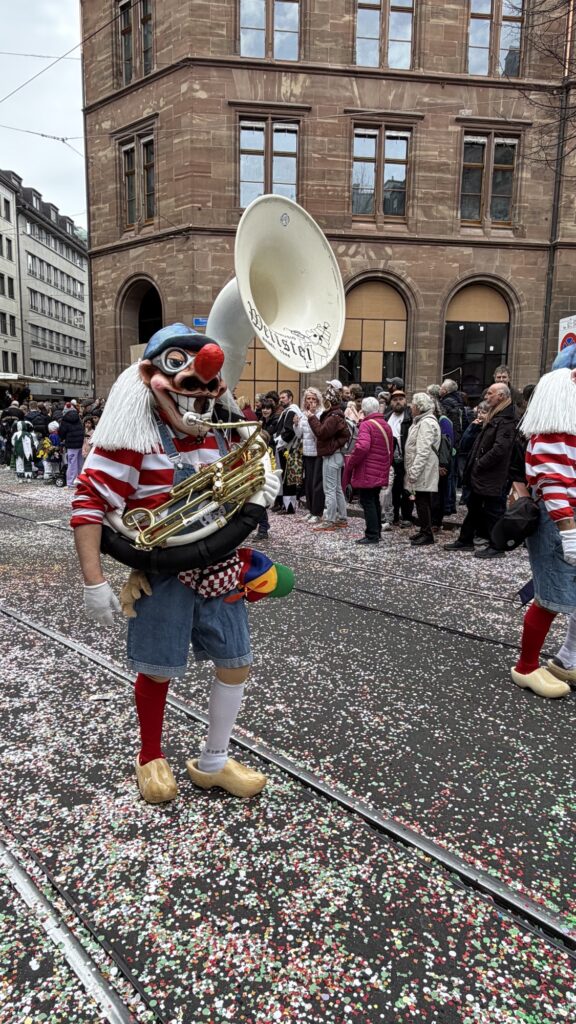
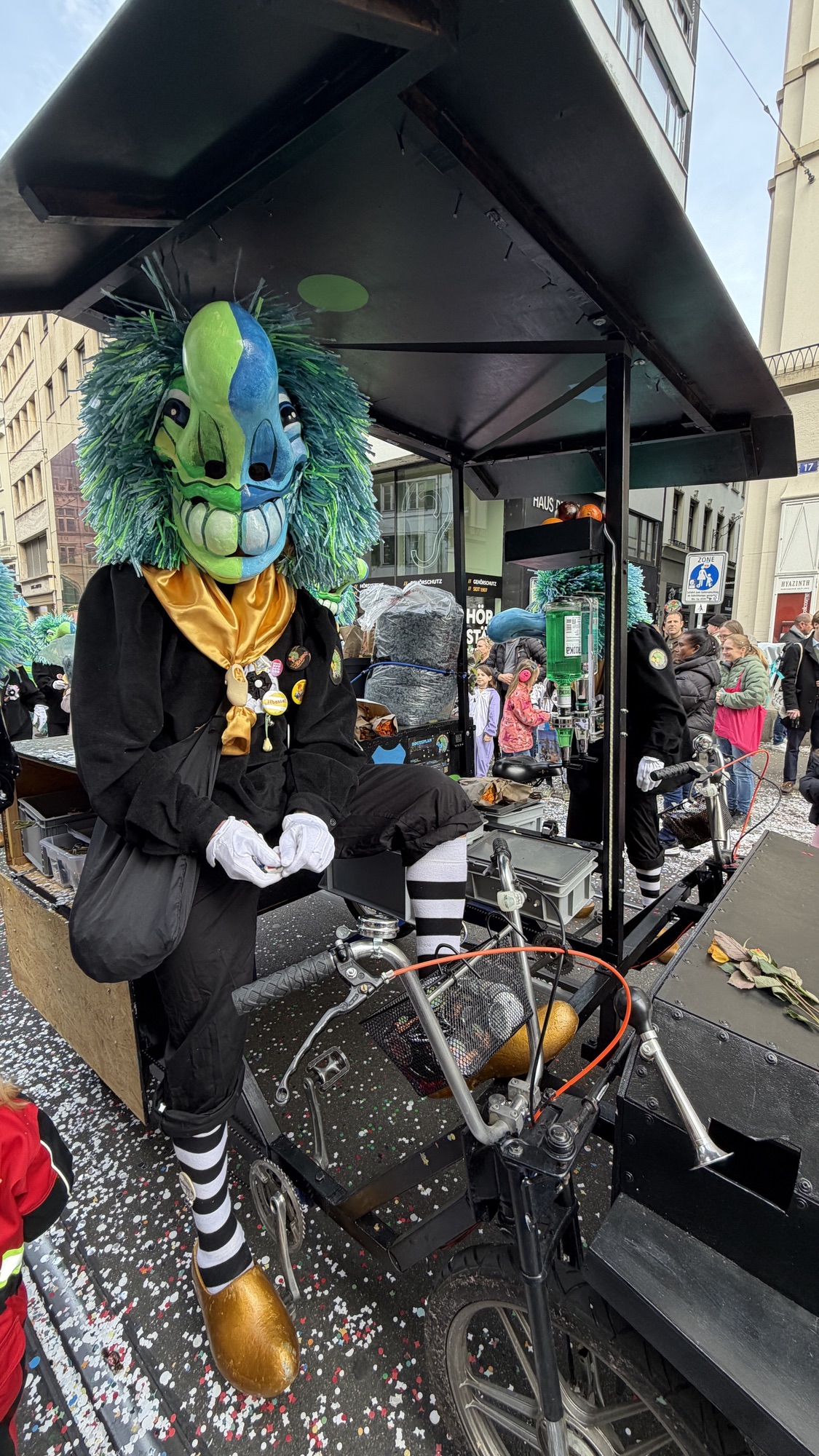
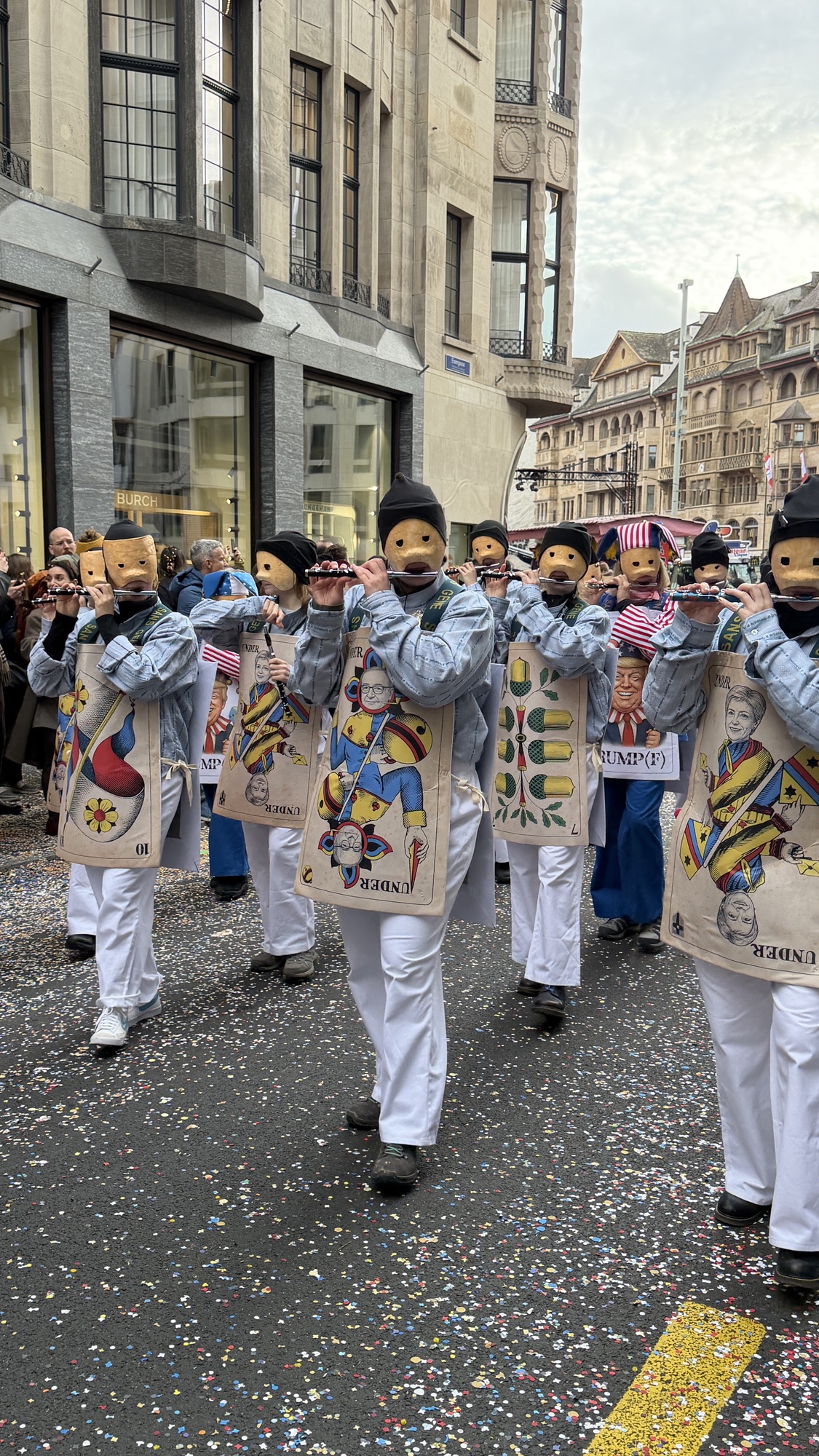
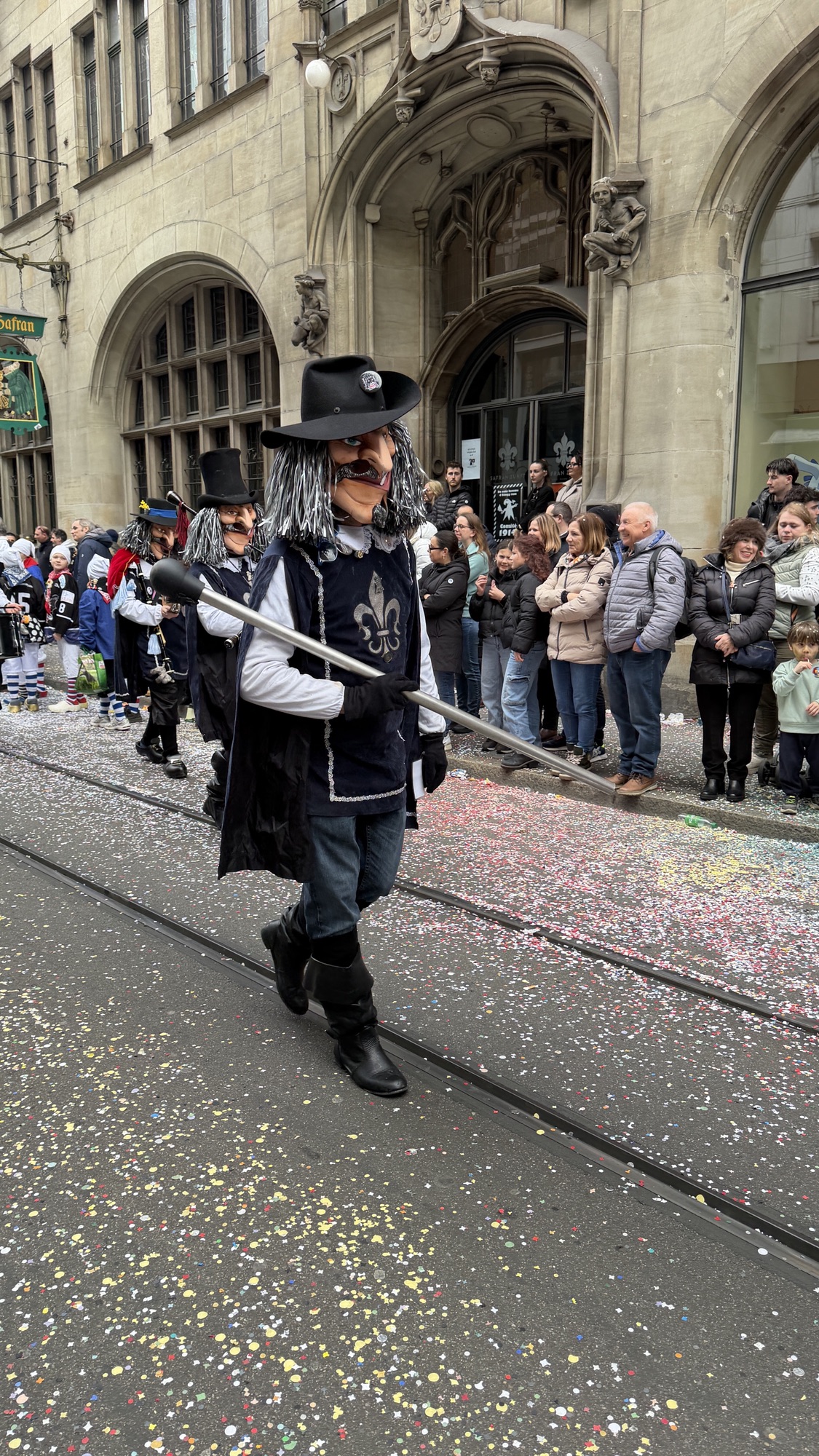
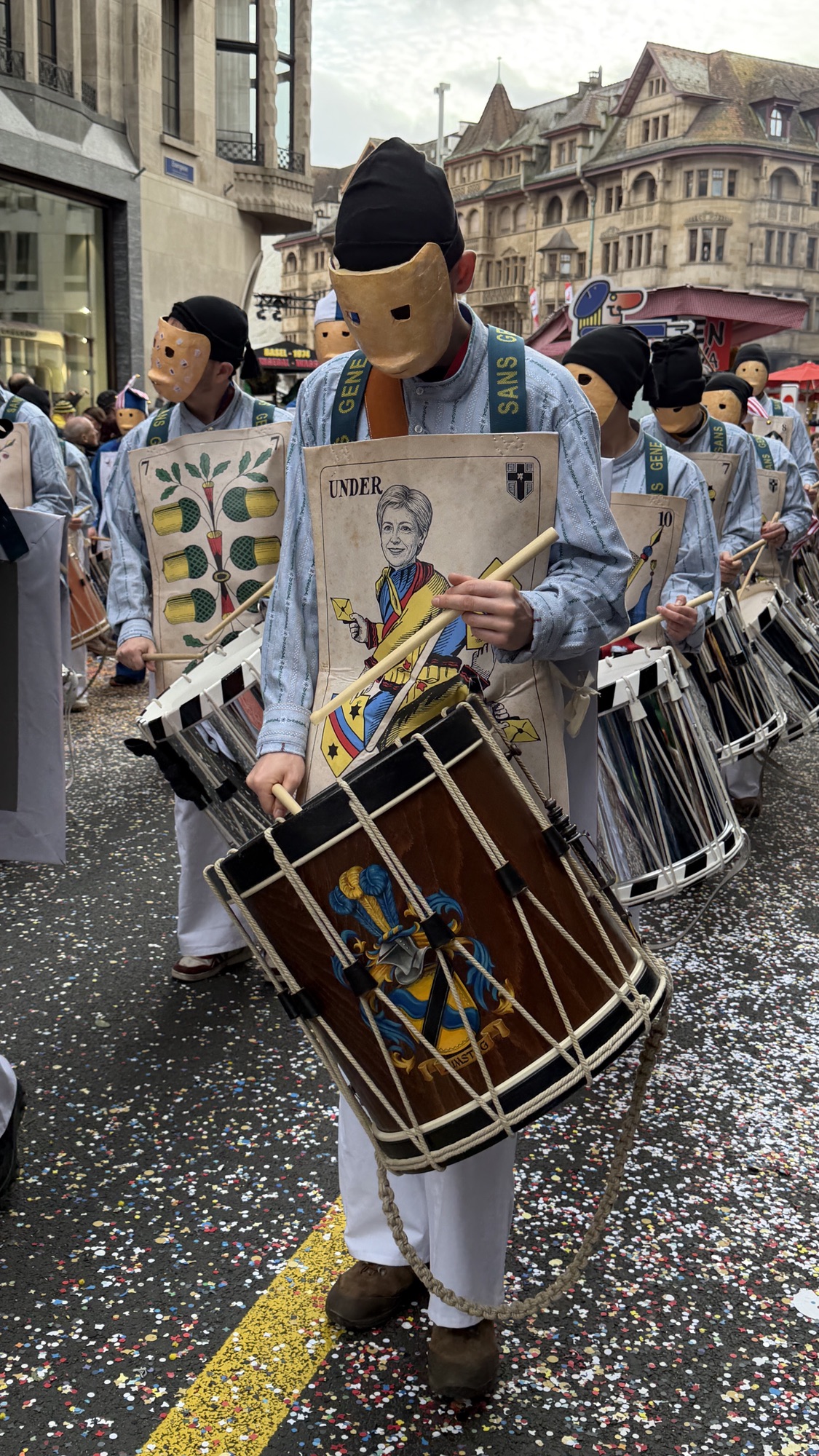
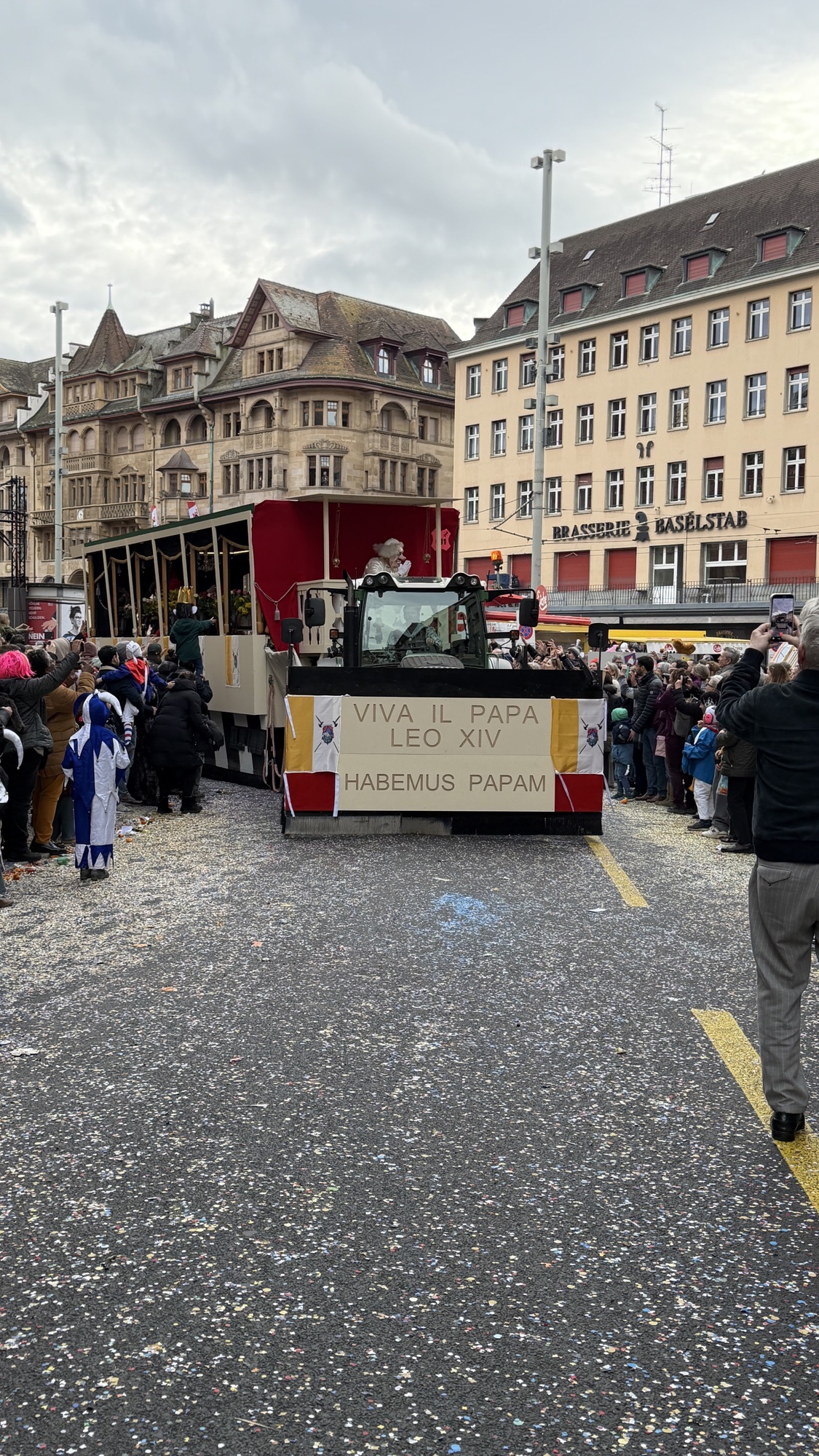
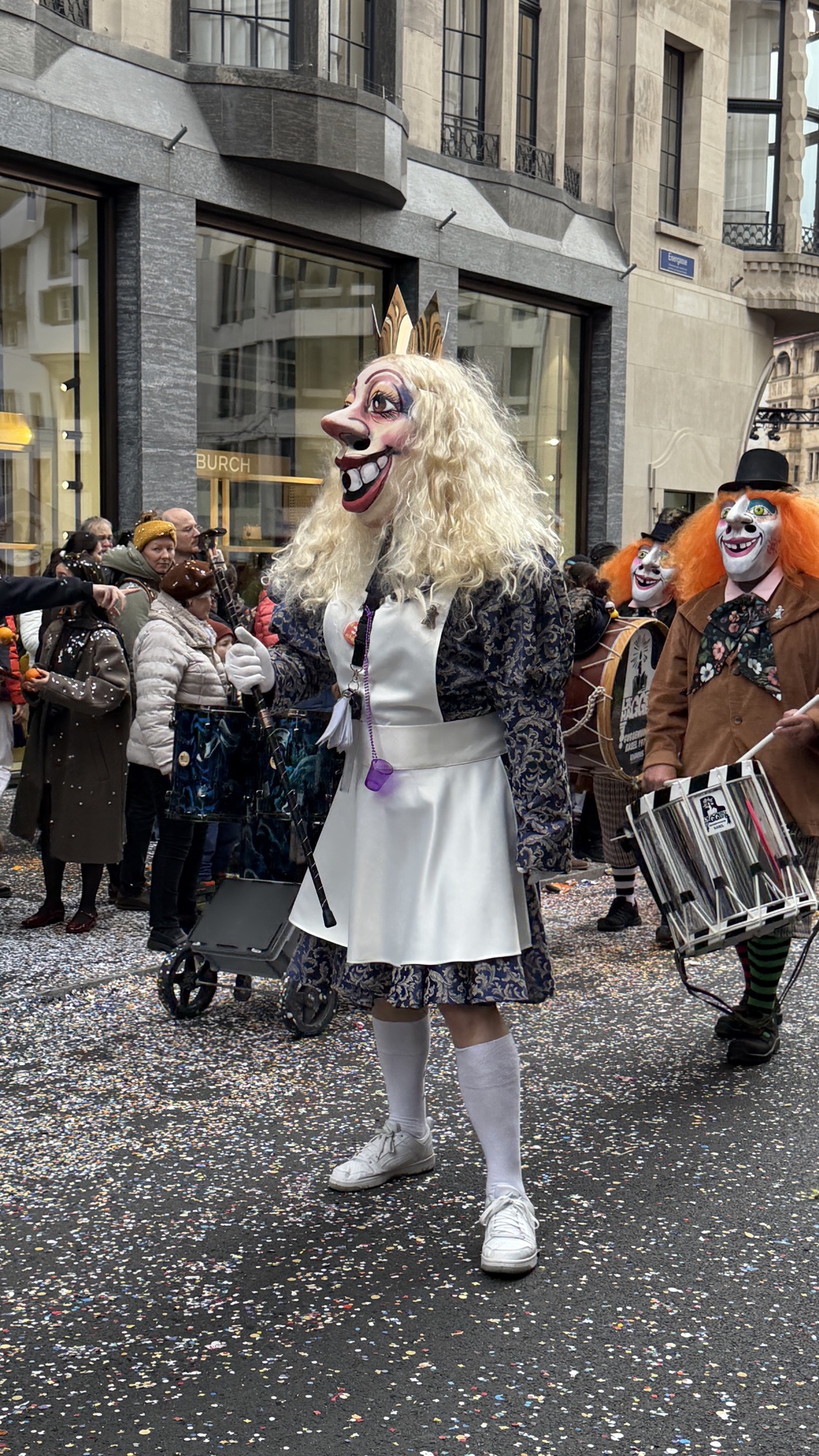
On Monday and Wednesday afternoons, Basel opens itself to the Cortège, the great parade of the Basel Carnival, one of the most recognisable moments of the Fasnacht Basel. Thousands of costumed participants cross the city presenting their sujets, often inspired by political, social, and economic current affairs. Satire is central—sharp, intelligent, and never random.
Here too, nothing is left to chance: marching order, rhythm, and distances are followed with precision. The confetti, known as Räppli, are not decorative but part of the Fasnacht’s visual language. Each clique uses a specific colour, and only those marching are allowed to throw them. Picking them up from the ground and throwing them back is considered improper. A small detail that clearly reflects how even play follows precise cultural codes in Basel.
The lanterns of Münsterplatz
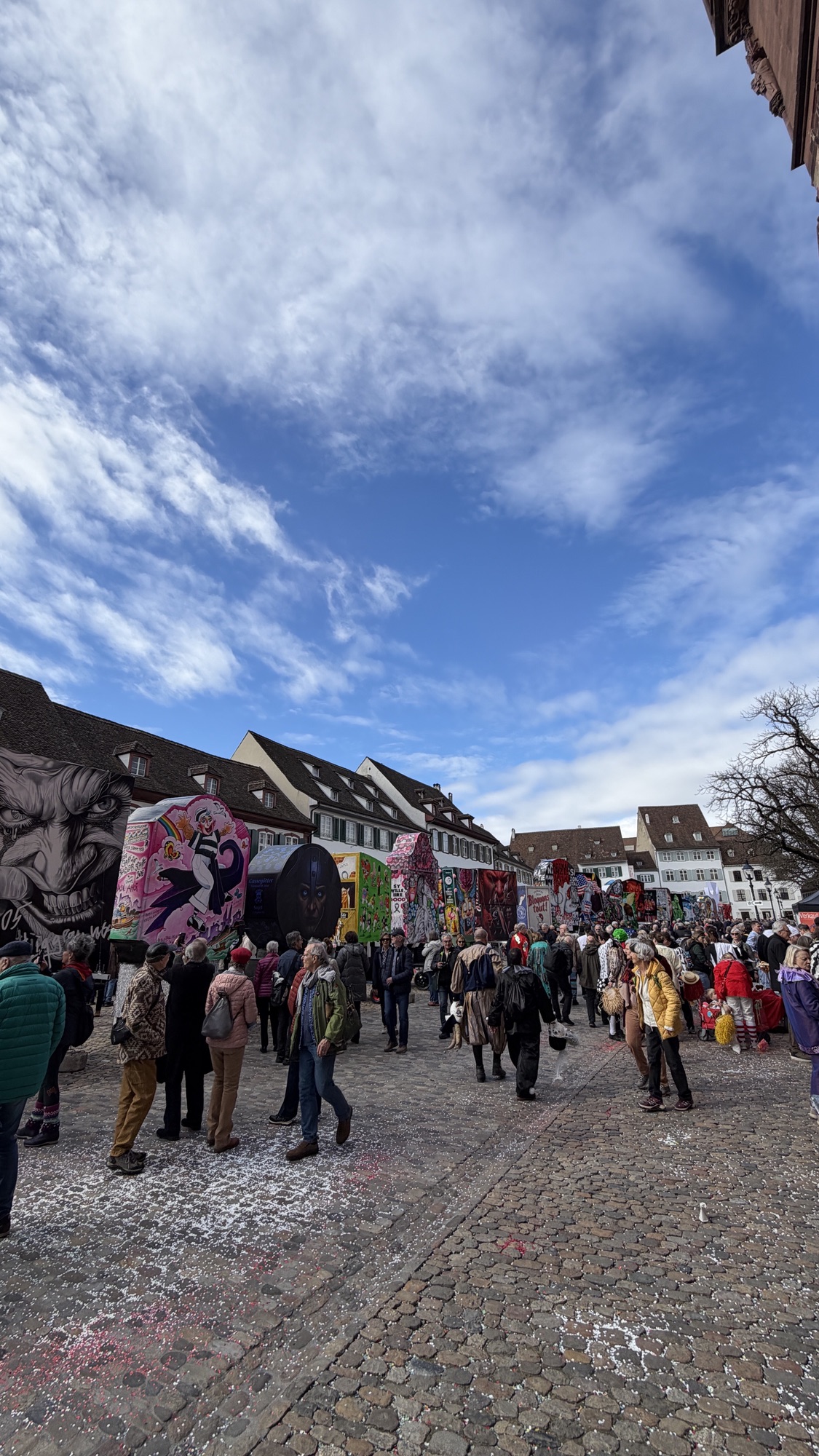
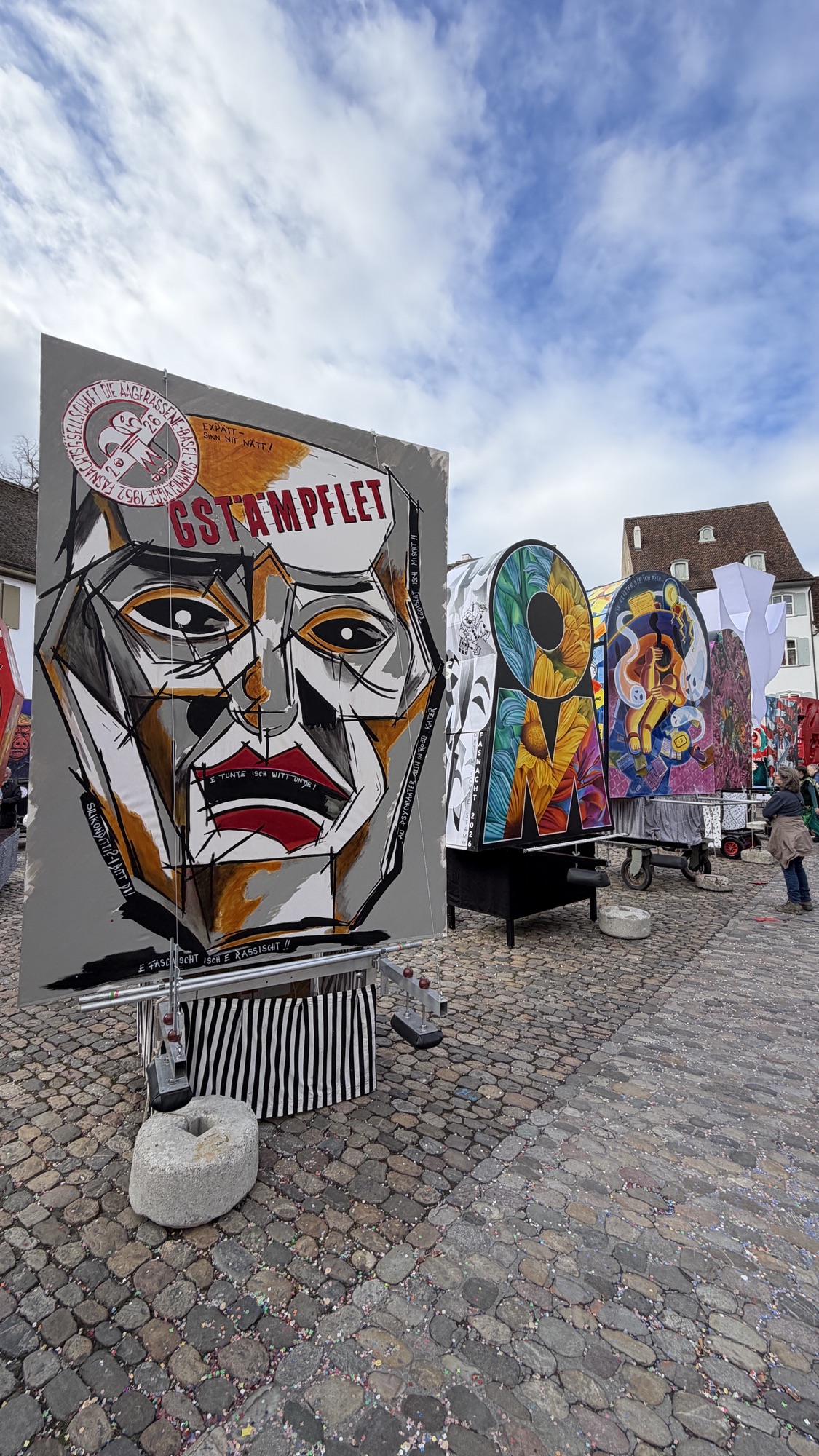
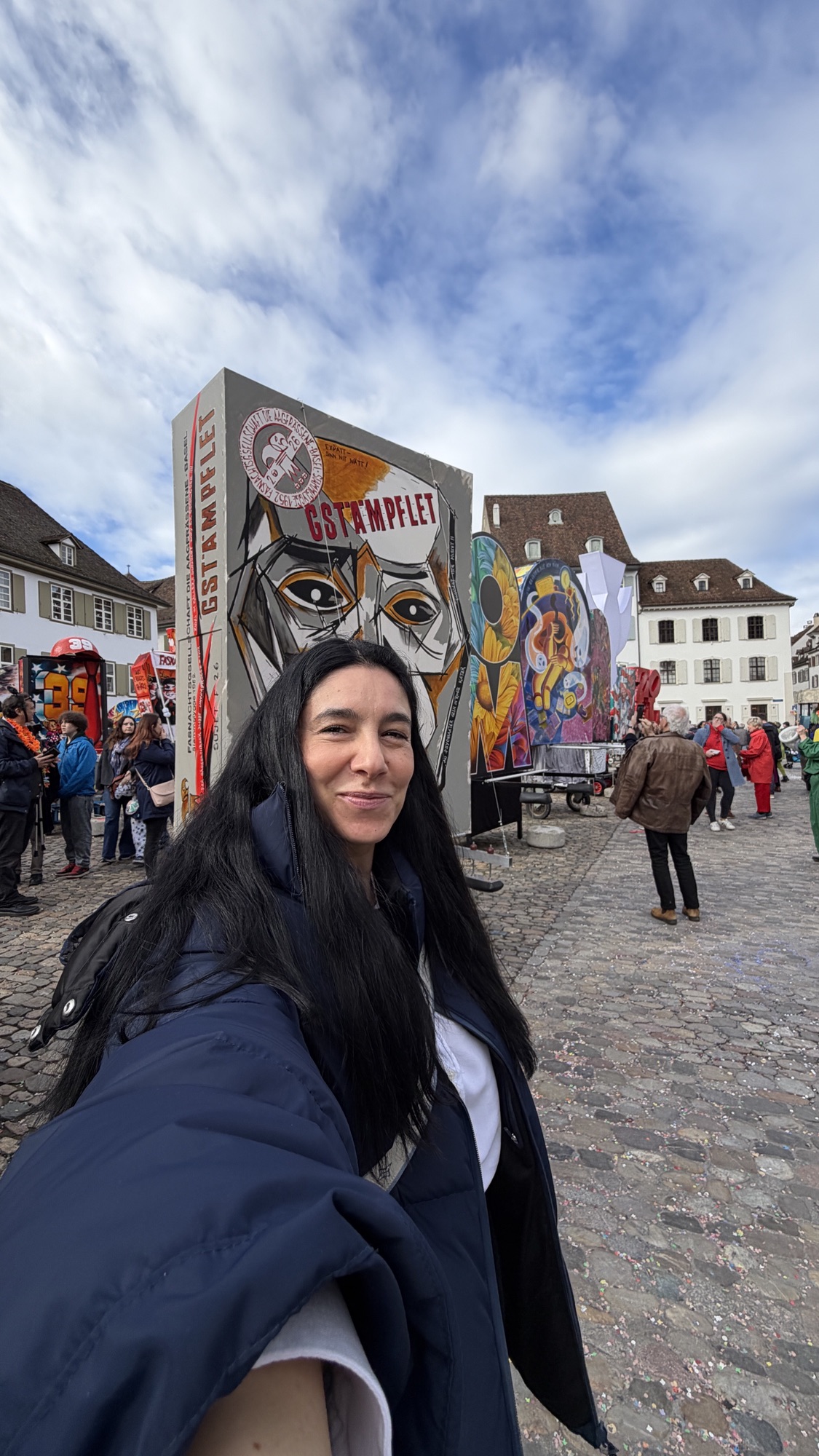
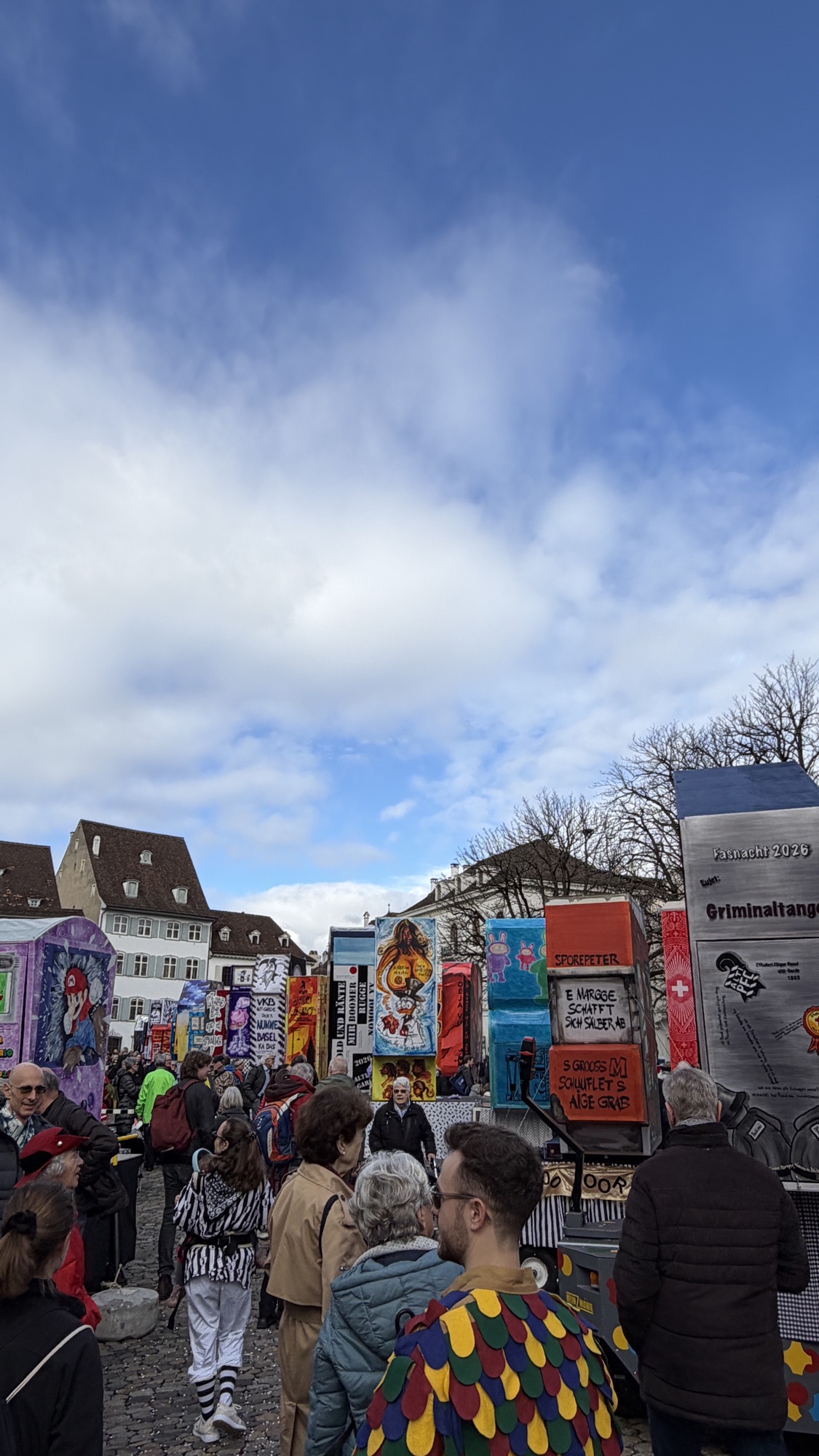
As night falls, the Carnival changes tone once again. On Münsterplatz, the Fasnacht lantern exhibition takes shape, considered one of the largest temporary open-air art exhibitions in the world. More than two hundred illuminated lanterns are displayed, observed up close, read, and interpreted.
Verses written in dialect accompany the images, amplifying their meaning. The exhibition does not end in a single evening: the lanterns remain on display from Monday night until Wednesday morning, allowing visitors to appreciate their details at a slower pace and also in natural daylight. It is one of the most captivating moments of the Carnival, when satire becomes more legible and art takes the time to be fully observed.
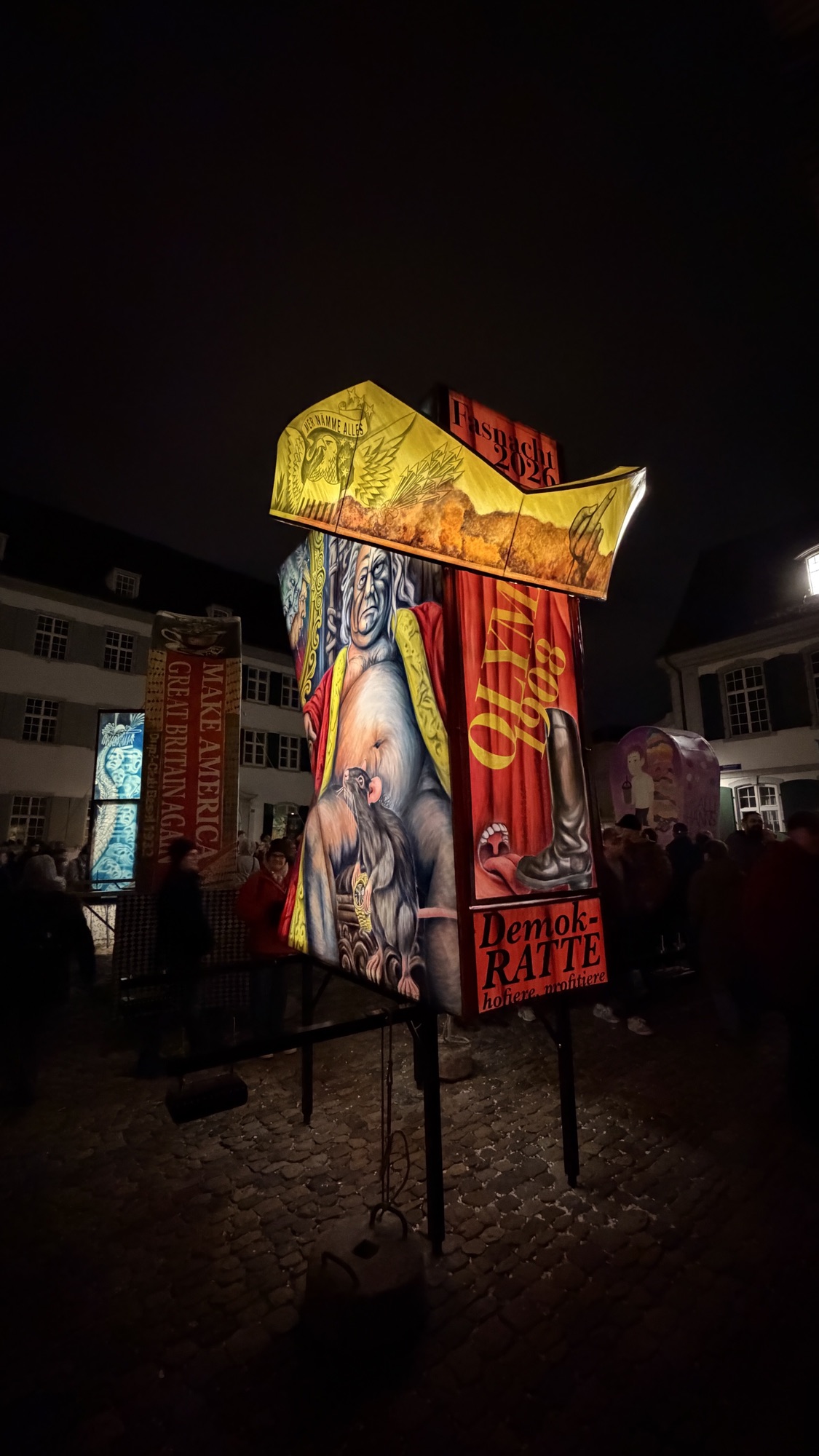
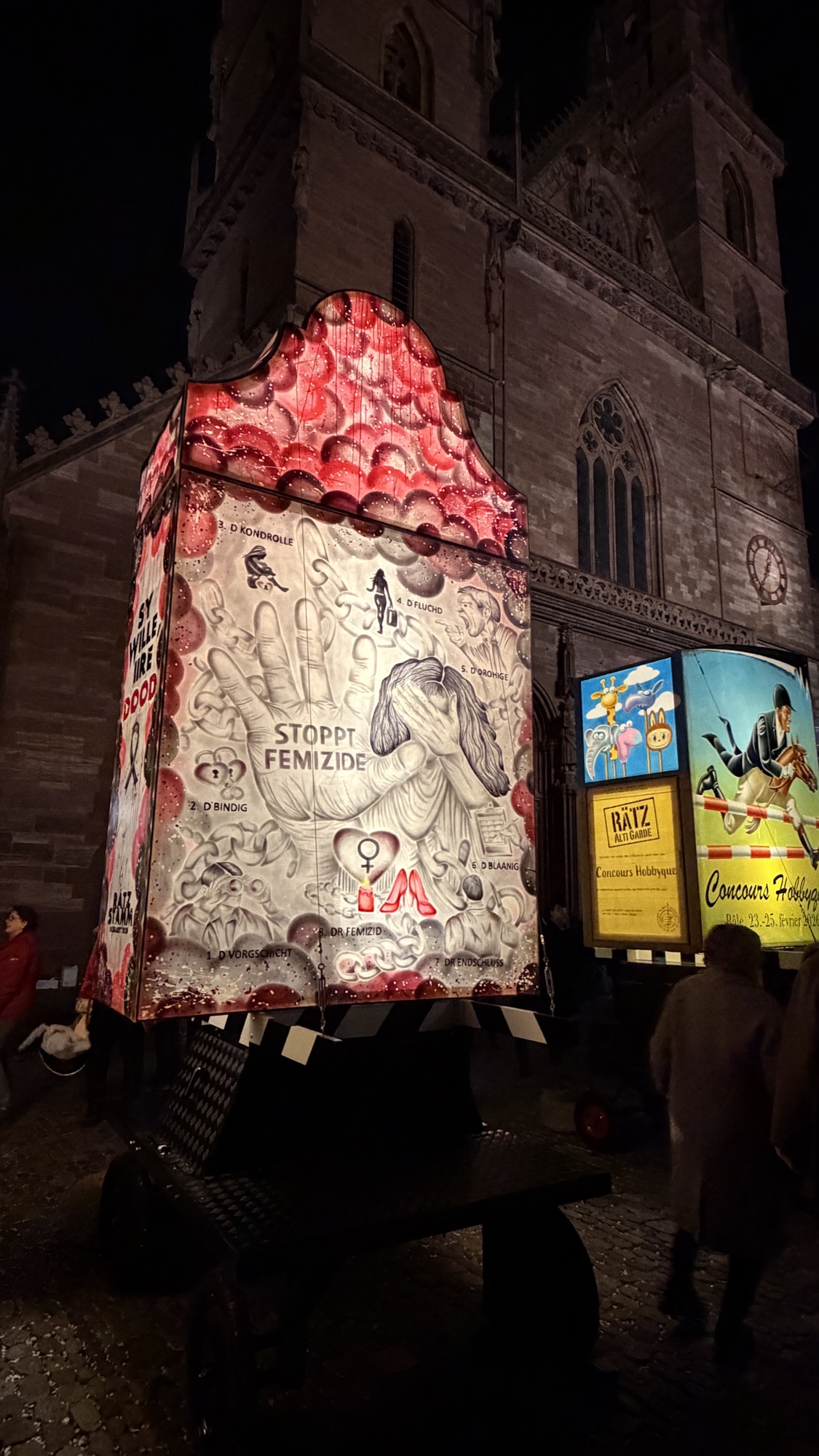
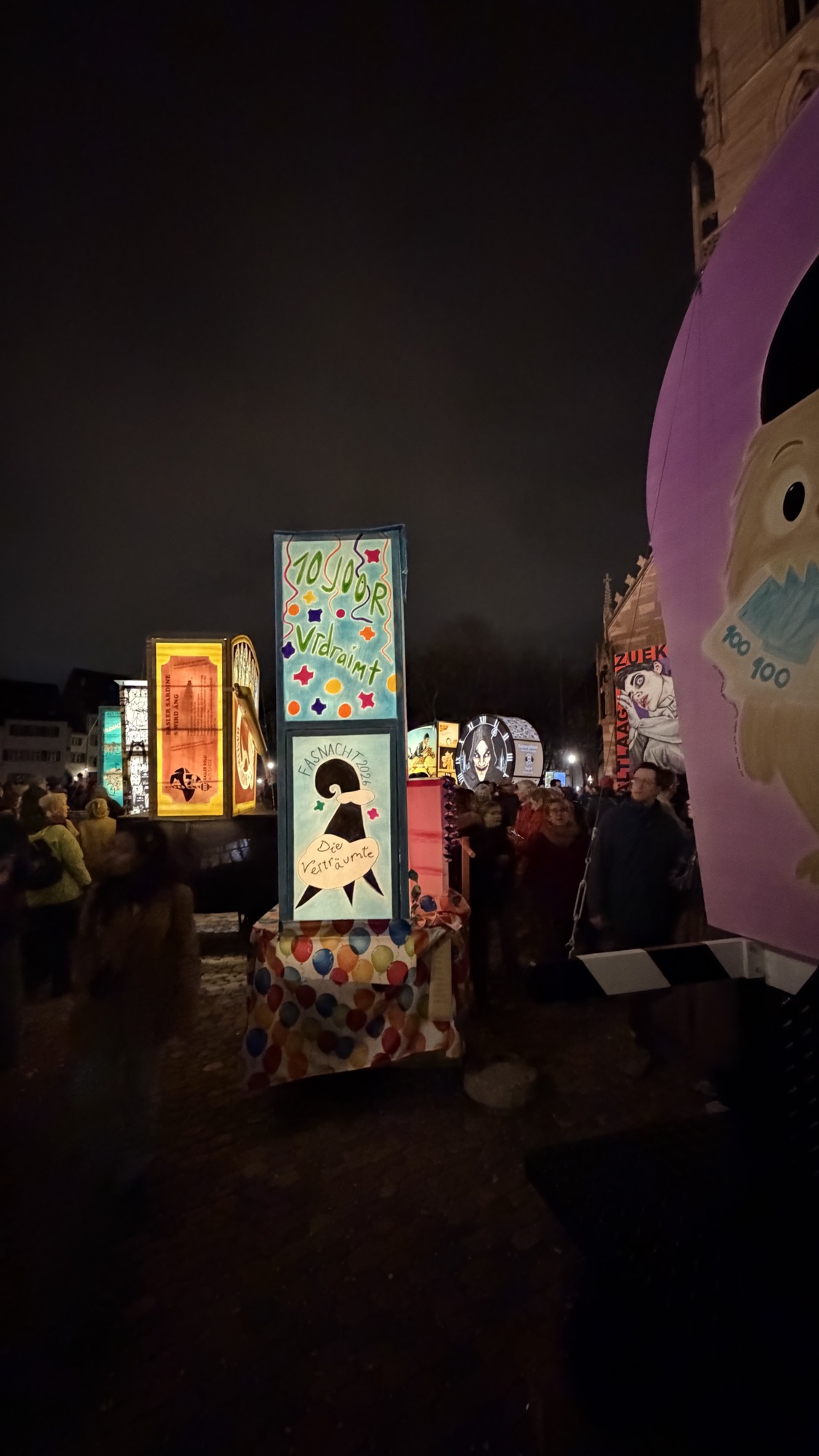
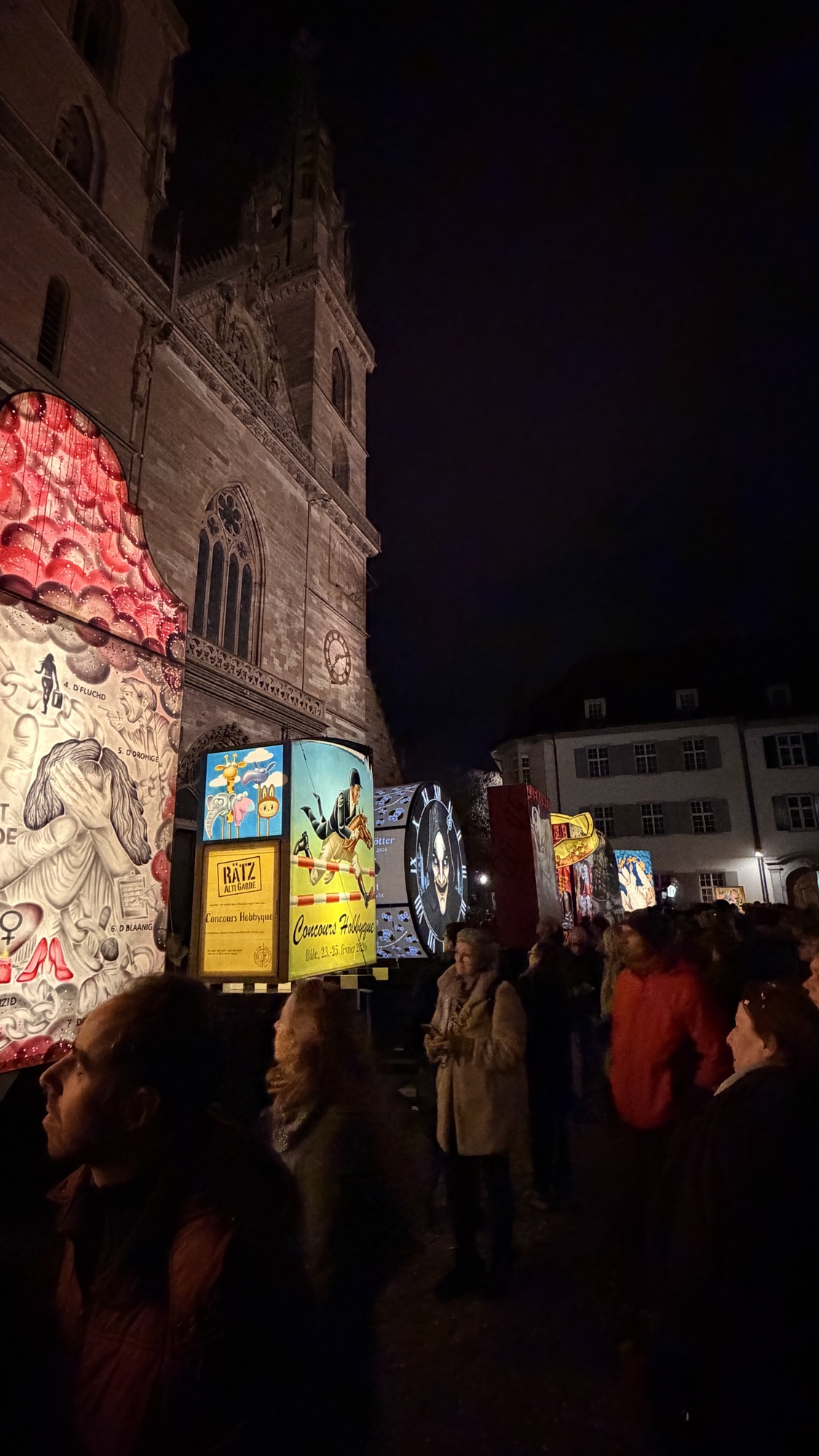
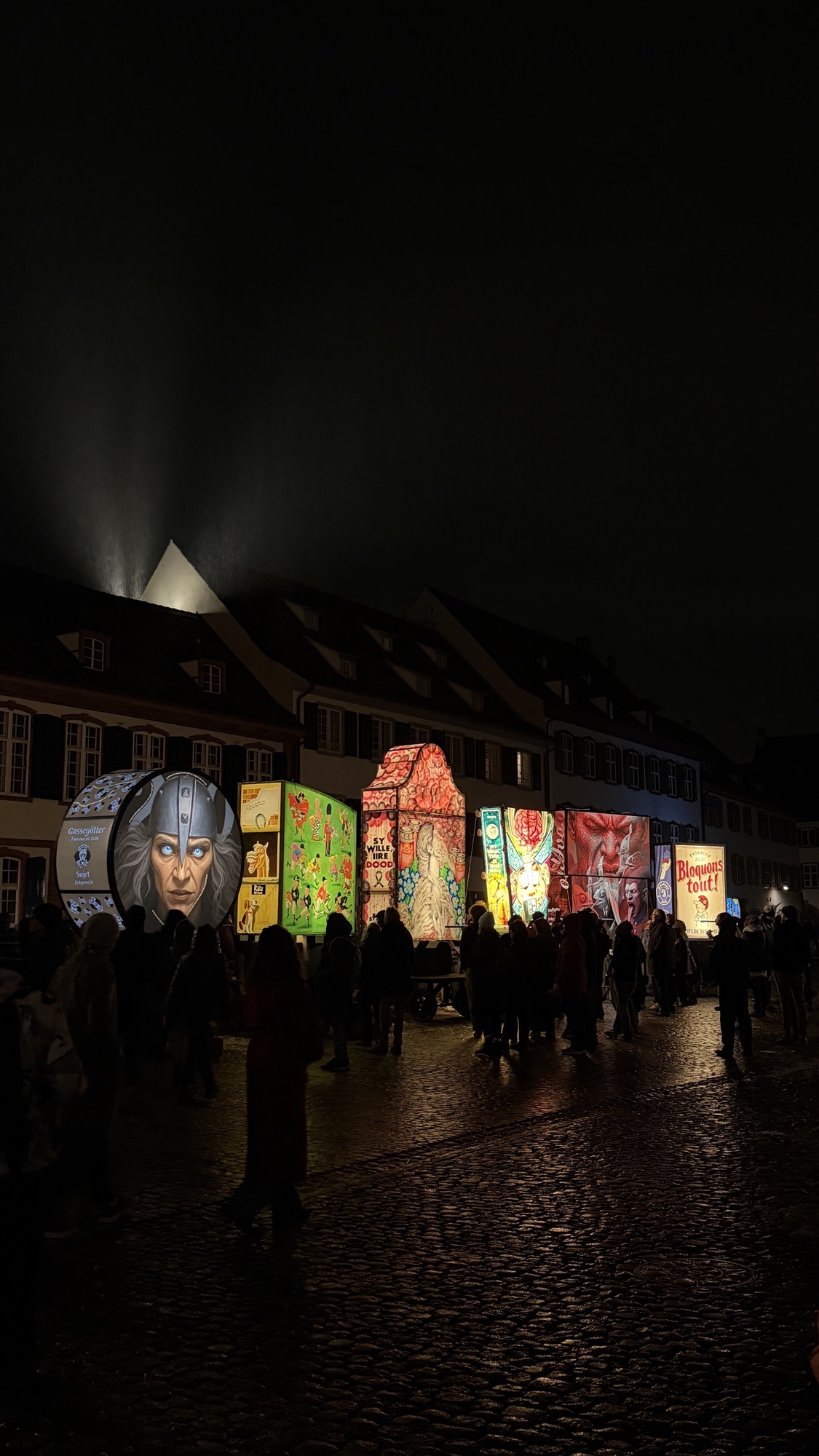
This is the most silent and contemplative moment of the Fasnacht, the one that truly explains why these days are called, in dialect, die drey scheenschte Dääg—the three most beautiful days of the year.
Art and Carnival: a natural dialogue
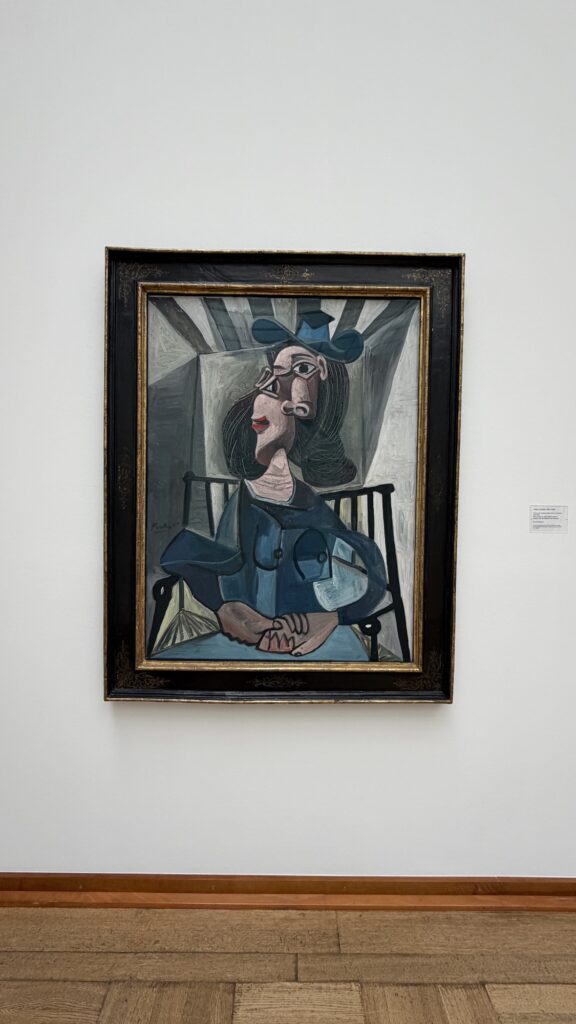
The Basel Carnival is not an isolated event, but an integral part of the city’s cultural life. This connection becomes evident when visiting the Museum Tinguely, dedicated to Jean Tinguely, a key figure in kinetic art and an active participant in the Fasnacht for many years. His moving, ironic, and provocative machines resonate perfectly with the spirit of the Carnival.
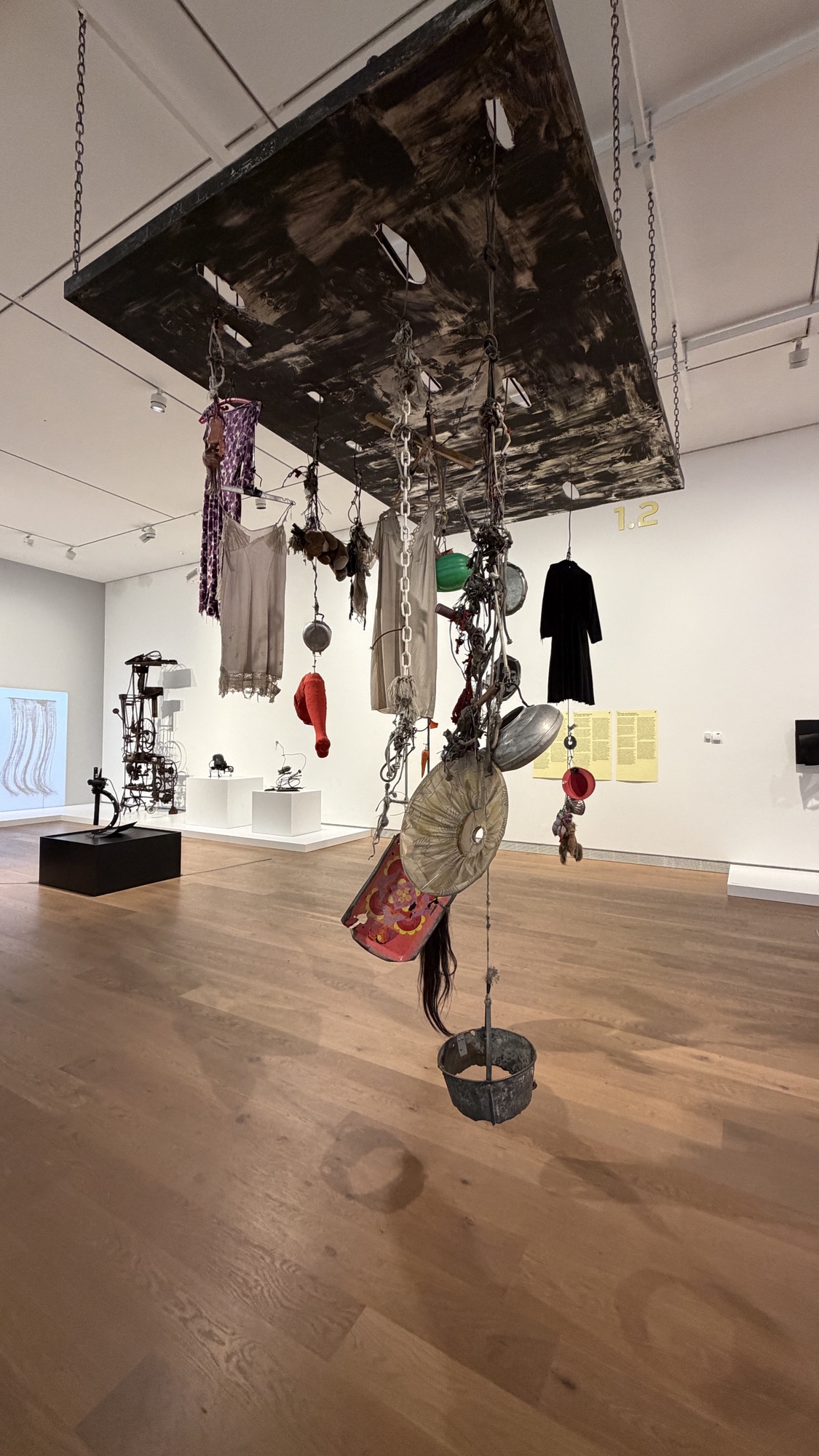
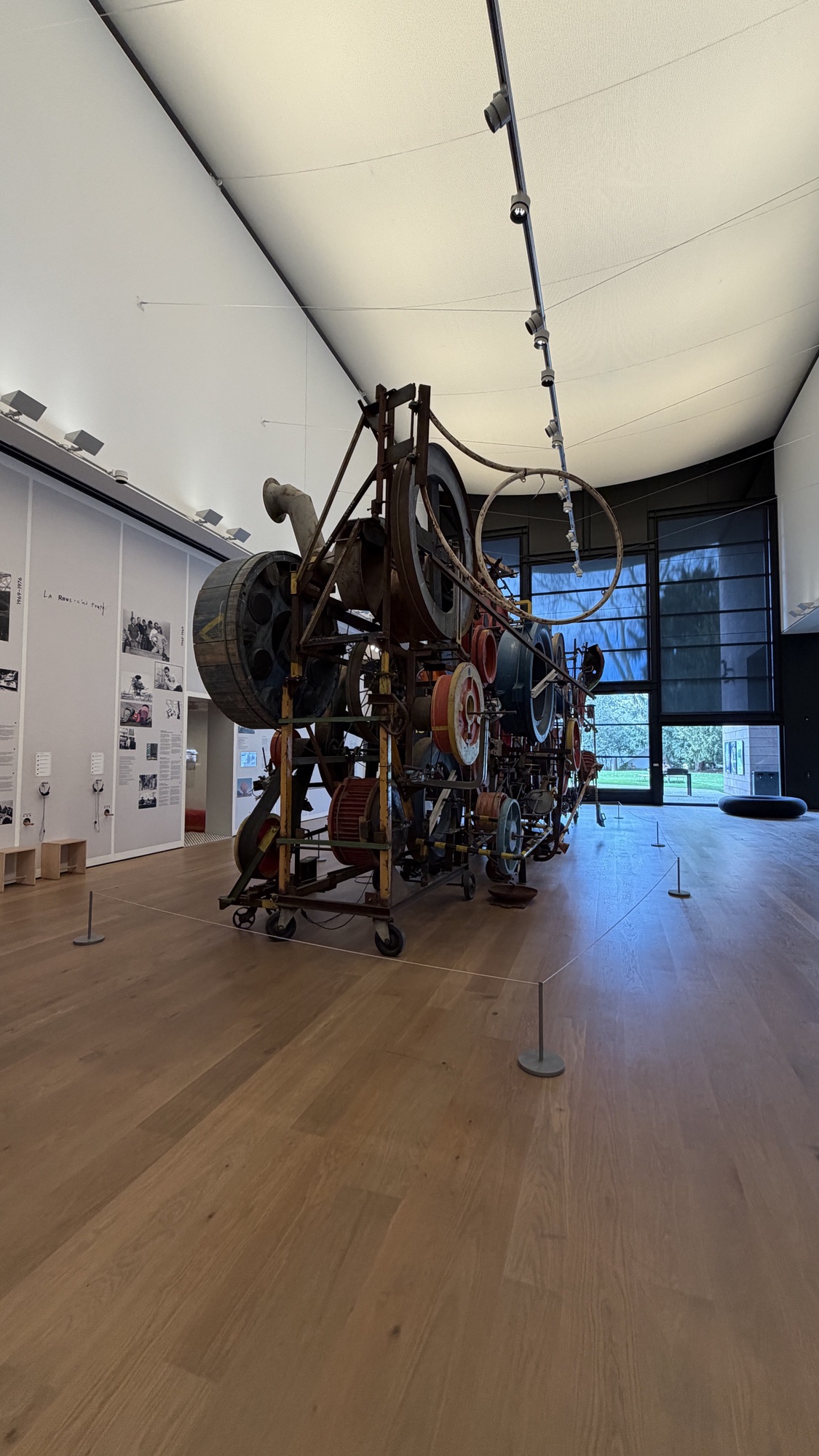
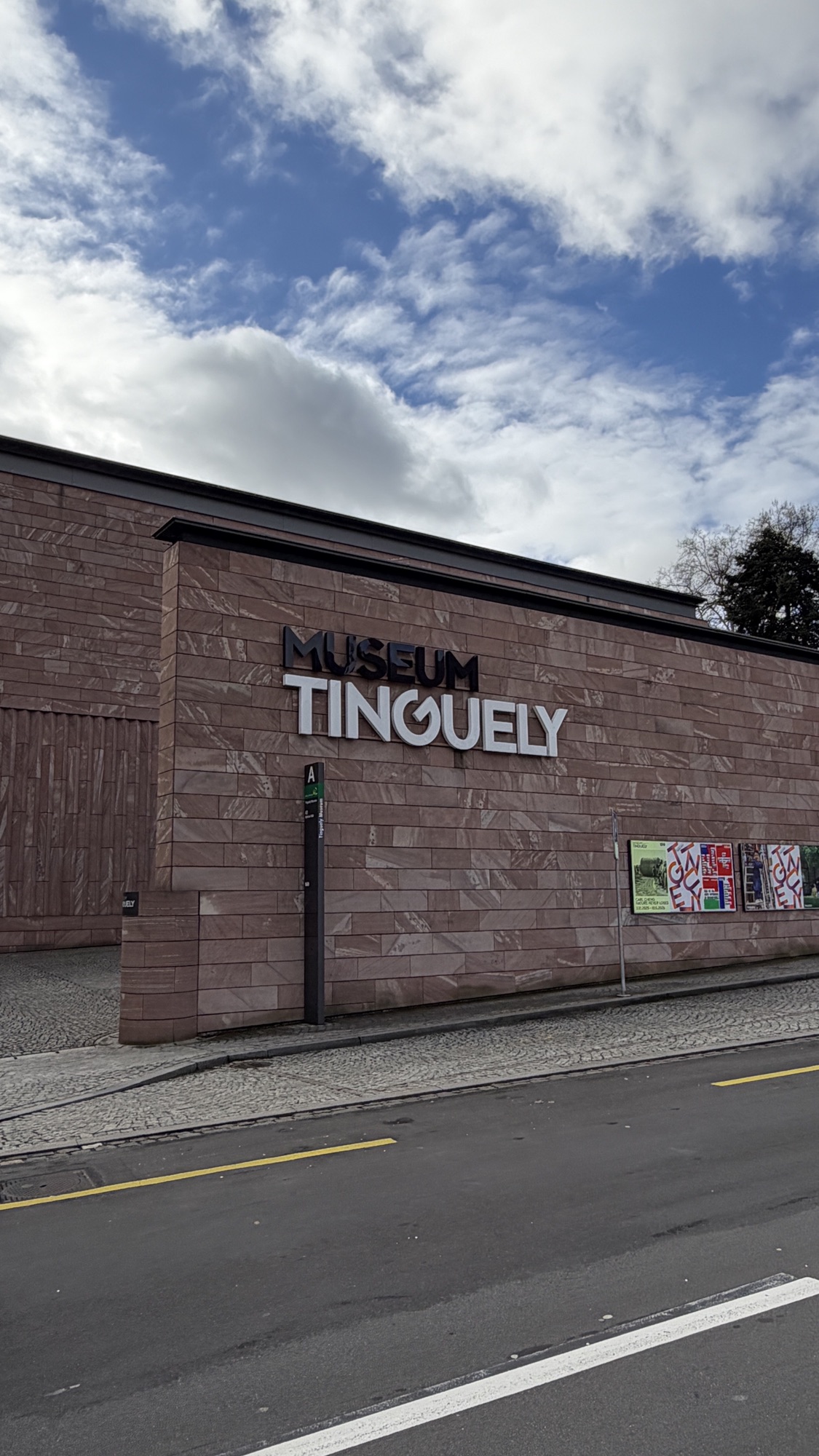
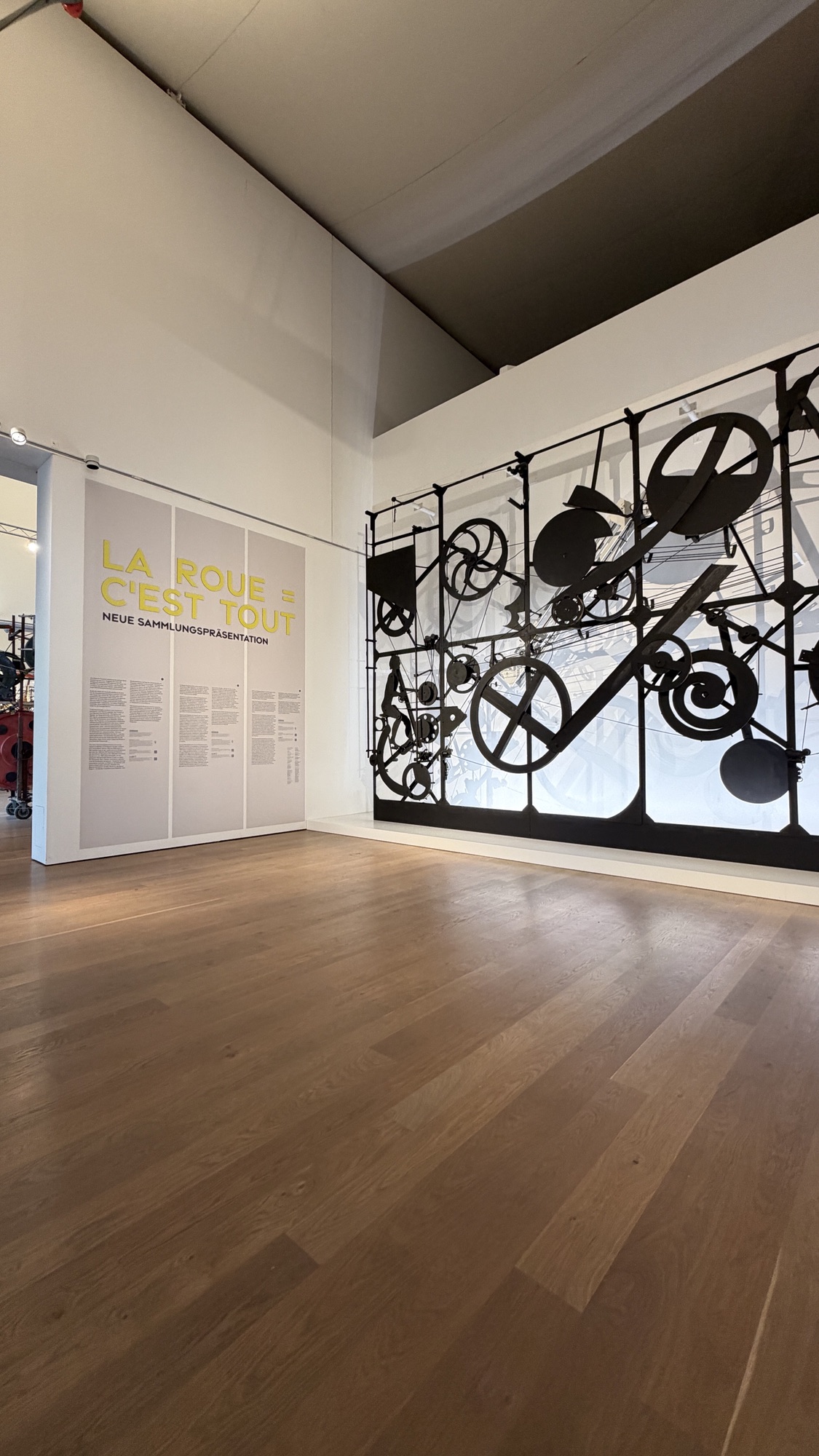
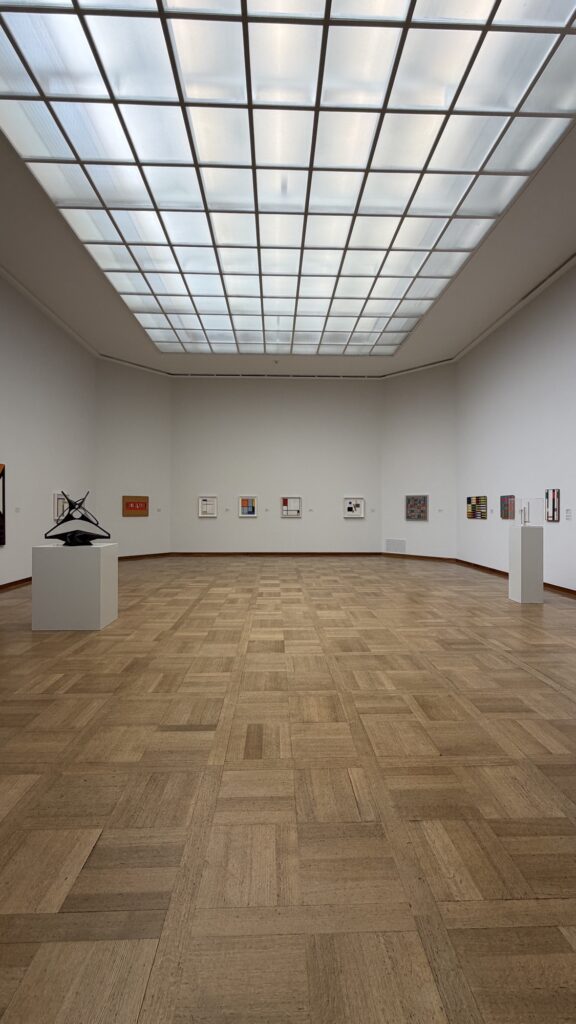
The Kunstmuseum Basel, home to the world’s oldest public art collection, further helps to understand the city’s cultural context: here, art is not decoration, but a fundamental part of civic identity.
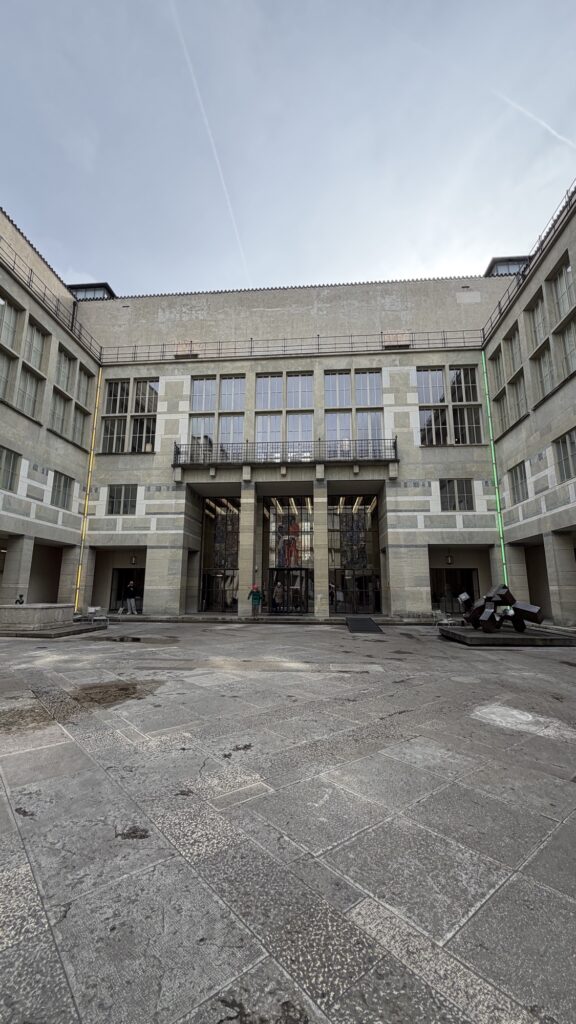
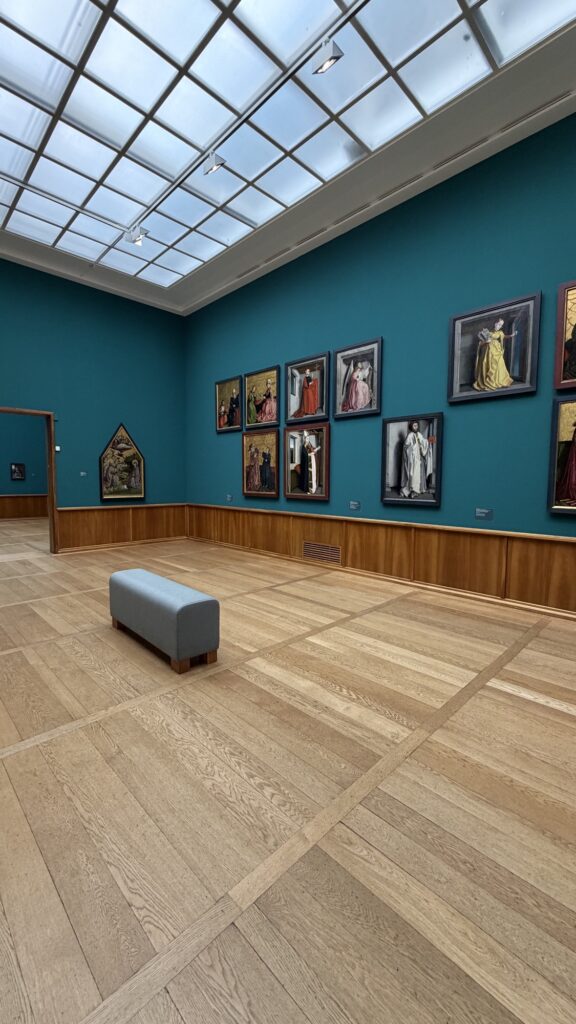
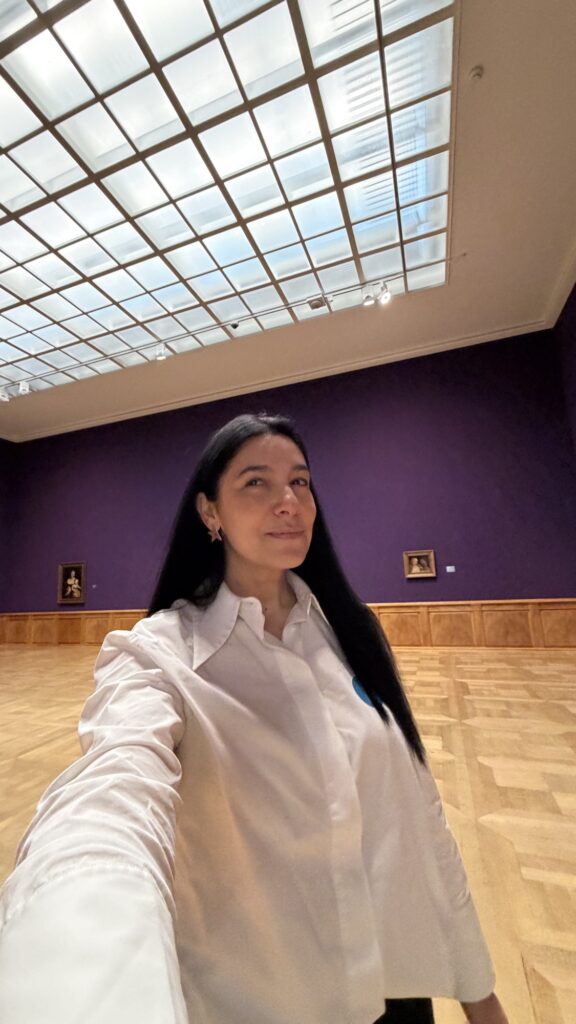
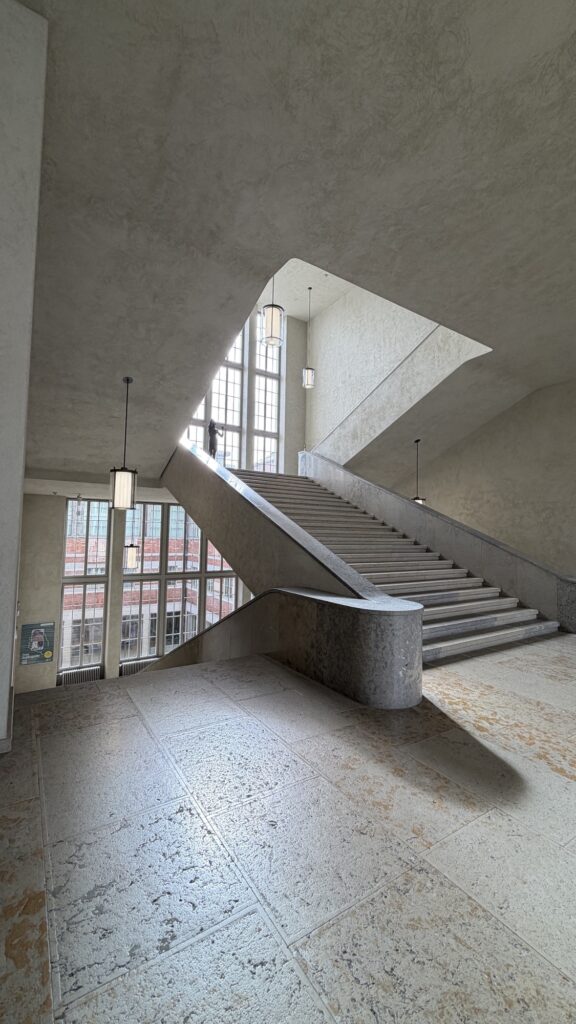
.
Where to eat during Fasnacht
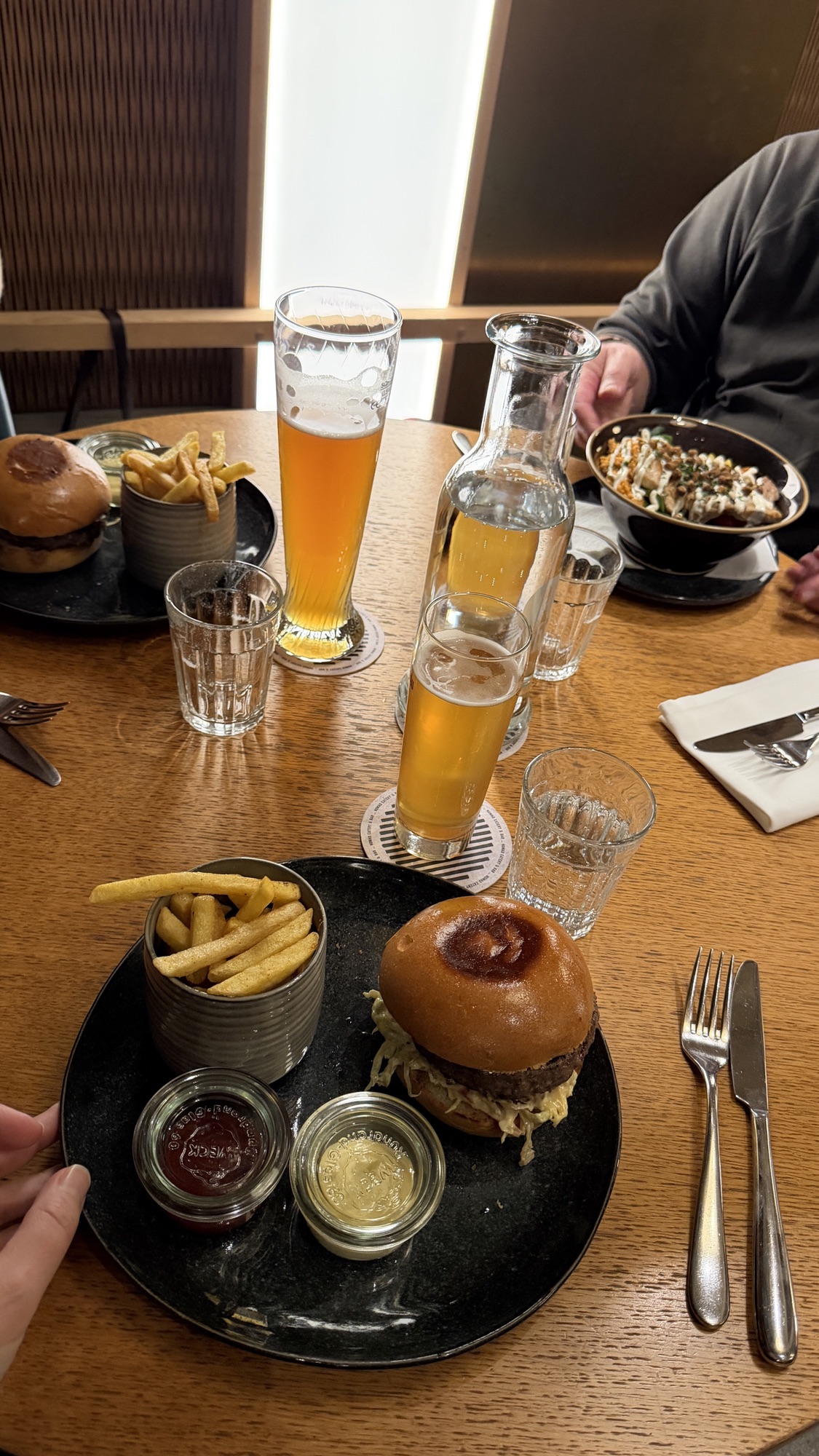
During Carnival days, it is important to alternate intense moments with well-chosen pauses.
Recommended addresses include:
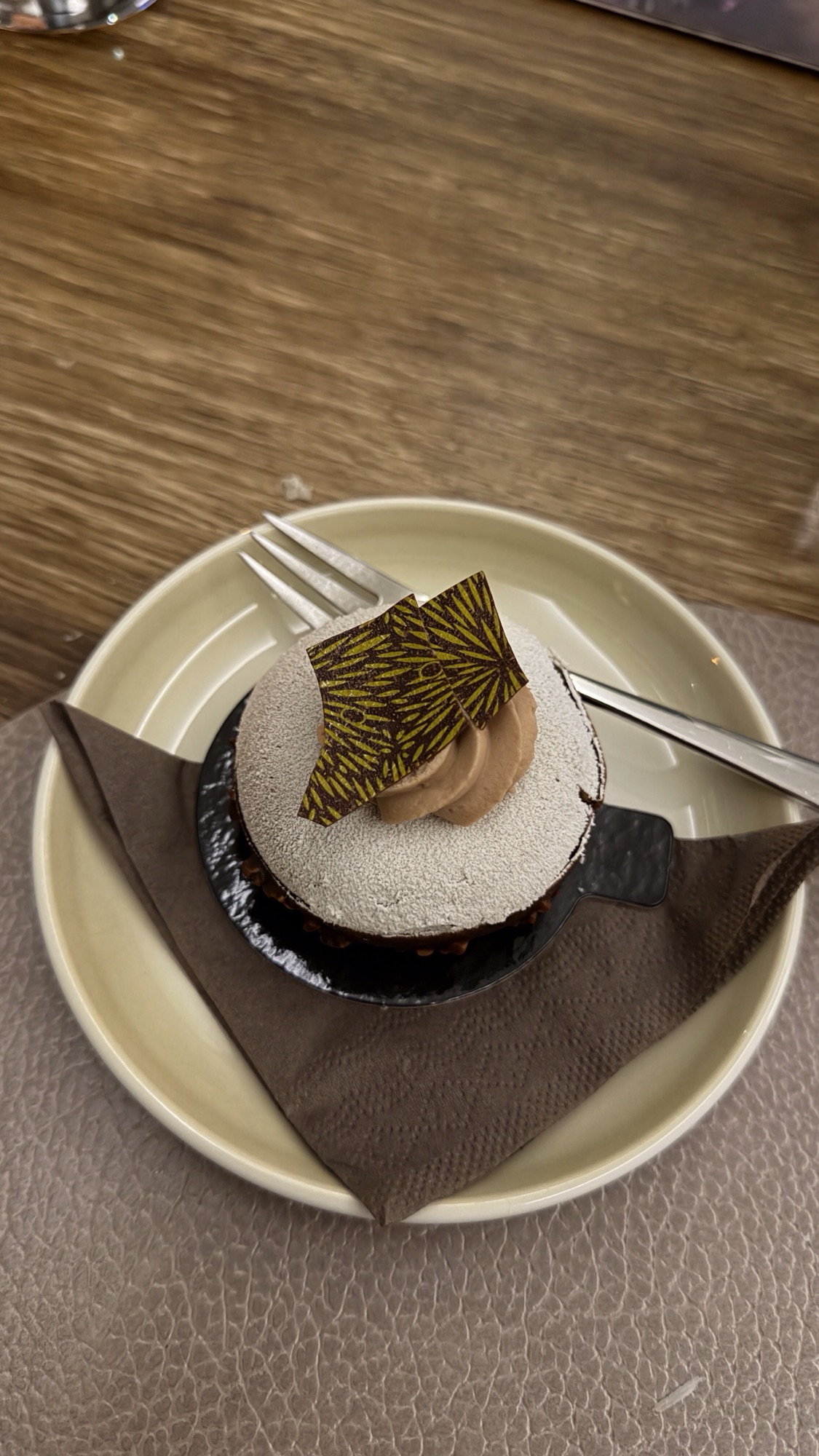
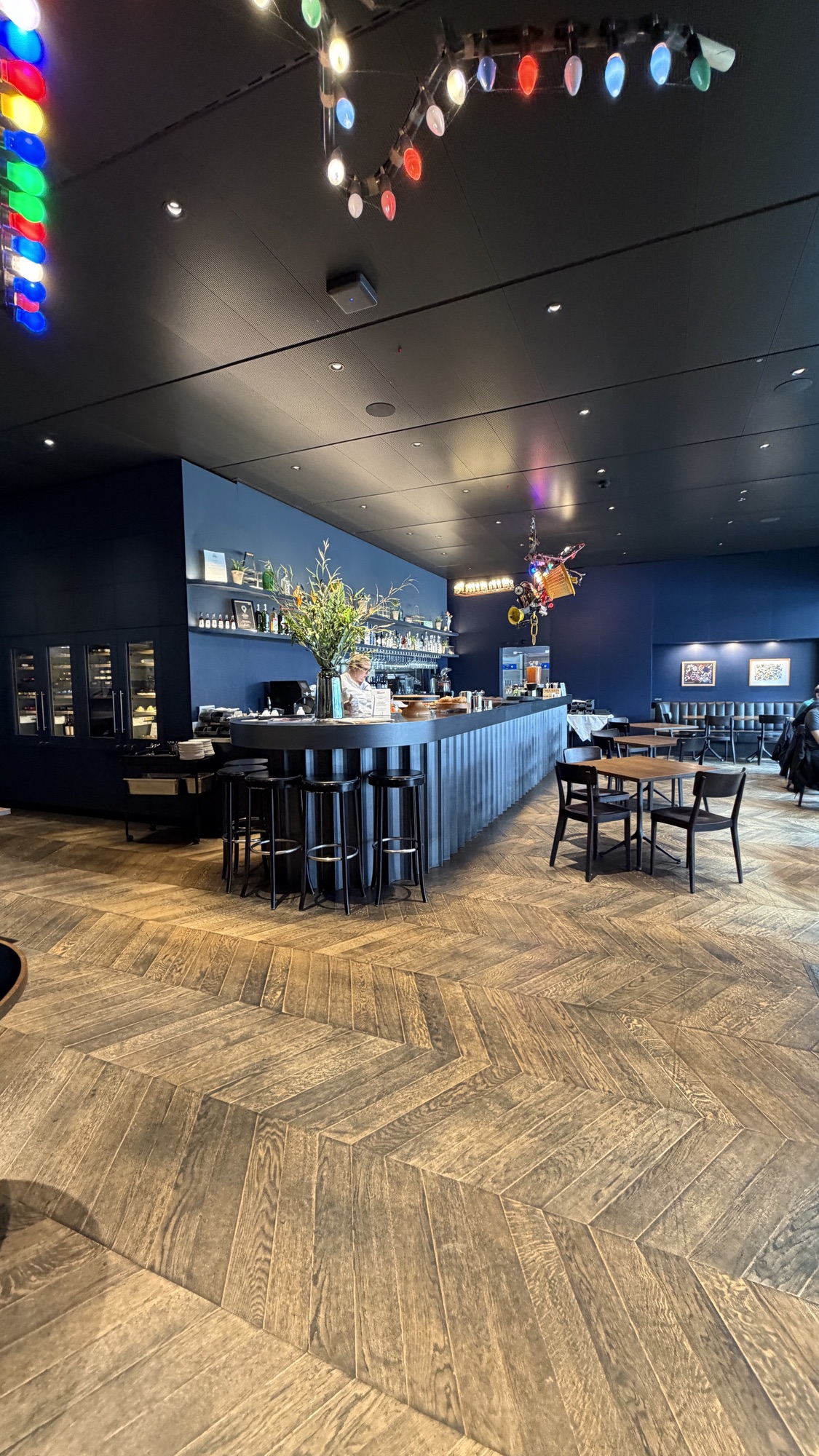
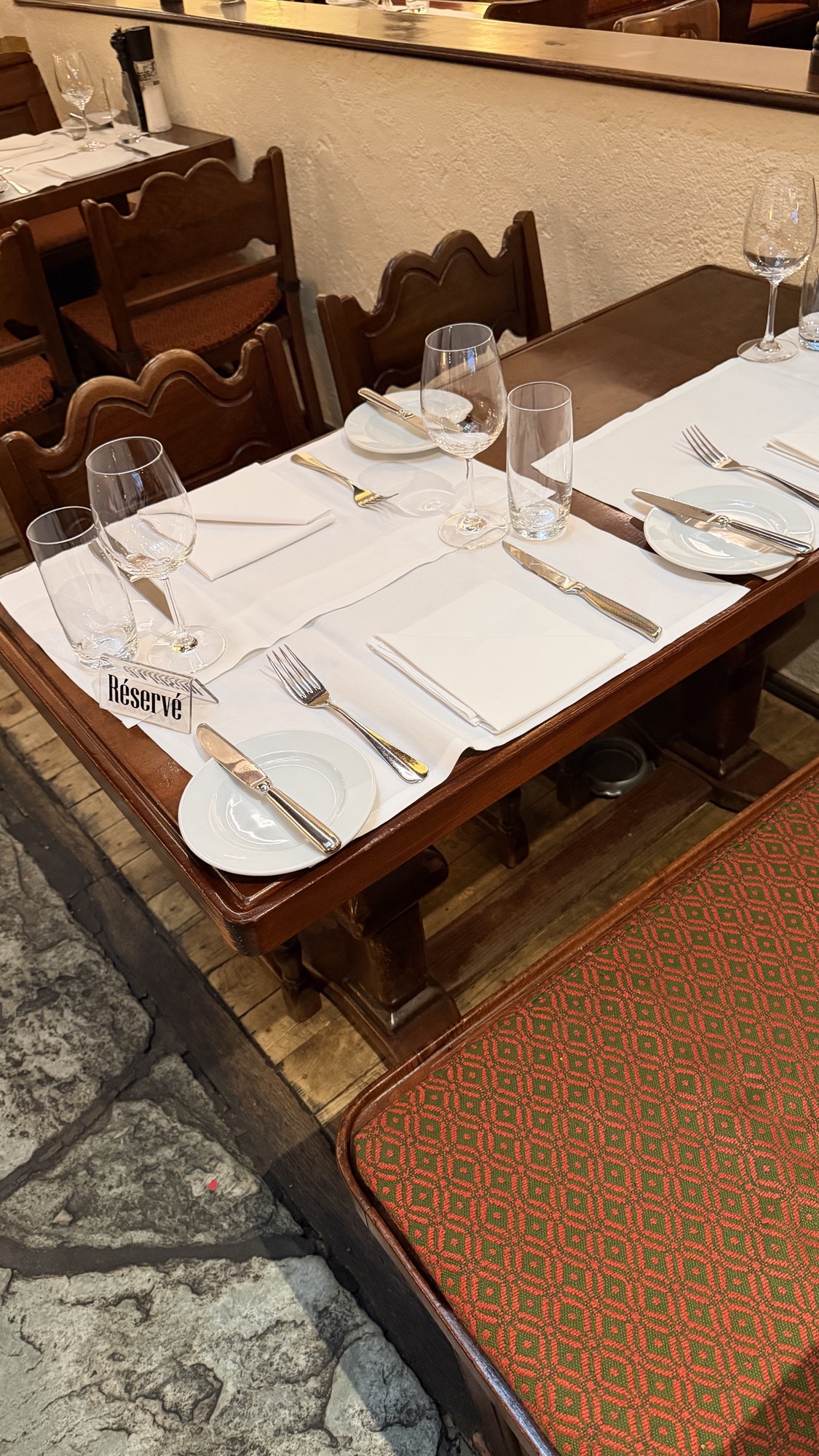
- Nomad Eatery, for contemporary and convivial cuisine;
- MPS Bistro & Bar, a refined option for a quiet dinner within the hotel;
- Chez Jeannot, overlooking the Rhine, ideal for slowing down and observing the city;
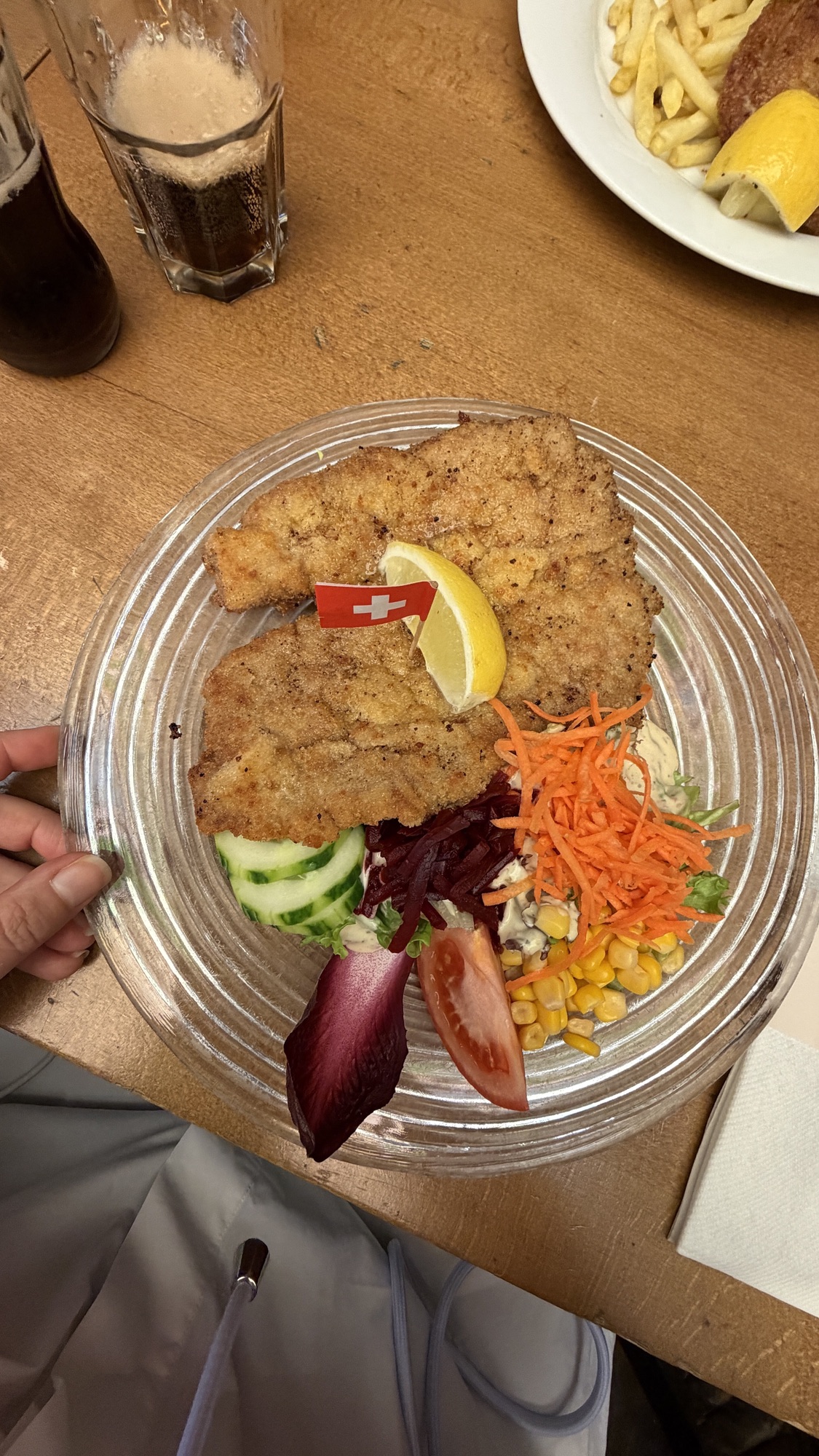
- Restaurant Walliser Kanne, a historic address in the old town, perfect for enjoying traditional Swiss cuisine in an authentic atmosphere.
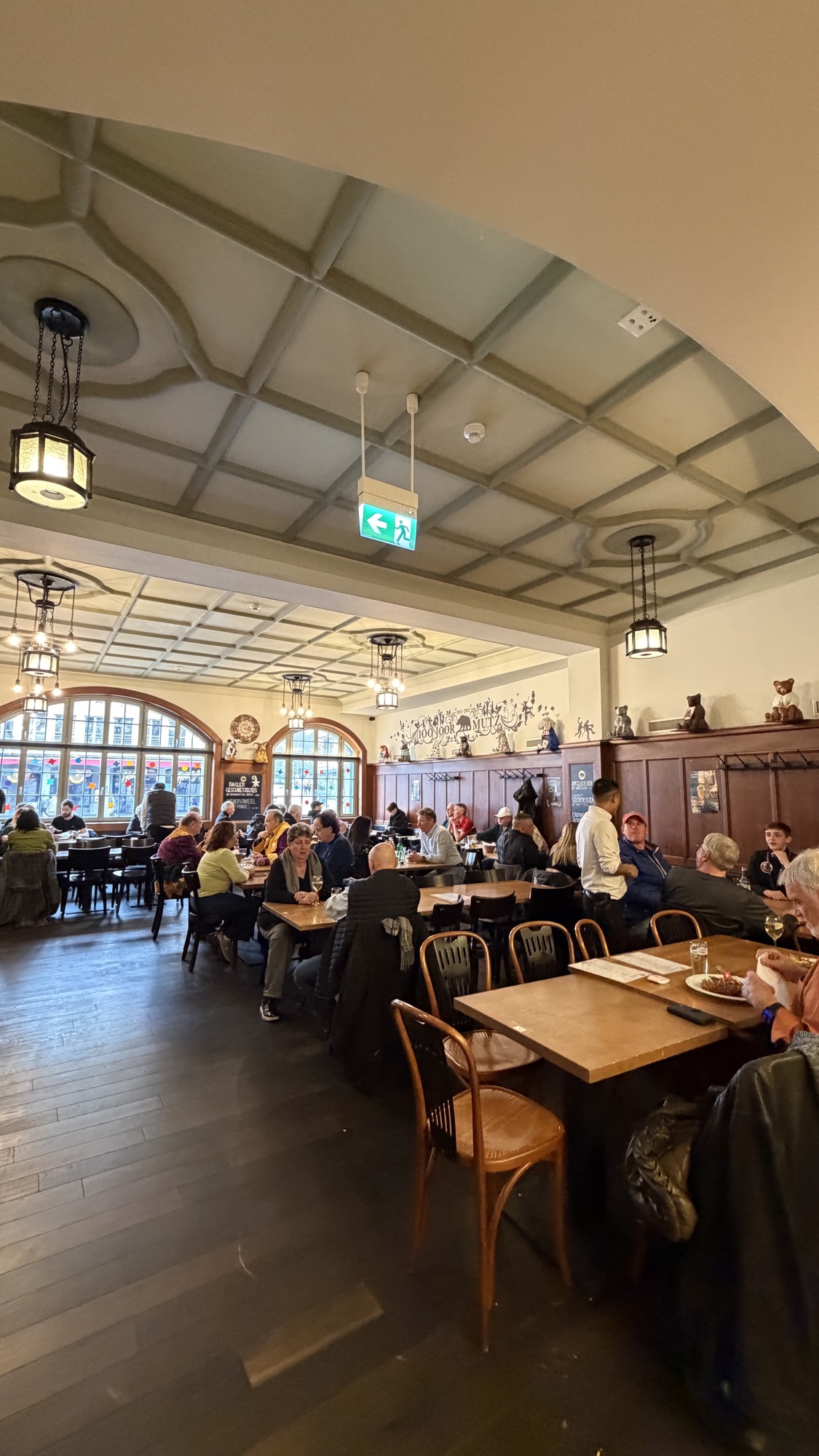
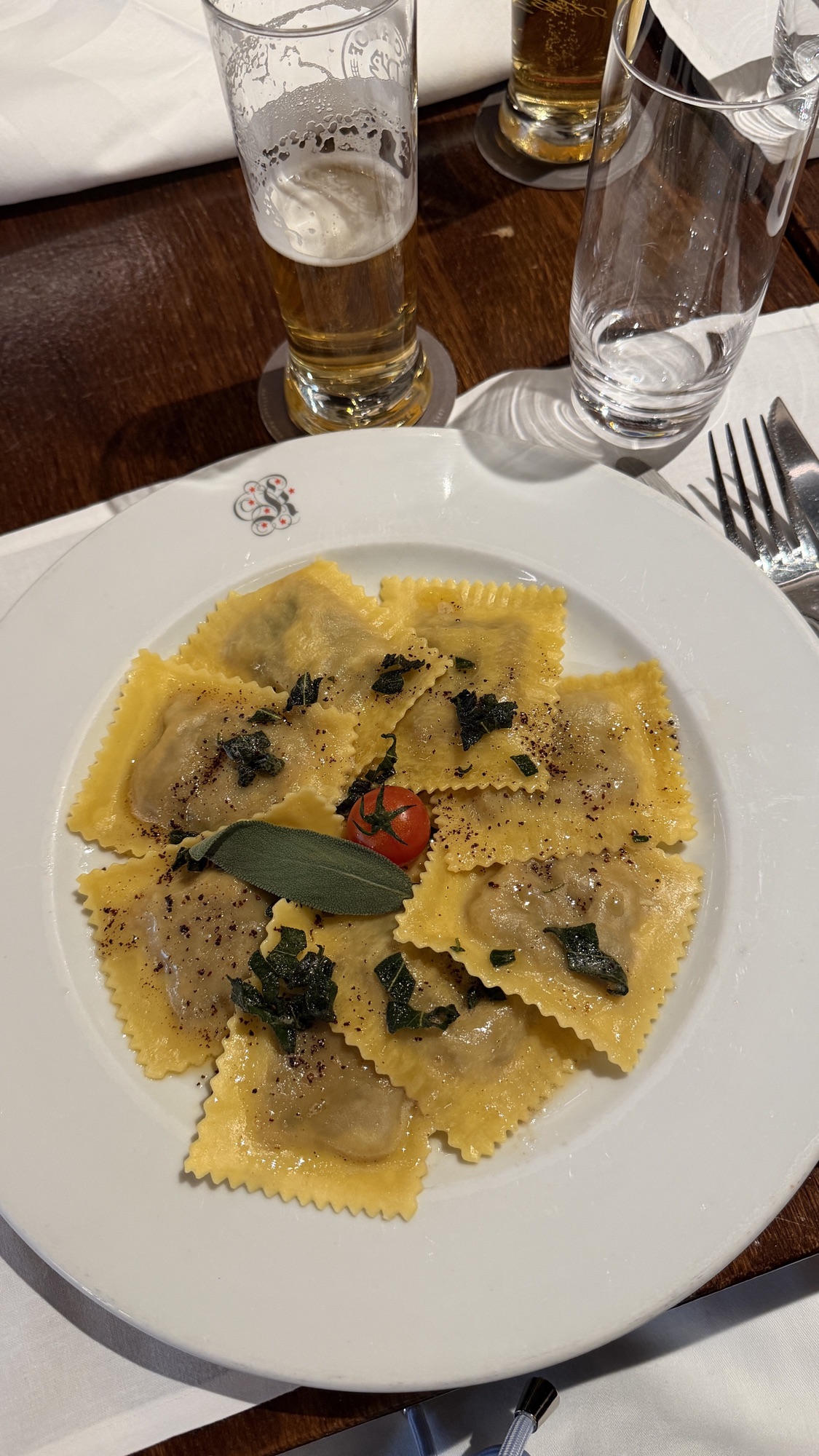
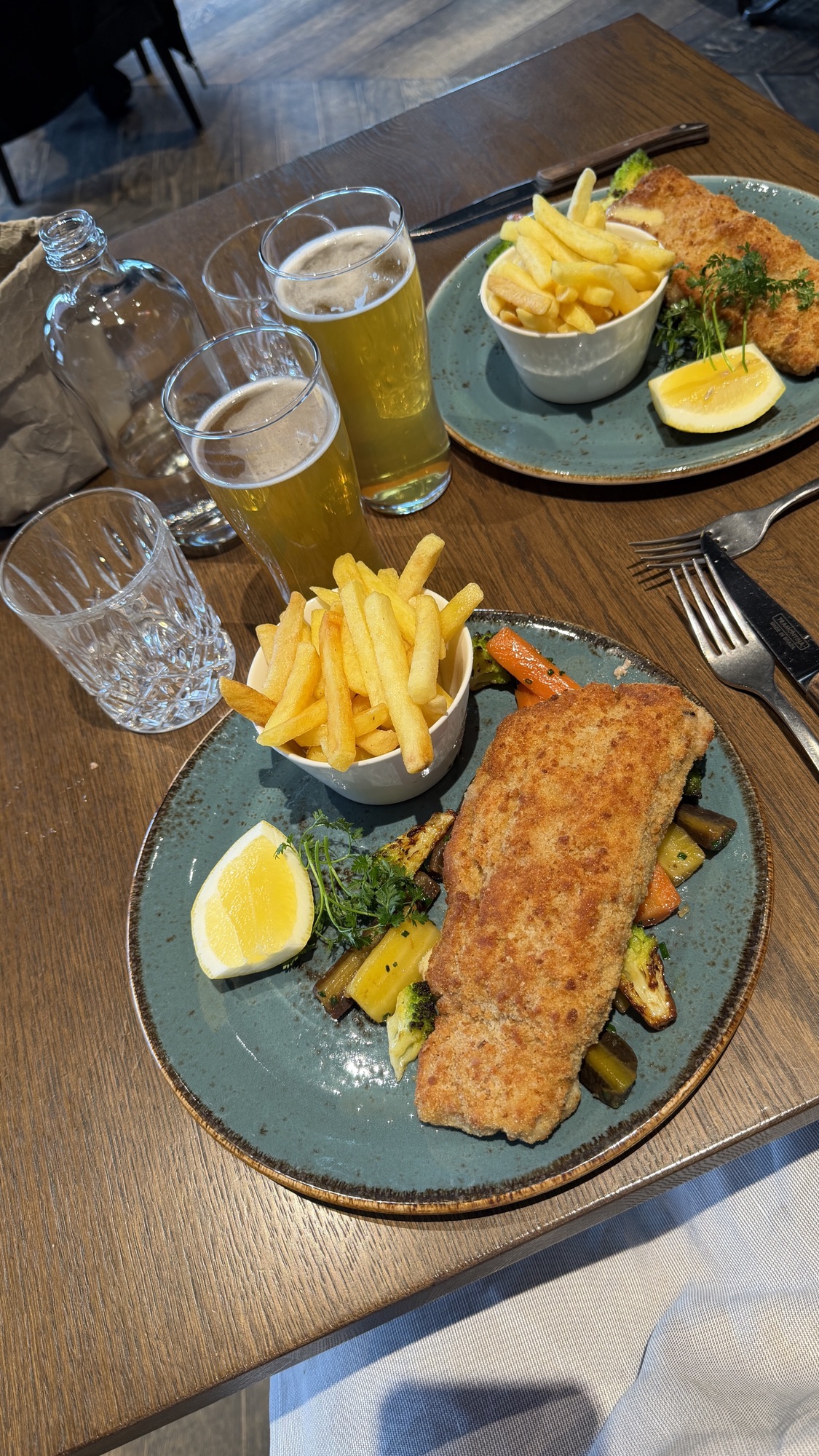
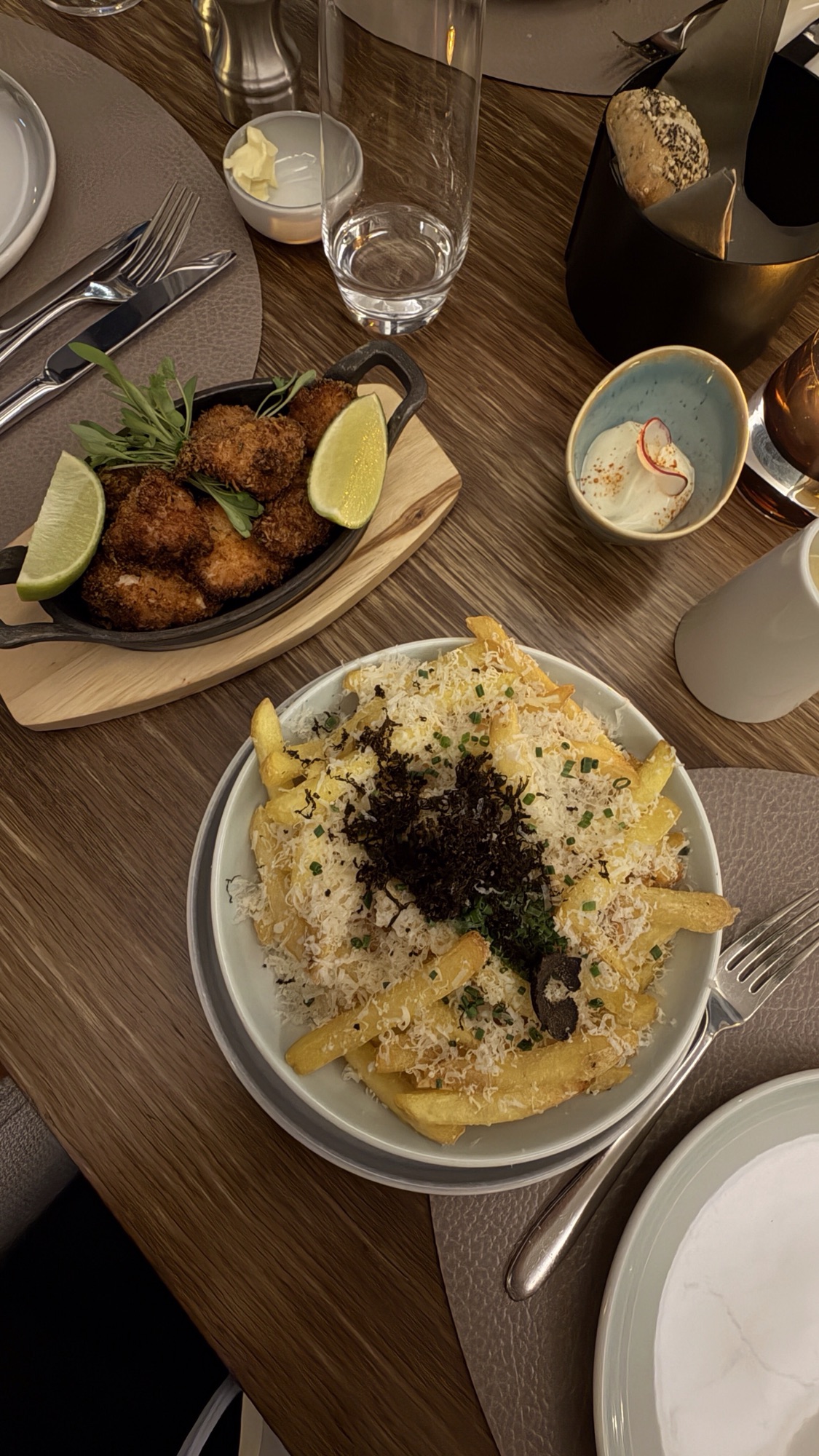
.
Where to stay during Carnival
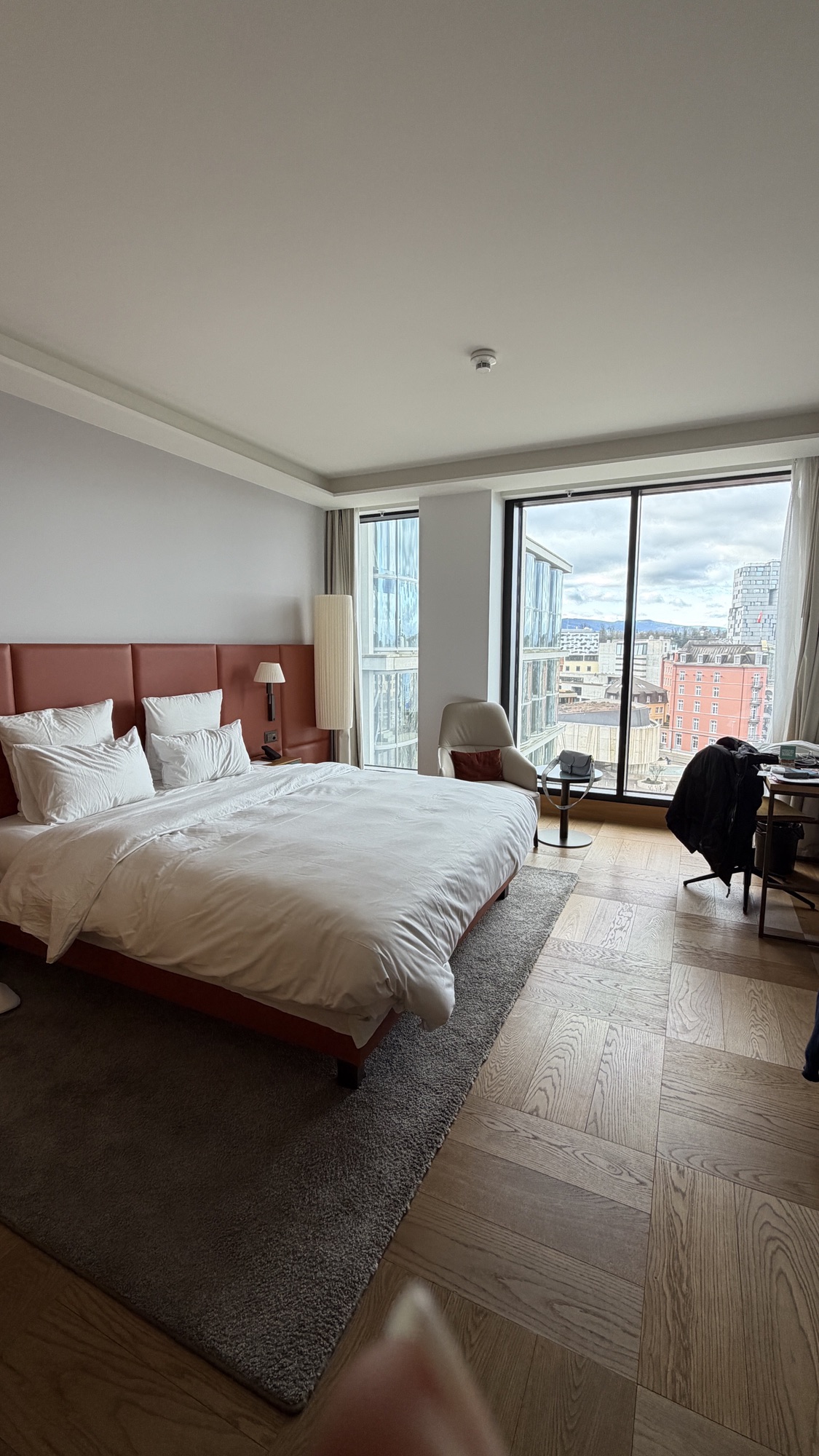
During the Fasnacht, hotel location truly makes a difference. The Mövenpick Hotel Basel is an ideal base: central, well connected, and quiet, it allows easy movement even at night and offers a comfortable place to recover between Carnival moments.
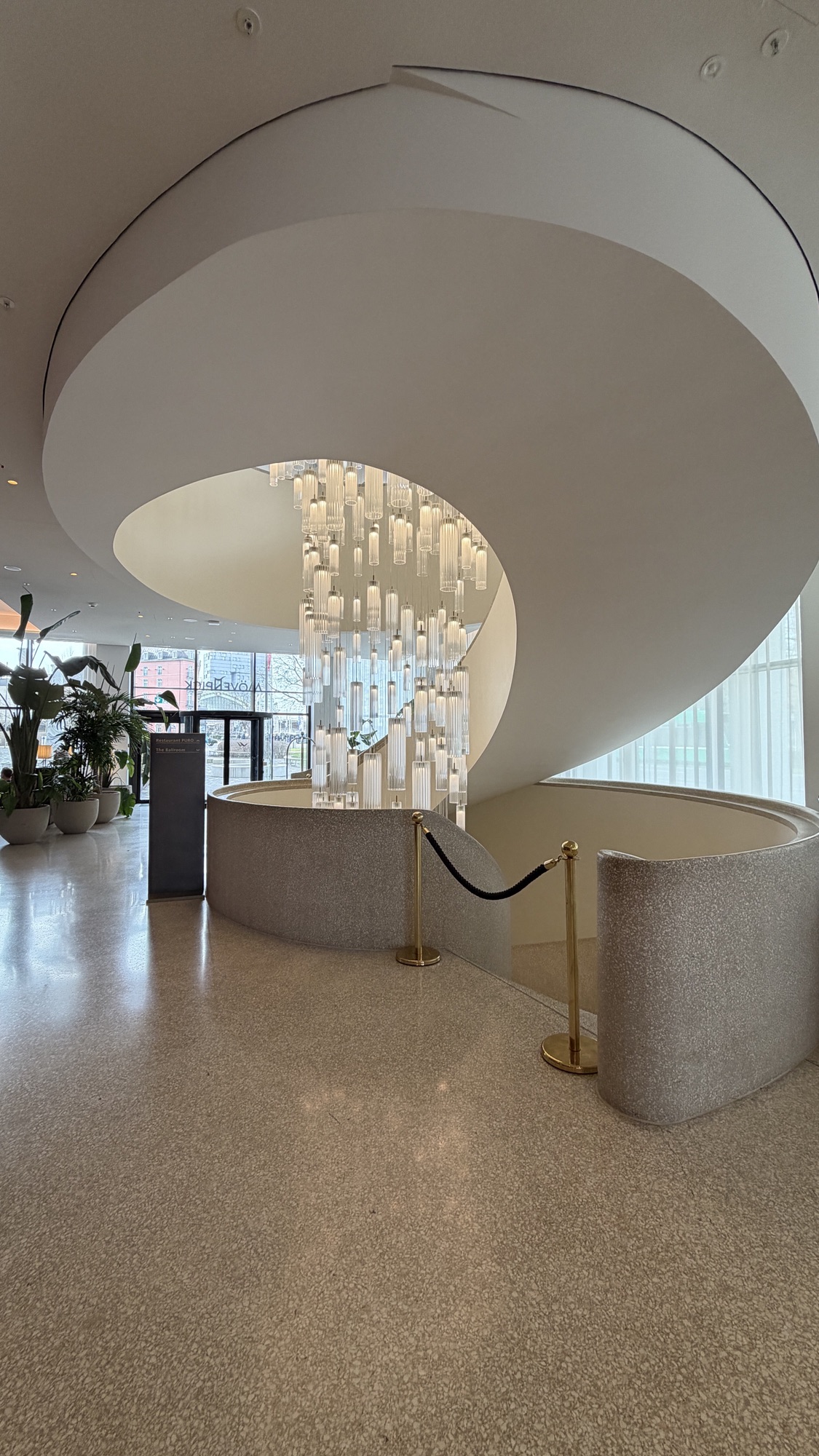
Getting around Basel during Carnival: BaselCard and official app
During their stay, guests receive the BaselCard at hotel check-in. This free guest card allows unlimited travel on all public transport within the city and surrounding area, including night services. The hotel booking confirmation also serves as a ticket for the initial transfer from the train station or airport to the accommodation, making arrival particularly smooth.
During the Fasnacht, when the city centre is lively at all hours, this convenience becomes essential. A useful additional tool is the Basel City Guide, the official Carnival app, which provides an updated programme, interactive maps, information about the cliques, events, and key locations, as well as practical advice on what to do—and what to avoid. It is not essential to consult it constantly, but it helps navigate the three most beautiful days of the city.
.
The Basel Carnival does not impose a single correct way to be experienced. It can be followed, crossed, observed, or simply listened to. It is precisely this openness, combined with an exceptionally strong cultural framework, that makes it one of the most fascinating, authentic, and deeply rooted events in Europe.
.
Images in the text by Laura Renieri, cover image by Salvador Aleguas | All rights reserved