
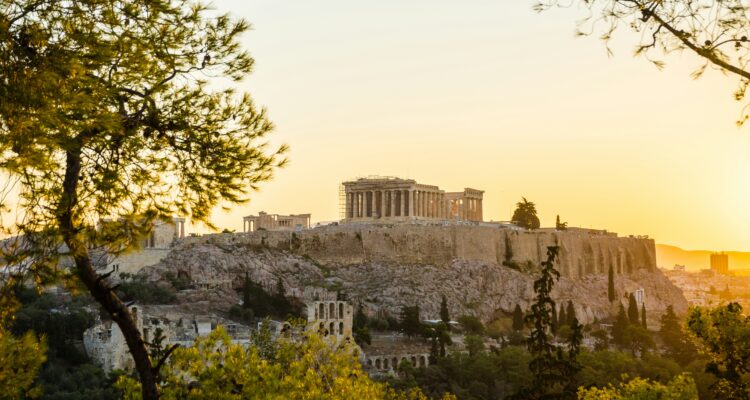
Athens is a layered, imperfect, deeply alive city. It is not a capital to be ticked off a list, but a place to be experienced slowly, allowing time for pauses. In three days, it is possible to build a perfect weekend itinerary in Athens, combining the great symbols of classical antiquity with contemporary museums, authentic neighbourhoods and restaurants that tell the story of modern Greece. This guide is designed for travellers looking for what to see in Athens in 3 days, without sacrificing depth or atmosphere.
.
DAY 1 – The origins of the city
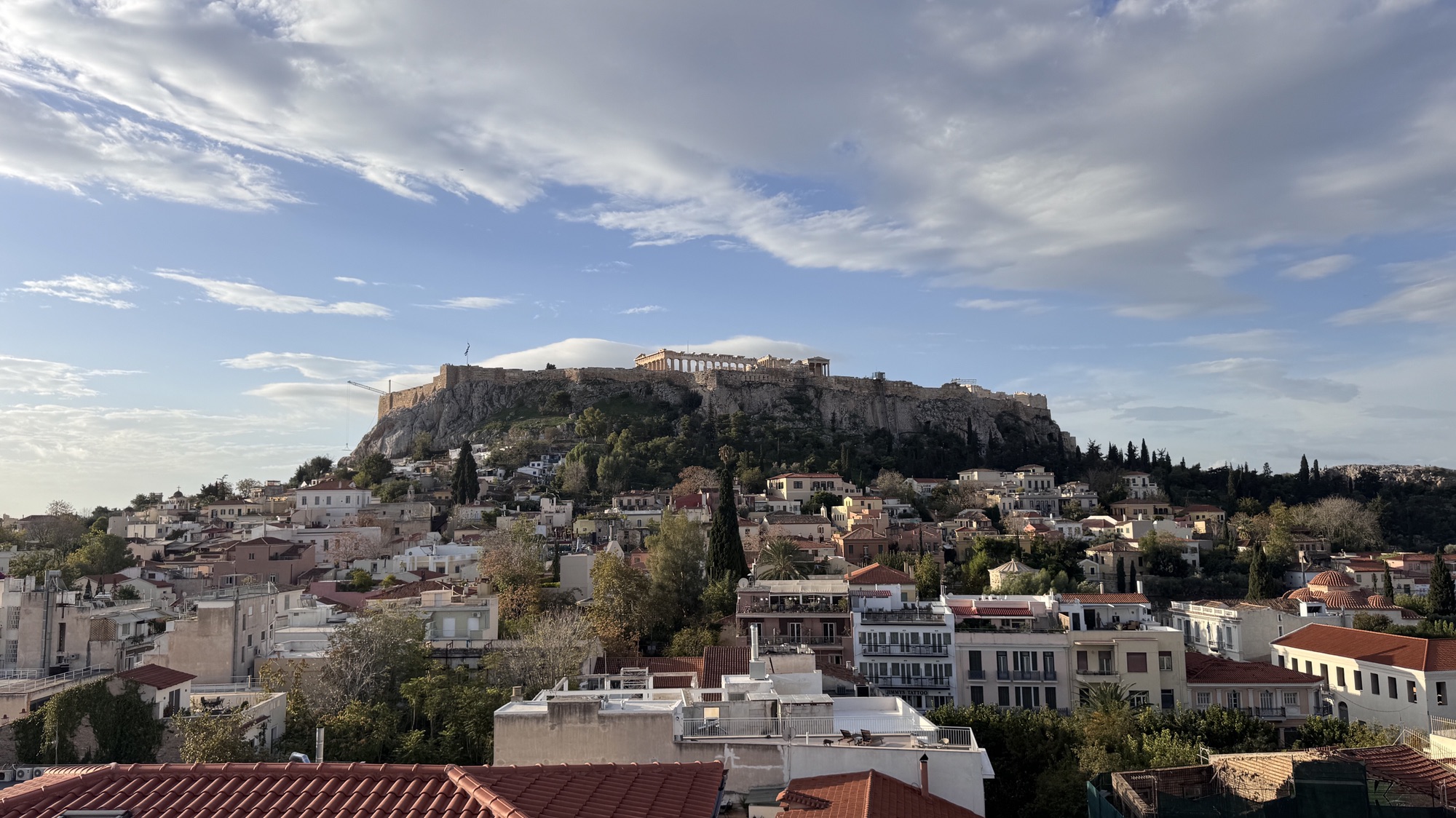
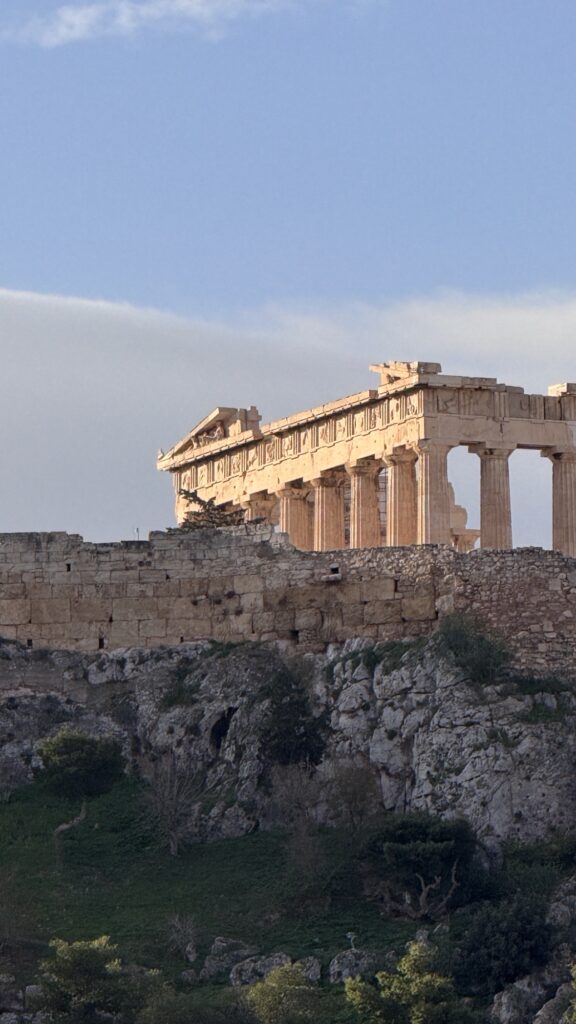
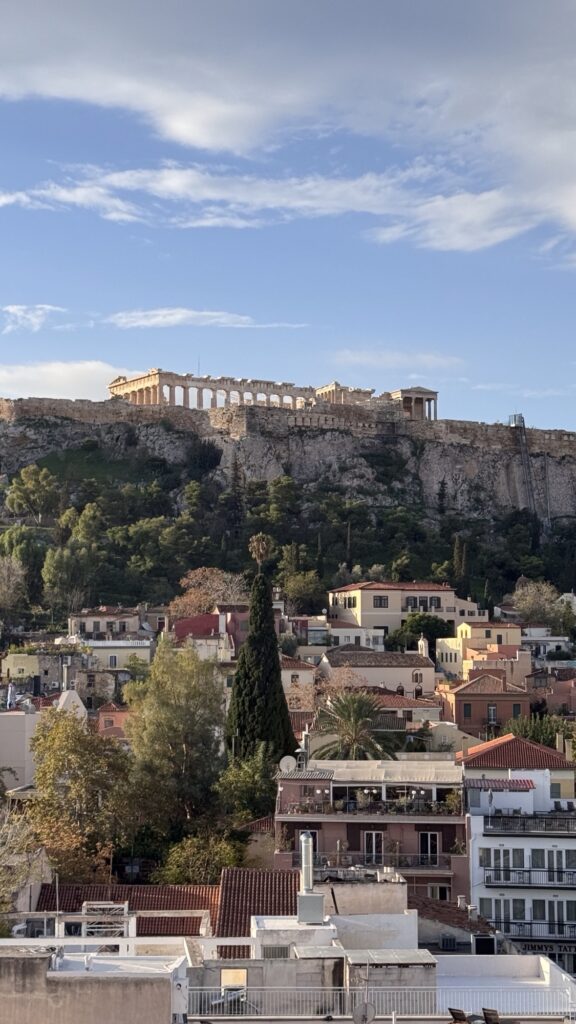
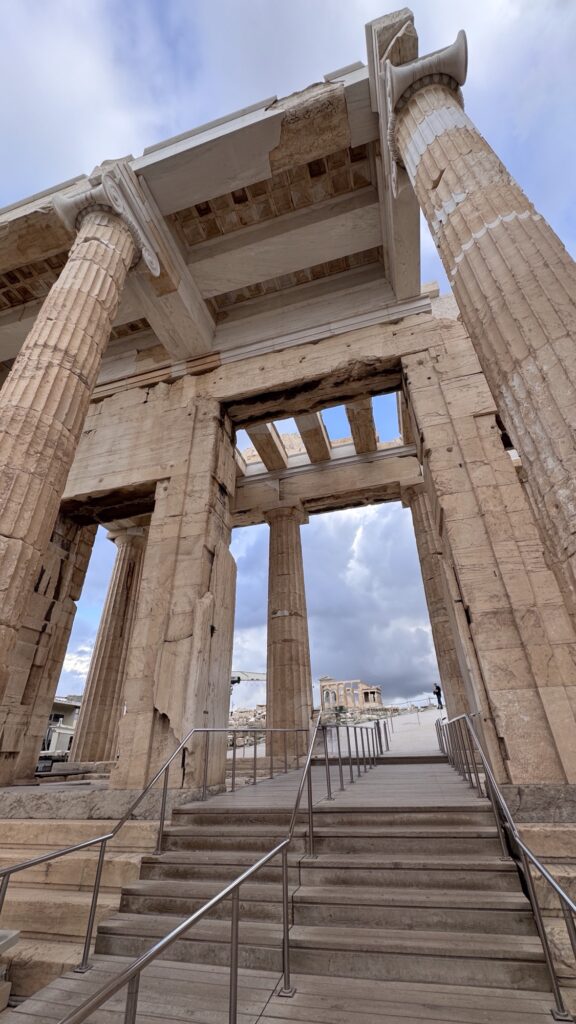
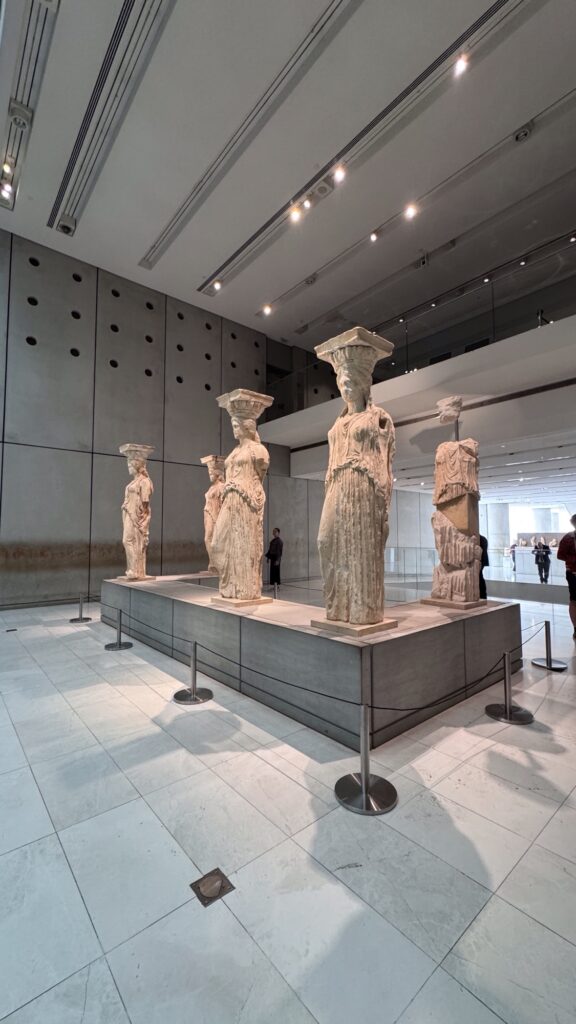
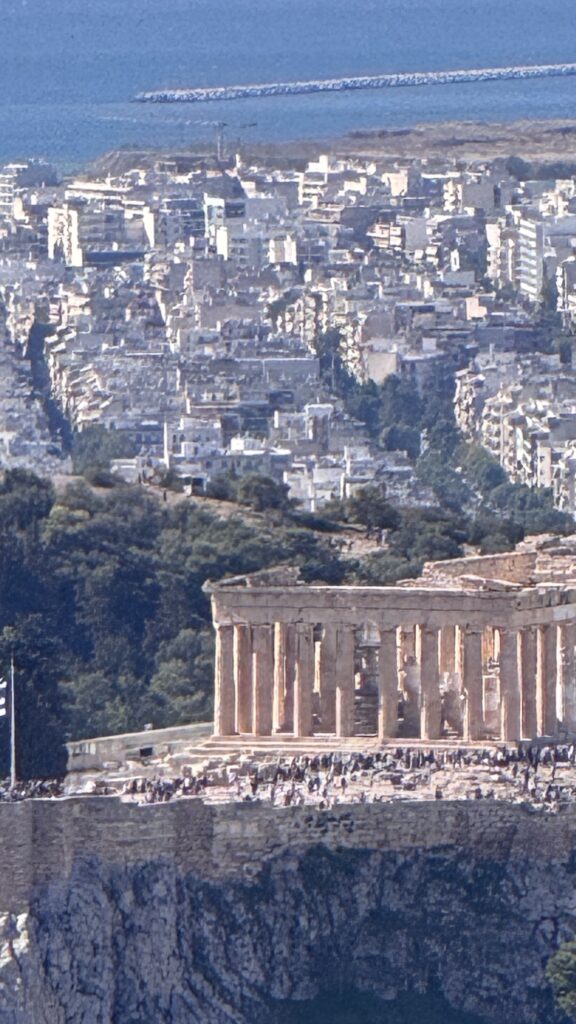
The Acropolis of Athens, a UNESCO World Heritage Site, is where everything begins. Rising 156 metres above sea level, it was the religious heart of the ancient city. The Parthenon, dedicated to Athena Parthenos, is considered the ultimate expression of balance and harmony in classical architecture. The Erechtheion, with its famous Caryatids (now replicas), reveals the symbolic and mythological side of the site. Enter early in the morning or late afternoon to avoid crowds and heat, wear shoes with good grip, and bring water. Access is from Dionysiou Areopagitou.
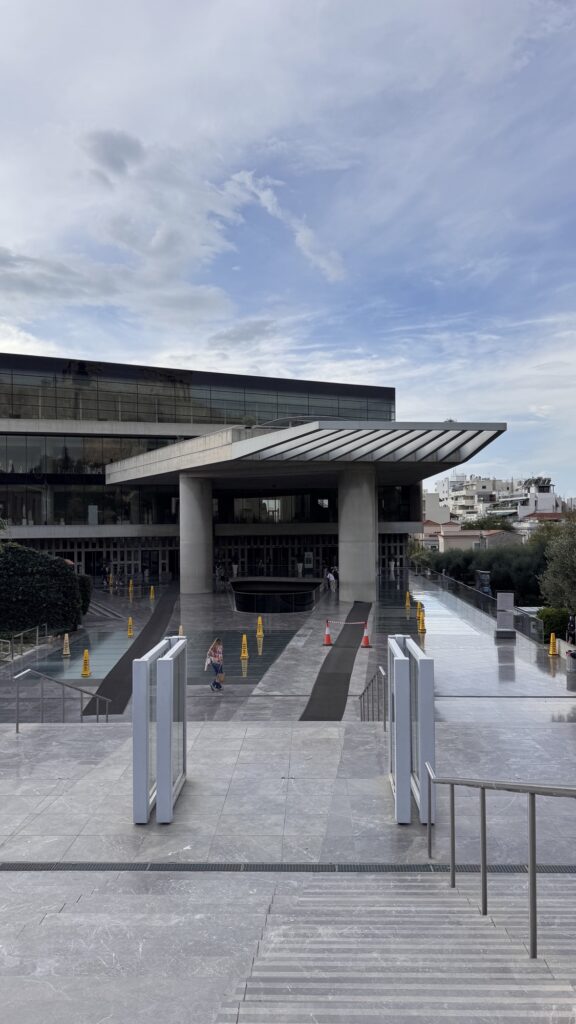
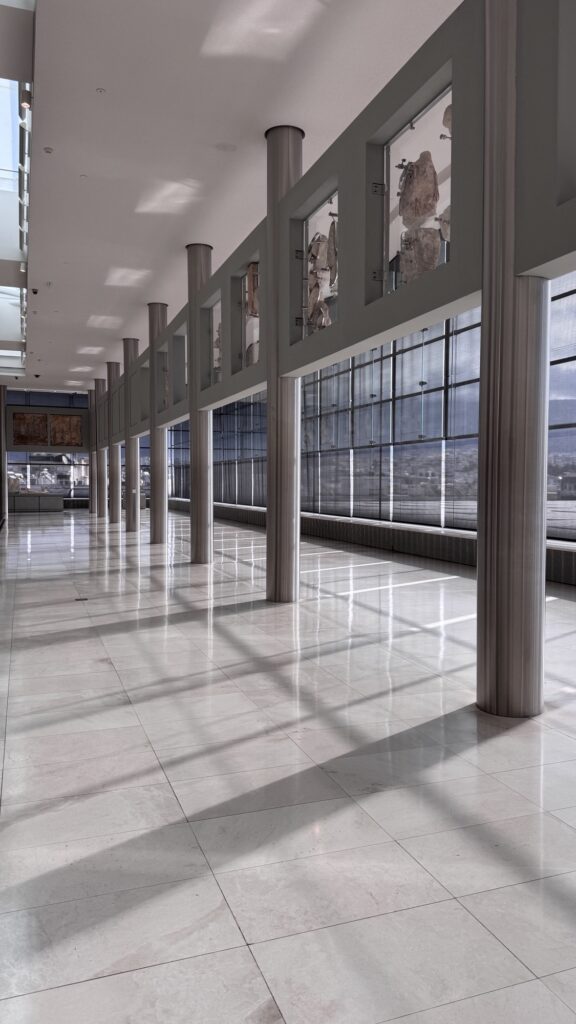
The Acropolis Museum, opened in 2009, completes the experience. With over 4,000 artefacts, its layout follows a clear chronological and thematic path. The top floor, aligned with the Parthenon itself, displays the original narrative sequence of the frieze. The museum is located at Dionysiou Areopagitou 15 and includes a panoramic café.
For a break, Little Tree Books & Coffee represents contemporary Athens at its most intimate. An independent bookshop and café loved by locals, perfect for a slow pause with homemade cakes. Address: Kavalloti 2, Psirri.
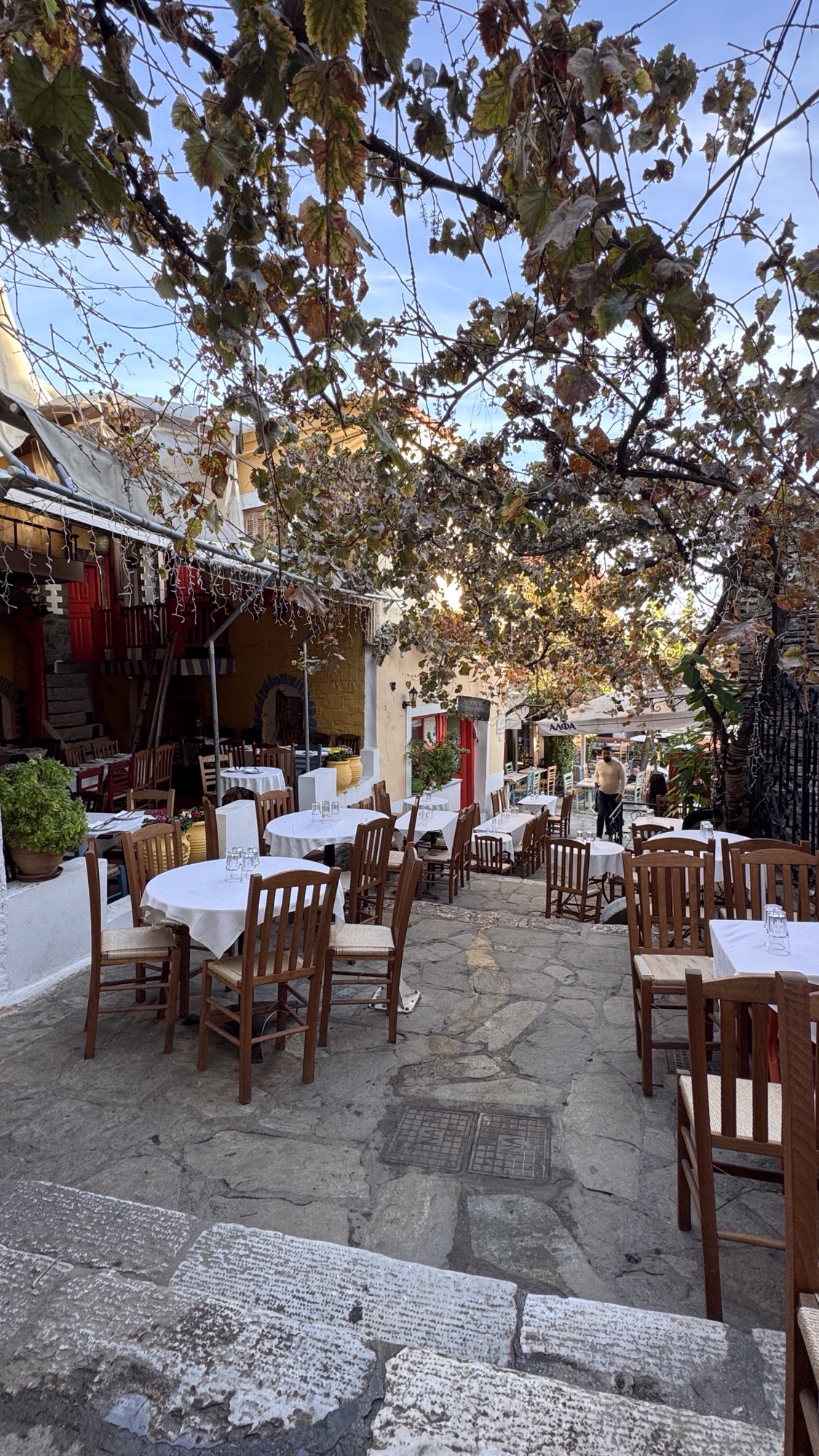
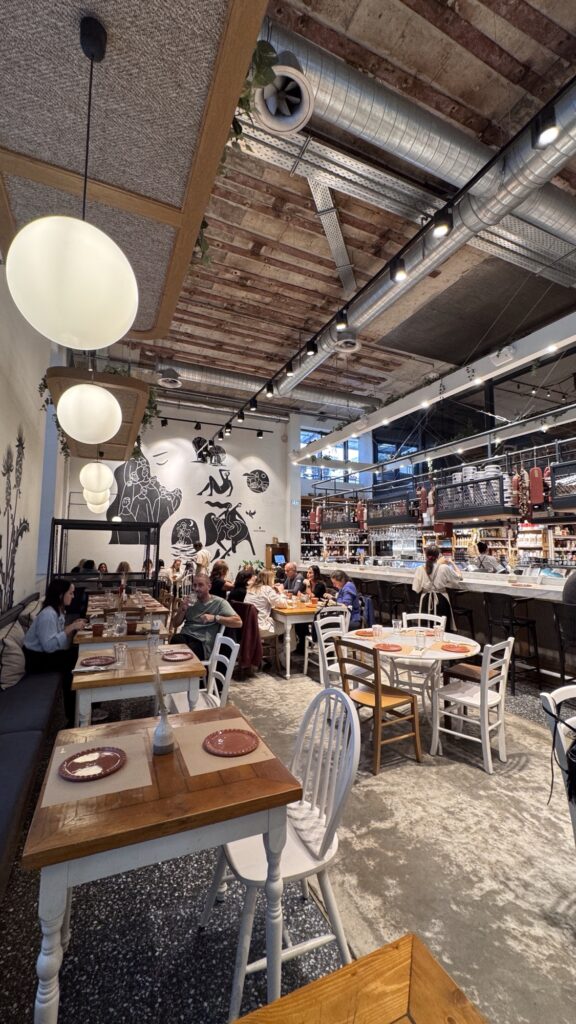
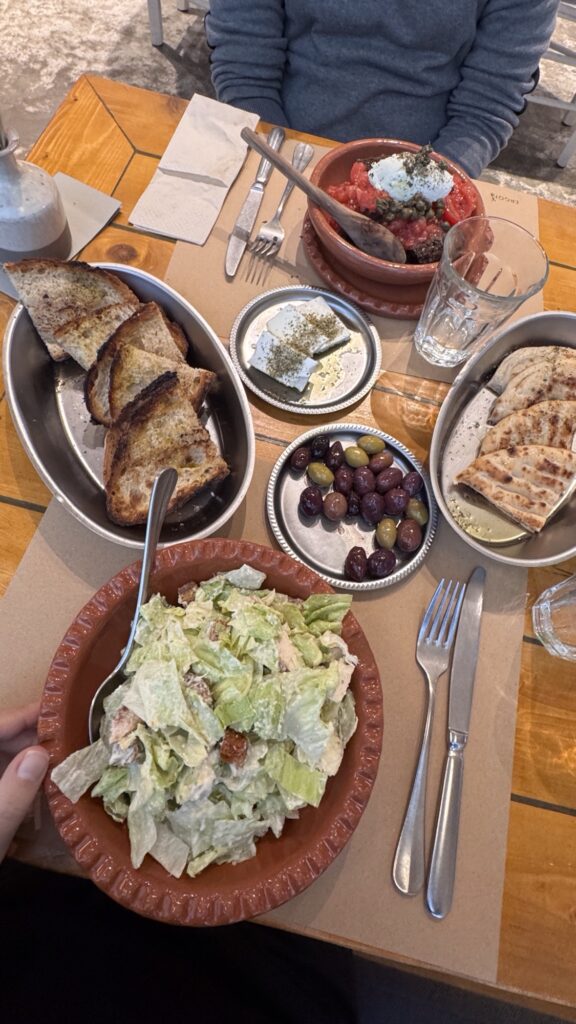
For lunch, The Old Tavern of Psarras, at Erechtheos 16 in Plaka, is one of the city’s oldest tavernas, serving classic Greek dishes such as moussaka and souvlaki in a timeless setting. Ergon House, at Mitropoleos 23, offers a more modern take, celebrating Greek producers and ingredients.
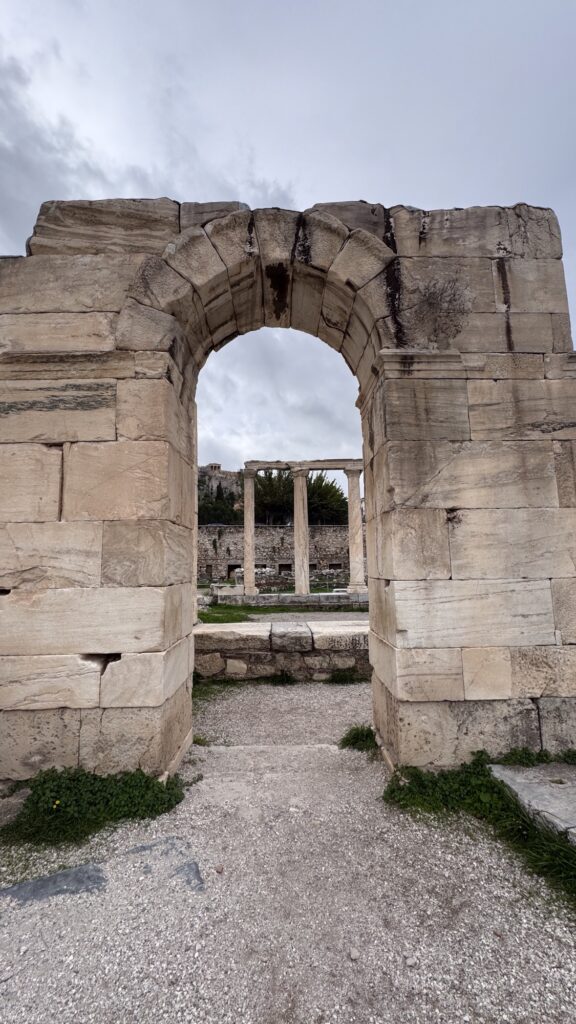
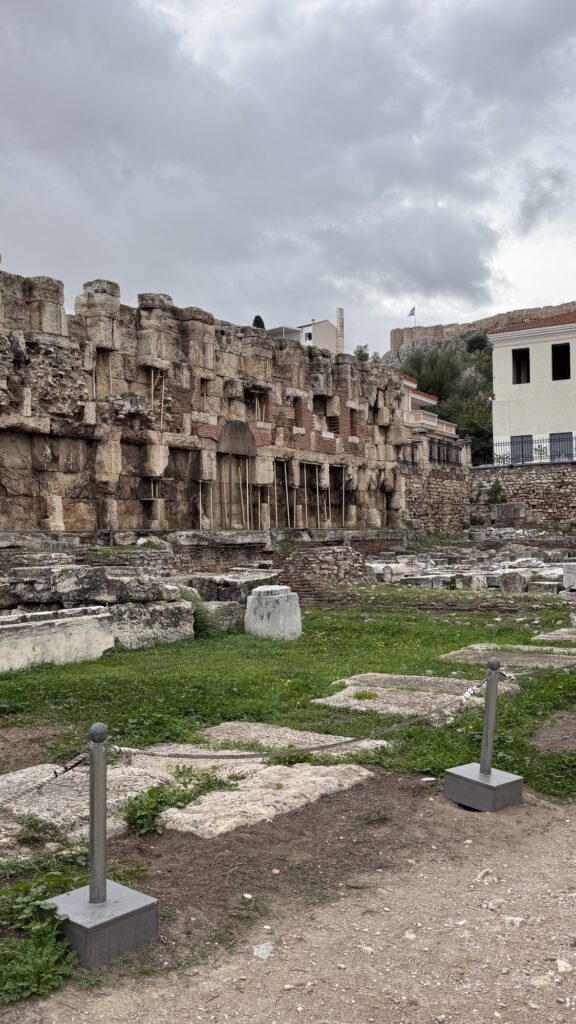
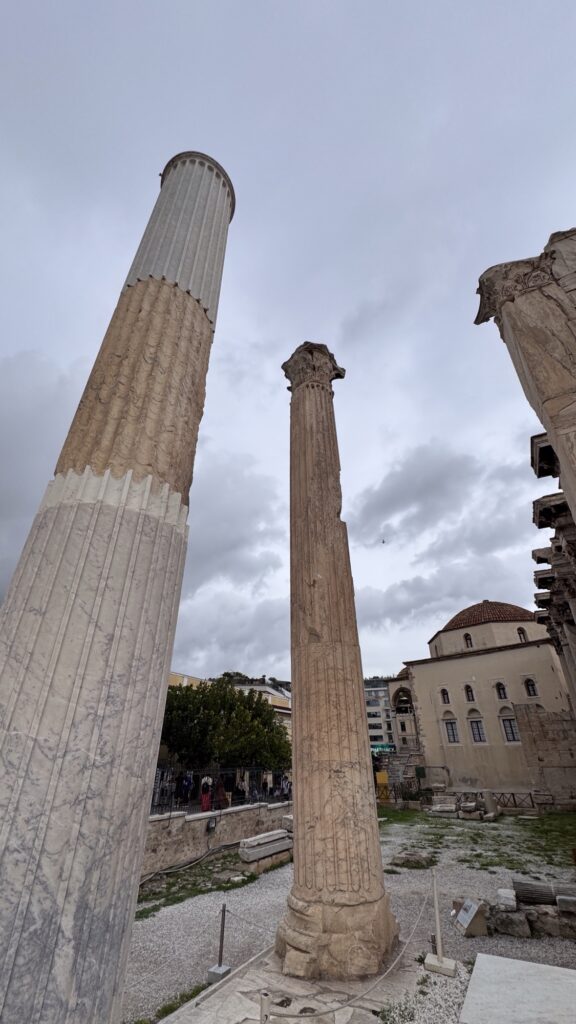
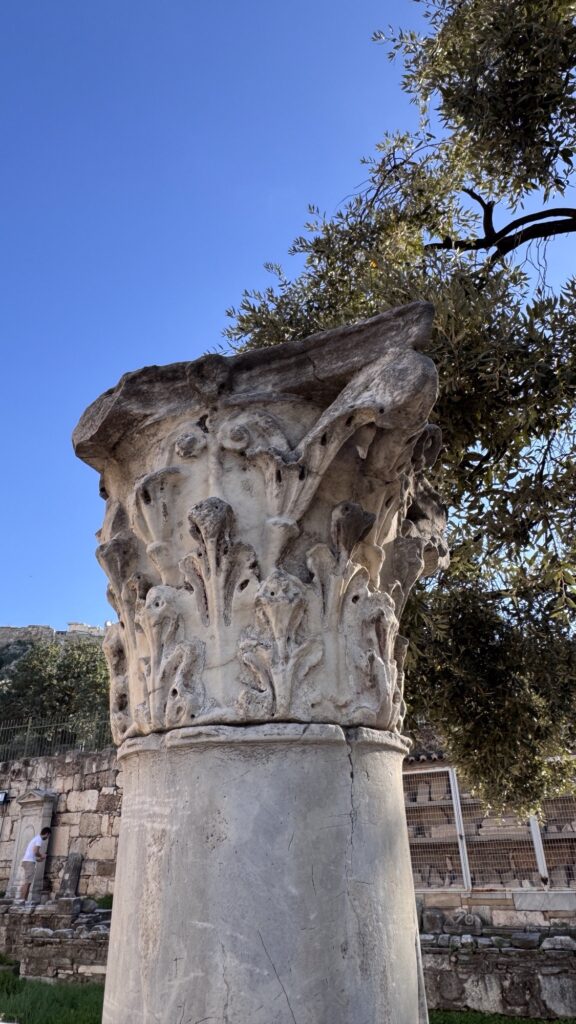
In the afternoon, visit the Library of Hadrian, built in 132 AD by the Roman emperor Hadrian. More than a library, it was a cultural complex with courtyards, lecture halls and gardens. It is located at Areos 3, in the Monastiraki area.
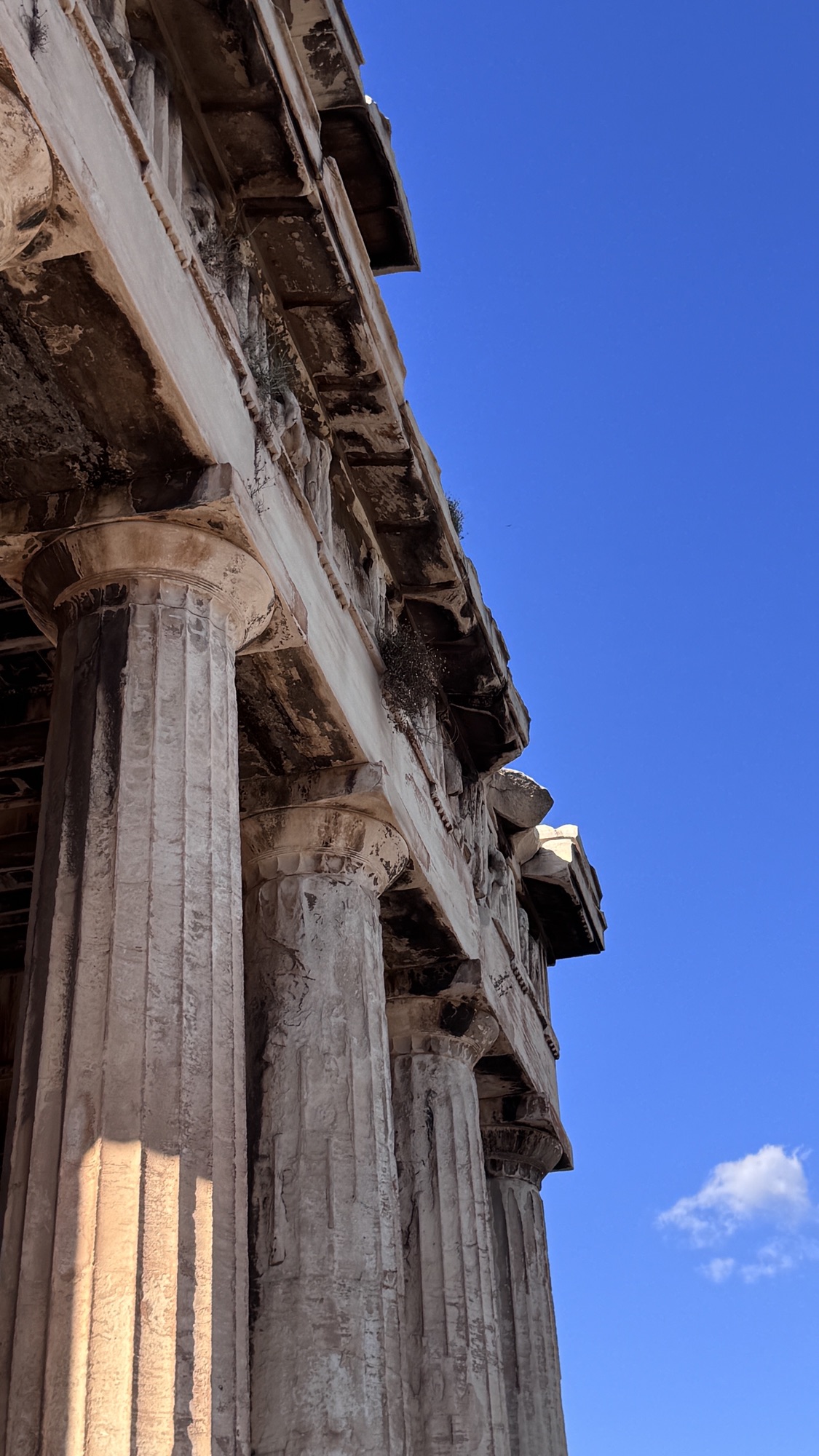
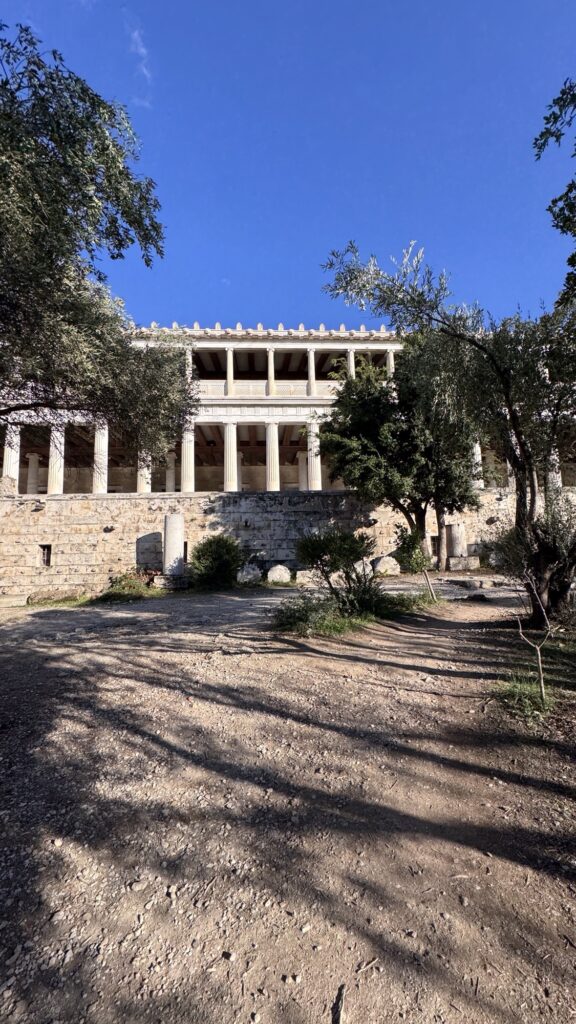
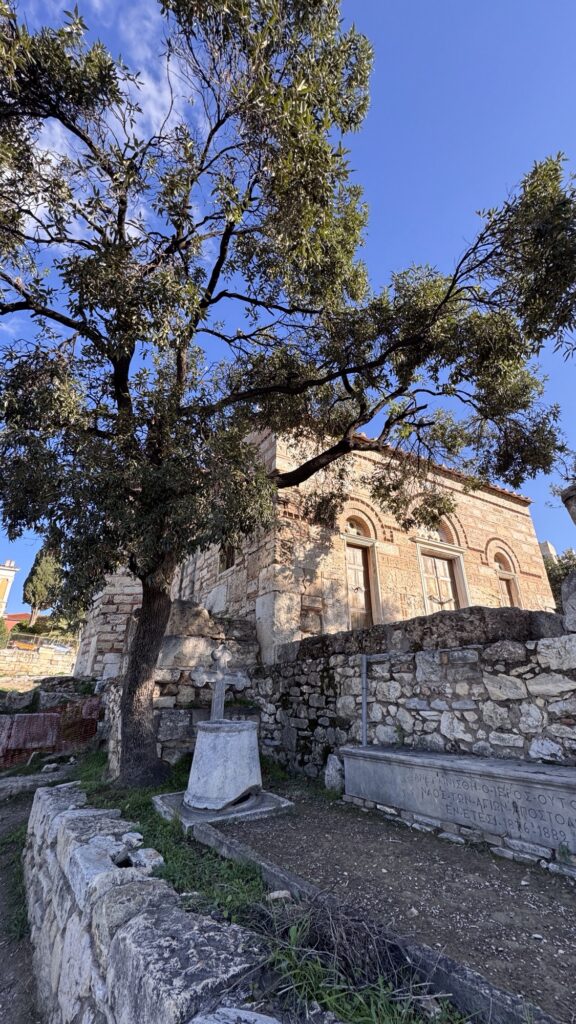
The Ancient Agora was the political, social and philosophical centre of ancient Athens. This is where democracy took shape and public debate thrived. Do not miss the Temple of Hephaestus, one of the best-preserved temples in Greece, and the Stoa of Attalos, now home to the Agora Museum. Entrance is at Adrianou 24. Late afternoon light is particularly atmospheric.
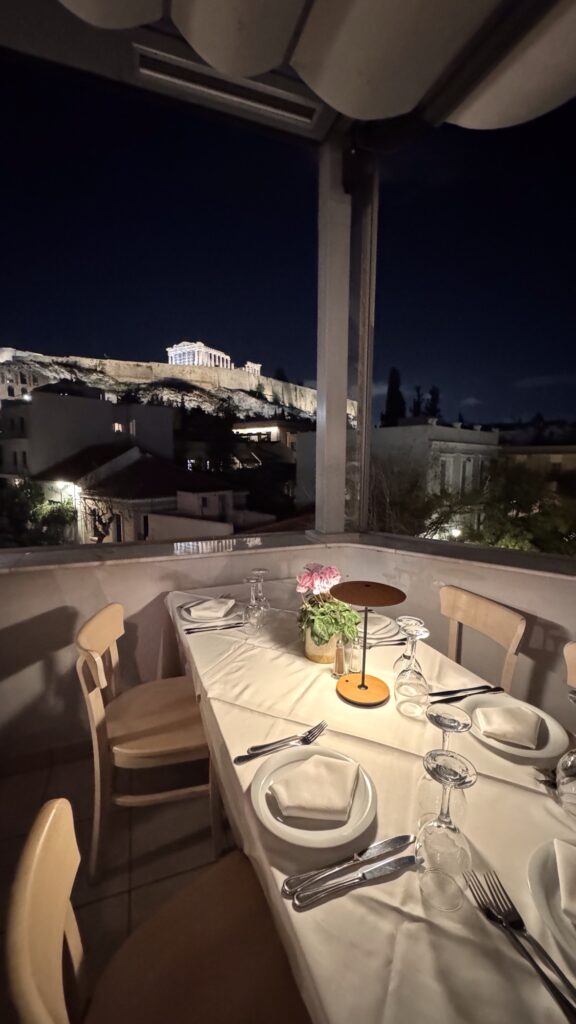
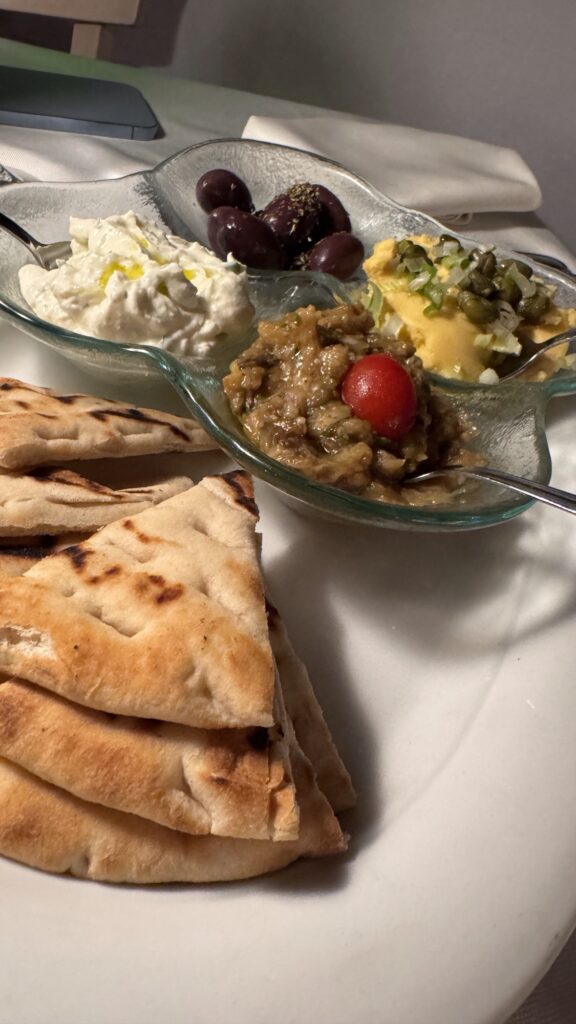
For dinner, Strofi, at Rovertou Galli 25, is ideal for a first evening, with direct views of the illuminated Acropolis. Symposio Resto Bar, at Tripodon 7, offers a more relaxed setting, traditional dishes and, on some evenings, live music.
.
DAY 2 – Green spaces and contemporary Athens
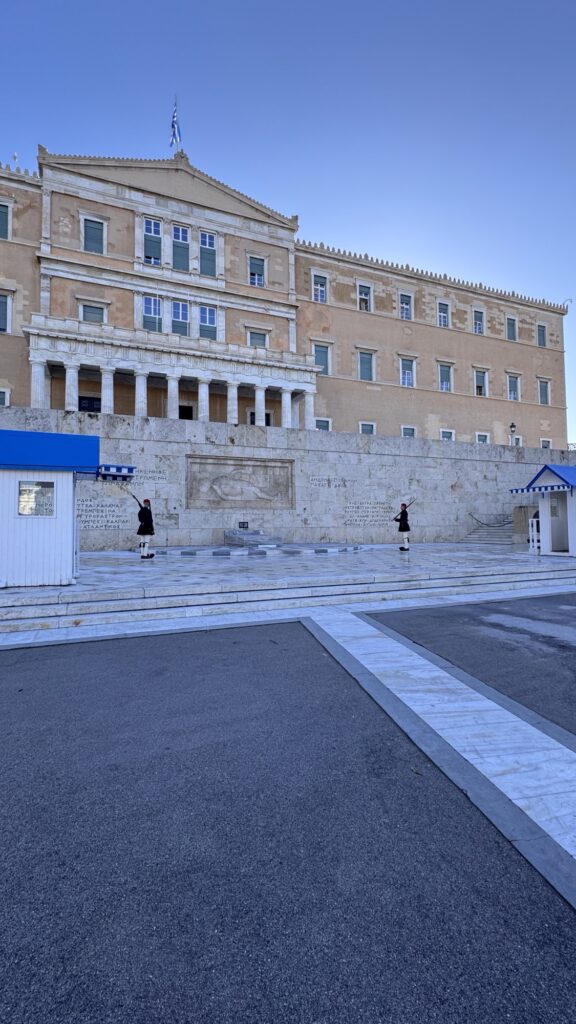
Start the day at Syntagma Square, the institutional heart of the city. The changing of the guard in front of the Hellenic Parliament takes place every hour, while the most elaborate ceremony happens on Sundays at 11:00.
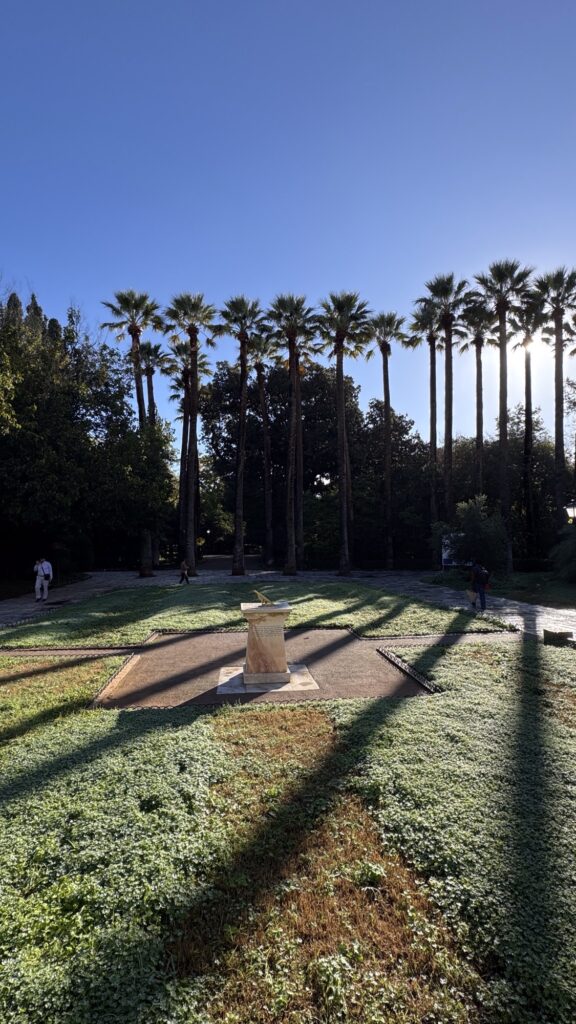
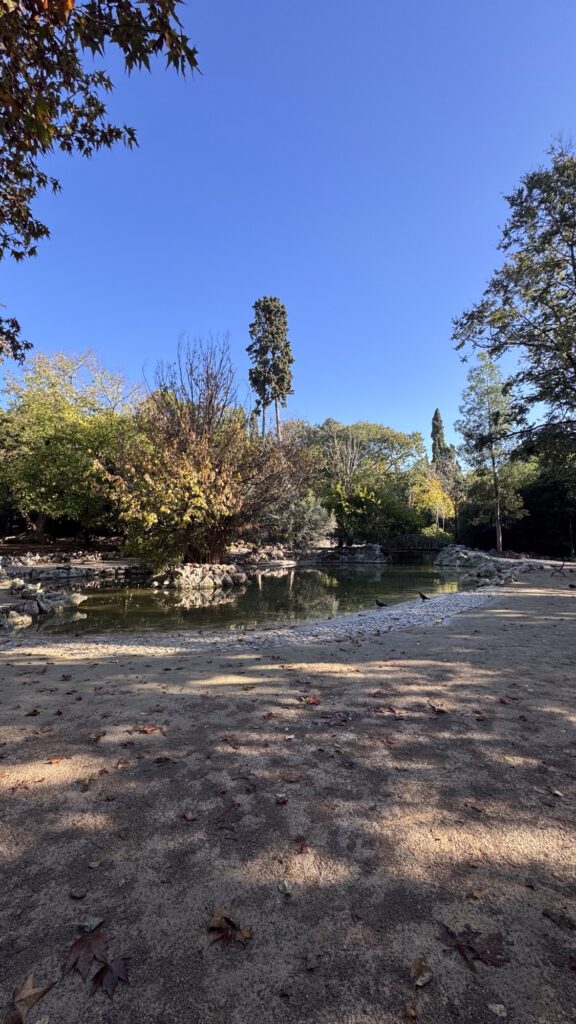
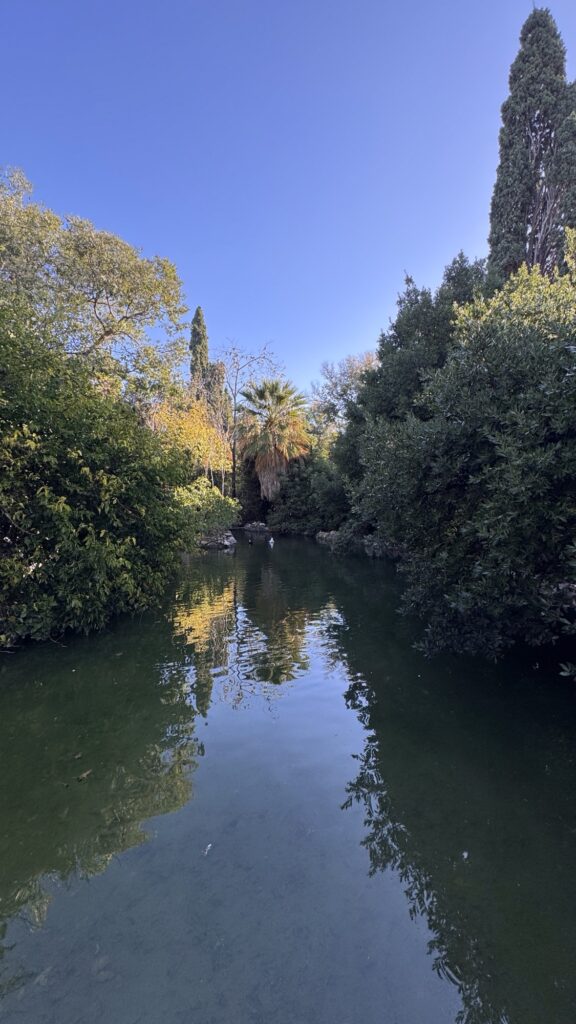
Adjacent to the square, the National Garden is a historic park designed in the 19th century. It offers shaded paths, archaeological remains and a welcome sense of calm in the city centre. The main entrance is on Vasilissis Amalias Avenue.
For lunch, choose a taverna in Plaka or Kolonaki to stay central while enjoying an informal, quality meal.
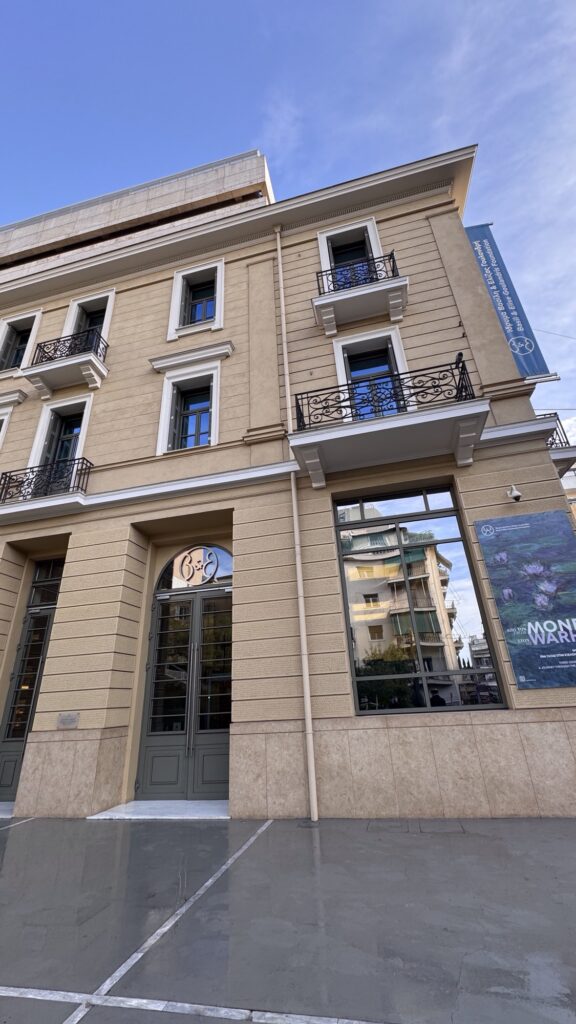
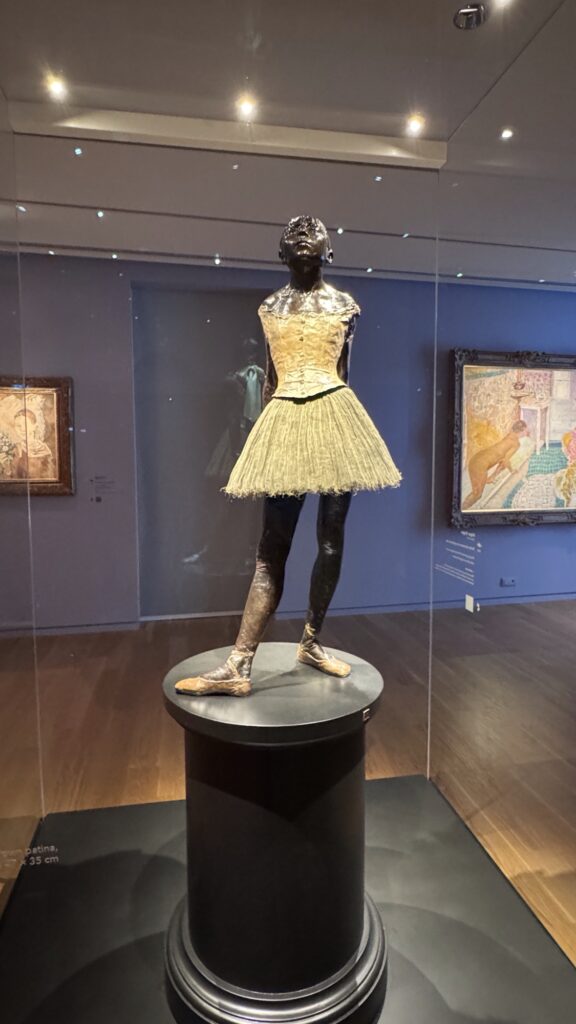
In the afternoon, the Basil & Elise Goulandris Foundation provides a different cultural perspective. Its collection includes works by Picasso, Van Gogh, Degas and Bacon, alongside important Greek modern artists. The museum is located at Eratosthenous 13, in the Pangrati district, a refined residential neighbourhood.
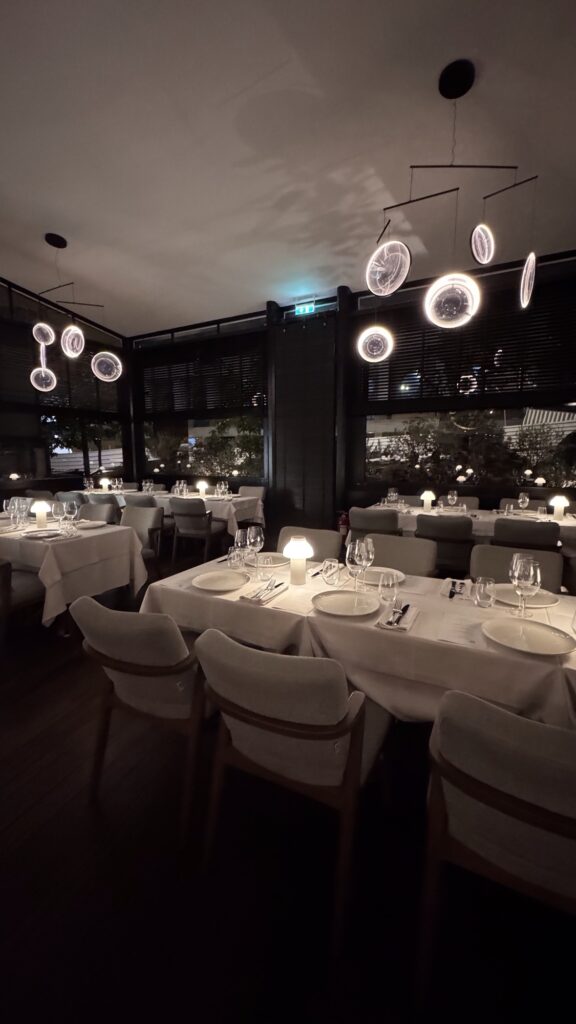
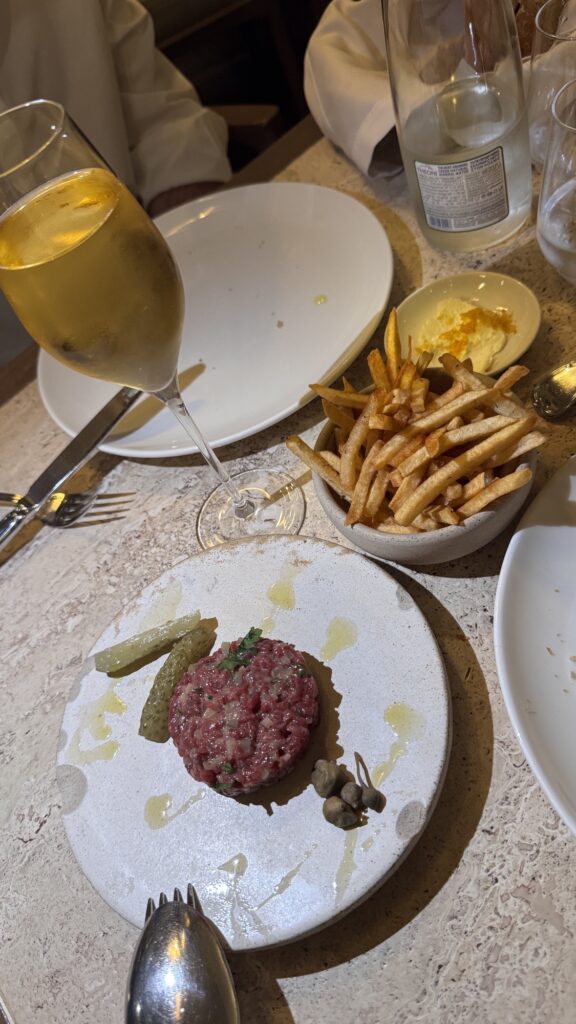
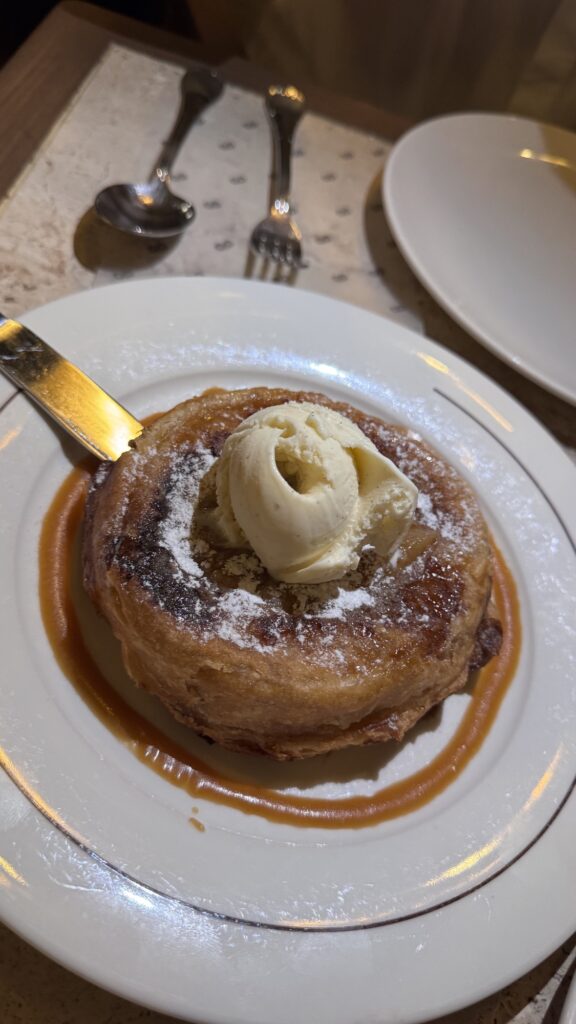
Dinner is at Cookoovaya, at Chatzigianni Mexi 2, one of Athens’ most highly regarded restaurants for contemporary Greek cuisine, built around seasonality and local ingredients. Reservations are strongly recommended.
.
DAY 3 – Panoramas and classical landmarks
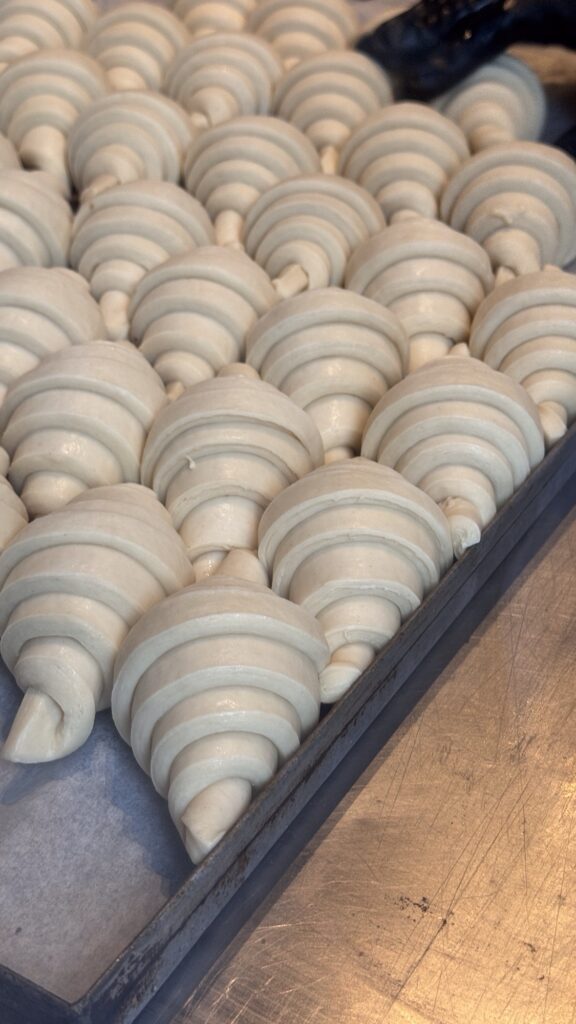
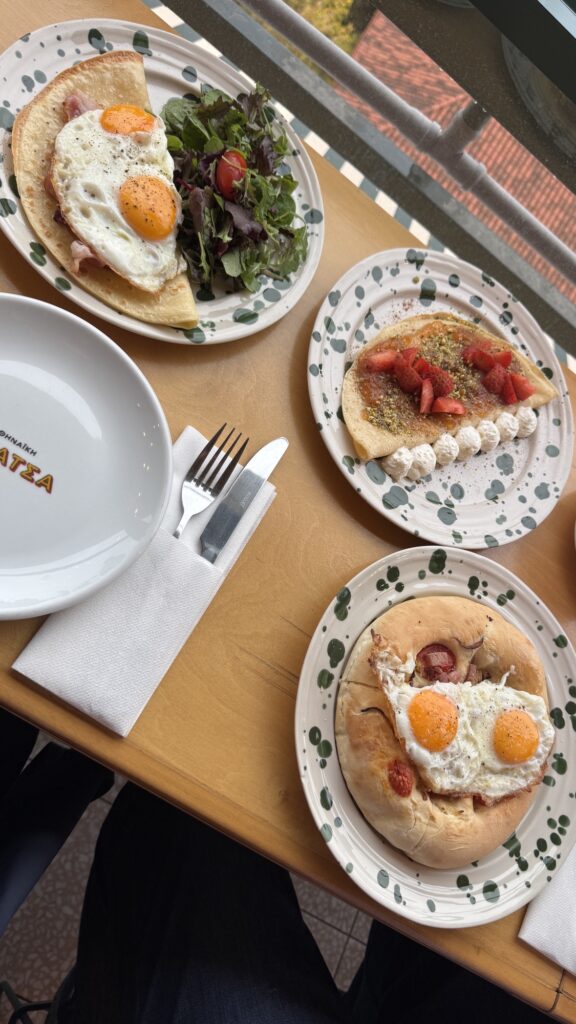
Breakfast at 72H Artisanal Bakery, at Markou Mpotsari 1, is a local ritual. The bread is made using long fermentation processes of up to 72 hours, resulting in lighter, more digestible products.
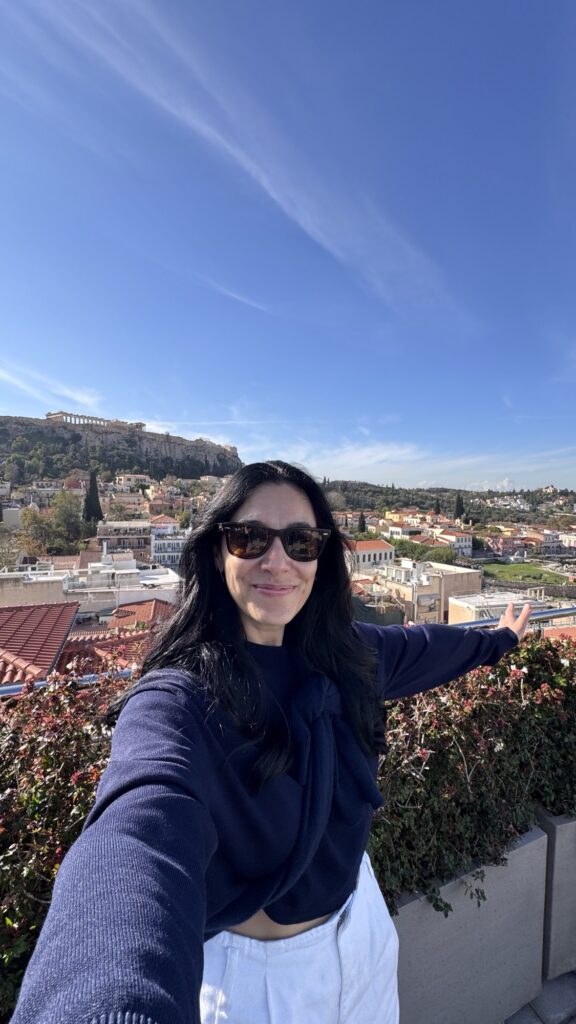
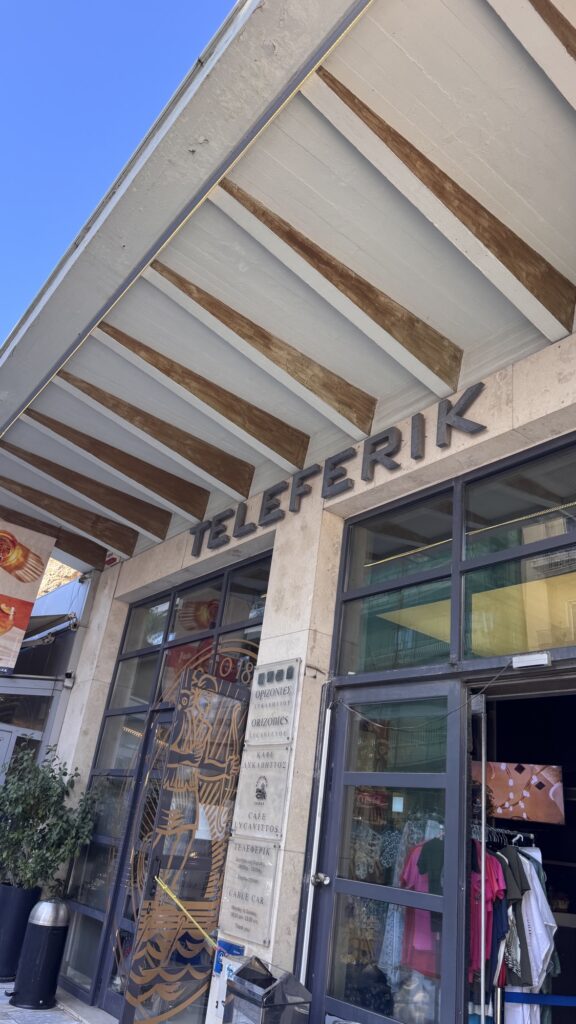
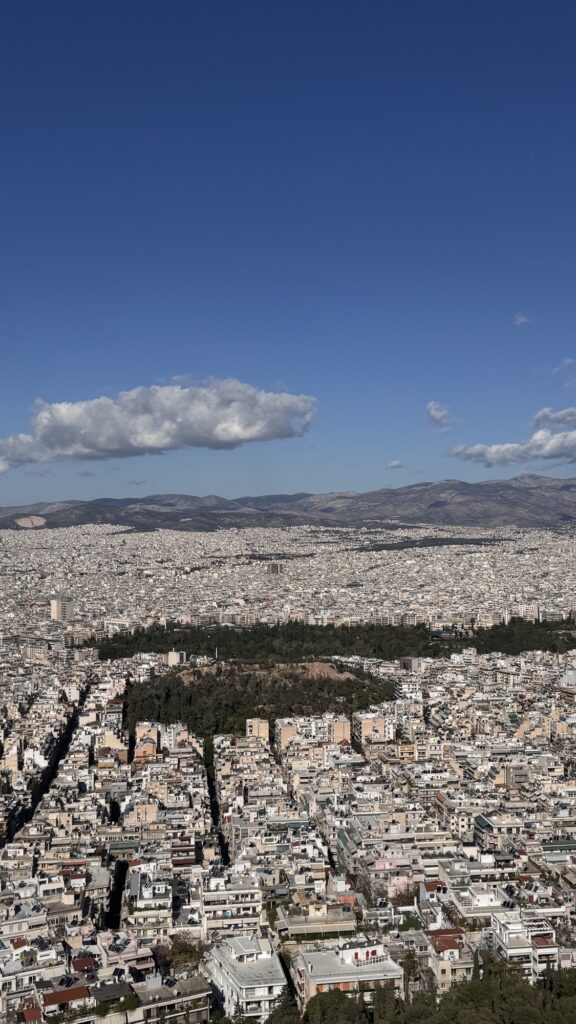
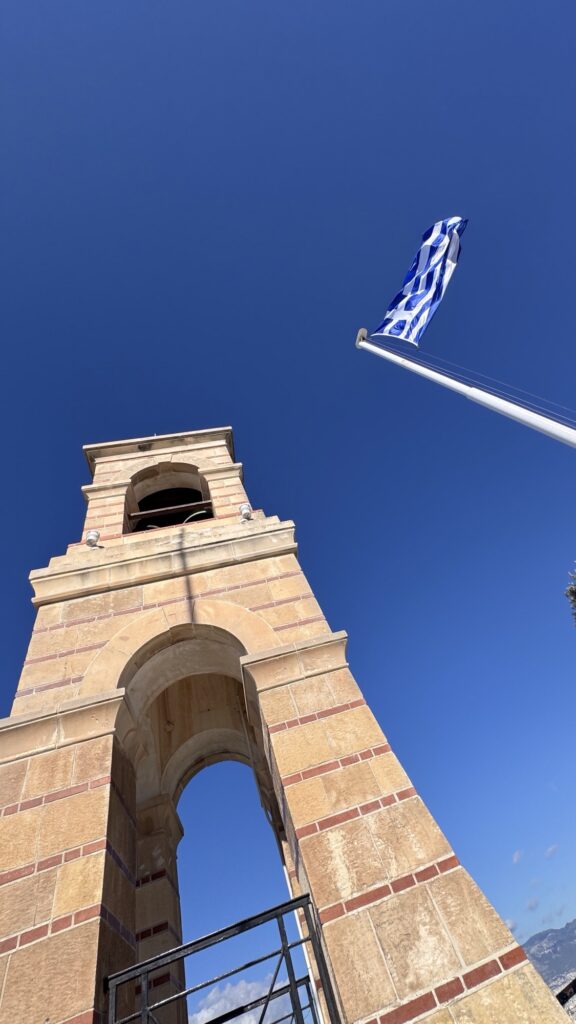
From Kolonaki, take the funicular up to Mount Lycabettus, the highest viewpoint in Athens. At 277 metres above sea level, the panoramic view stretches from the Acropolis to the Aegean Sea on clear days. The funicular entrance is at Aristippou 1.
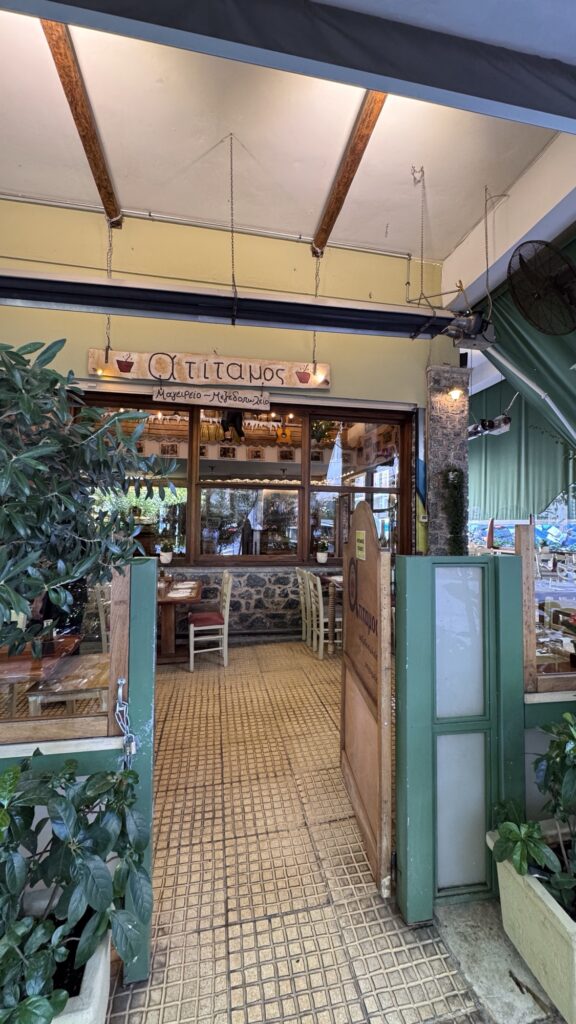
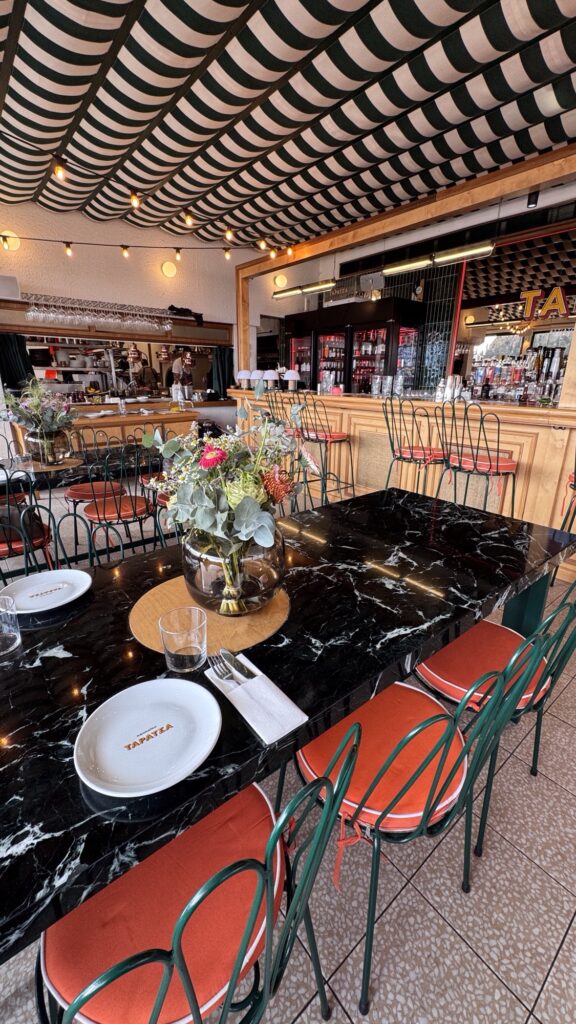
For lunch, Atitamos, at Patission 4, is a historic taverna loved by locals, while Taratsa, at Mitropoleos 49, is ideal for dining with a view.
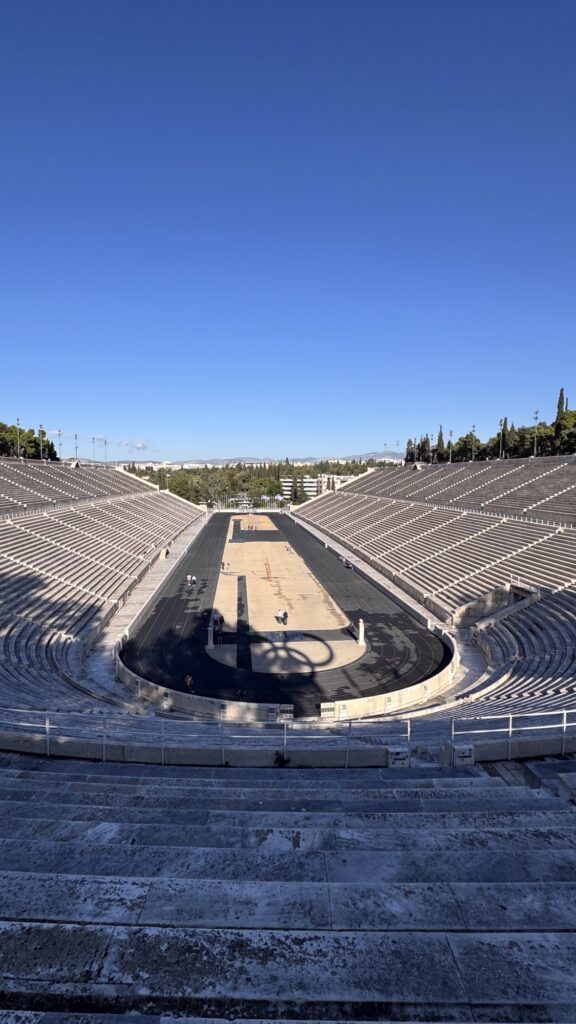
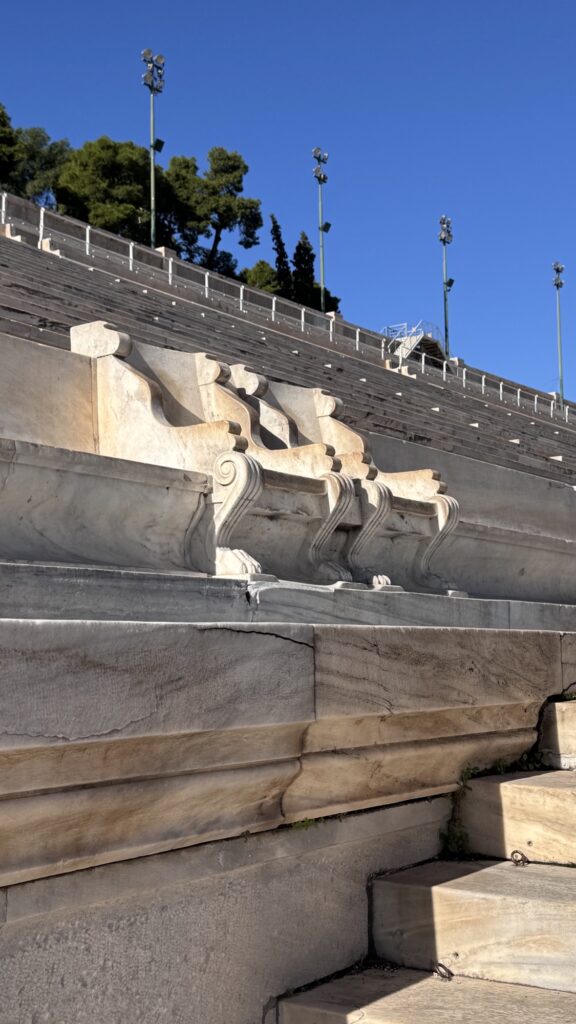
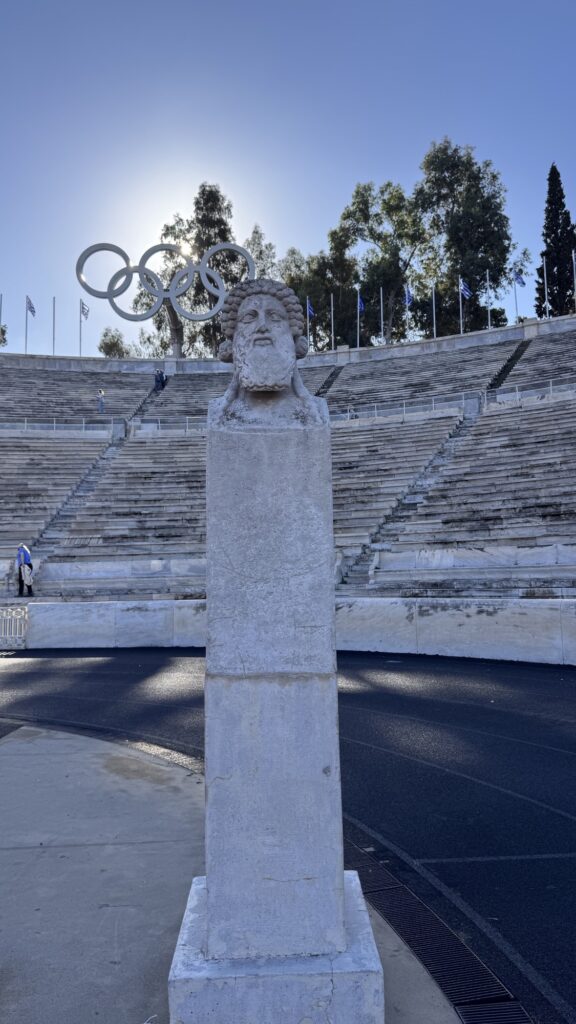
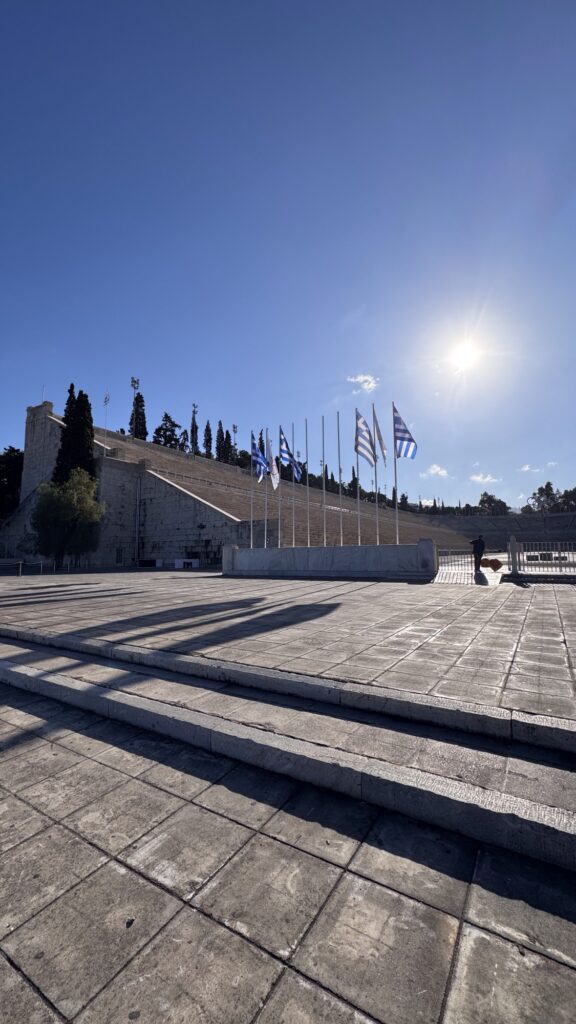
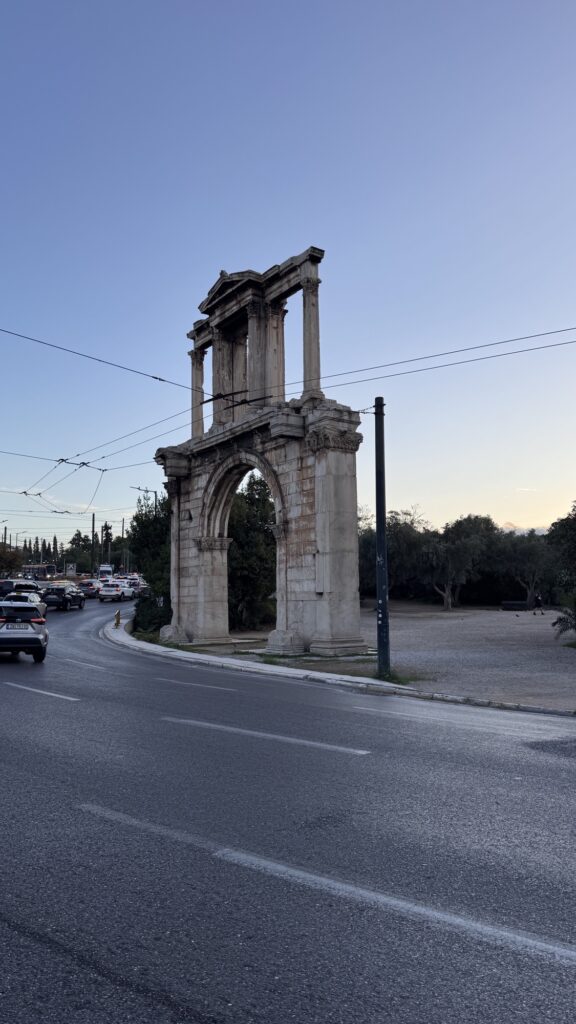
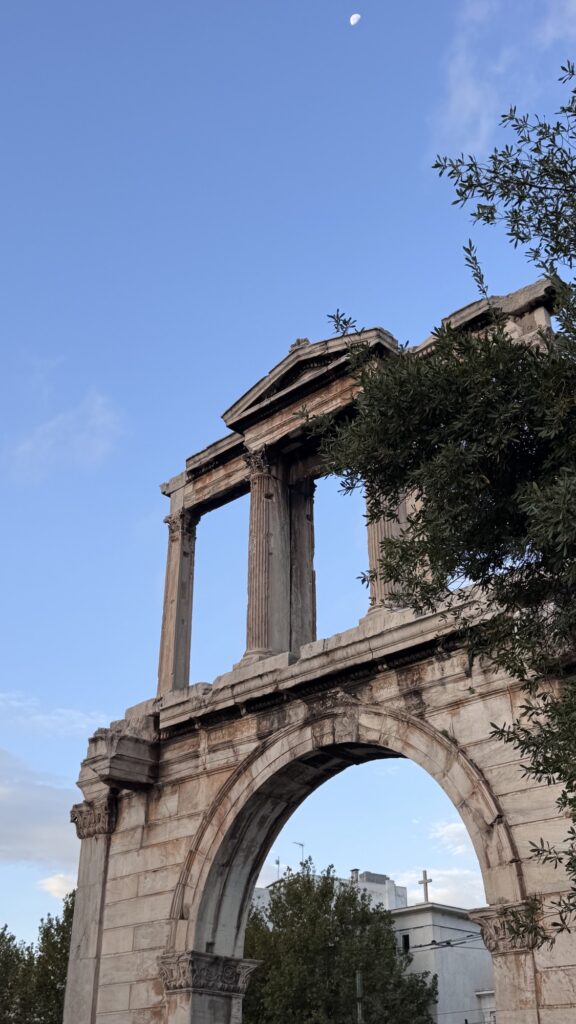
The afternoon is dedicated to some of Athens’ most iconic landmarks: Hadrian’s Arch, marking the boundary between ancient Greek and Roman Athens; the Temple of Olympian Zeus, once the largest temple in Greece; and the Panathenaic Stadium, the only stadium in the world built entirely of marble and the venue of the first modern Olympic Games in 1896. All are easily reached on foot along Vasilissis Amalias Avenue and Leoforos Vasileos Konstantinou.
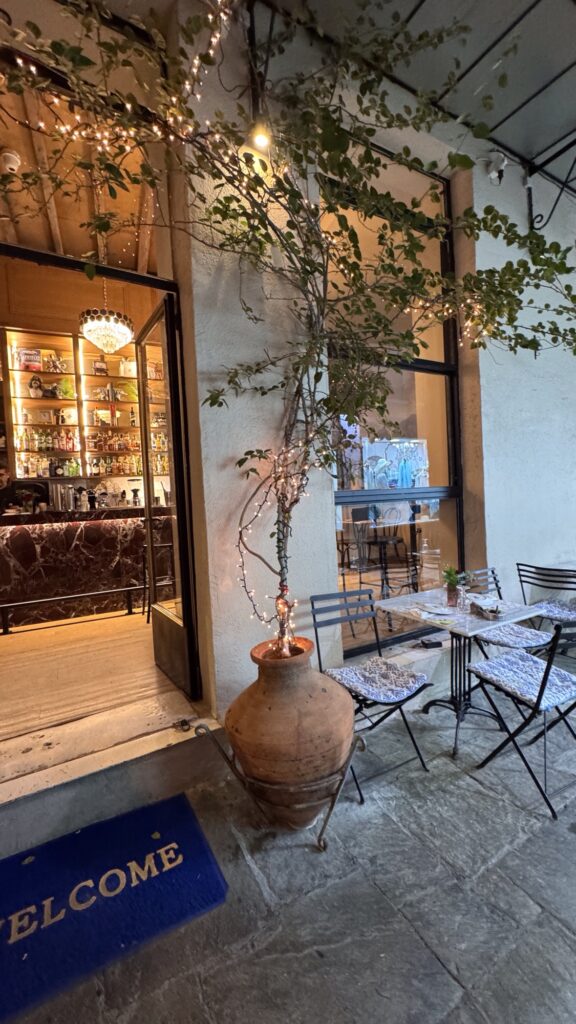
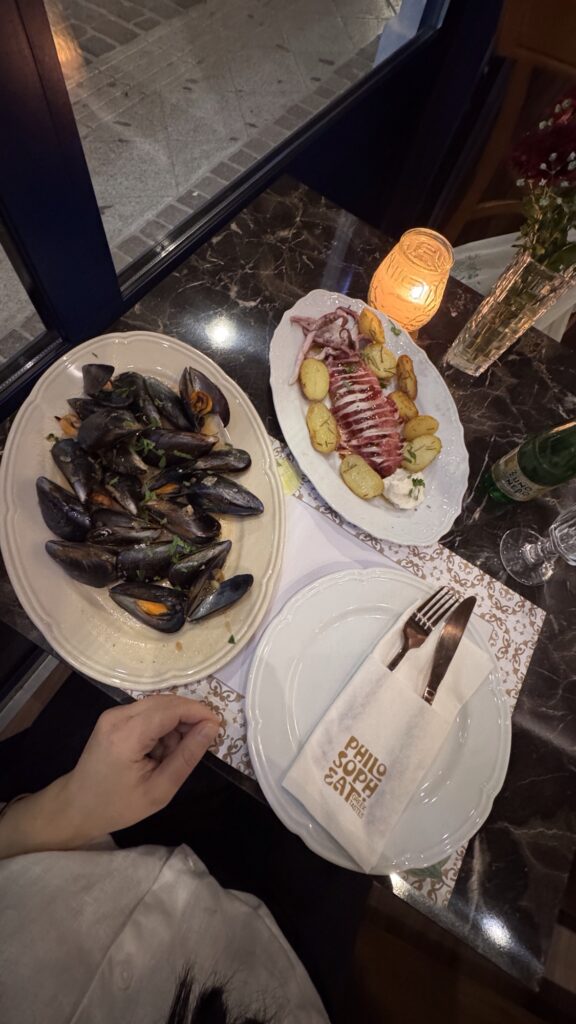
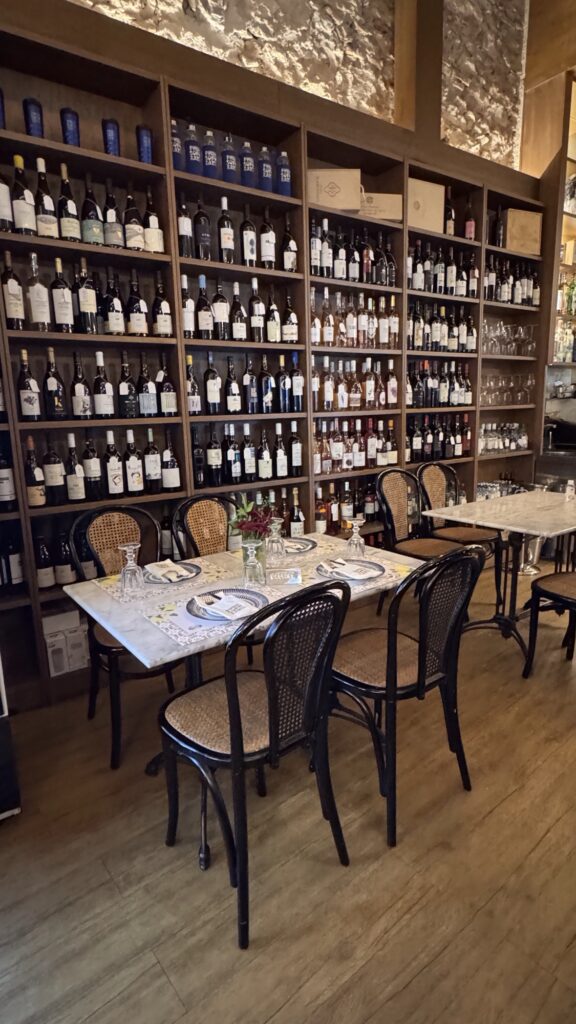
The final dinner is at Philosopheát Wine Restaurant, at Solonos 32, a contemporary wine bar focusing on Greek natural wines and creative yet accessible cuisine, perfect for a relaxed farewell to Athens.
.
Where to stay in Athens
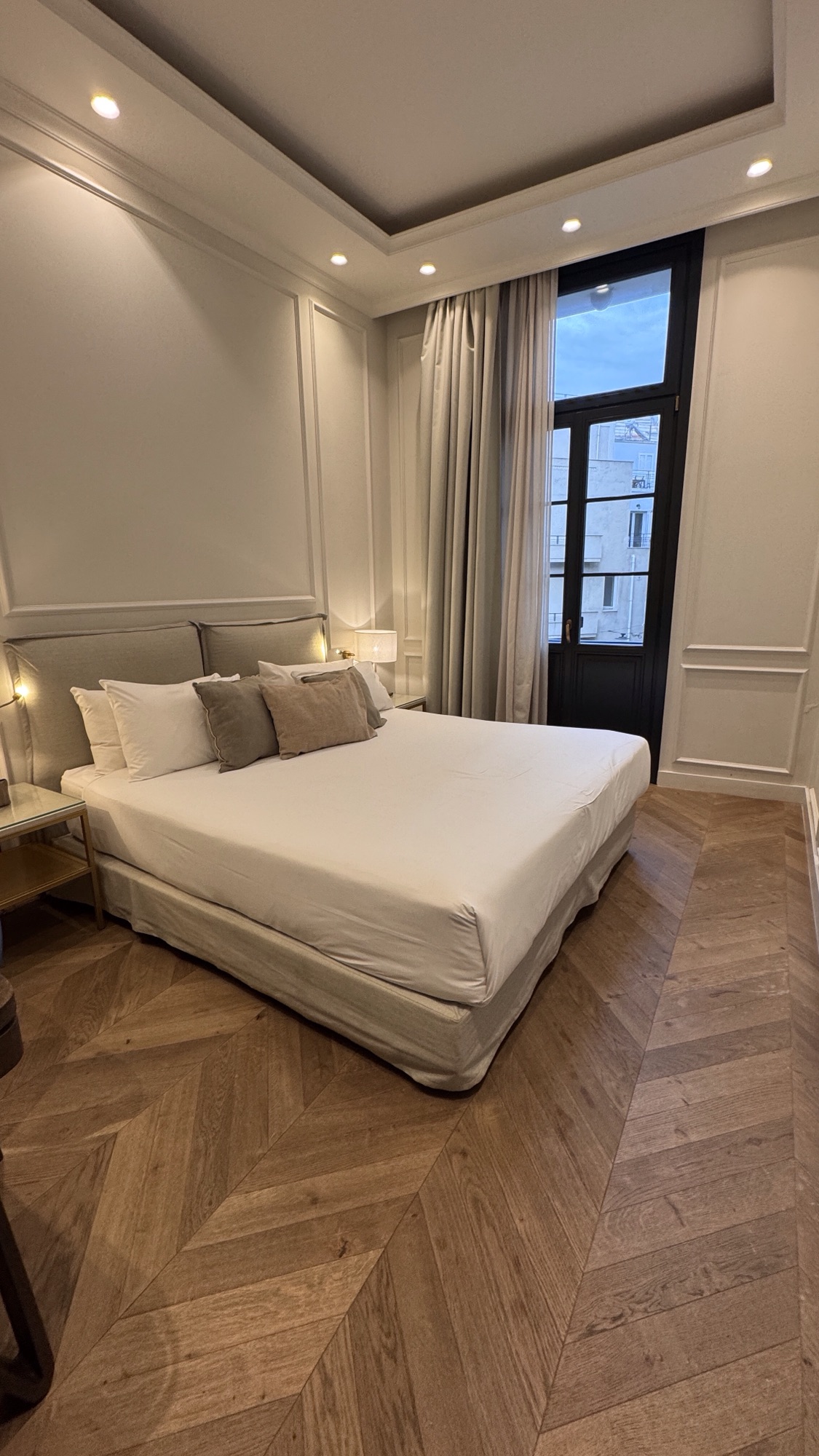
The Residence Aiolou Hotel & Spa, at Aiolou 48, is an excellent choice for comfort, design and a central location close to Monastiraki.
Plaka Hotel, located between Kapnikareas and Mitropoleos, offers great value for money and a rooftop terrace with Acropolis views.