
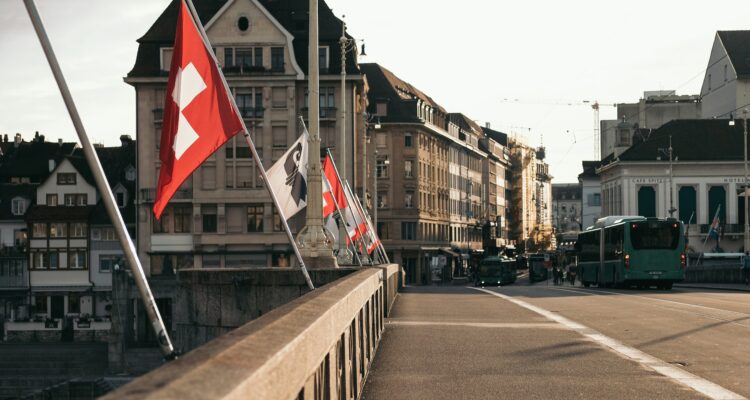
Basel is a city that works exceptionally well for a weekend break: compact, orderly, crossed by the Rhine and home to one of the highest concentrations of museums in Europe. It is an ideal destination for those who love art and architecture, but also for travellers looking for a measured, elegant urban rhythm, never hectic. Everything is close, everything is readable, and time here seems to flow with greater precision.
Another major advantage is how easy it is to reach. Basel is connected to Milan by direct trains, with a journey time of just over four hours. Once you arrive at Basel SBB station, the city can be explored comfortably on foot or by public transport, which is efficient and intuitive.
Day 1 – Modern art and urban identity
Fondation Beyeler
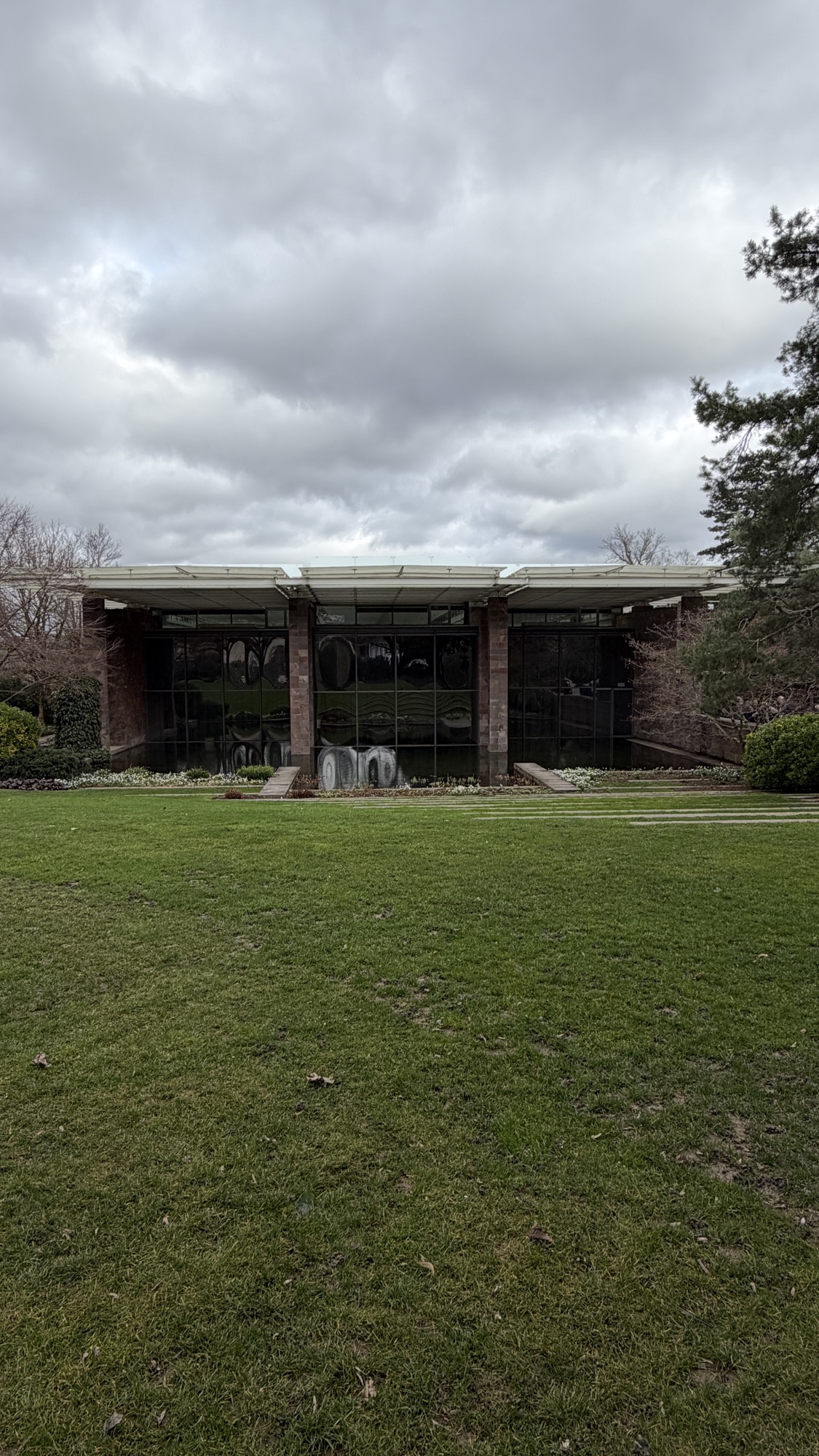
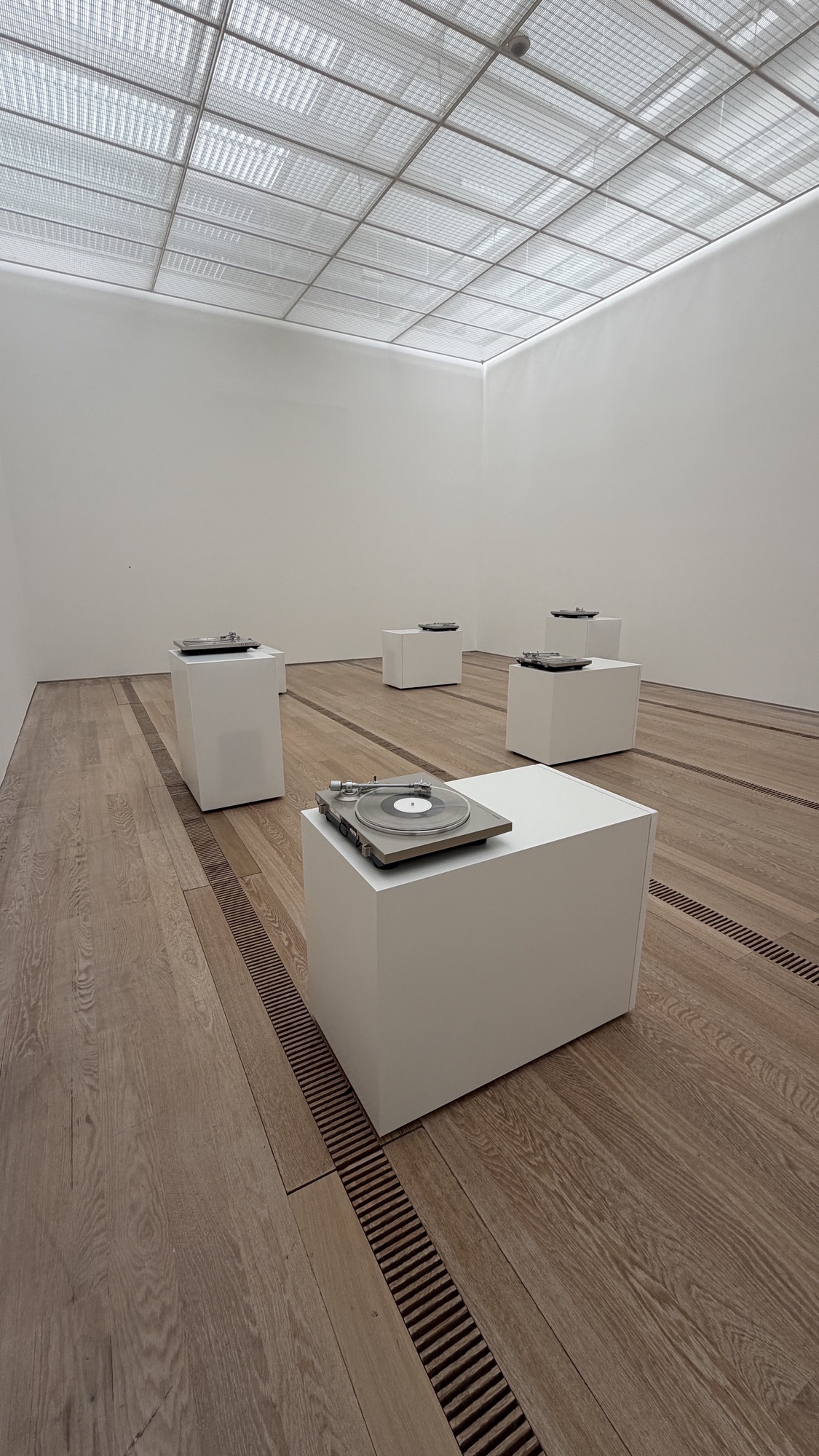
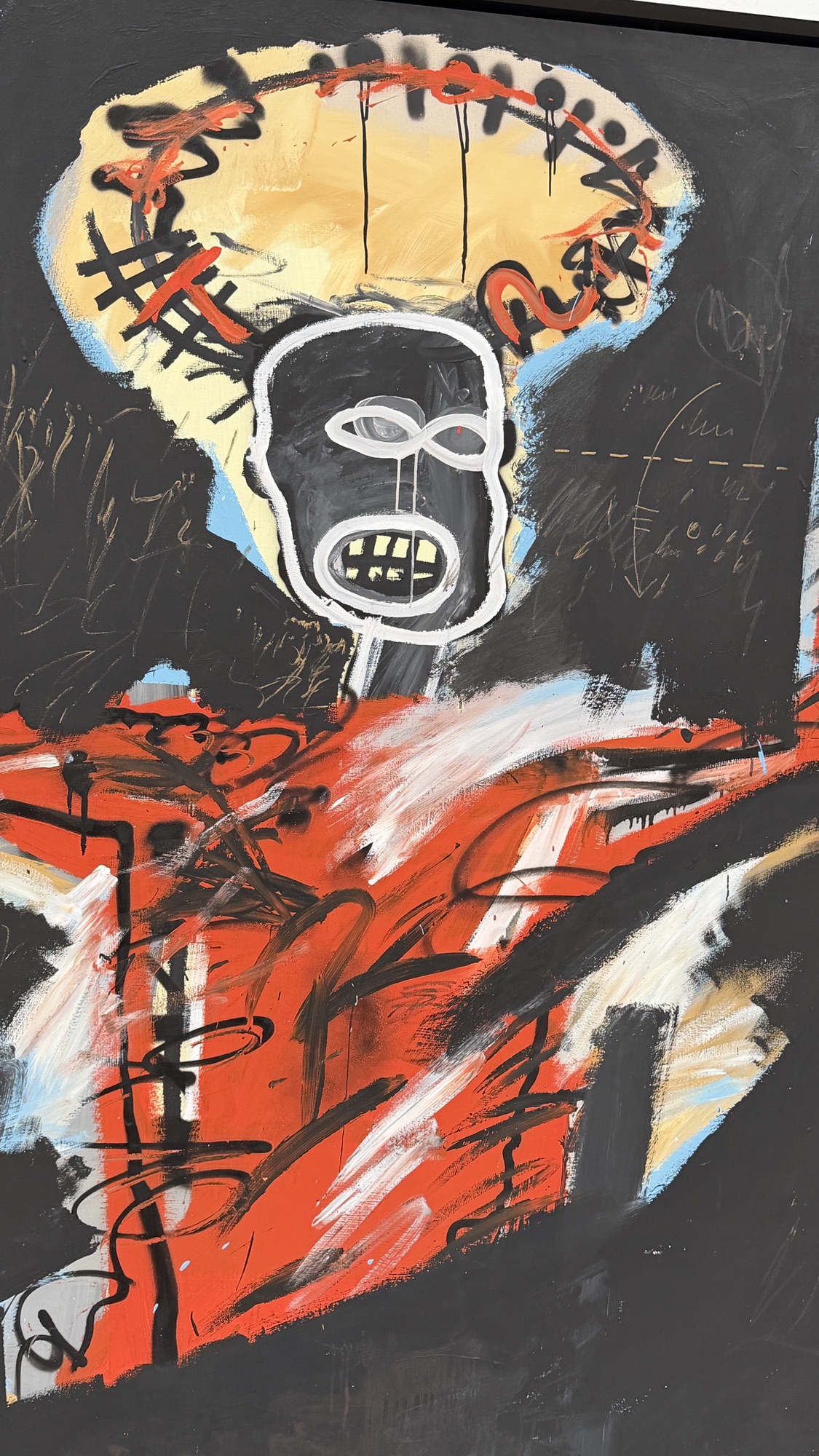
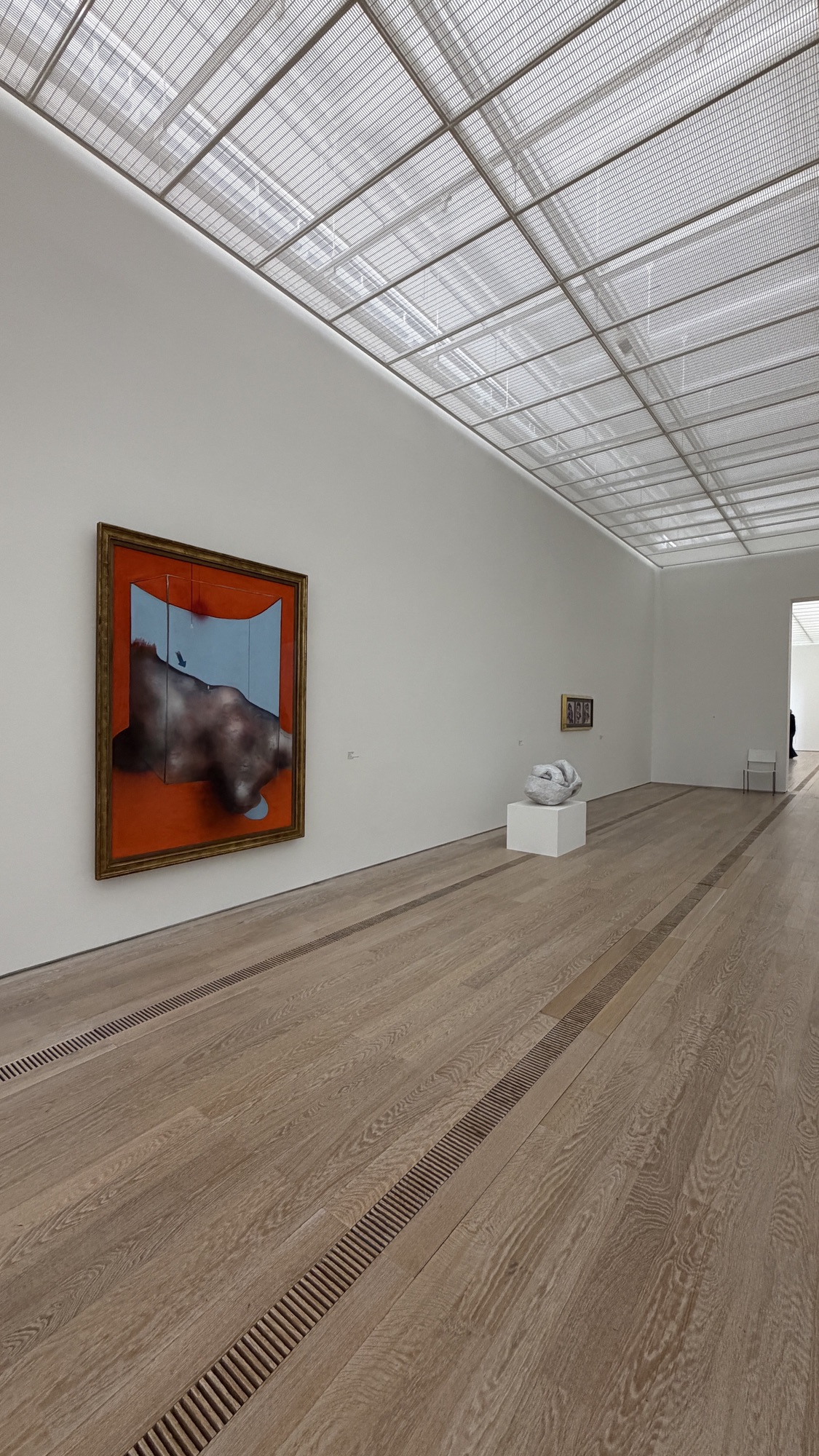
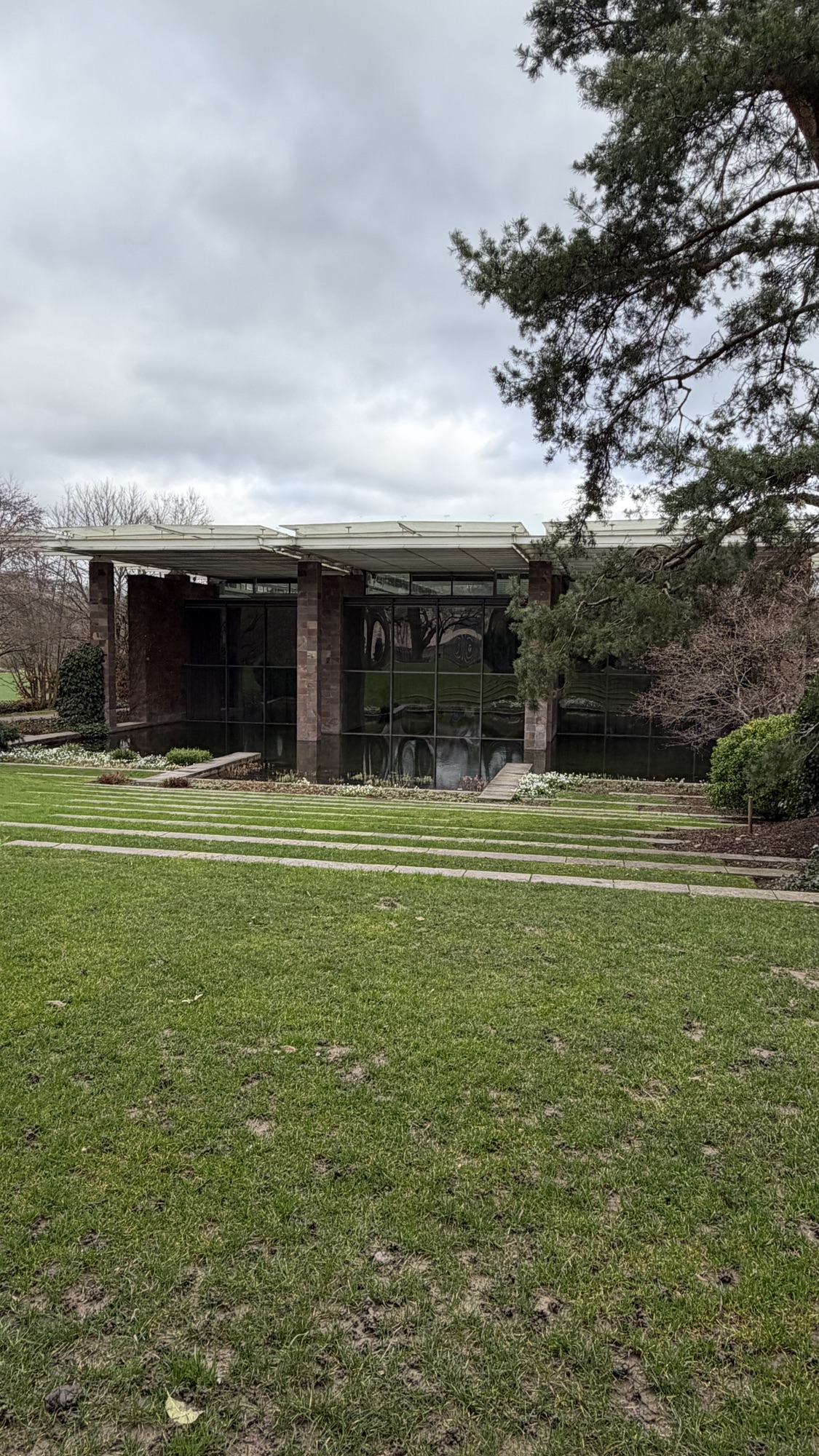
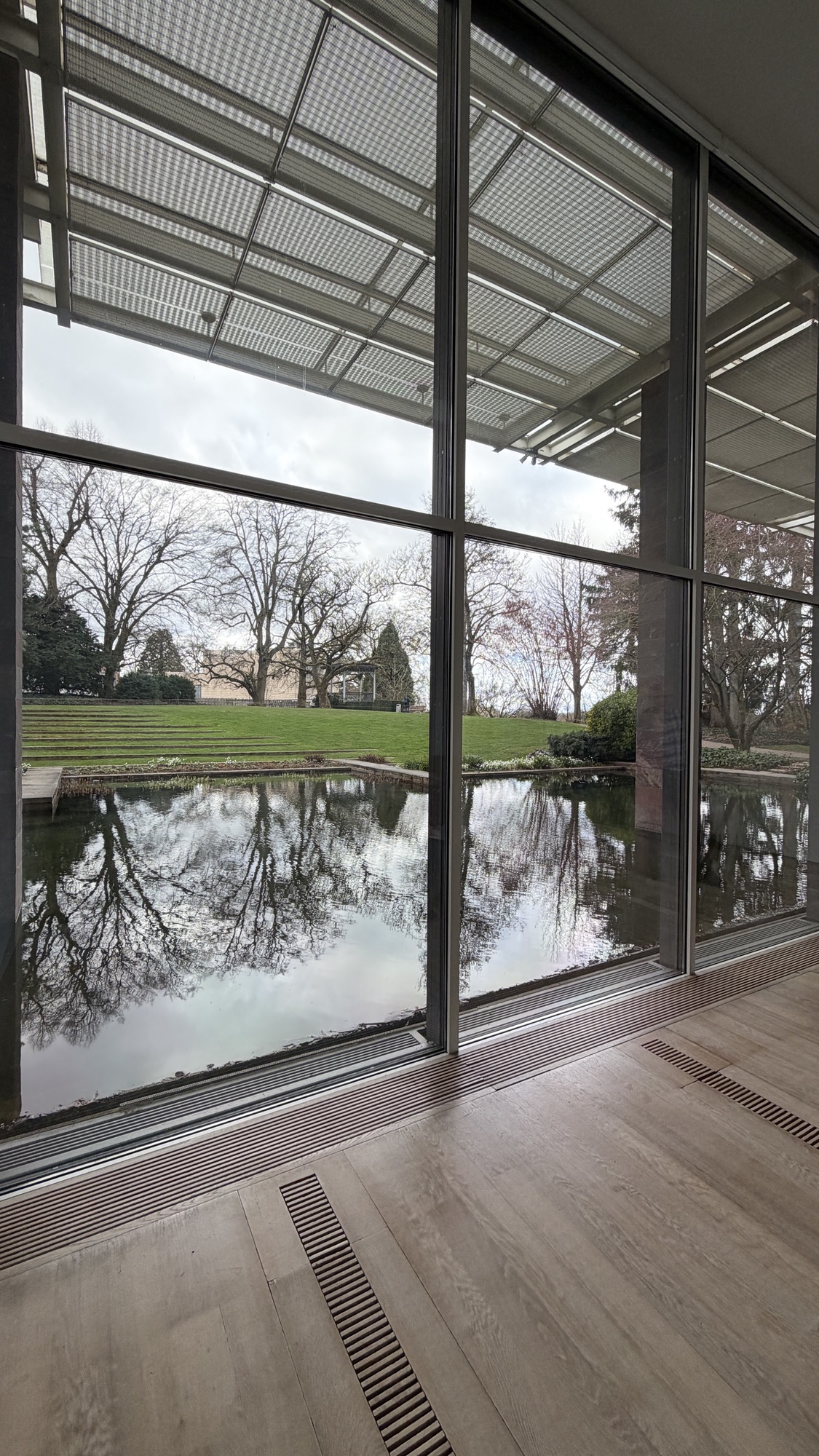
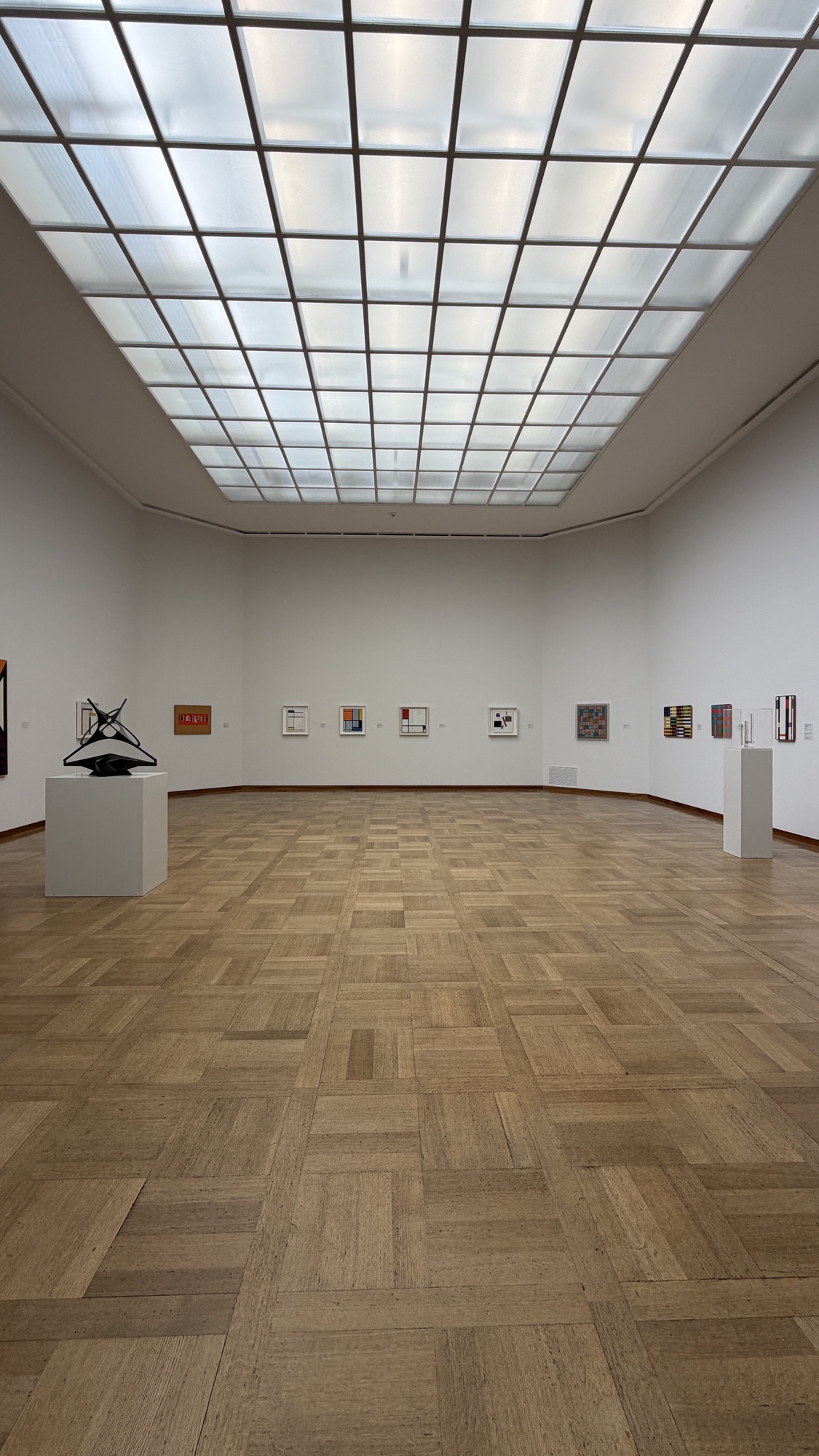
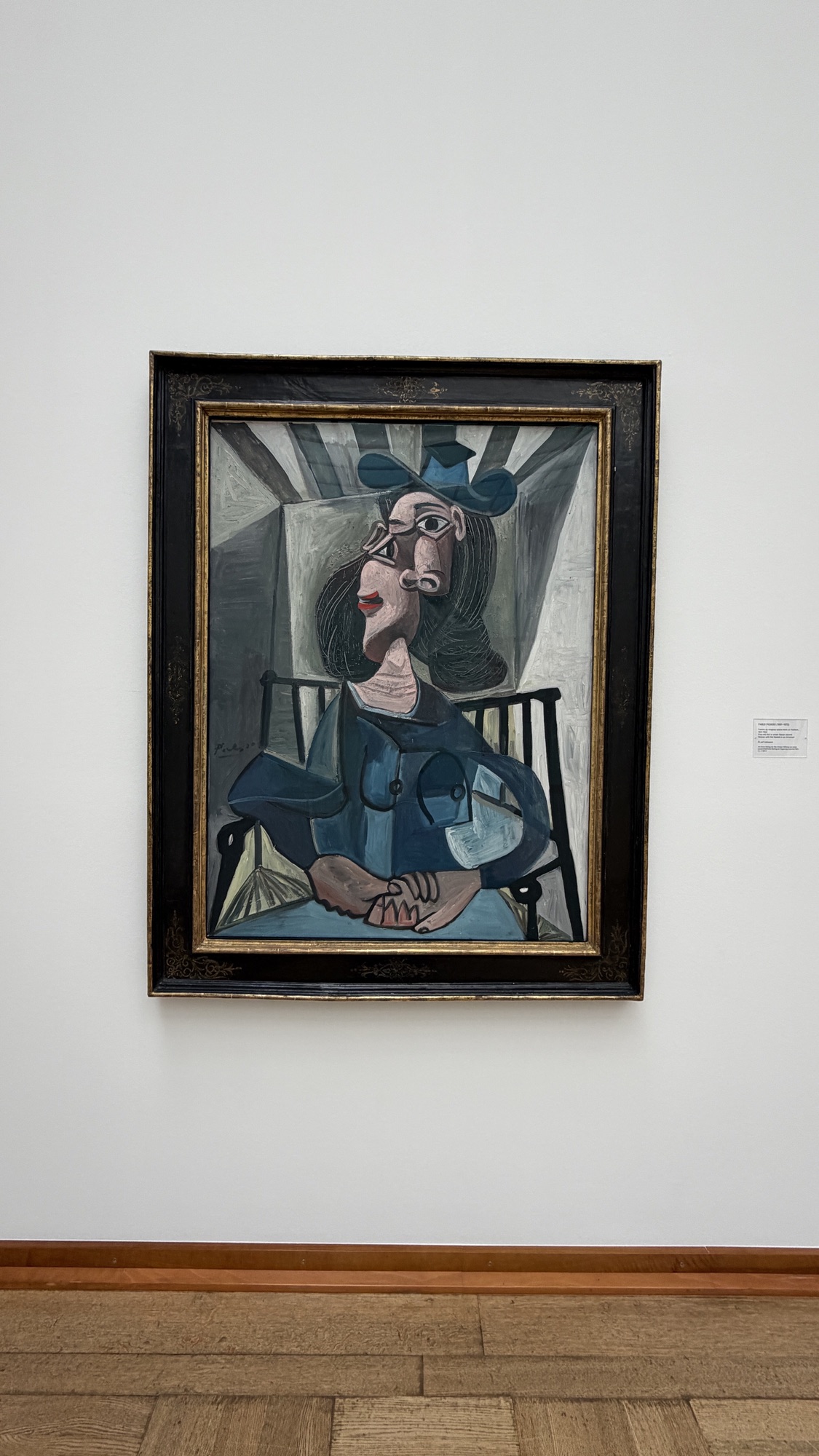
The visit begins just outside the city centre, in Riehen, at one of Europe’s most refined museums. Designed by Renzo Piano and set within a large park, the Fondation Beyeler is built around natural light, which becomes an integral part of the experience. The permanent collection spans Impressionism, Modernism and 20th-century art, with works by Monet, Cézanne, Van Gogh, Picasso, Giacometti and Rothko. International temporary exhibitions are curated with the same rigor. The relationship between art, architecture and landscape makes the visit fluid and never tiring.
Baselstrasse 101, Riehen
Messe Basel
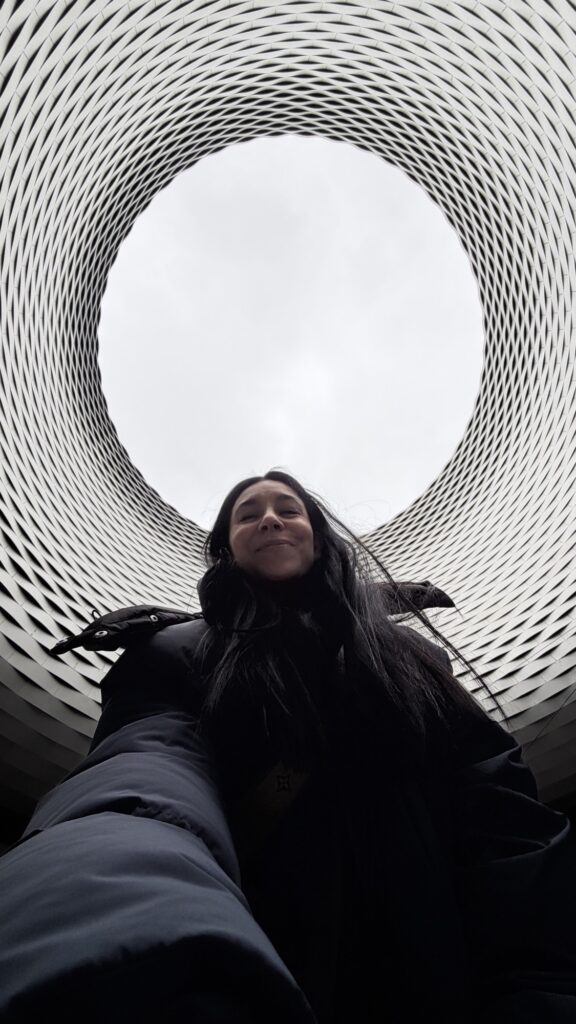
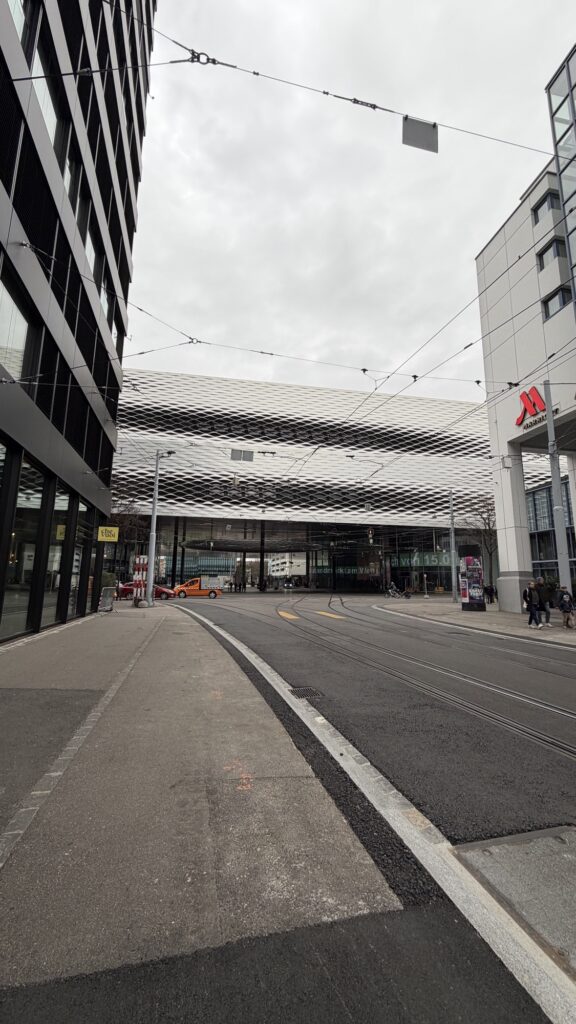
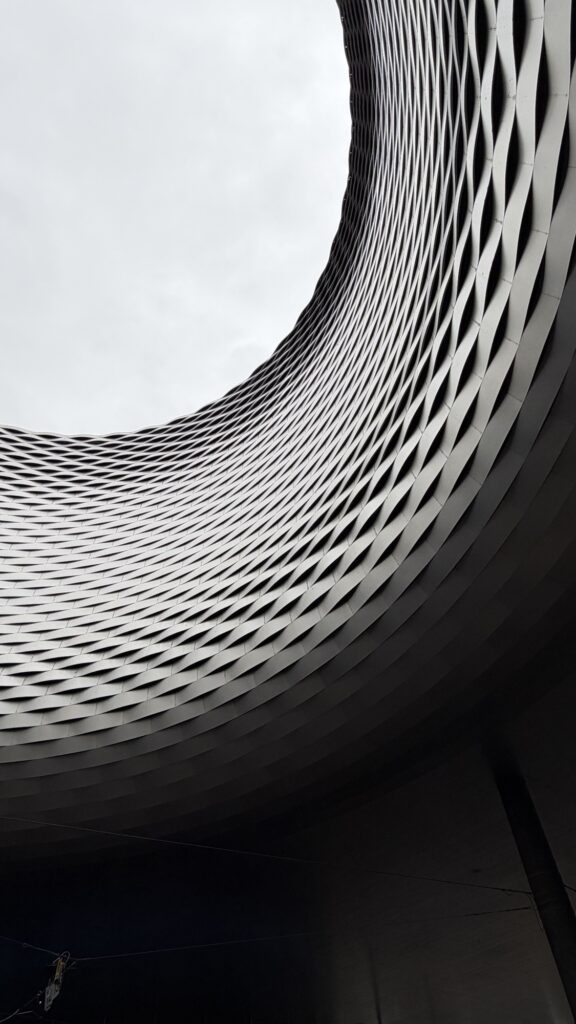
On the way back into the city centre, a short stop beneath one of Basel’s most iconic examples of contemporary architecture. Designed by Herzog & de Meuron, Messe Basel is instantly recognisable for the large circular opening above Messeplatz. Rather than a building to visit, it is an urban space to walk through: the architectural void frames the sky and turns an everyday passage into a striking visual experience.
Messeplatz, Basel
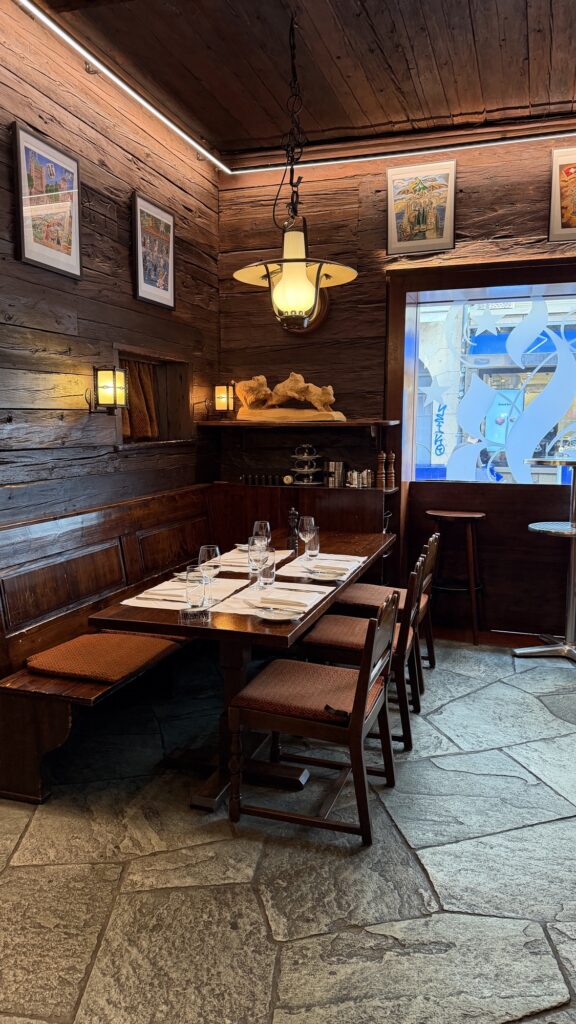
Zum Braunen Mutz
For a midday pause, this historic restaurant in the city centre offers traditional Swiss cuisine in a relaxed, authentic setting, popular with locals as well as visitors. A straightforward choice, perfectly in tune with its surroundings.
Barfüsserplatz 10, Basel
Rock’n’roll mural
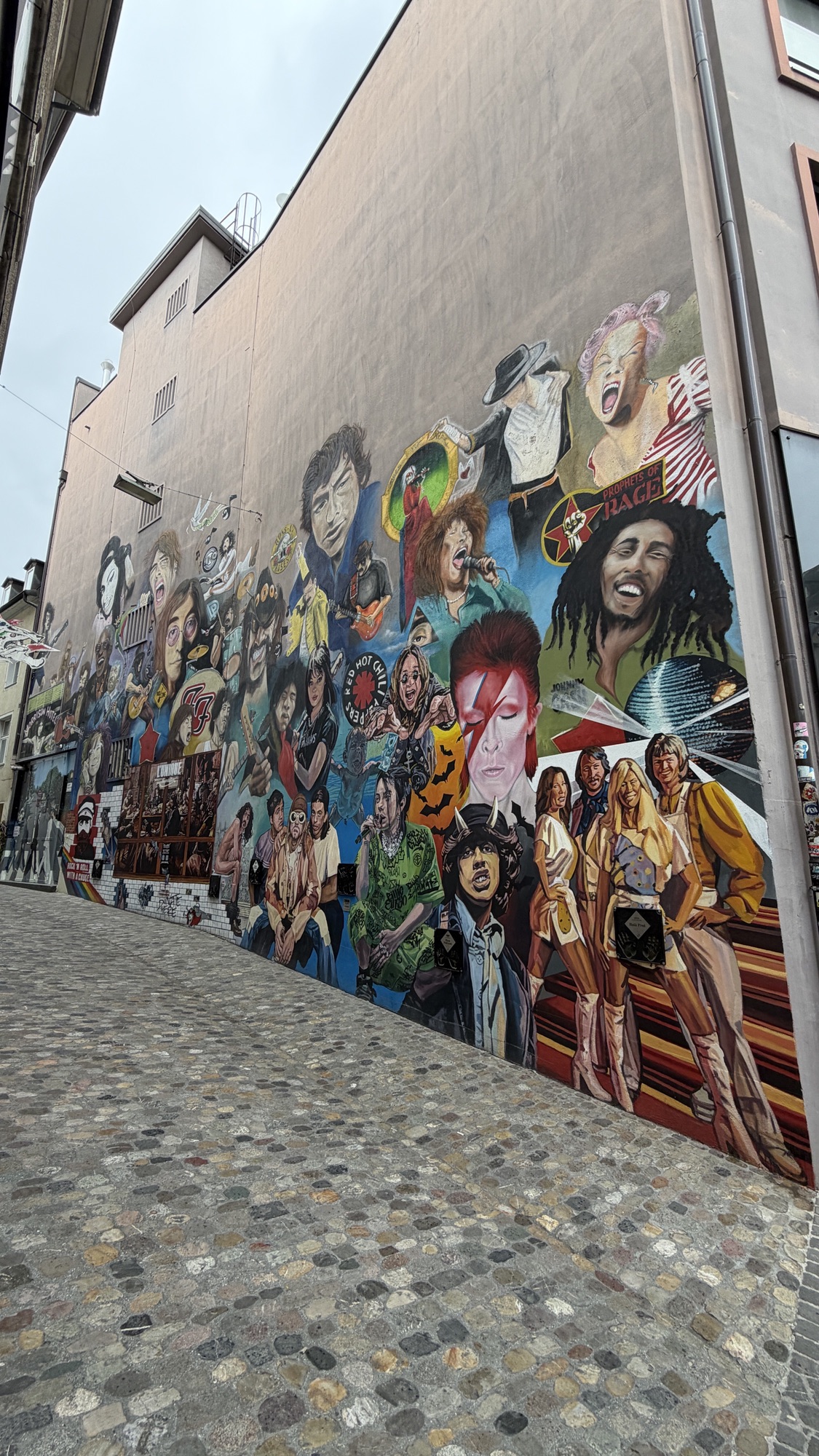
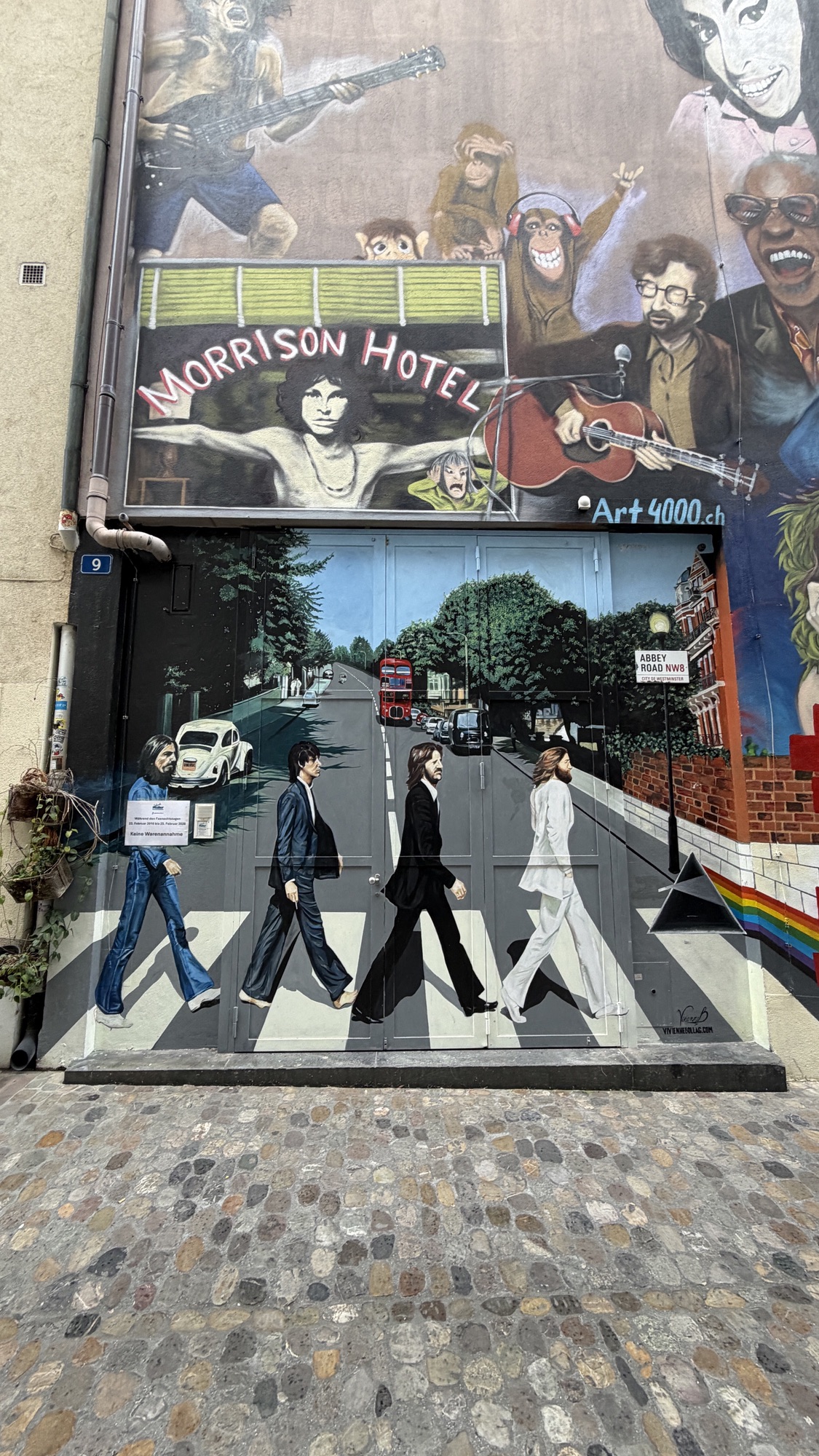
In the early afternoon, a brief stop at Basel’s most iconic rock’n’roll mural adds a contemporary, urban note. It is a quick but telling detail, showing how street art also finds its place in this carefully ordered city.
Kunstmuseum Basel
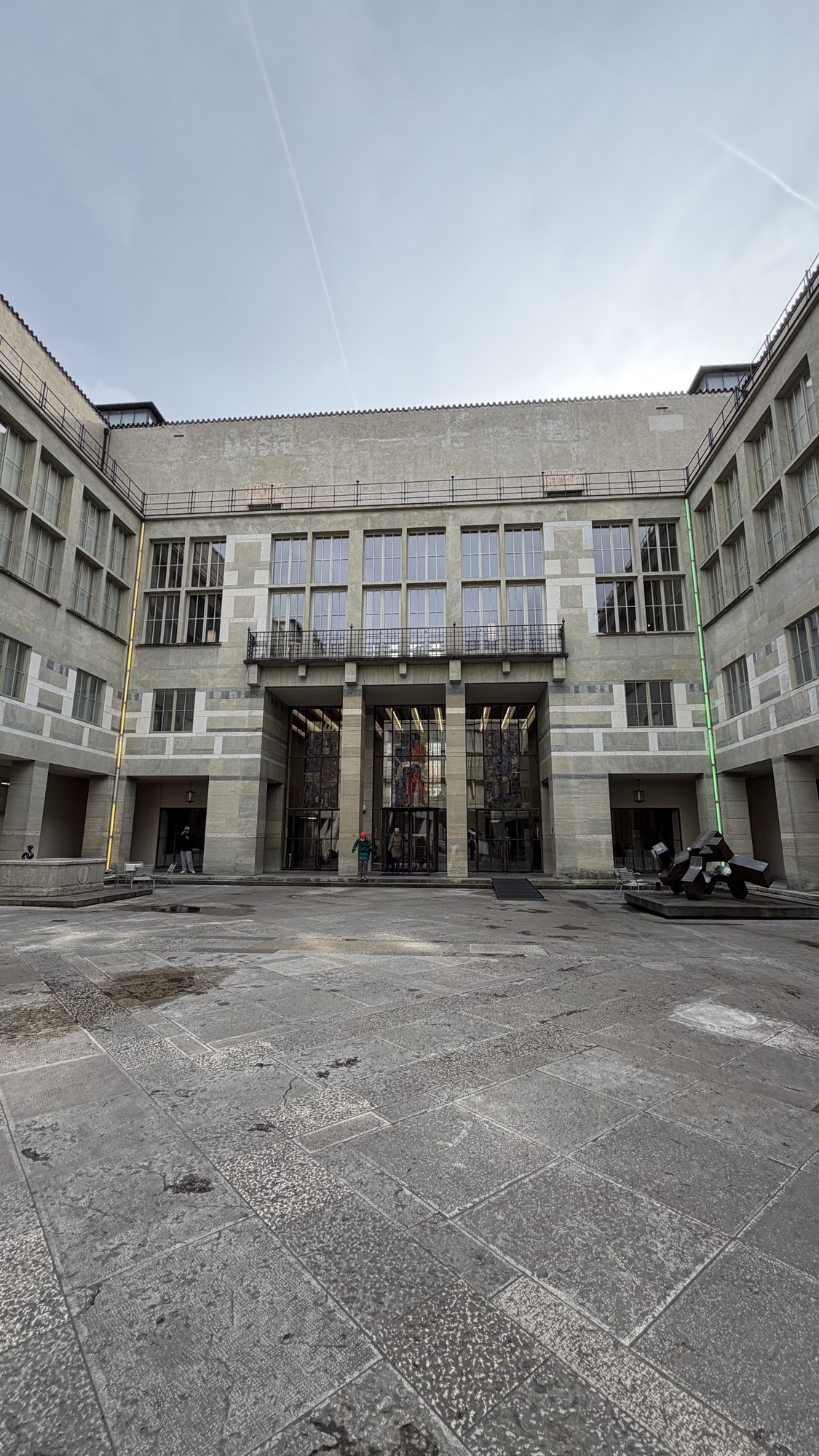
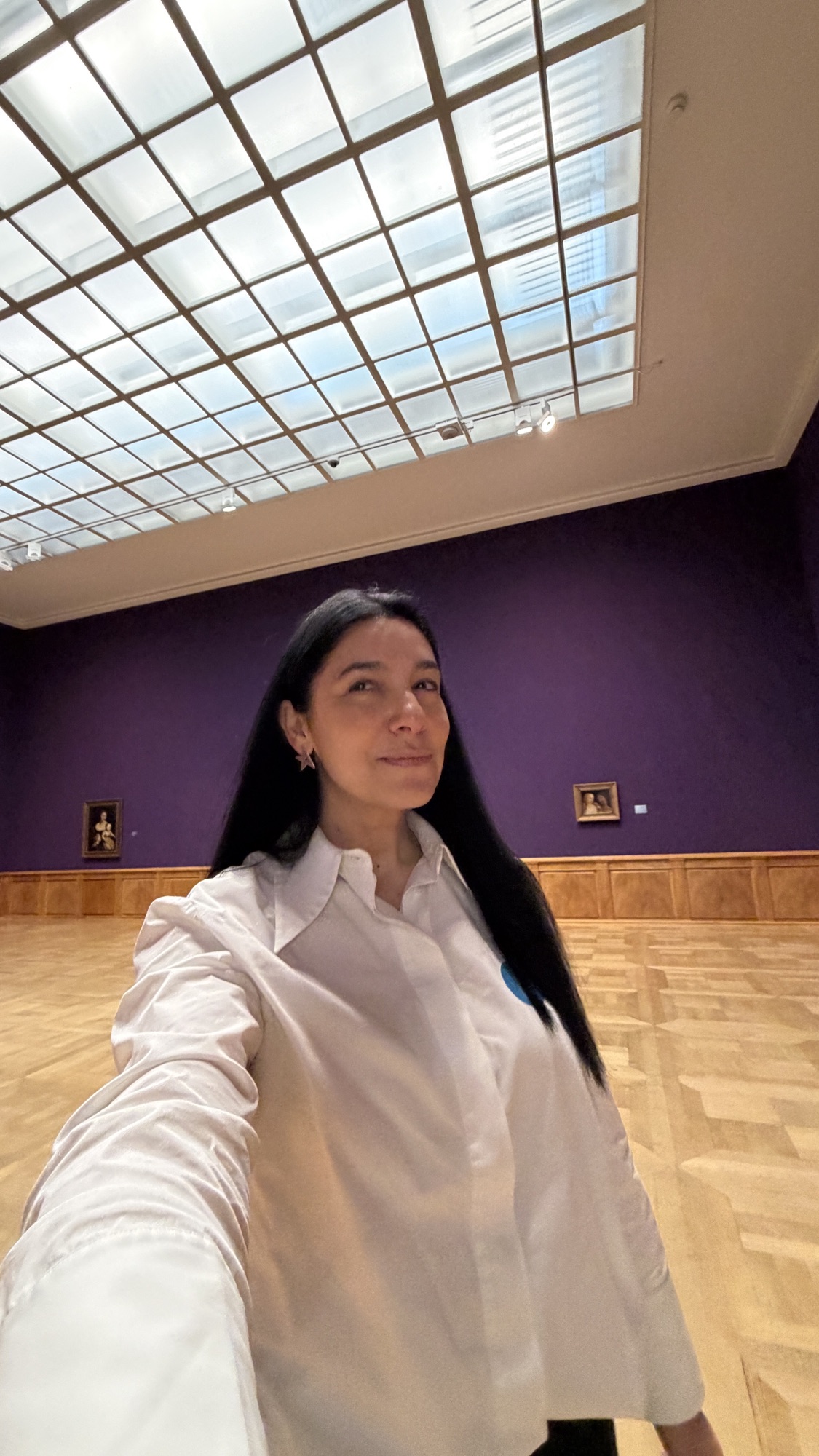
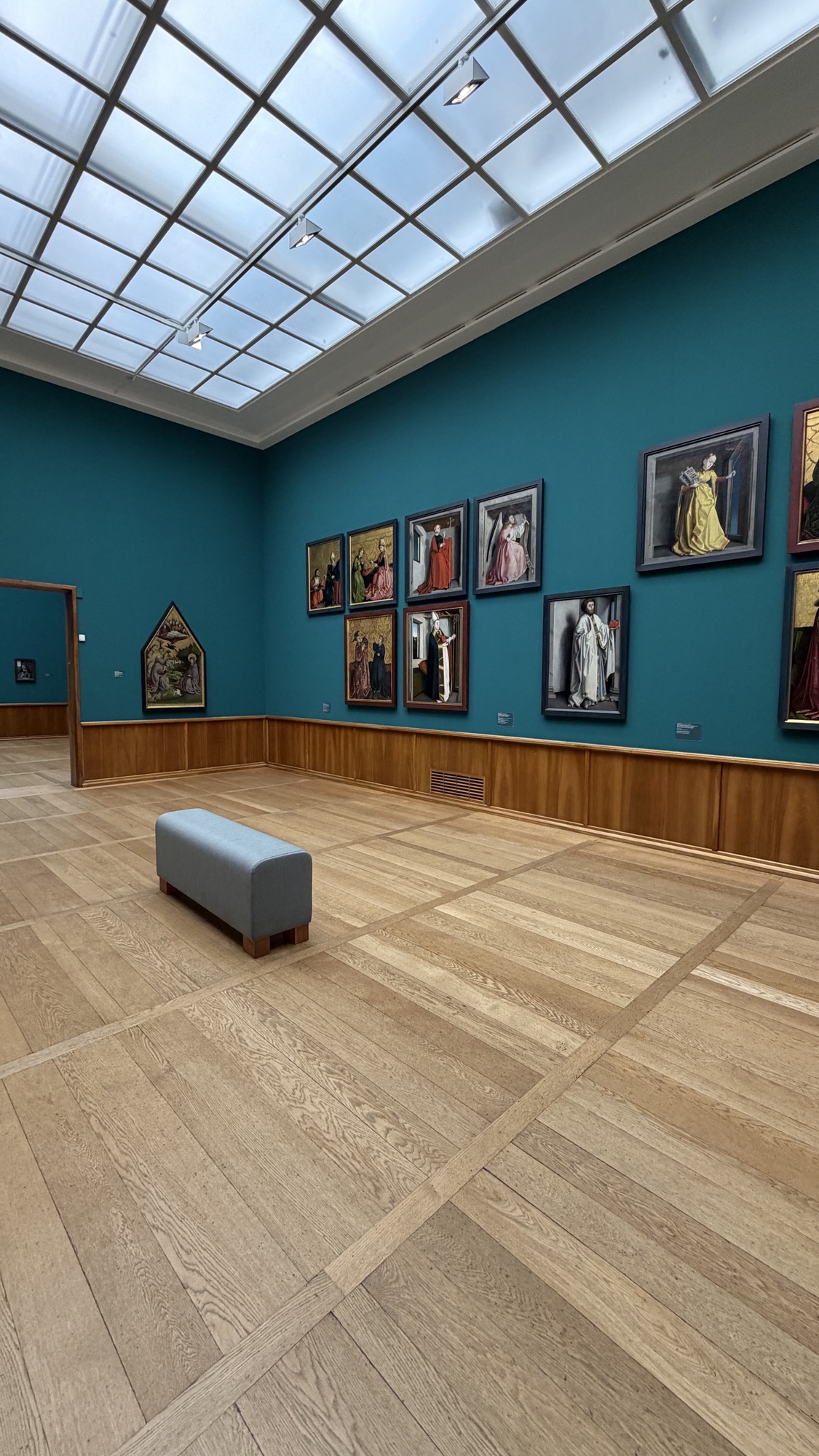
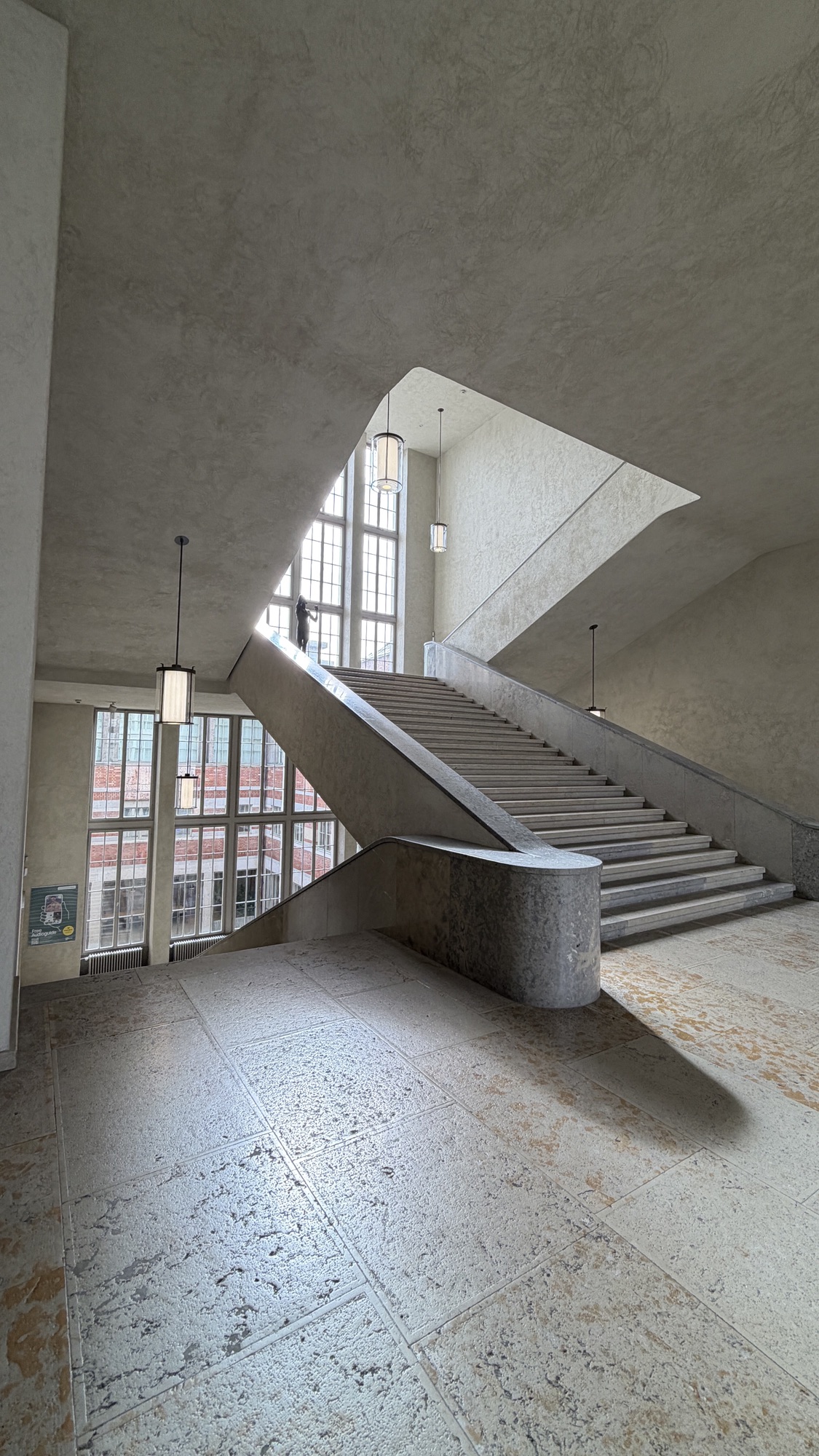
The Kunstmuseum Basel houses the oldest public art collection in the world, a fact that says much about the city’s cultural identity. Founded in the 16th century, the collection now spans Old Masters, the Renaissance, Modernism and contemporary art. The rooms dedicated to Hans Holbein the Younger are essential for understanding Basel’s role in European art history. The museum is clearly organised and never overwhelming.
St. Alban-Graben 16, Basel
Afternoon walk through the historic centre
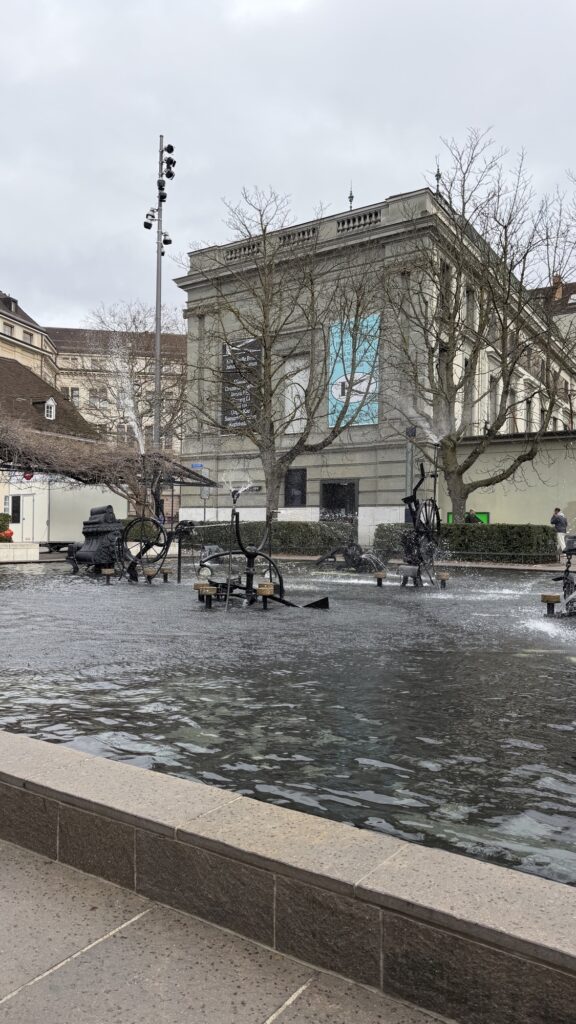
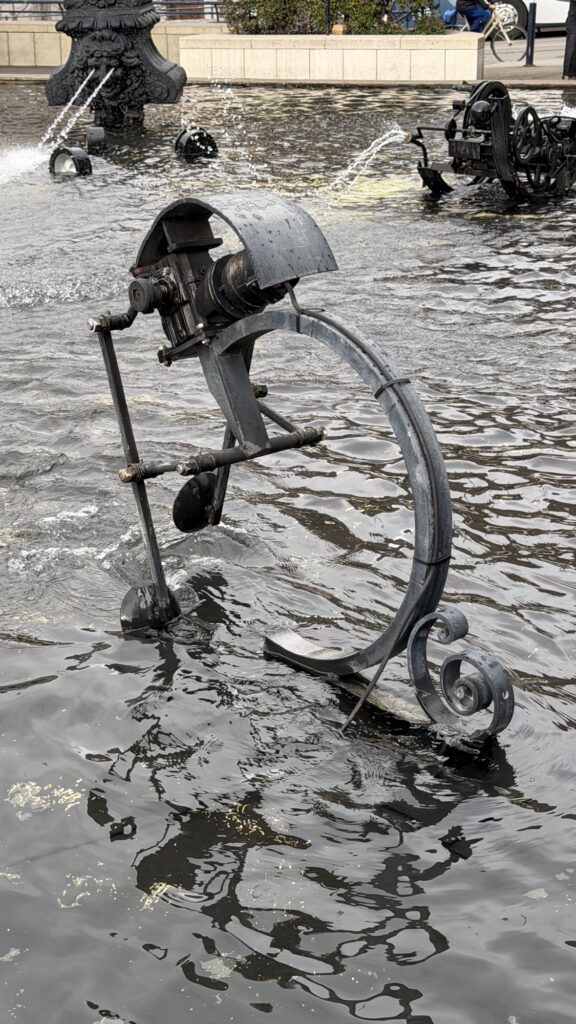
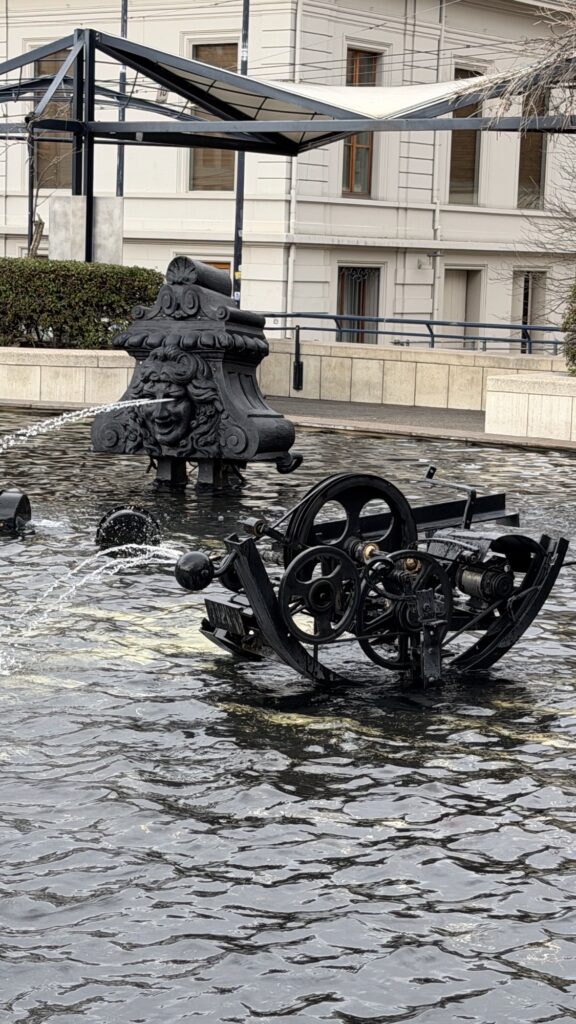
Tinguely Fountain
Jean Tinguely’s kinetic fountain is one of Basel’s most recognisable landmarks. Ironic, noisy and constantly in motion, it introduces the historic centre with lightness and character.
Theaterstrasse, Basel
Freie Strasse
Basel’s main shopping street naturally connects different areas of the old town and offers a glimpse into the city’s everyday rhythm, orderly and never rushed.
Freie Strasse, Basel
Mittlere Brücke
One of the best viewpoints over the Rhine. Crossing the bridge in the afternoon highlights Basel’s understated elegance and its close relationship with the river.
Mittlere Brücke, Basel
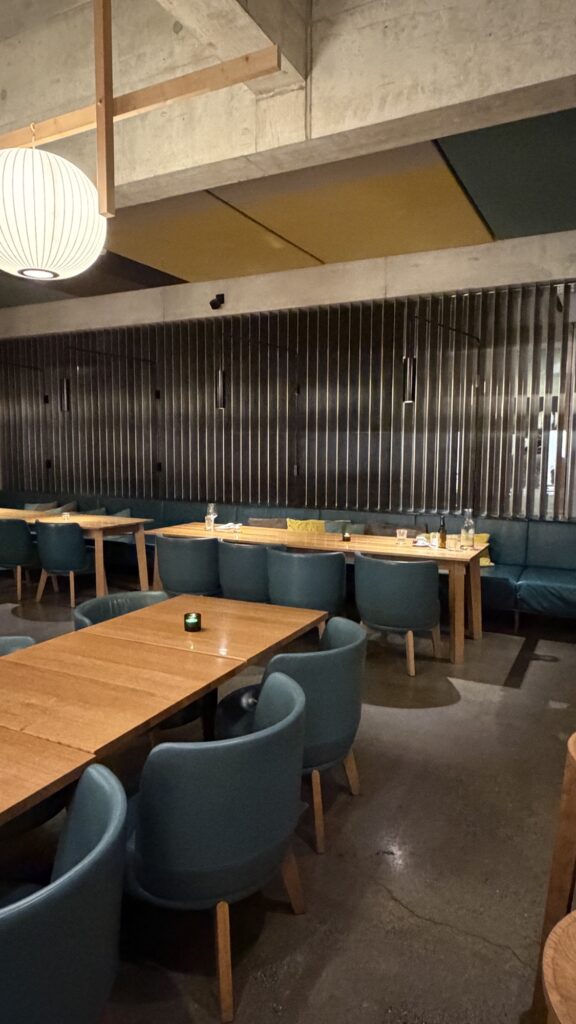
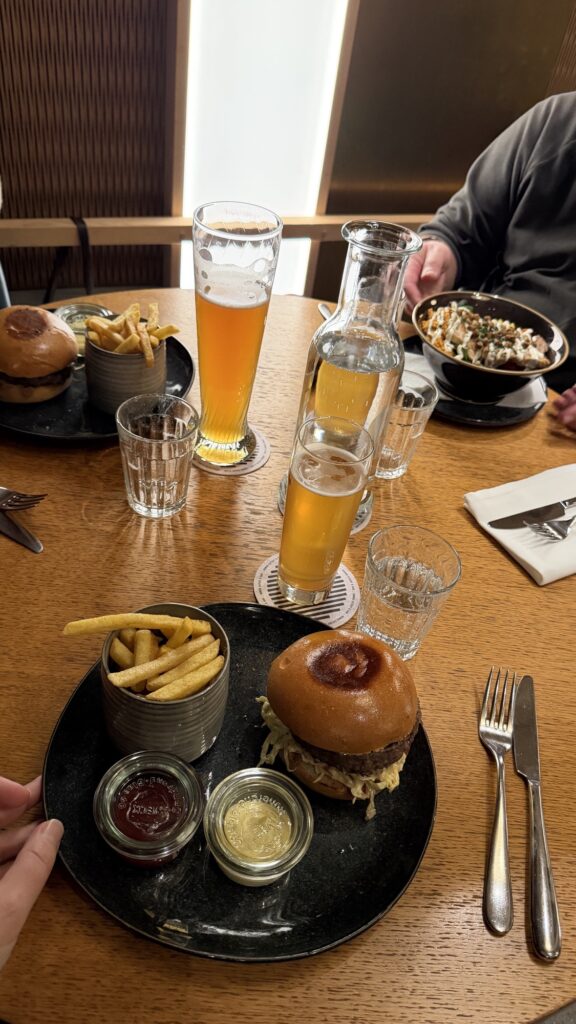
Nomad Eatery
The day ends with an informal yet carefully considered dinner. Nomad Eatery serves contemporary cuisine in a convivial, relaxed atmosphere and is a favourite among locals.
Brunngässlein 8, Basel
Day 2 – Art, river and historic Basel
Museum Tinguely
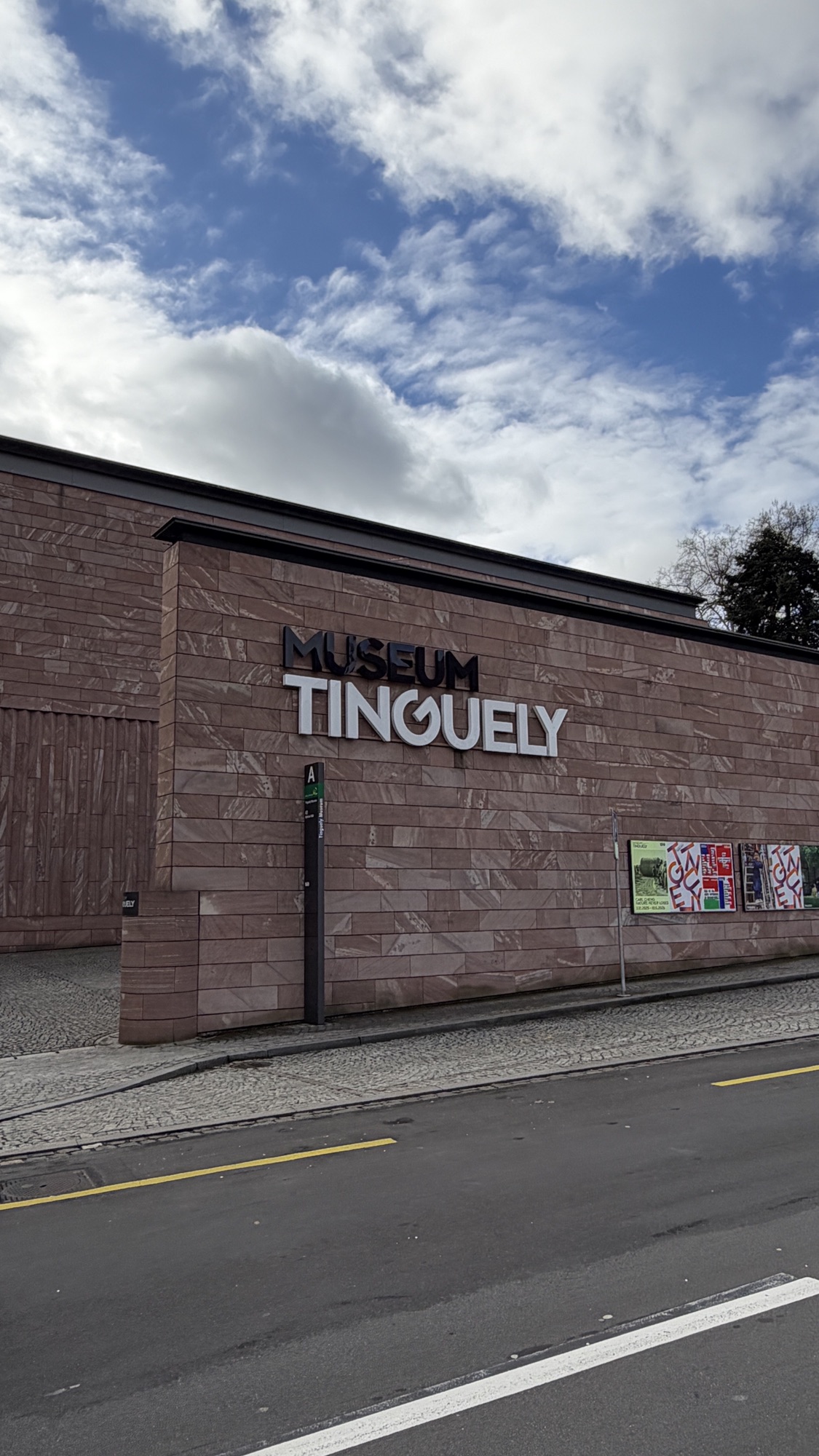
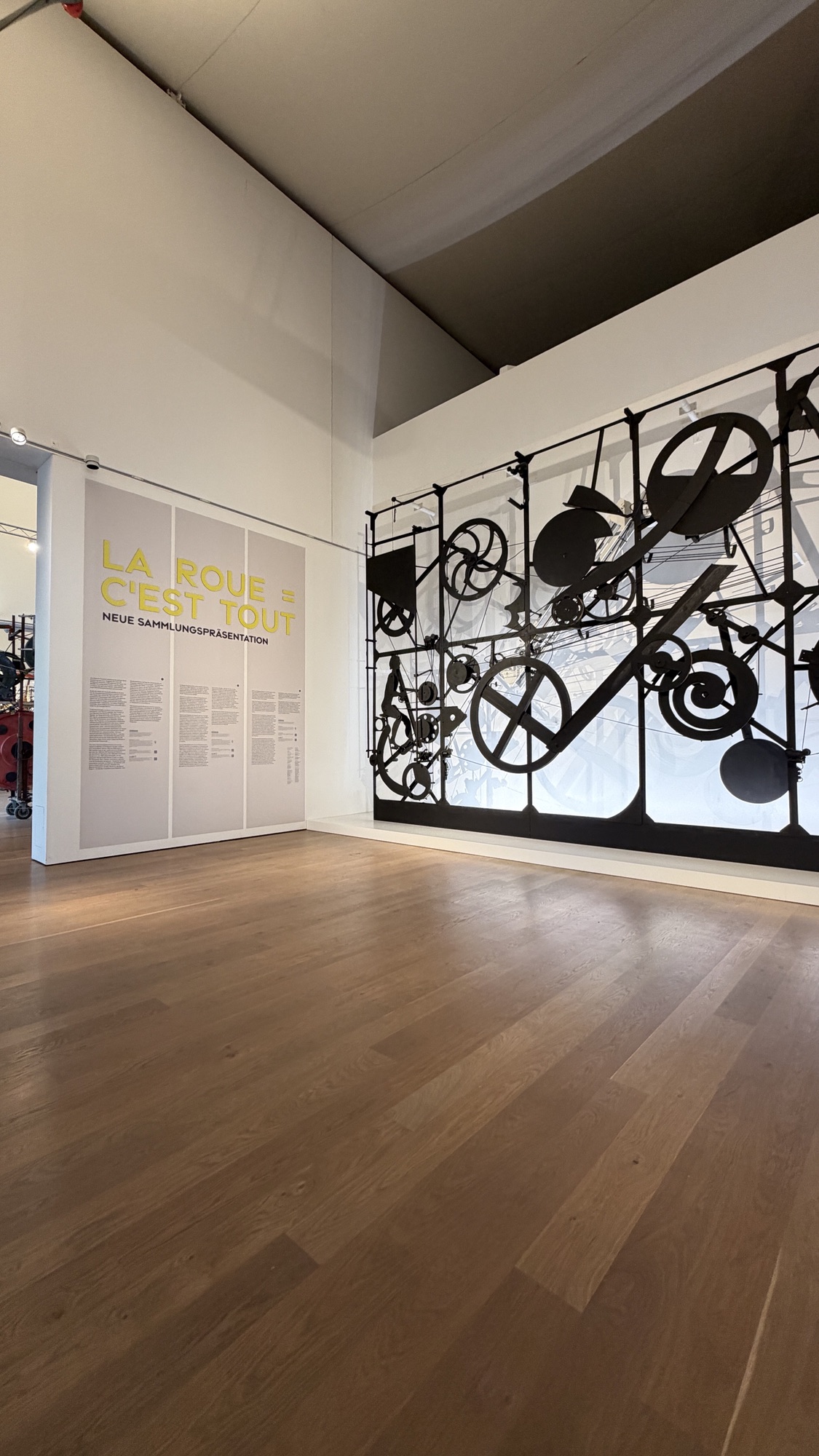
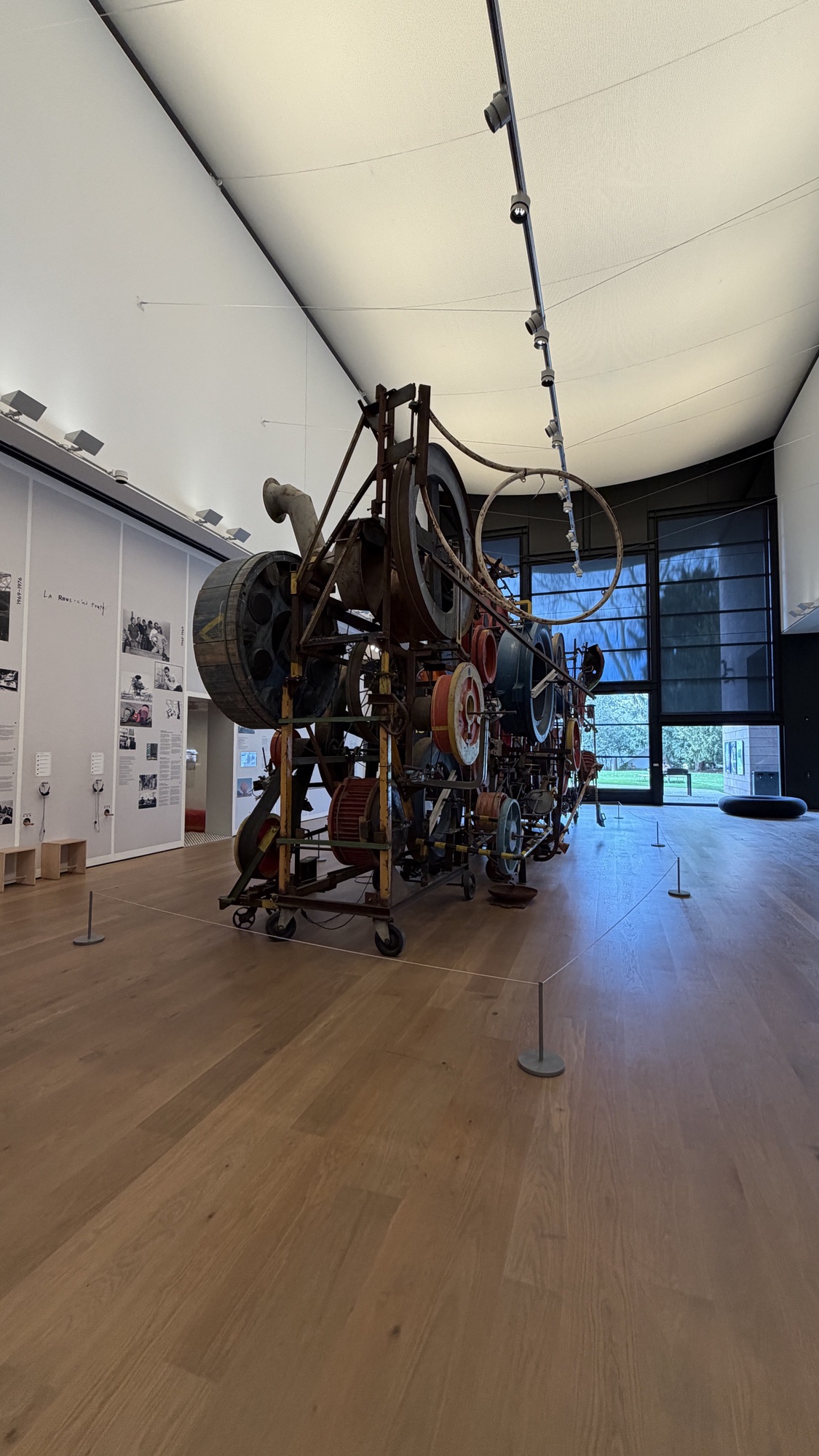
Dedicated to Jean Tinguely, an artist deeply connected to Basel, this museum explores kinetic, ironic and provocative art. The constantly moving, deliberately unstable machines challenge the idea of art as a static object. Designed by Mario Botta and overlooking the Rhine, it is one of the city’s most distinctive museums.
Paul Sacher-Anlage 2, Basel
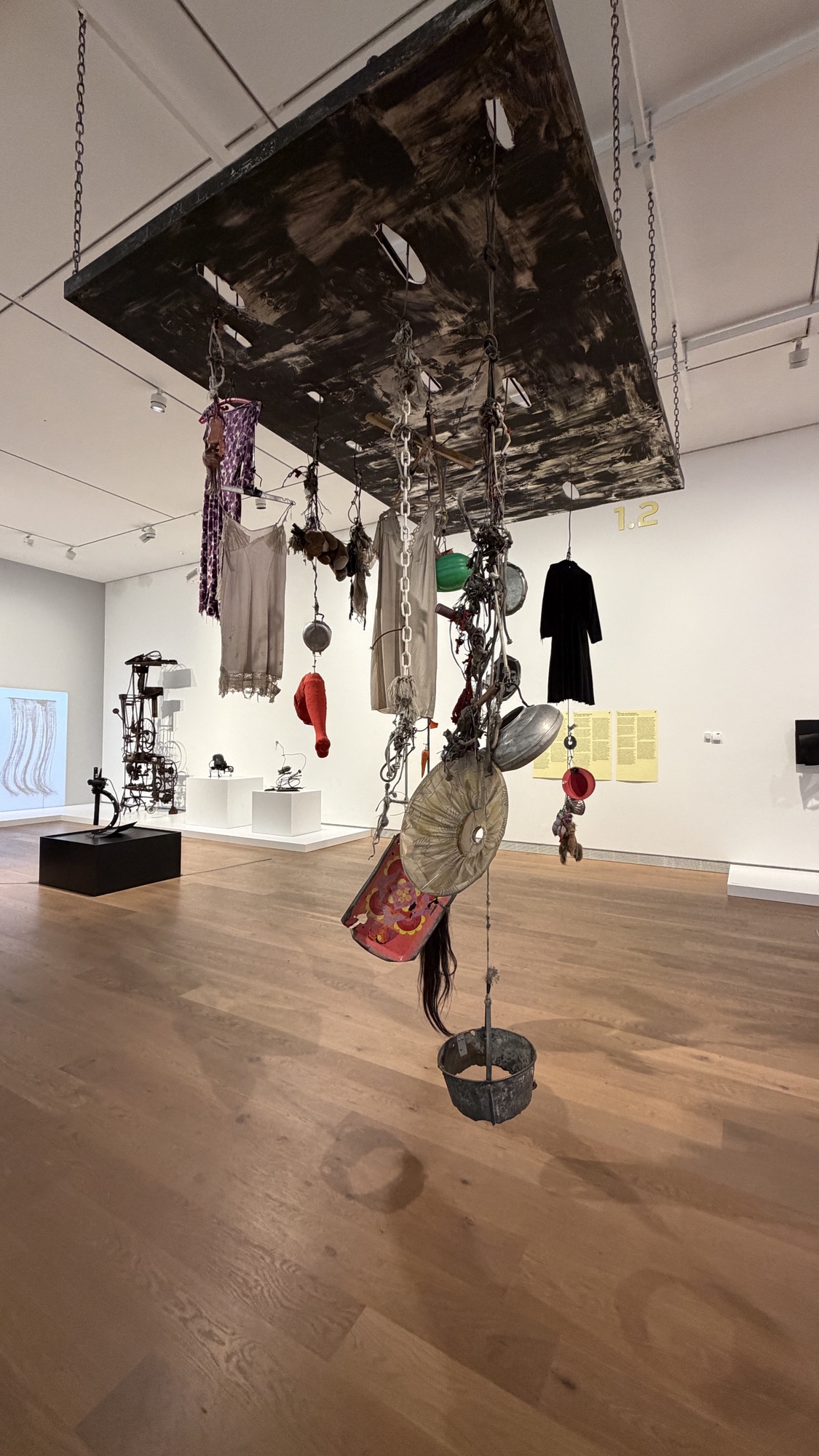
Chez Jeannot
Lunch takes place within the museum complex. Chez Jeannot offers simple, well-executed dishes and a terrace directly facing the Rhine, ideal for slowing down before heading back into the historic centre.
Paul Sacher-Anlage 1, Basel
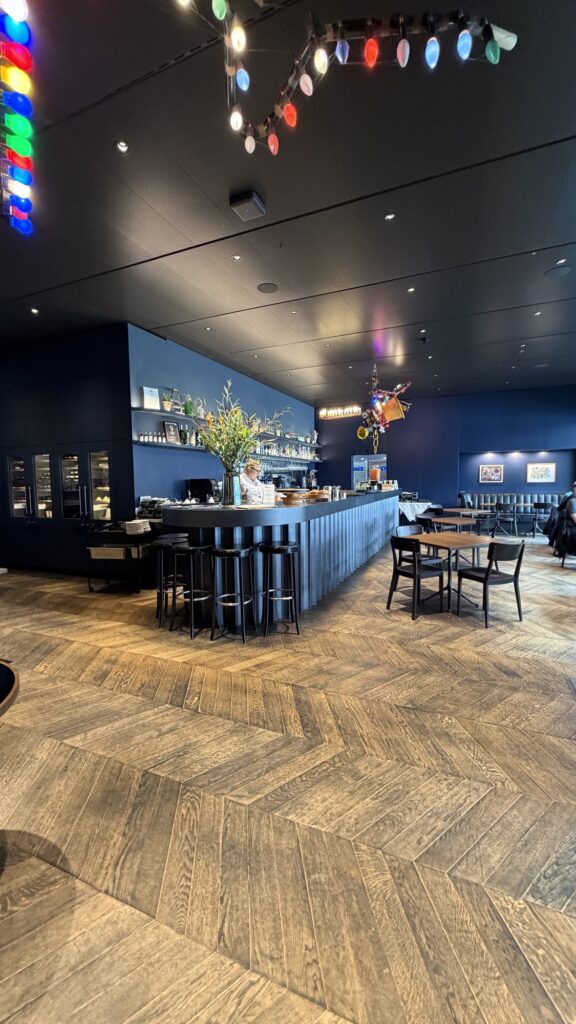
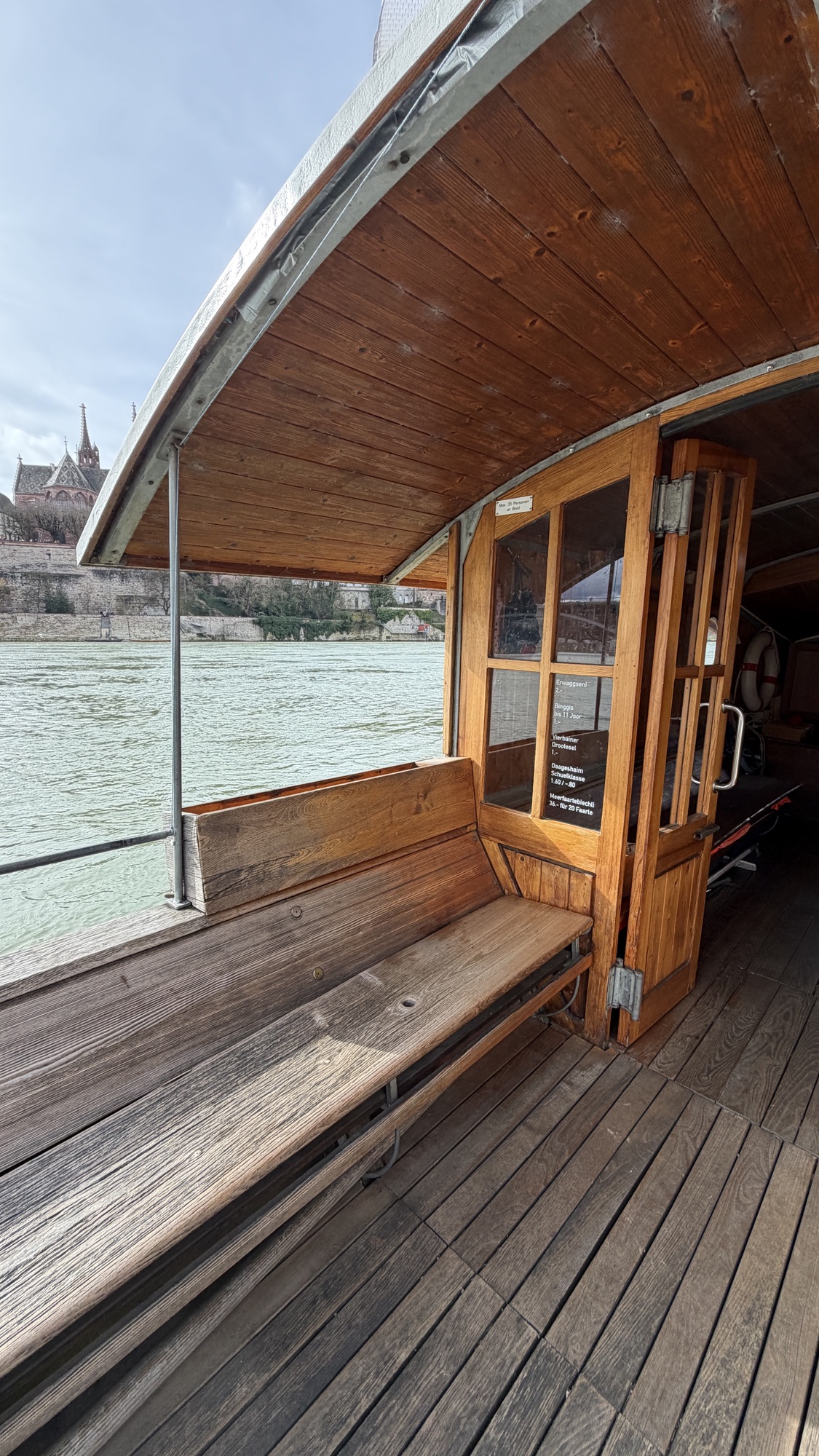
Rhine Ferry Basel
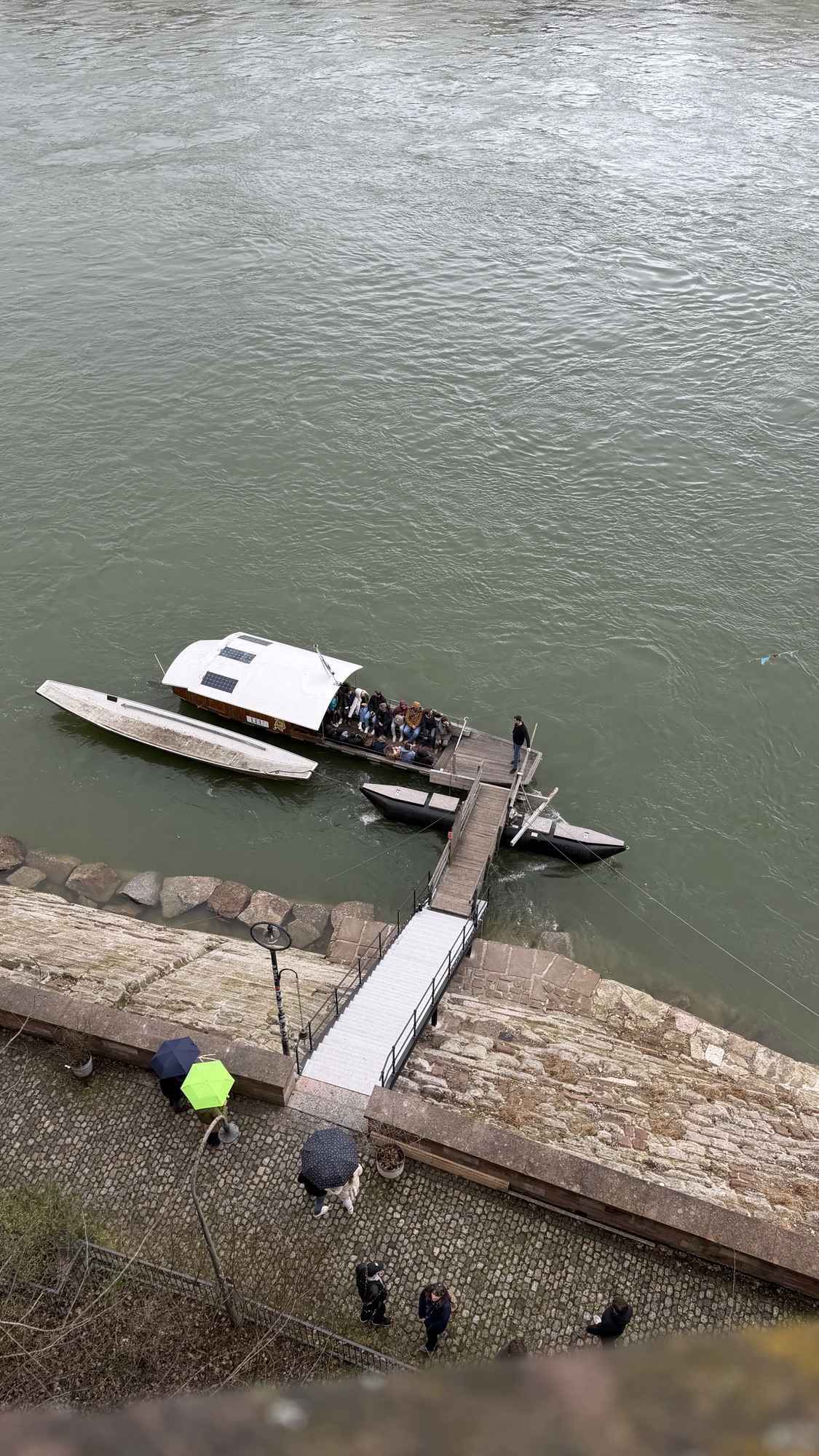
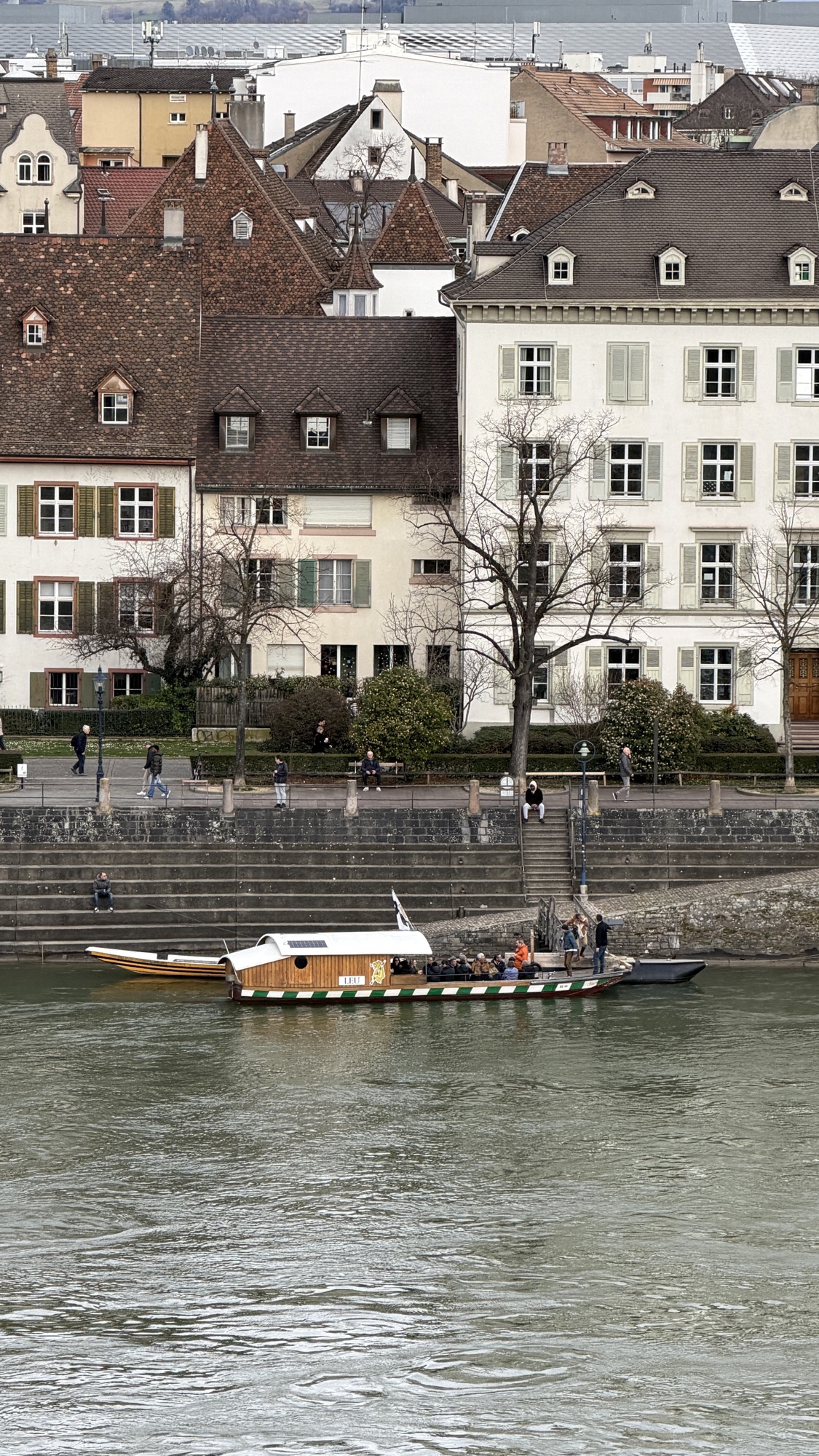
Crossing the Rhine by Fähri is a small but memorable ritual. The traditional ferry has no engine and relies solely on the current. It is part of daily life in Basel and one of the most authentic ways to experience the river. The fare is around CHF 2 per adult.
Rhine ferry landings, Basel
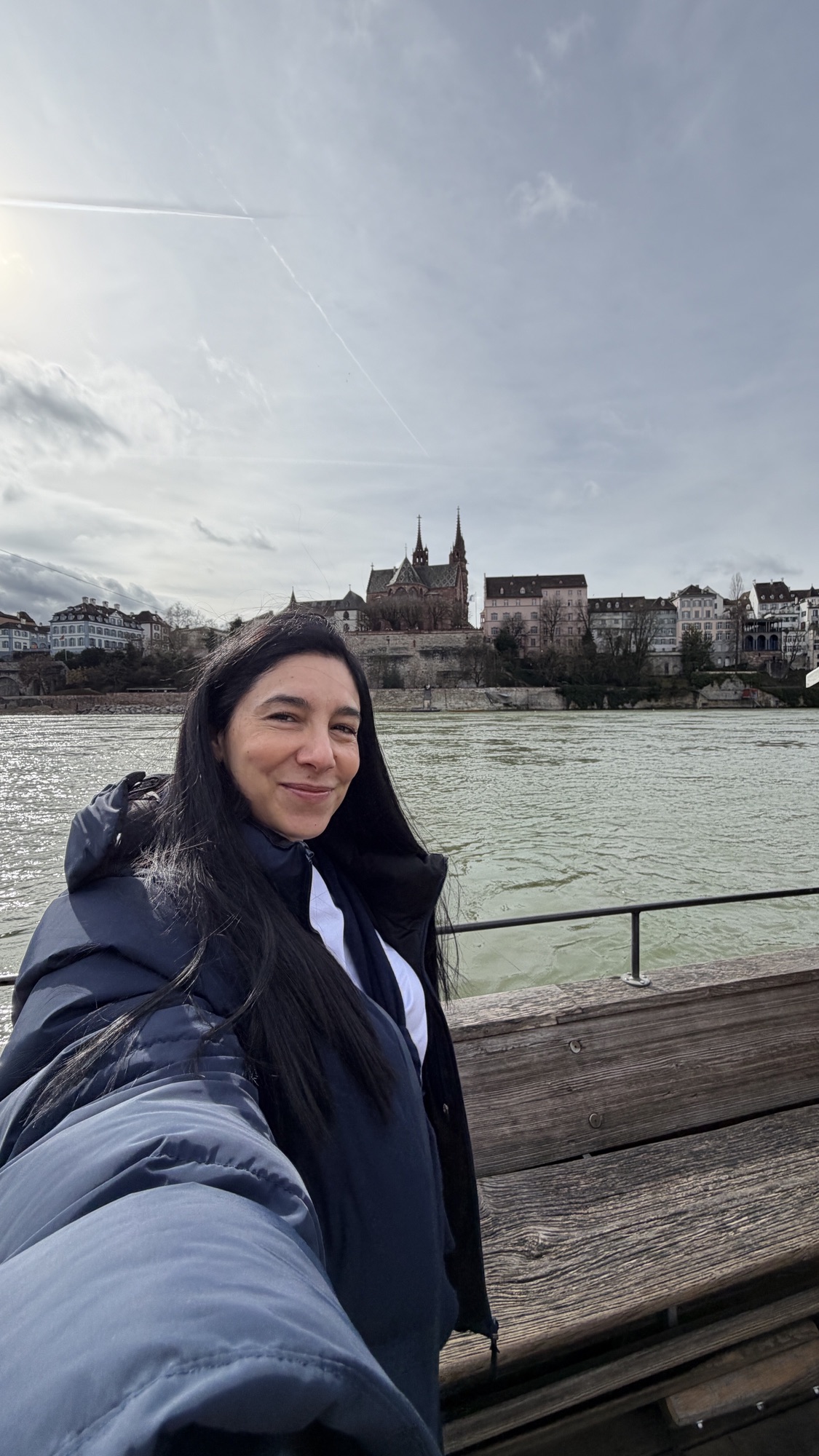
Basel Minster
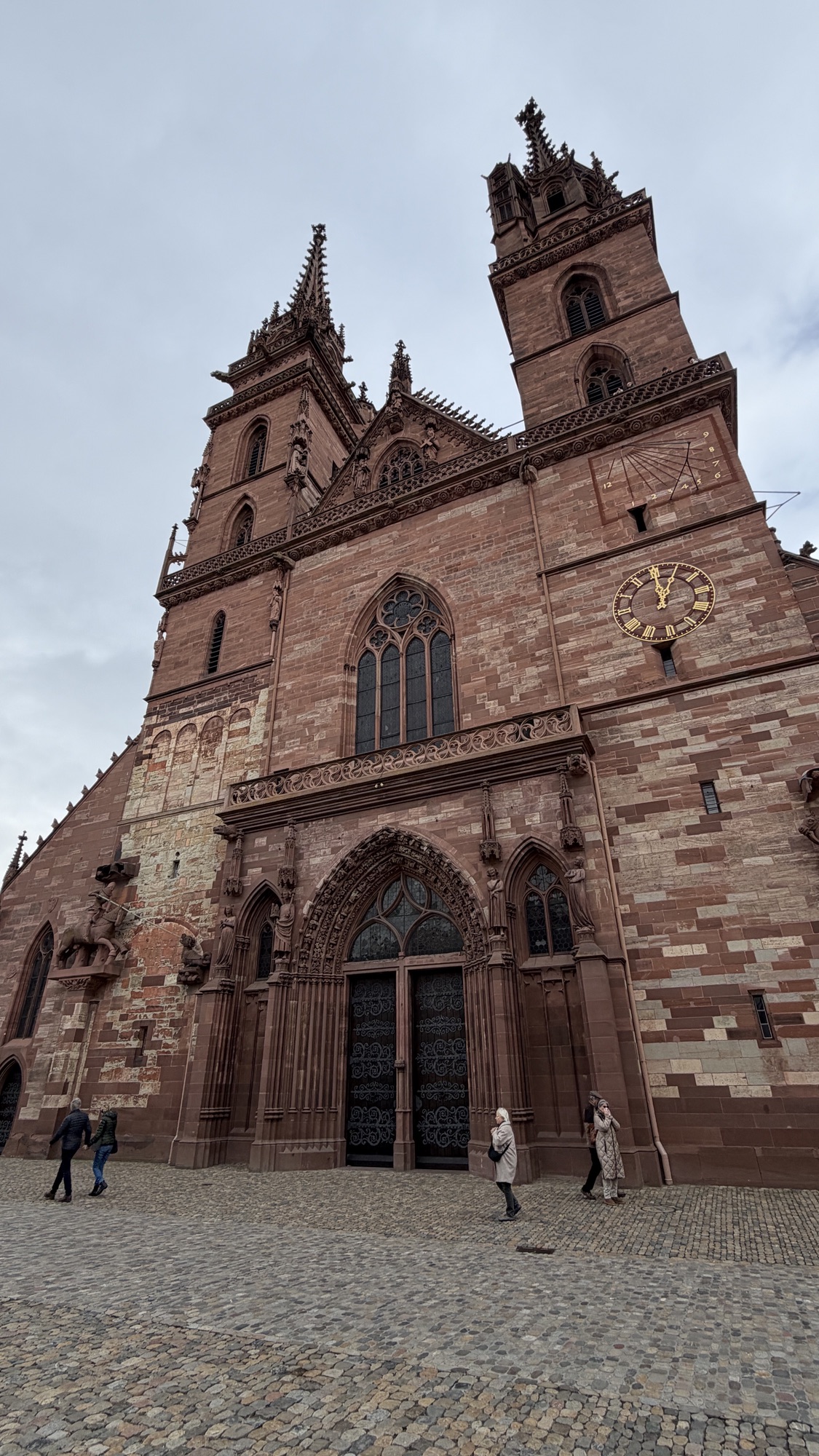
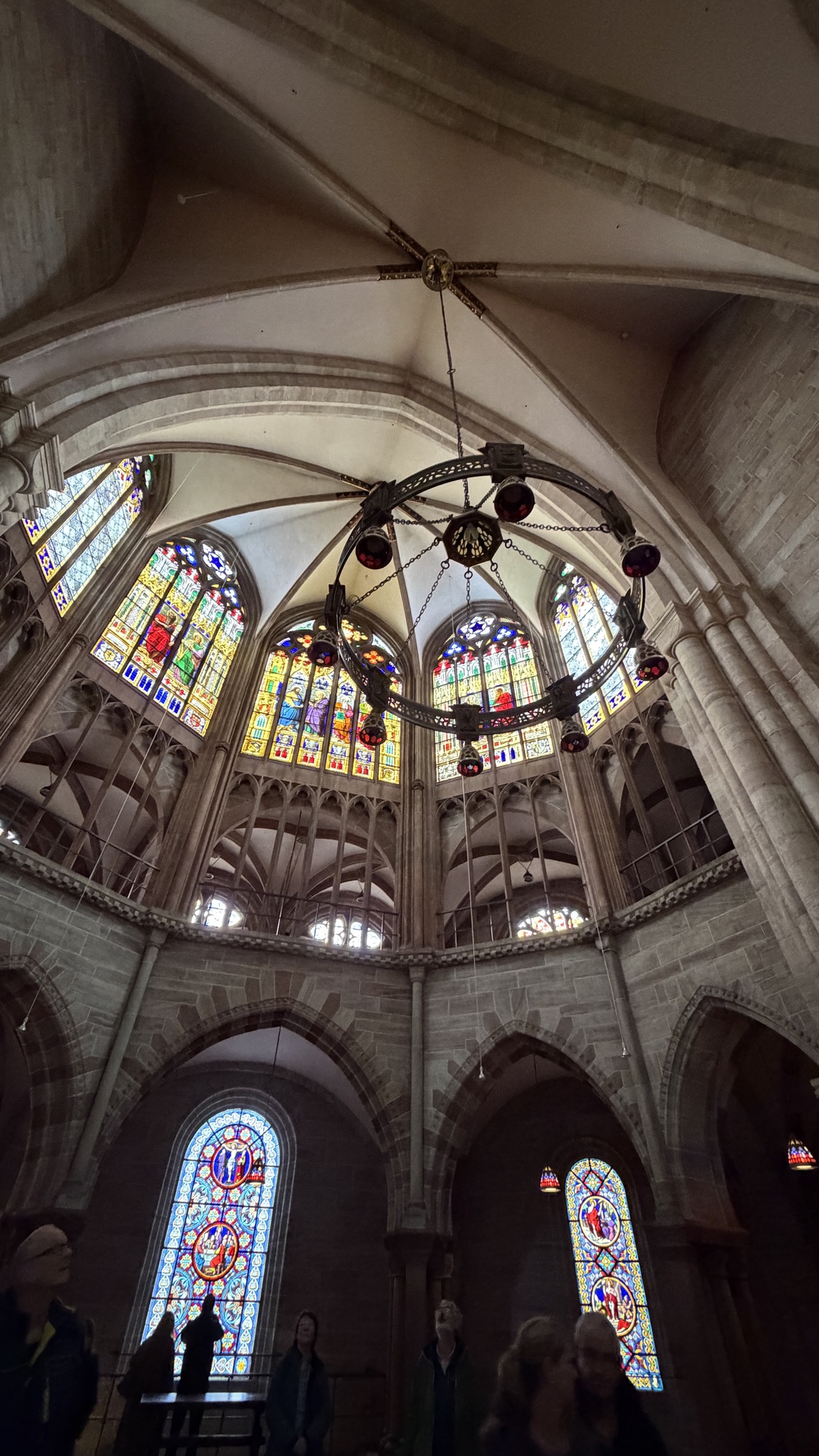
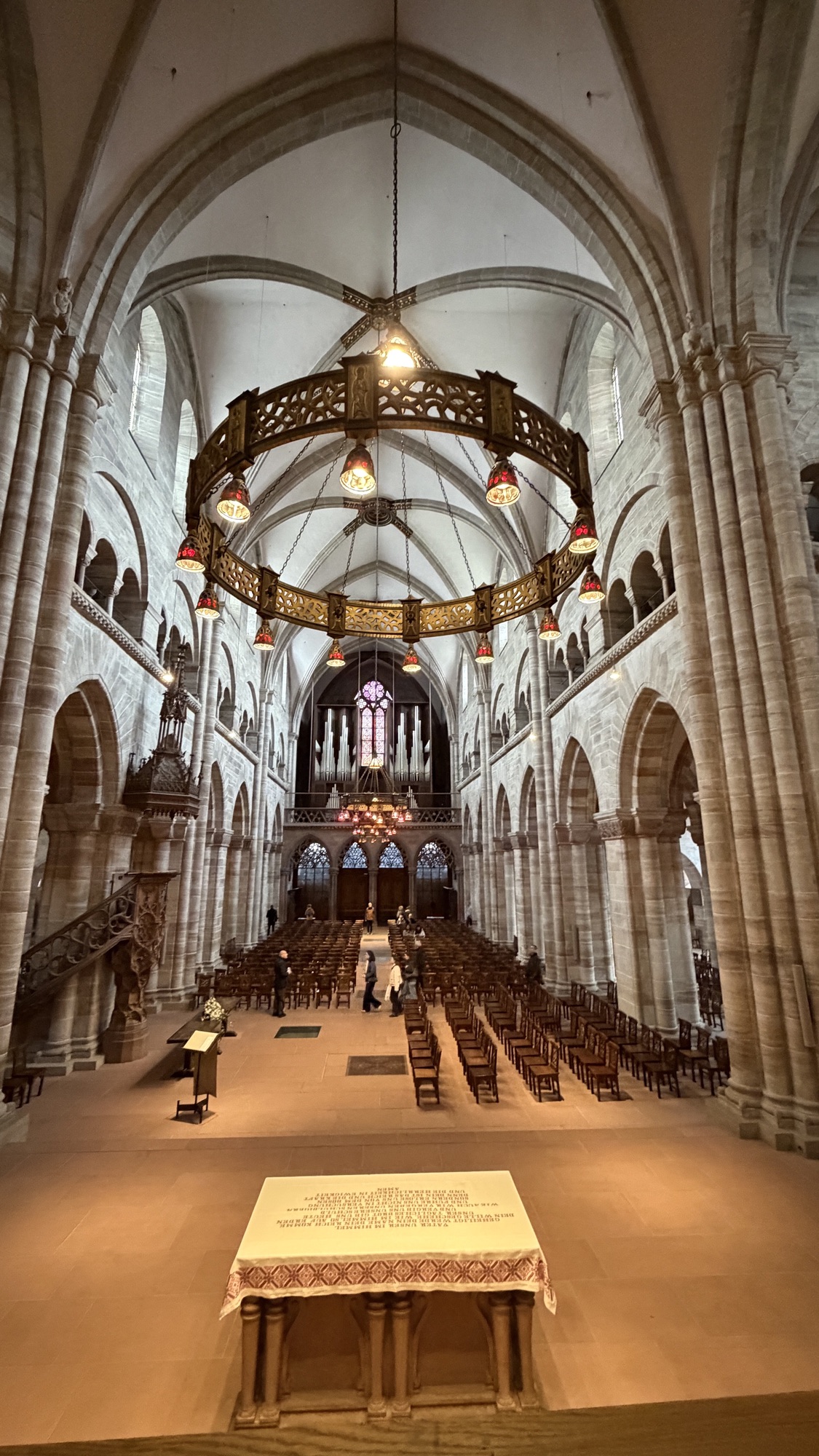
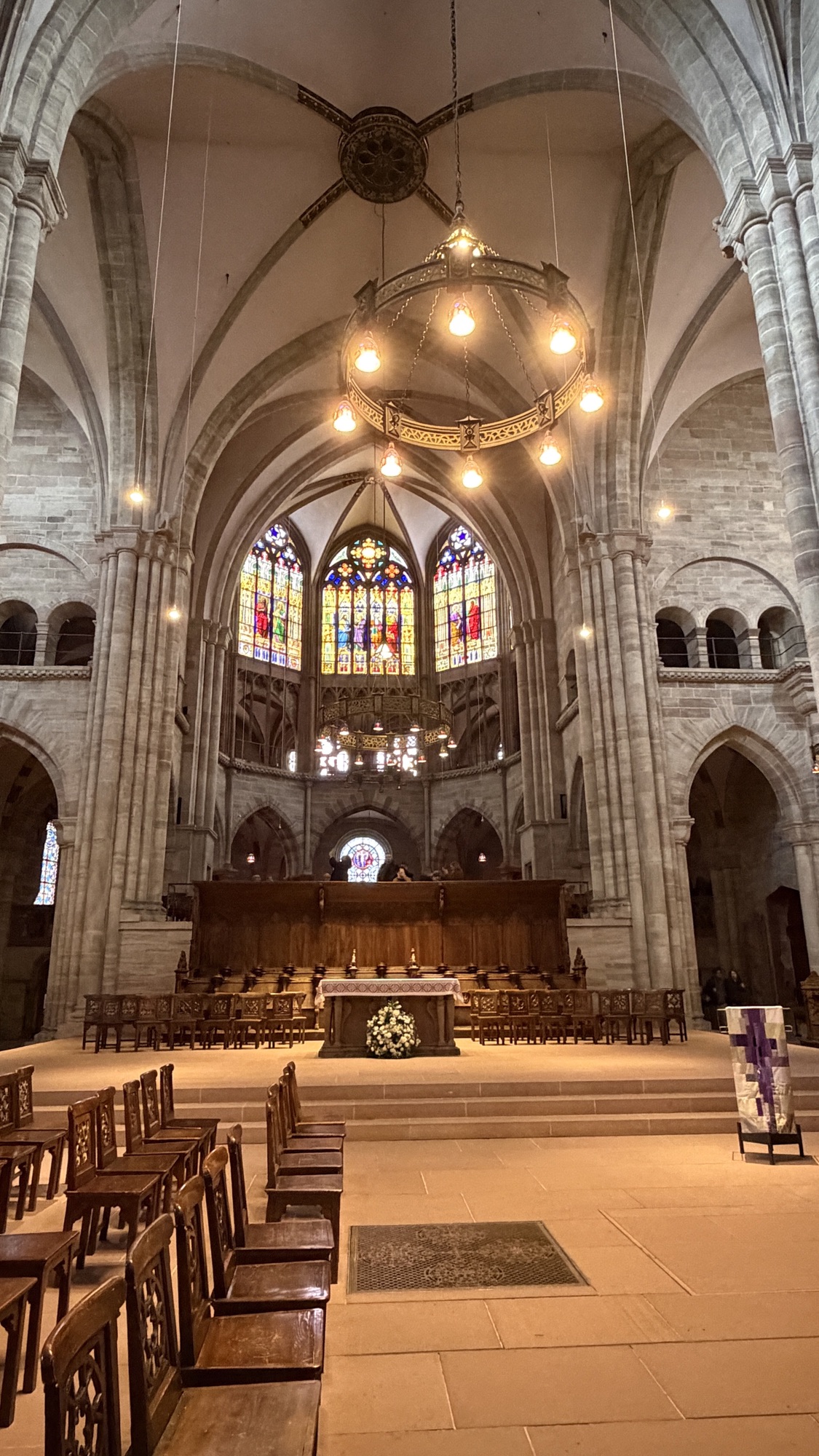
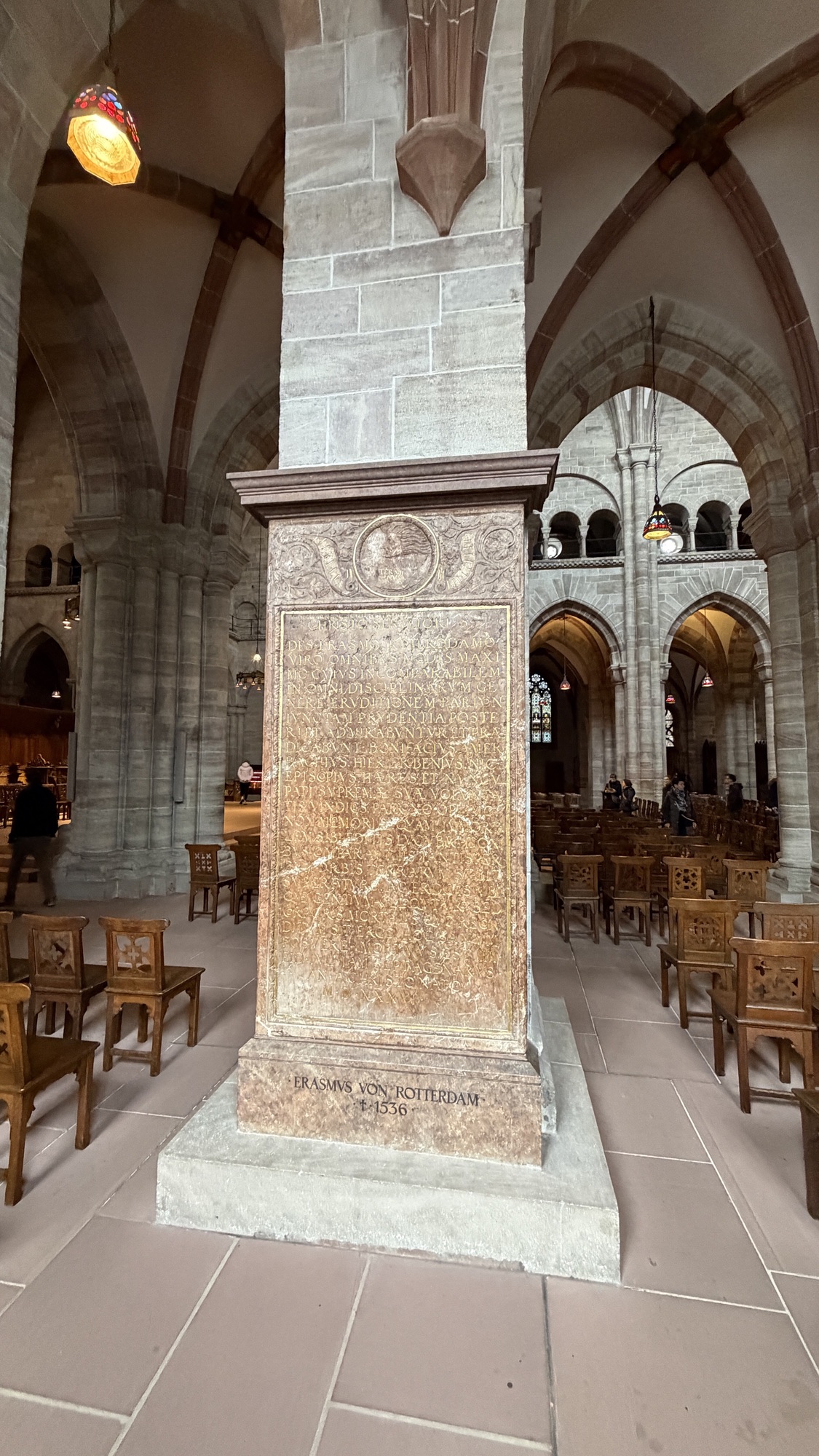
Basel Minster is one of the city’s key landmarks, architecturally and culturally. Built between the 11th and 14th centuries, it combines Romanesque and Gothic elements and dominates the city from the Münsterhügel. Inside is the tomb of Erasmus of Rotterdam, who lived and taught in Basel, highlighting the city’s role in the spread of European Humanism. The cloister is one of the most atmospheric and peaceful spaces in the old town.
Münsterplatz, Basel
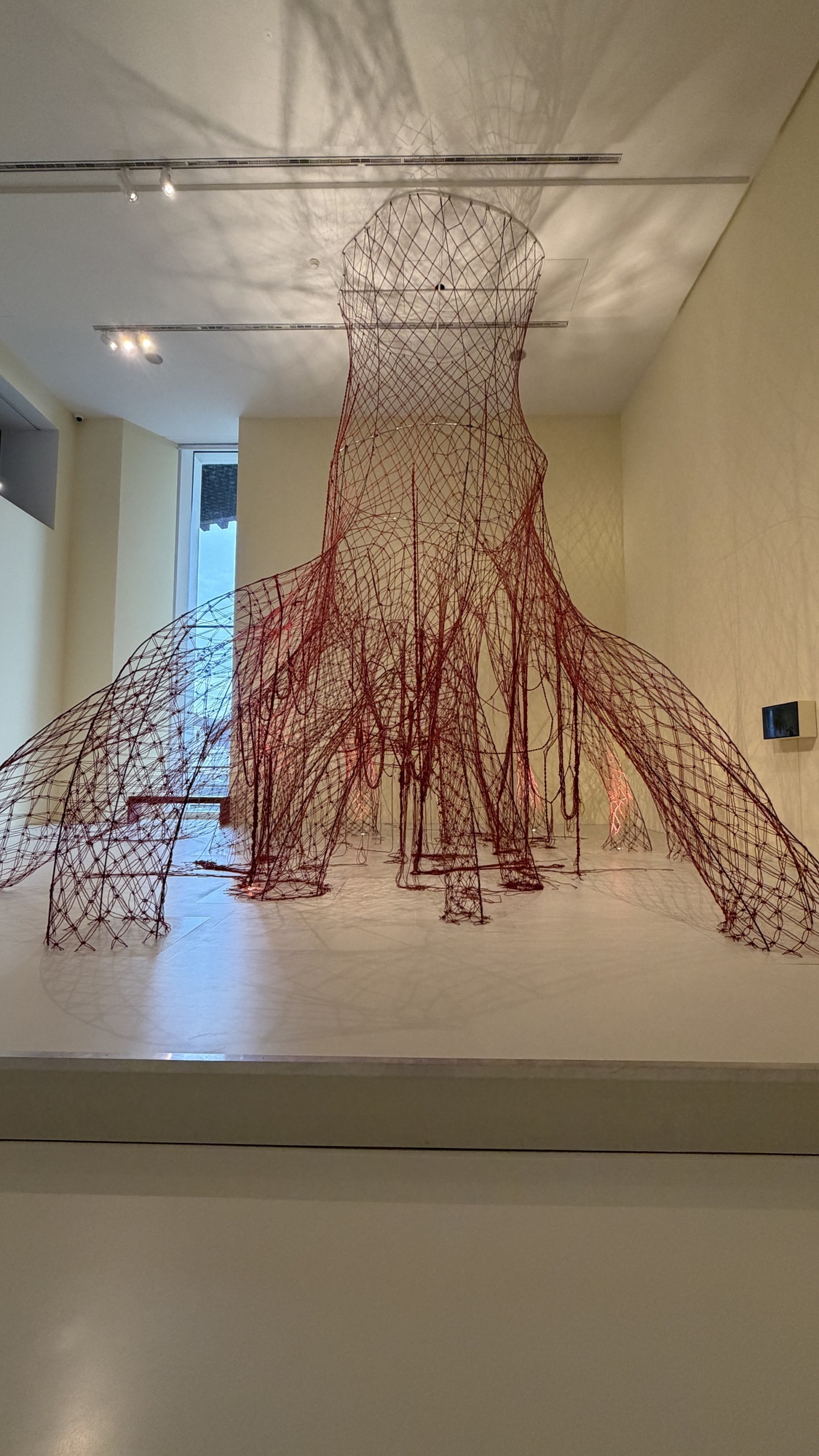
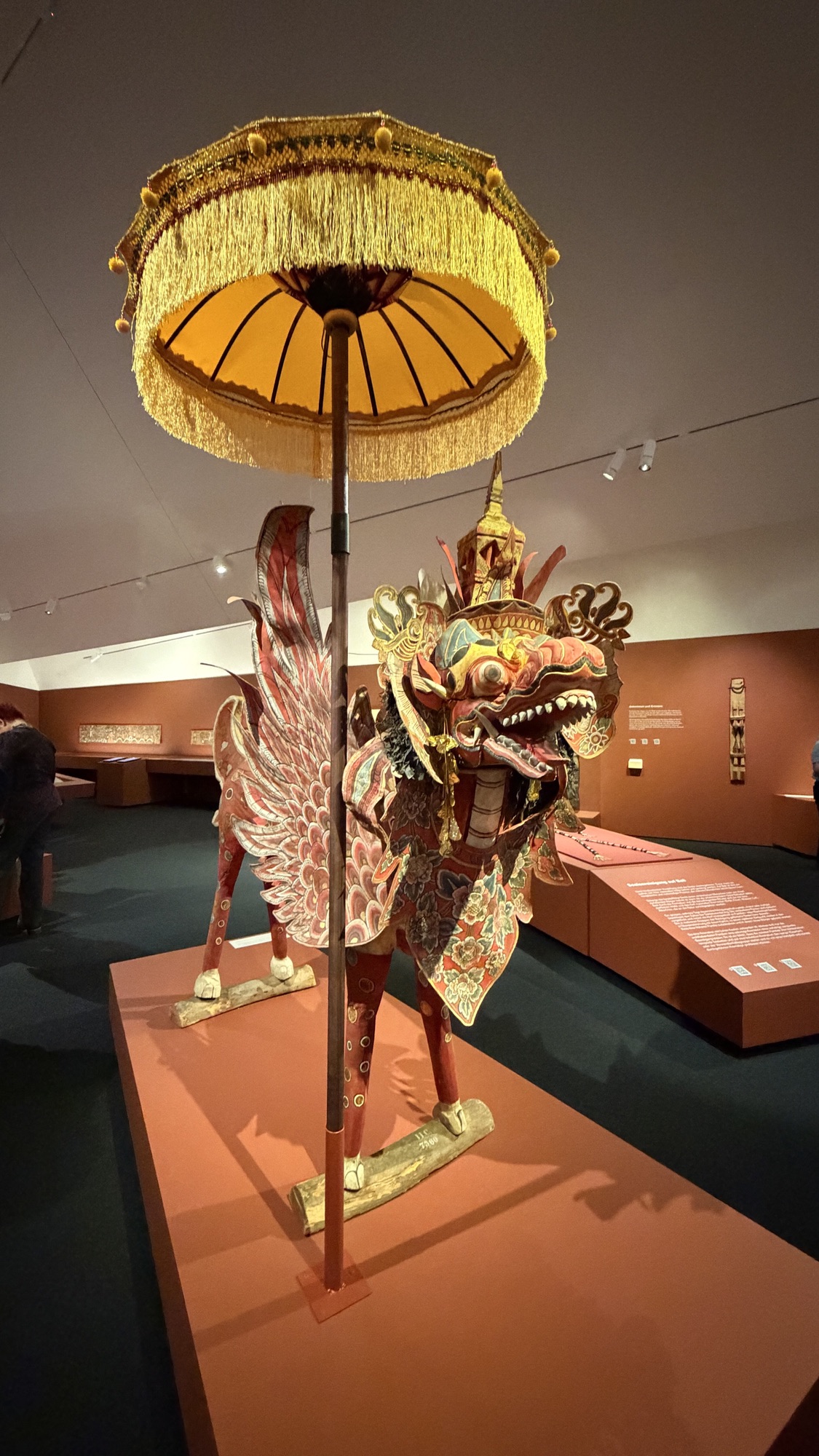
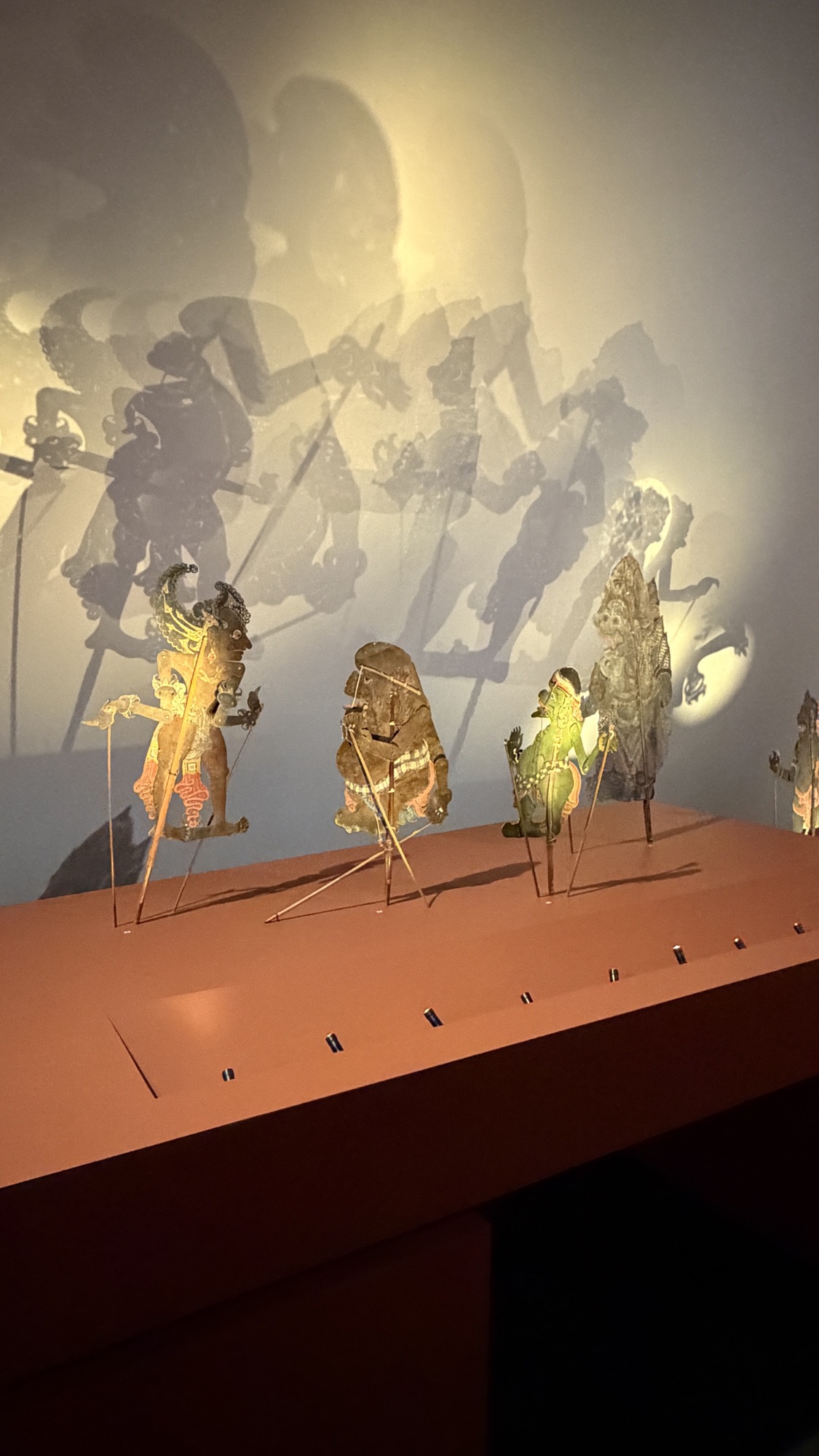
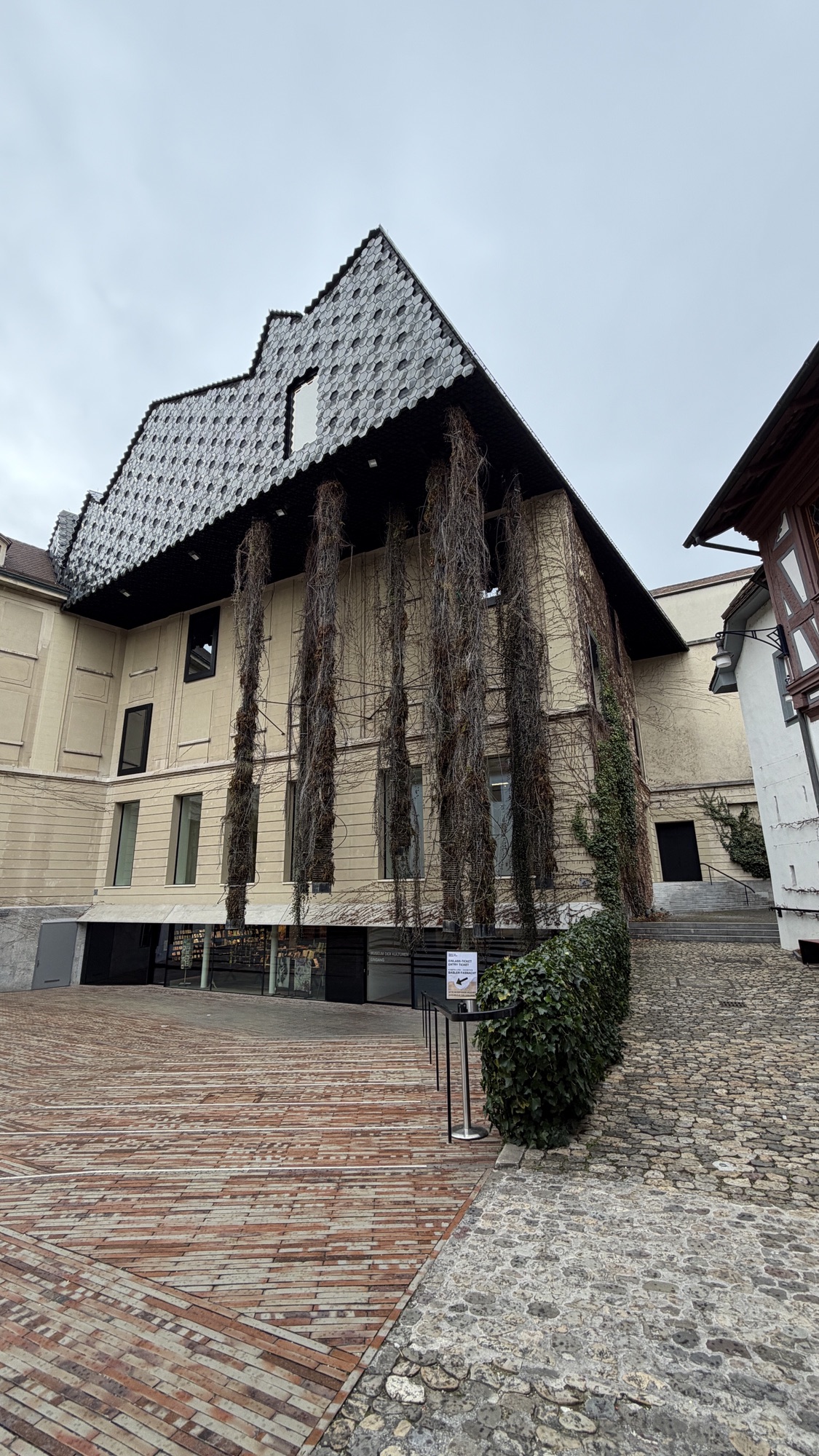
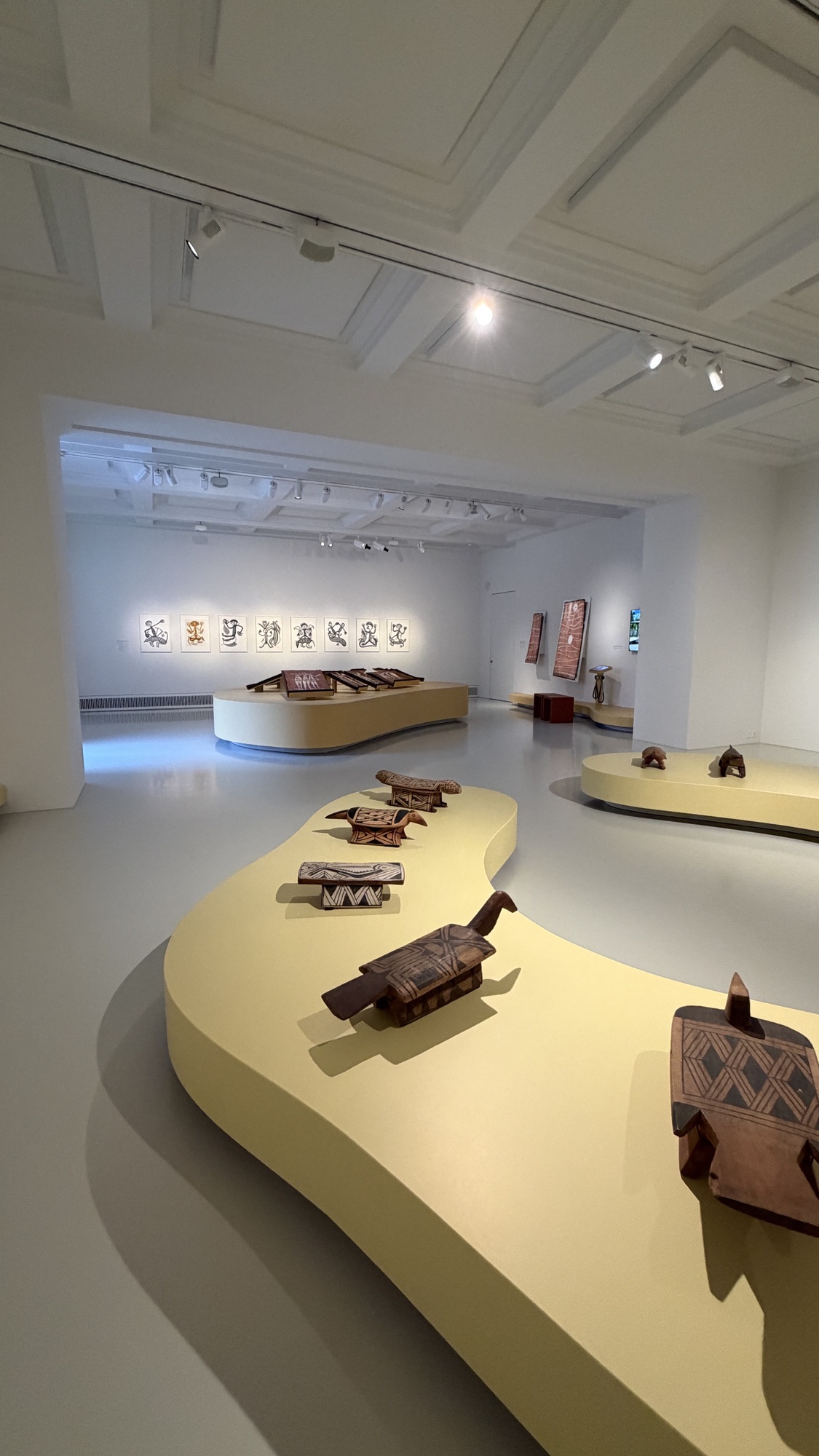
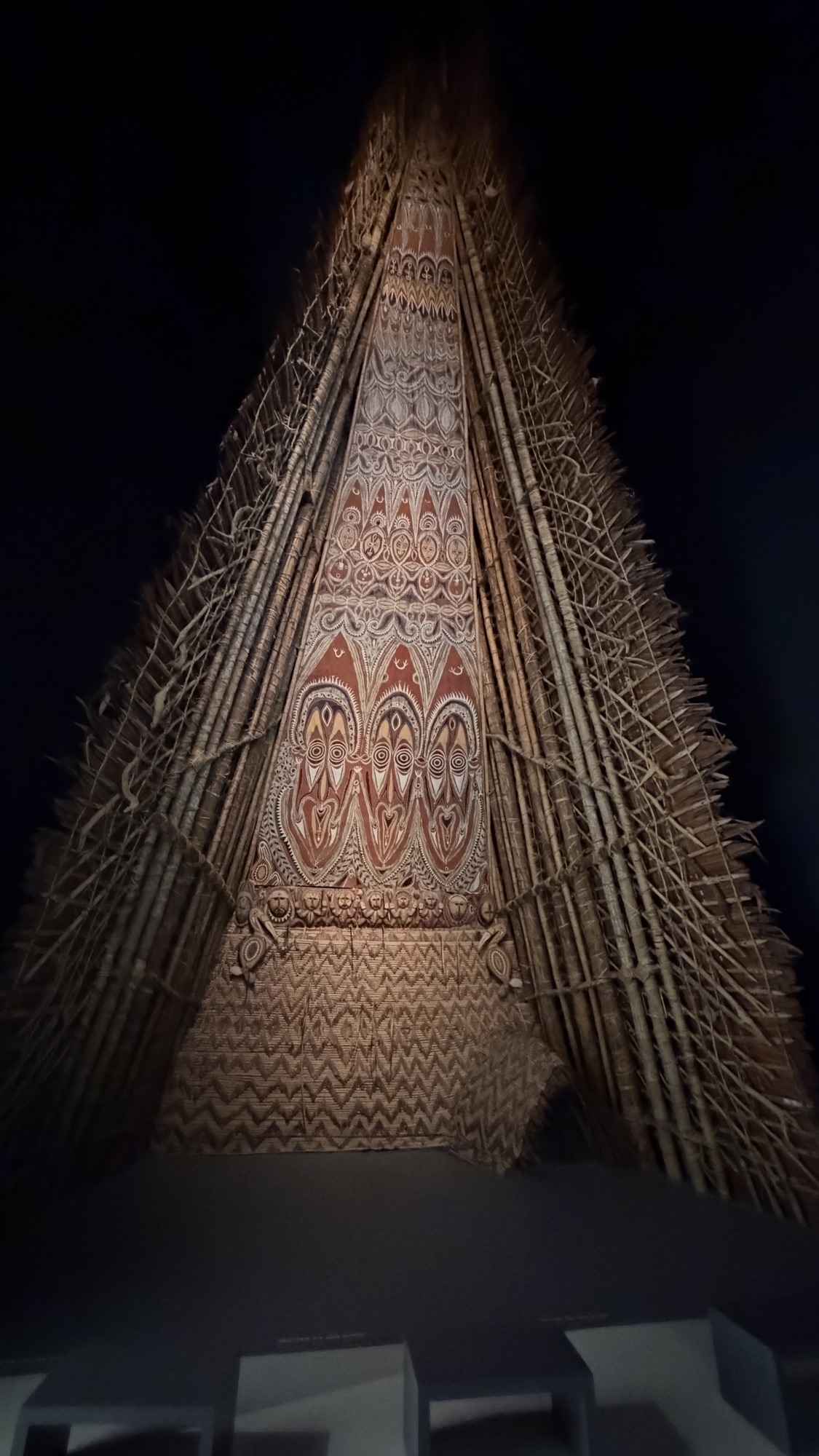
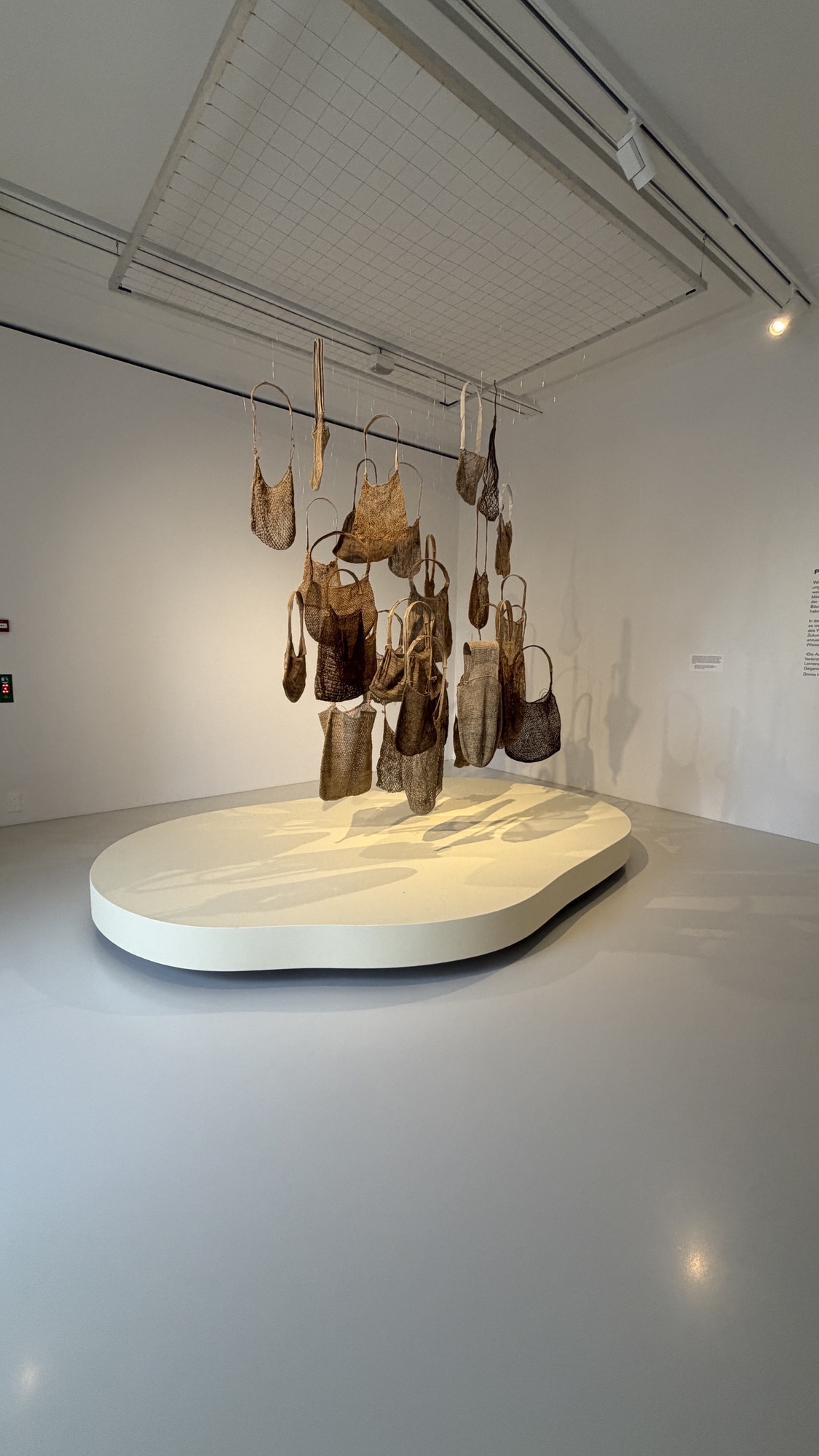
Museum der Kulturen Basel
Considered one of Europe’s most interesting ethnographic museums, it stands out for its contemporary, non-colonial approach. Objects, rituals and stories are presented in a balanced, thoughtful way, encouraging reflection rather than didactic reading.
Münsterplatz 20, Basel
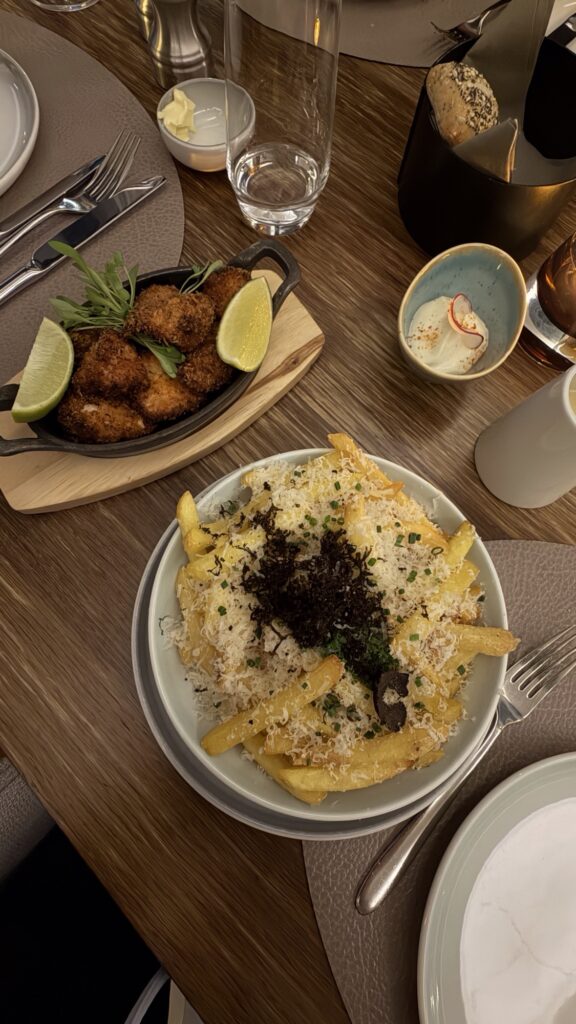
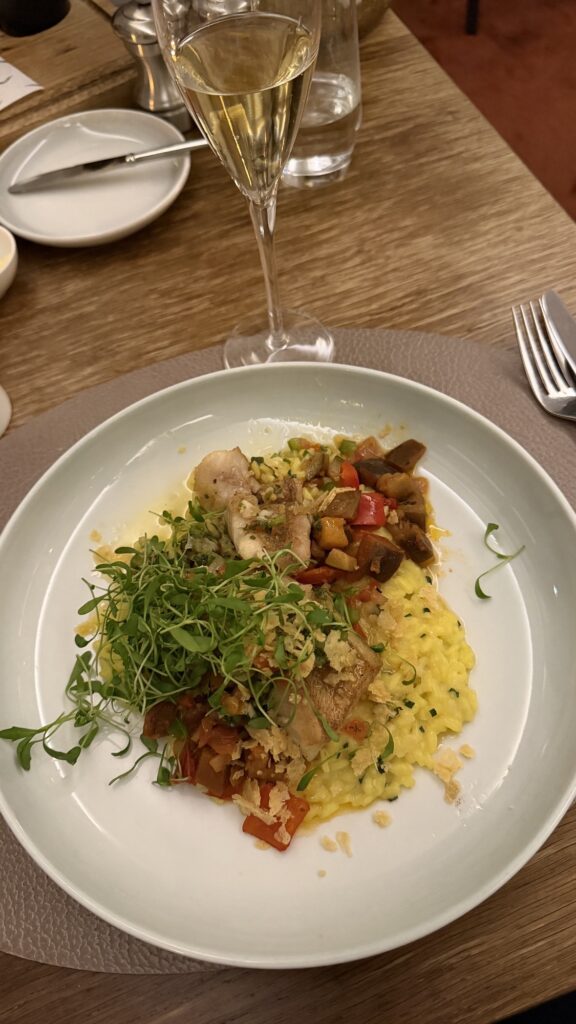
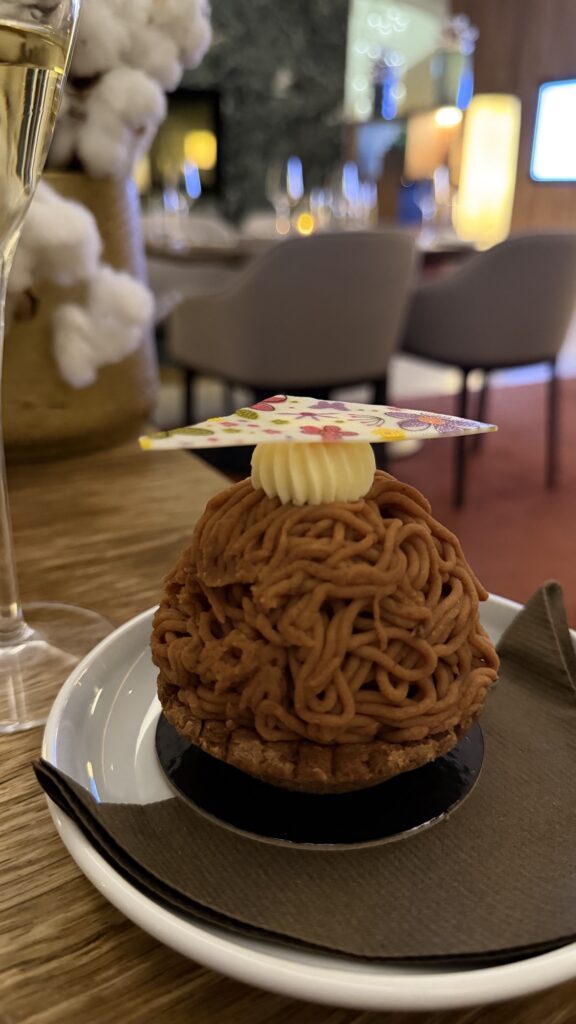
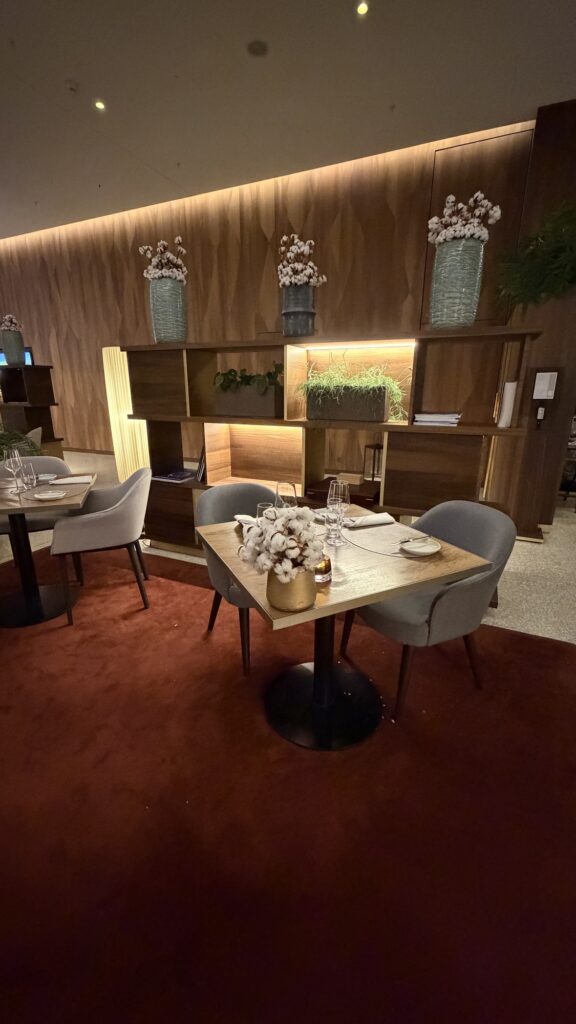
MPS Bistro & Bar
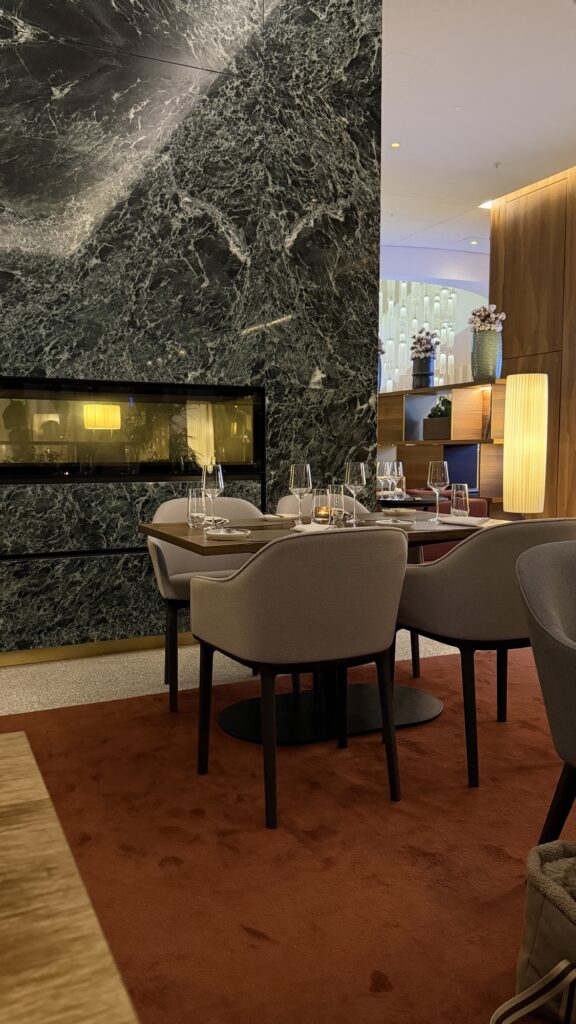
Dinner is relaxed and convenient. The food is good, and its location inside the hotel makes it especially comfortable after a full day of walking and visits.
Aeschengraben 25, Basel
Day 3 – Details and local life
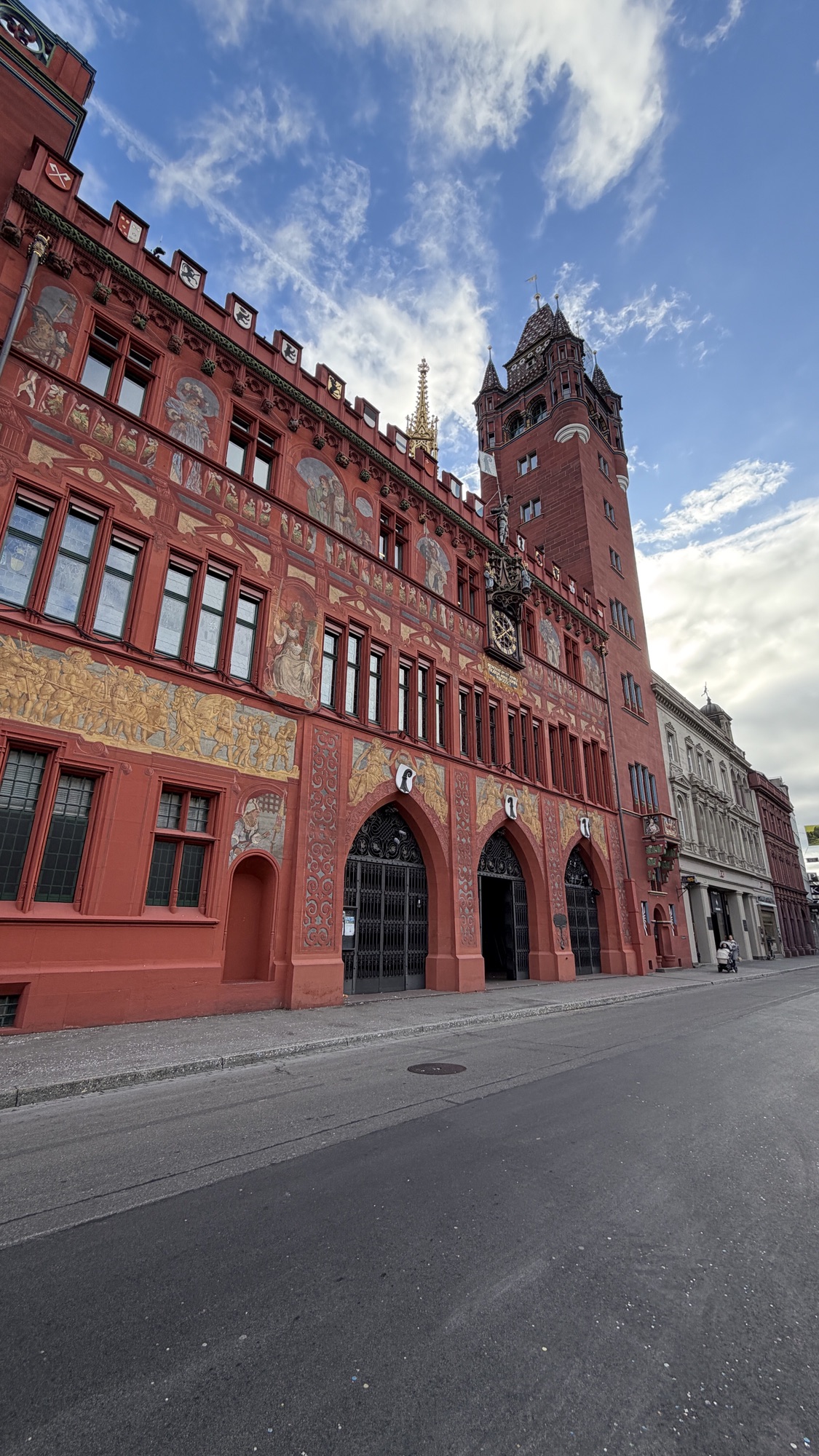
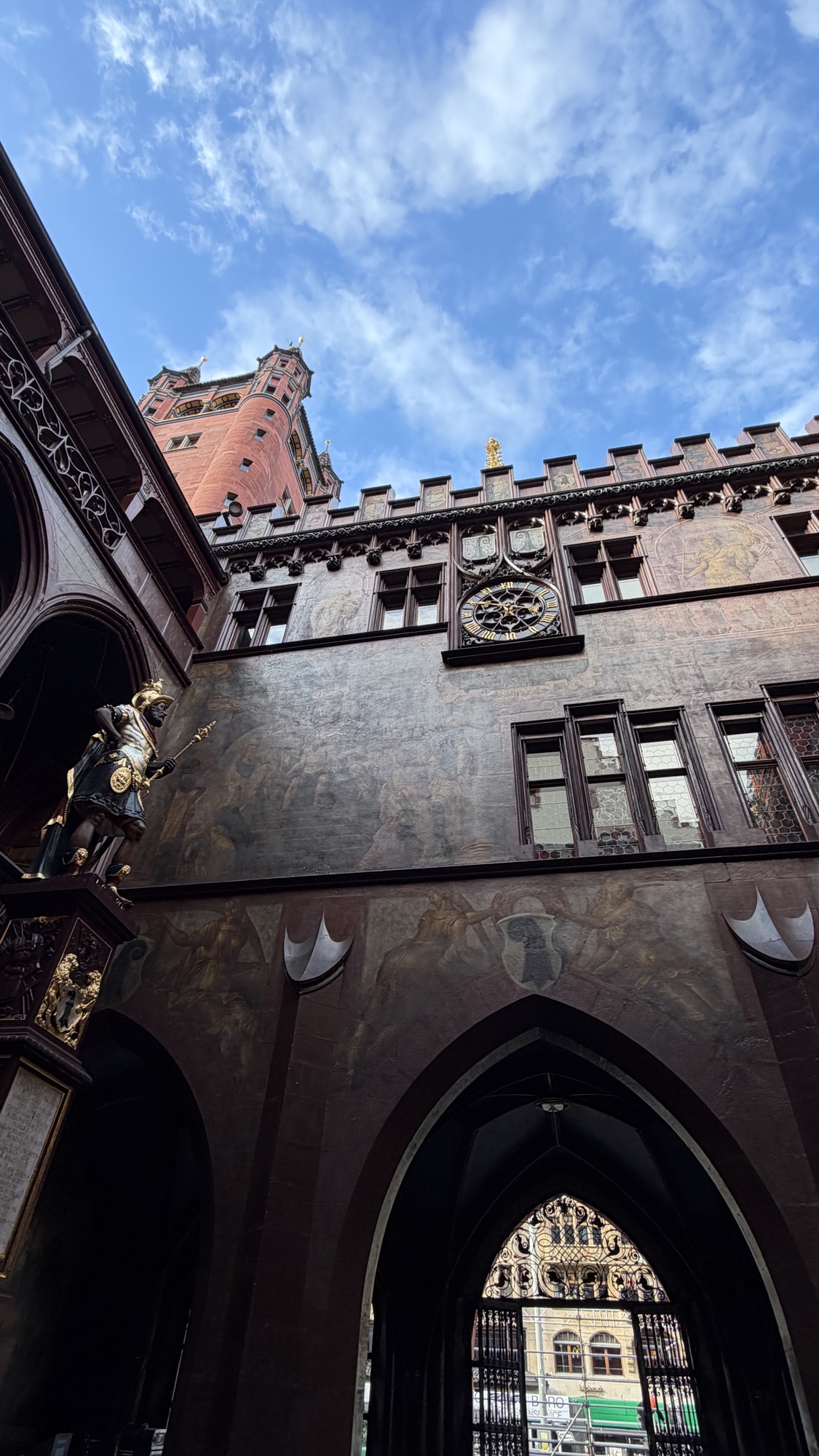
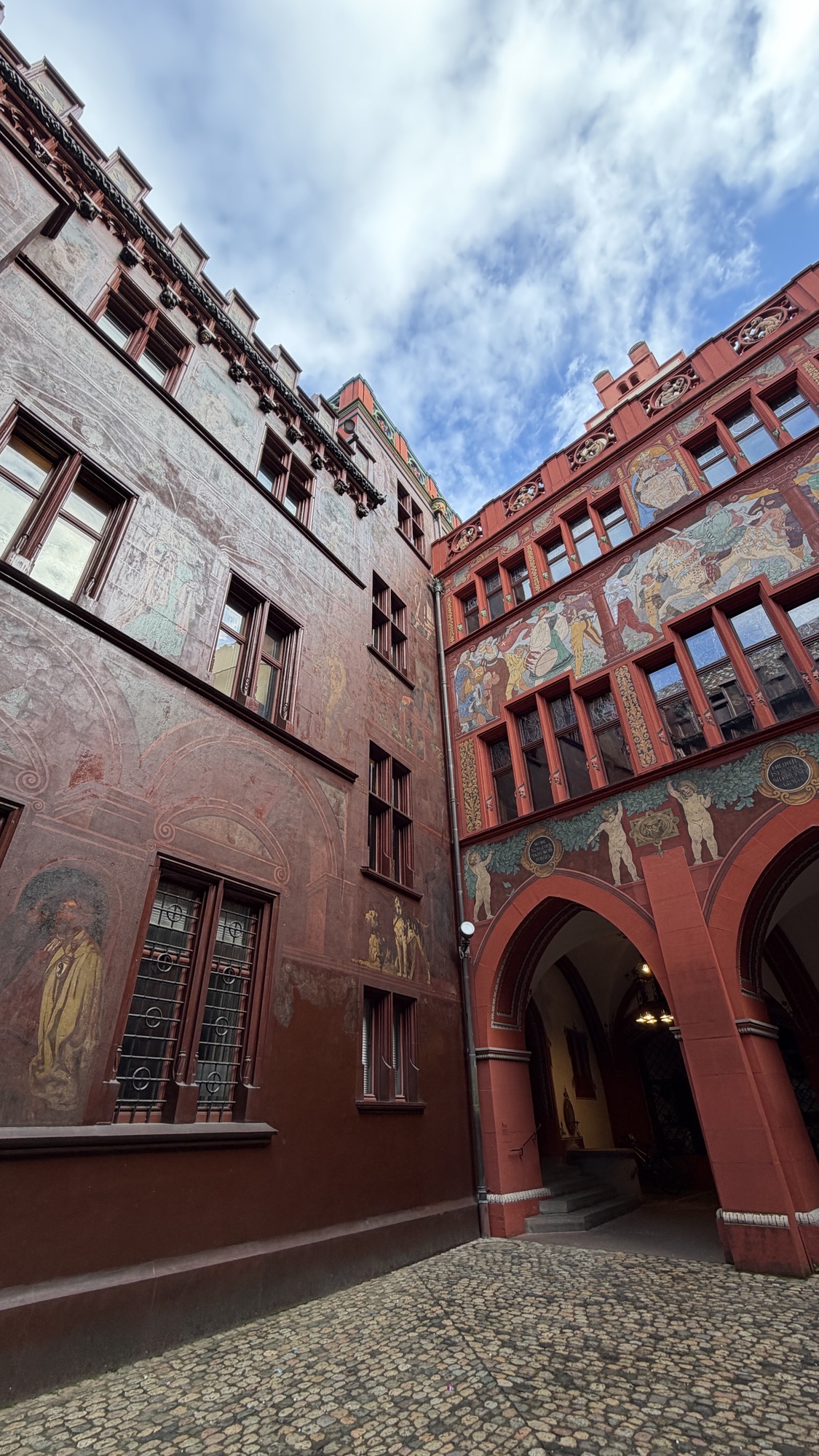
Basel Town Hall
The red sandstone façade of the Rathaus is one of Basel’s most recognisable images. Its frescoes and inner courtyard tell the story of centuries of civic independence and strong local identity.
Marktplatz, Basel
Confiserie Beschleuniger
A classic local stop for something sweet, perfect for watching daily life unfold in the square.
Marktplatz 4, Basel
Johann Wanner Christmas House
Basel’s most famous Christmas shop is open all year round. The decorations are meticulously curated, and the shop also offers worldwide shipping, making it easy to purchase without worrying about transport.
Spalenberg 14, Basel
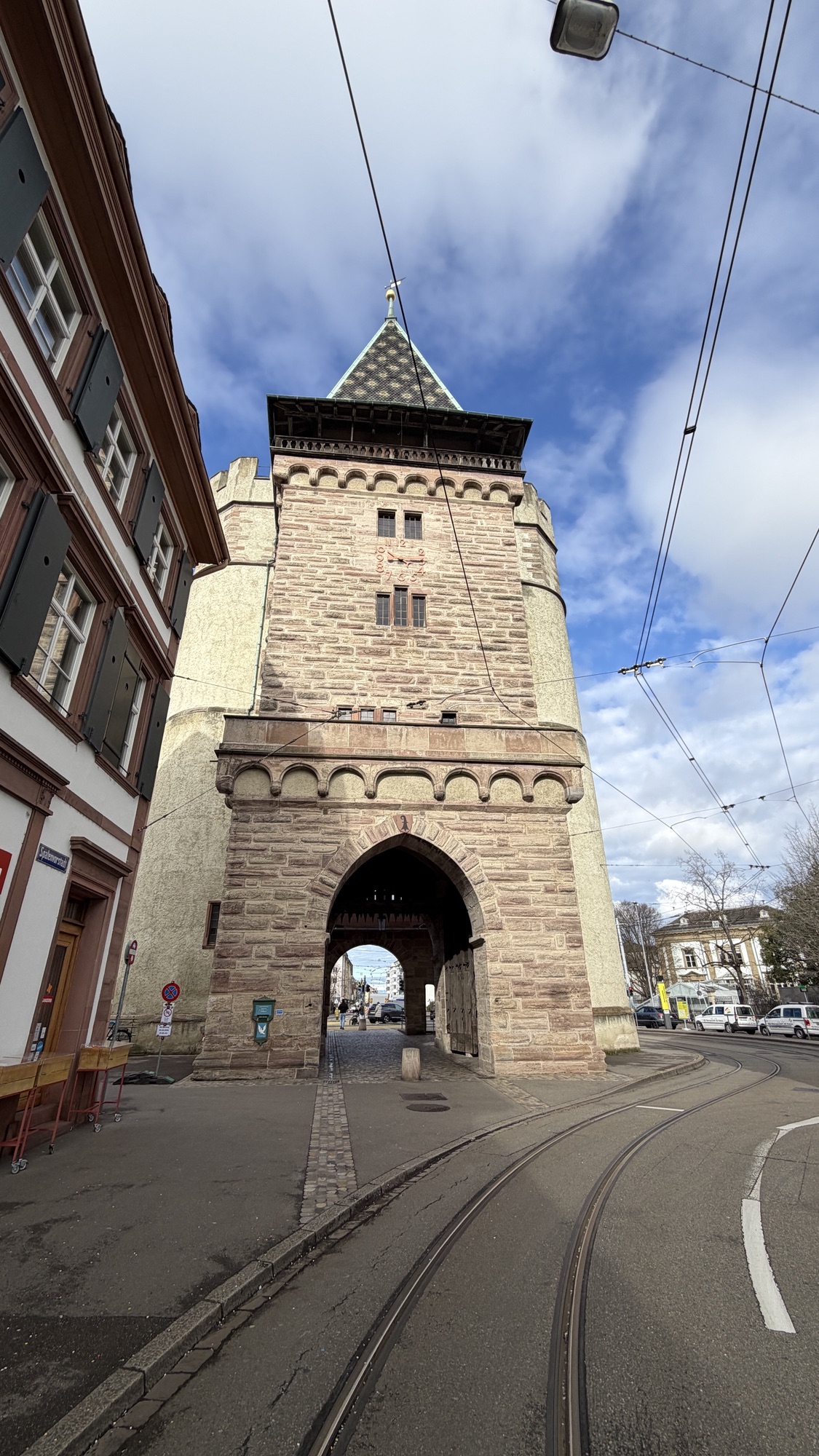
Spalentor
One of Switzerland’s best-preserved medieval city gates, recalling Basel’s fortified past.
Spalenvorstadt, Basel
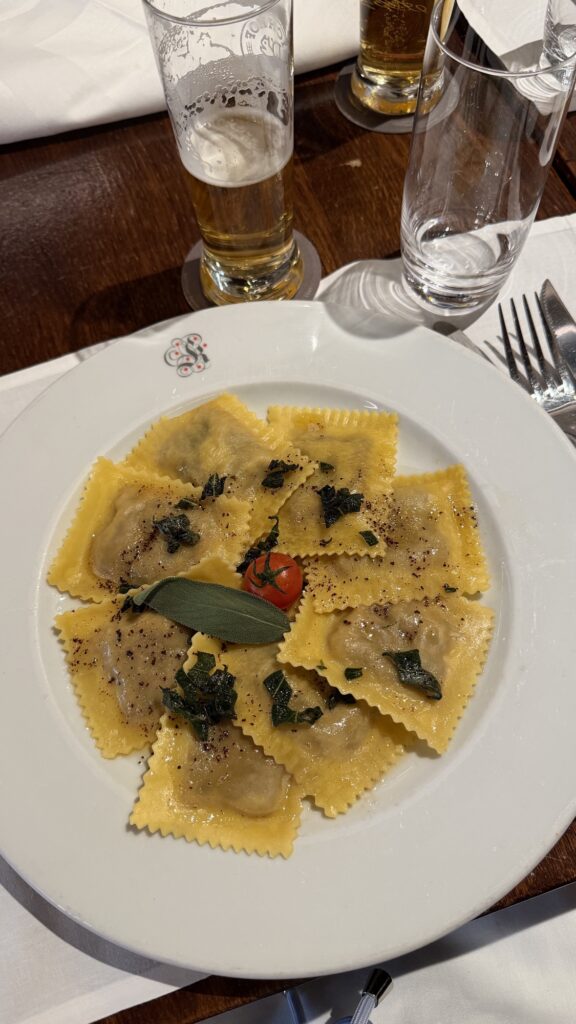
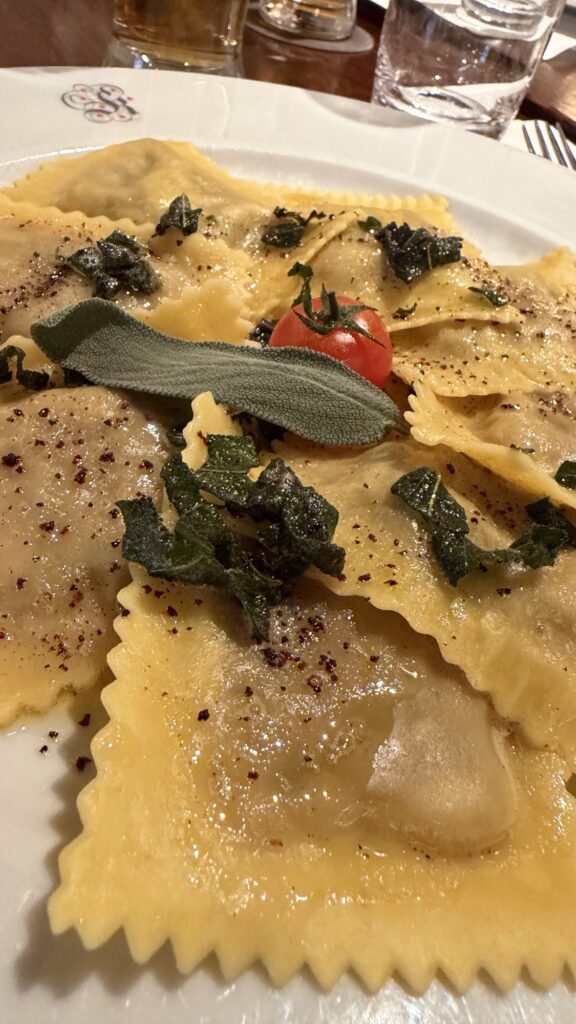
Restaurant Walliser Kanne
To end the trip at the table, this historic restaurant serves traditional Swiss cuisine in an authentic, unpretentious setting.
Gerbergasse 50, Basel
Markthalle Basel
A covered market popular with locals, ideal for a final glimpse of everyday Basel before departure.
Steinentorberg 20, Basel
Getting around Basel
At hotel check-in, guests receive the BaselCard, which allows free use of public transport throughout the city and surrounding area. The hotel booking confirmation also serves as a ticket for the initial transfer from the station or airport.
Basel’s tram and bus network is dense, punctual and easy to understand. The historic centre is walkable, while areas such as Riehen or the Museum Tinguely are easily reached by public transport. The official Basel city app is useful for maps, transport information, museum hours and current events.
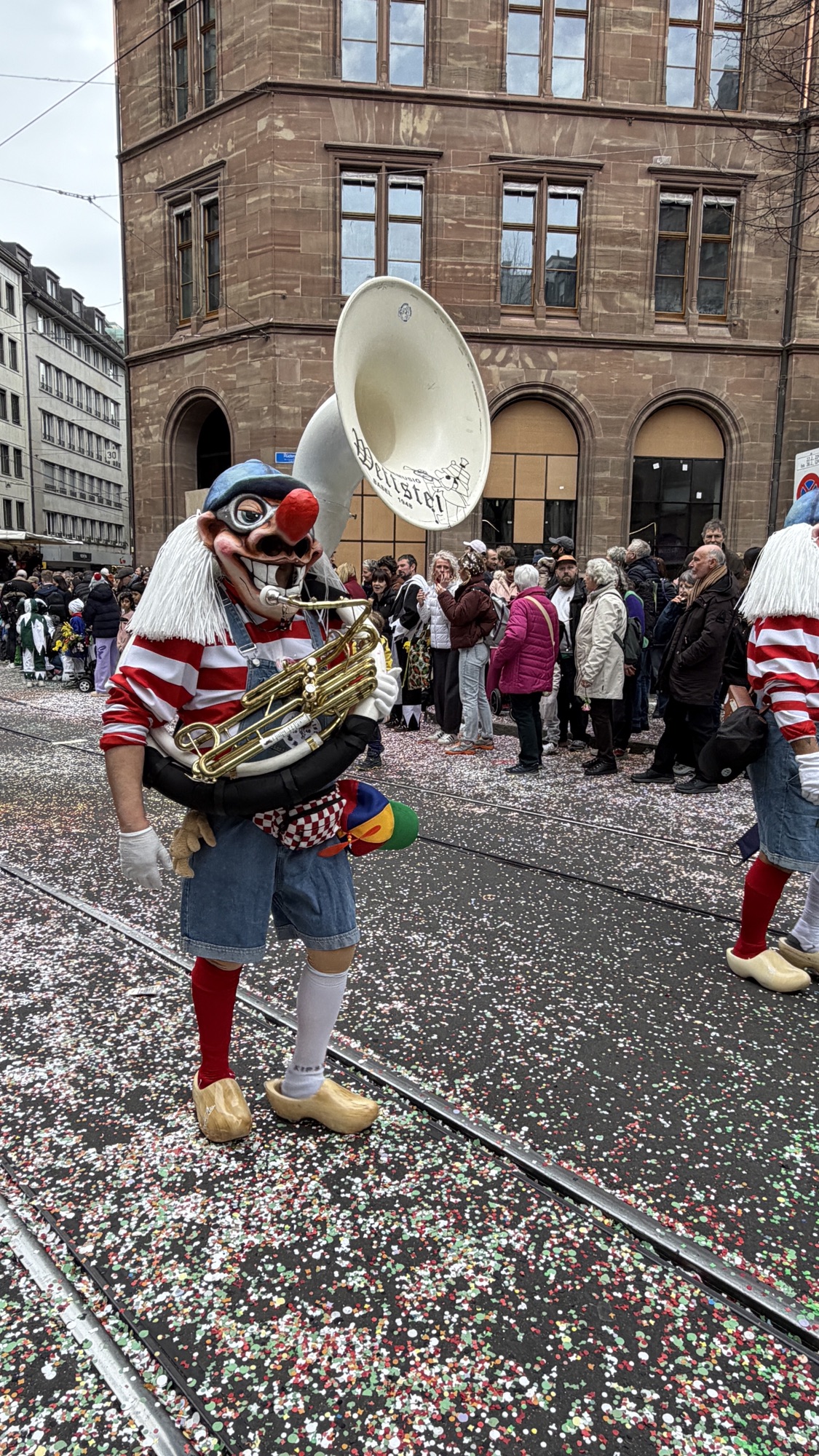
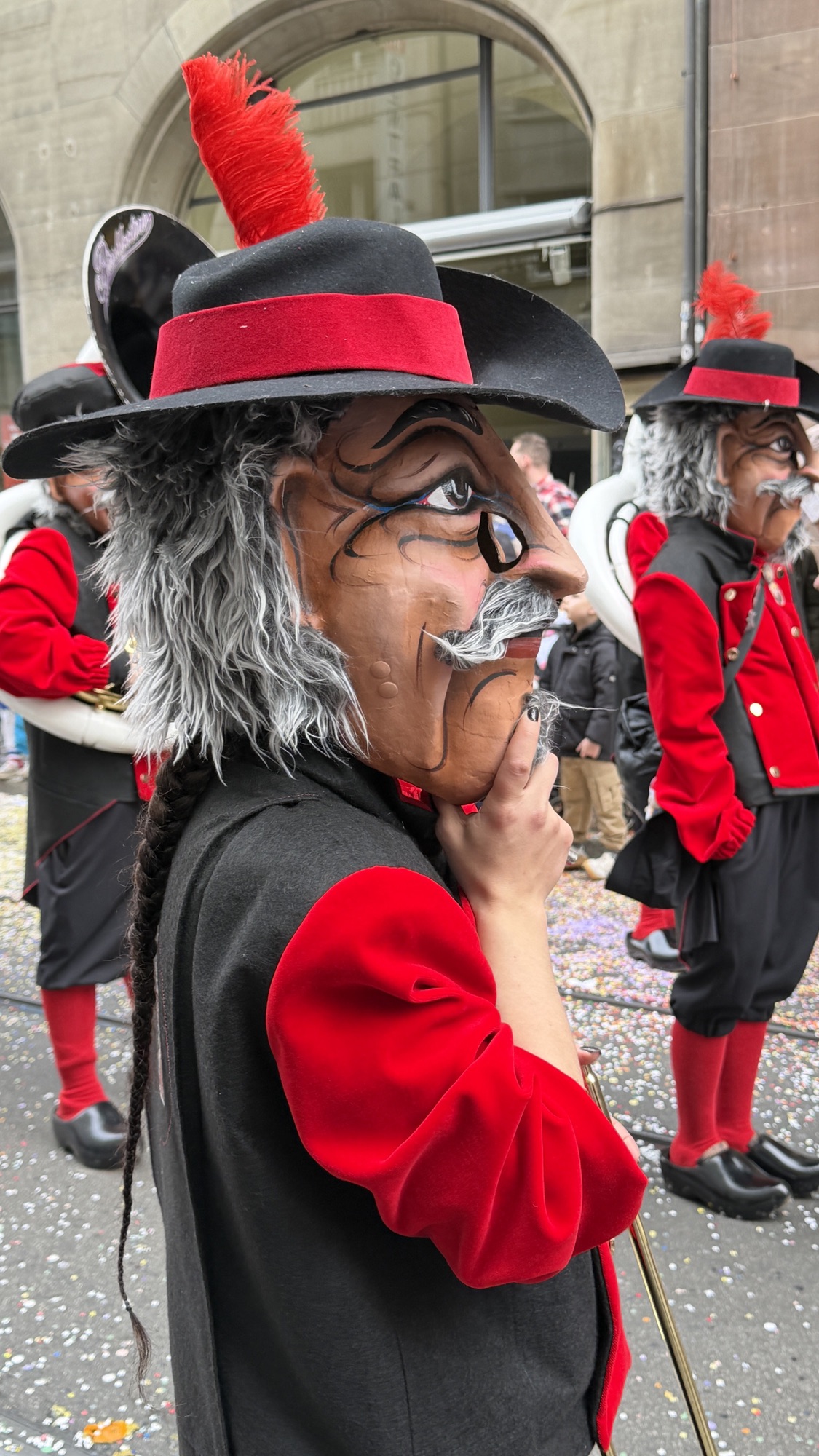
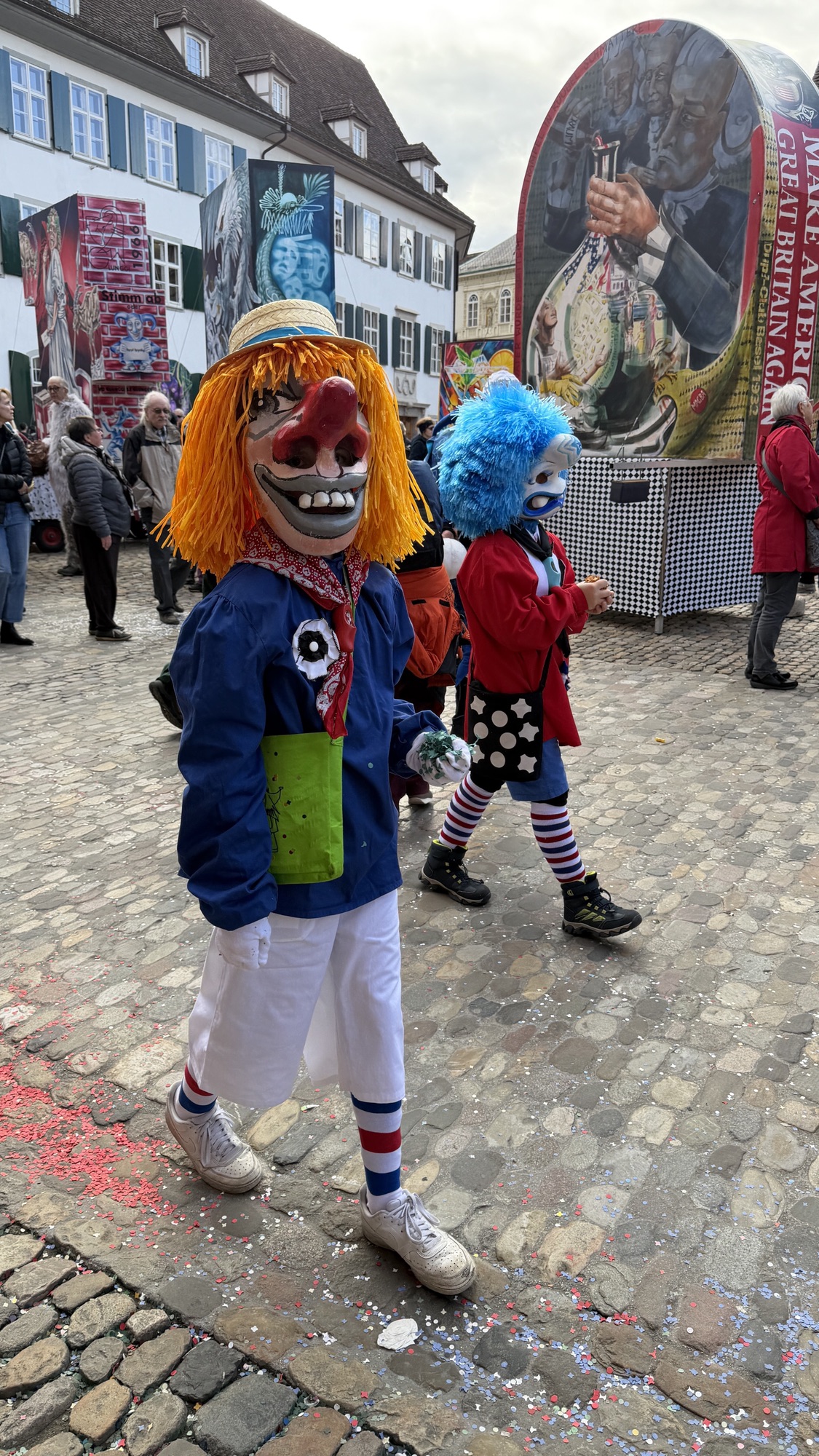
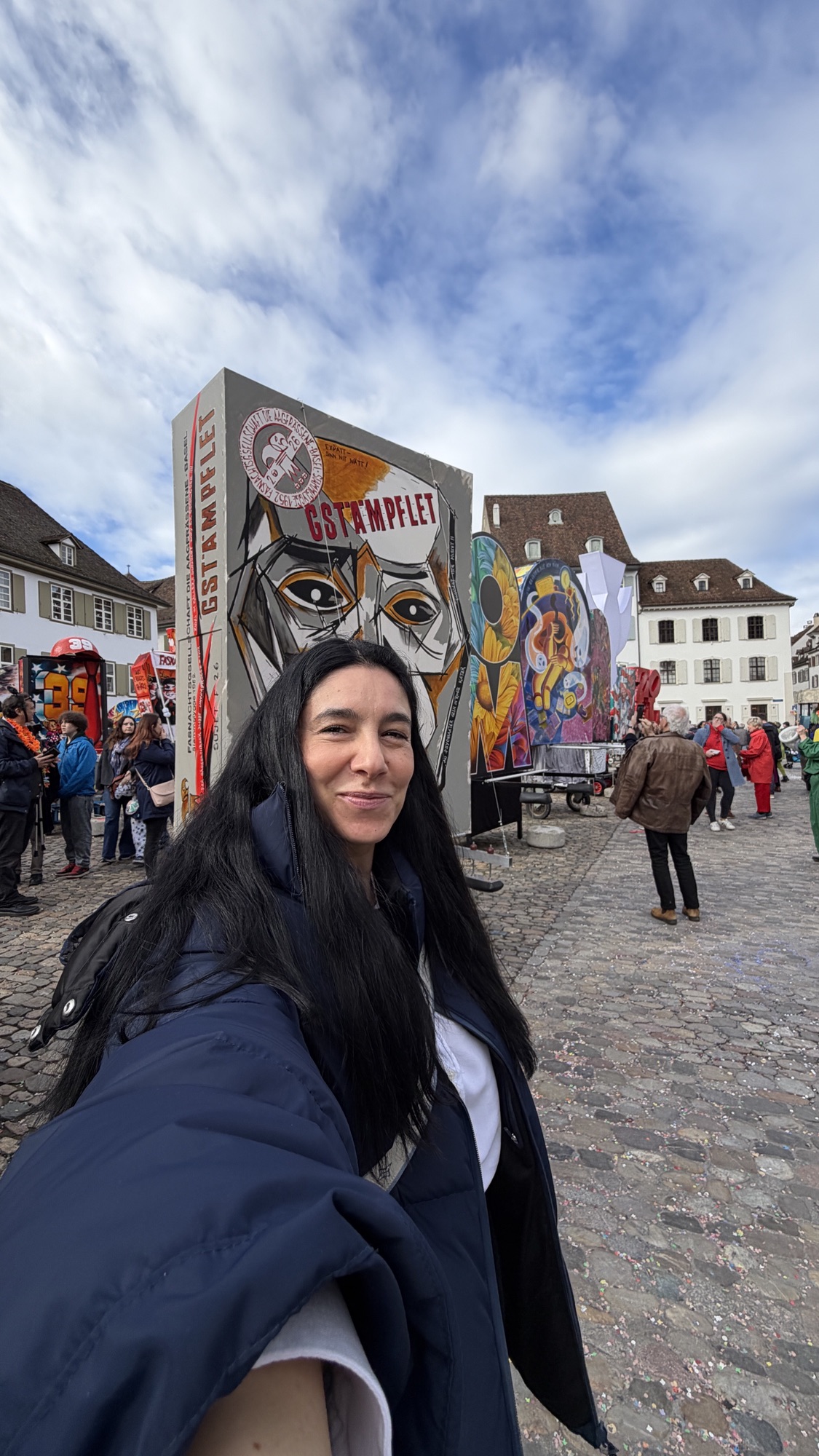
Basel Carnival (Fasnacht)
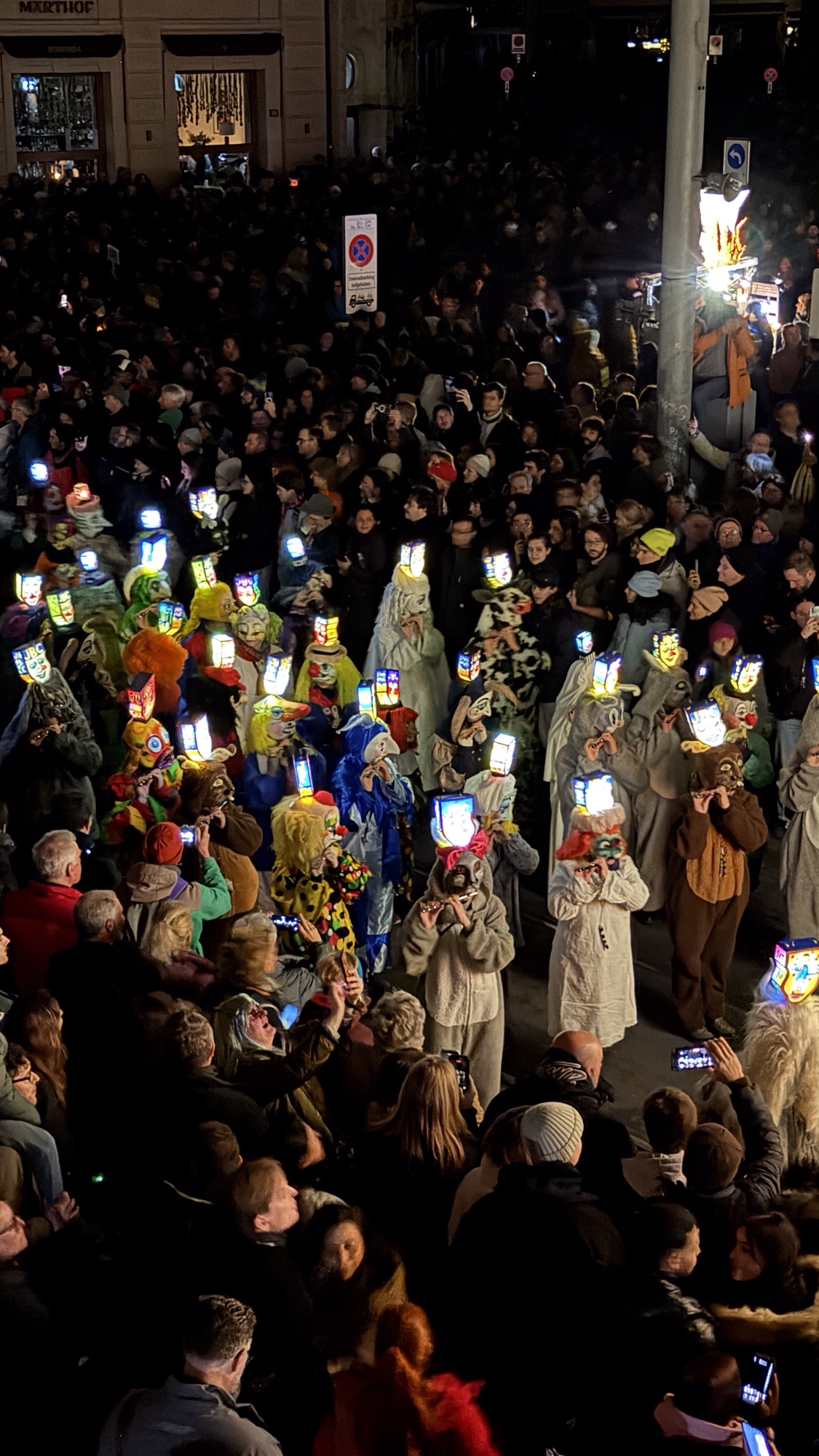
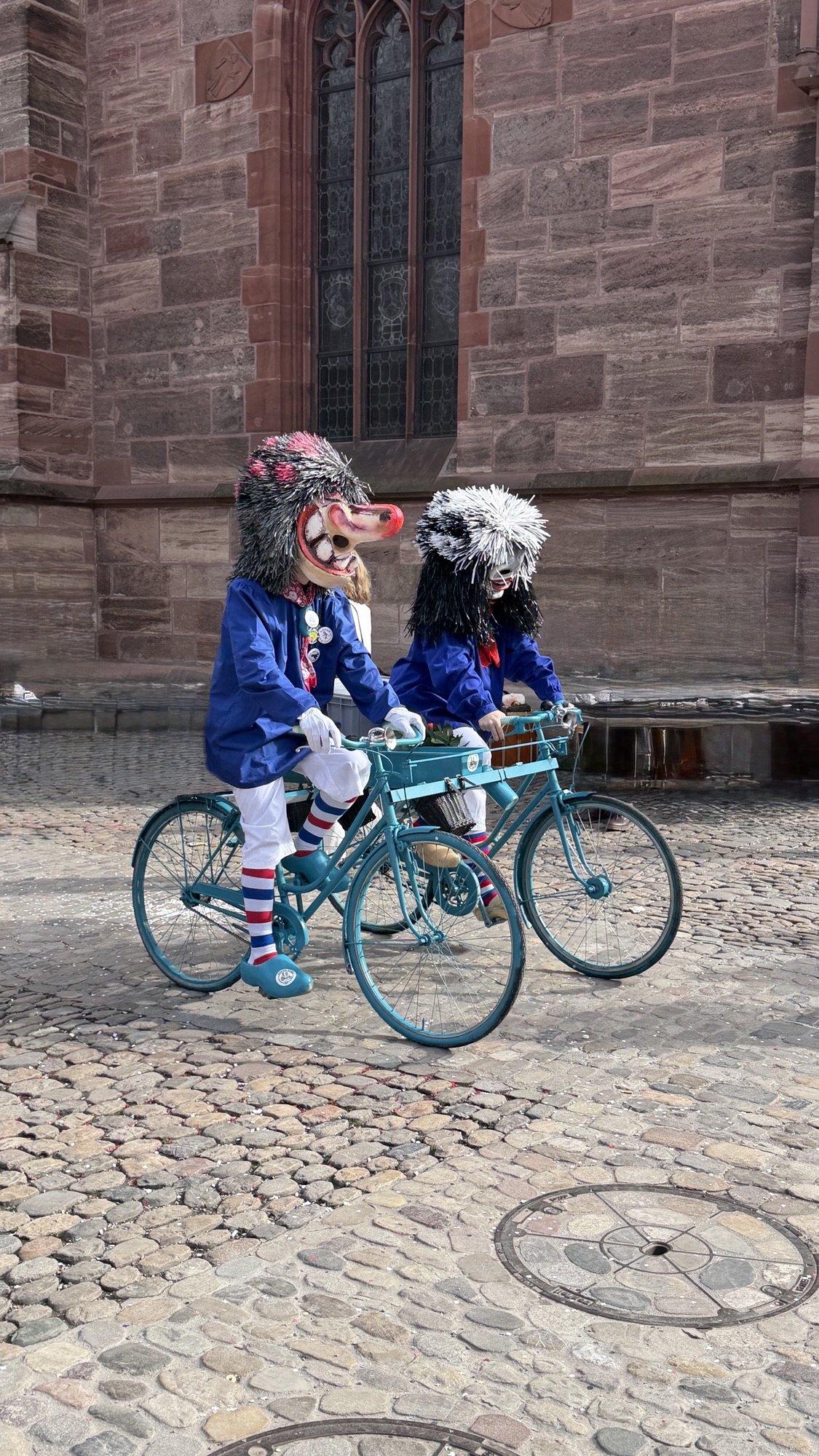
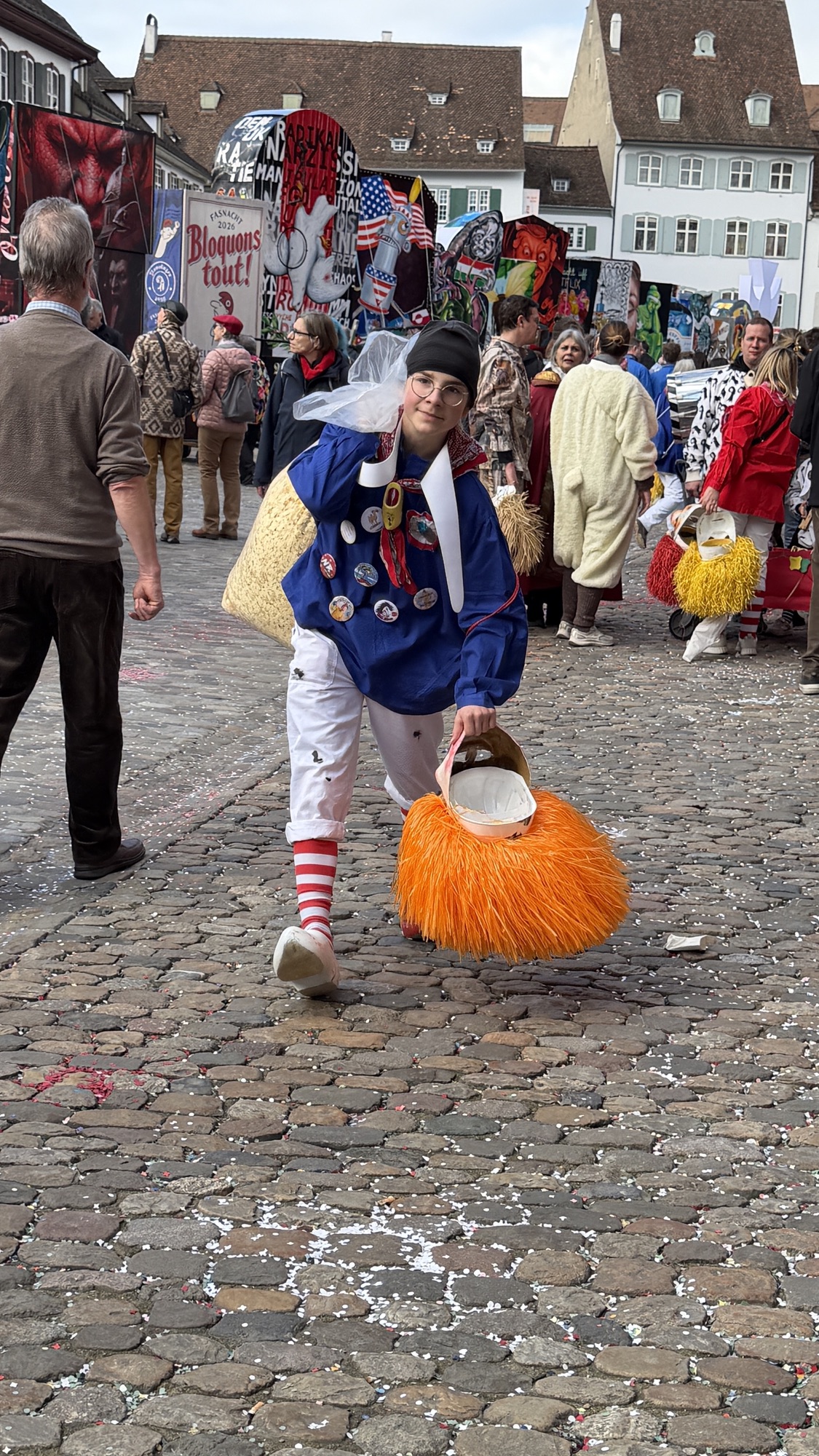
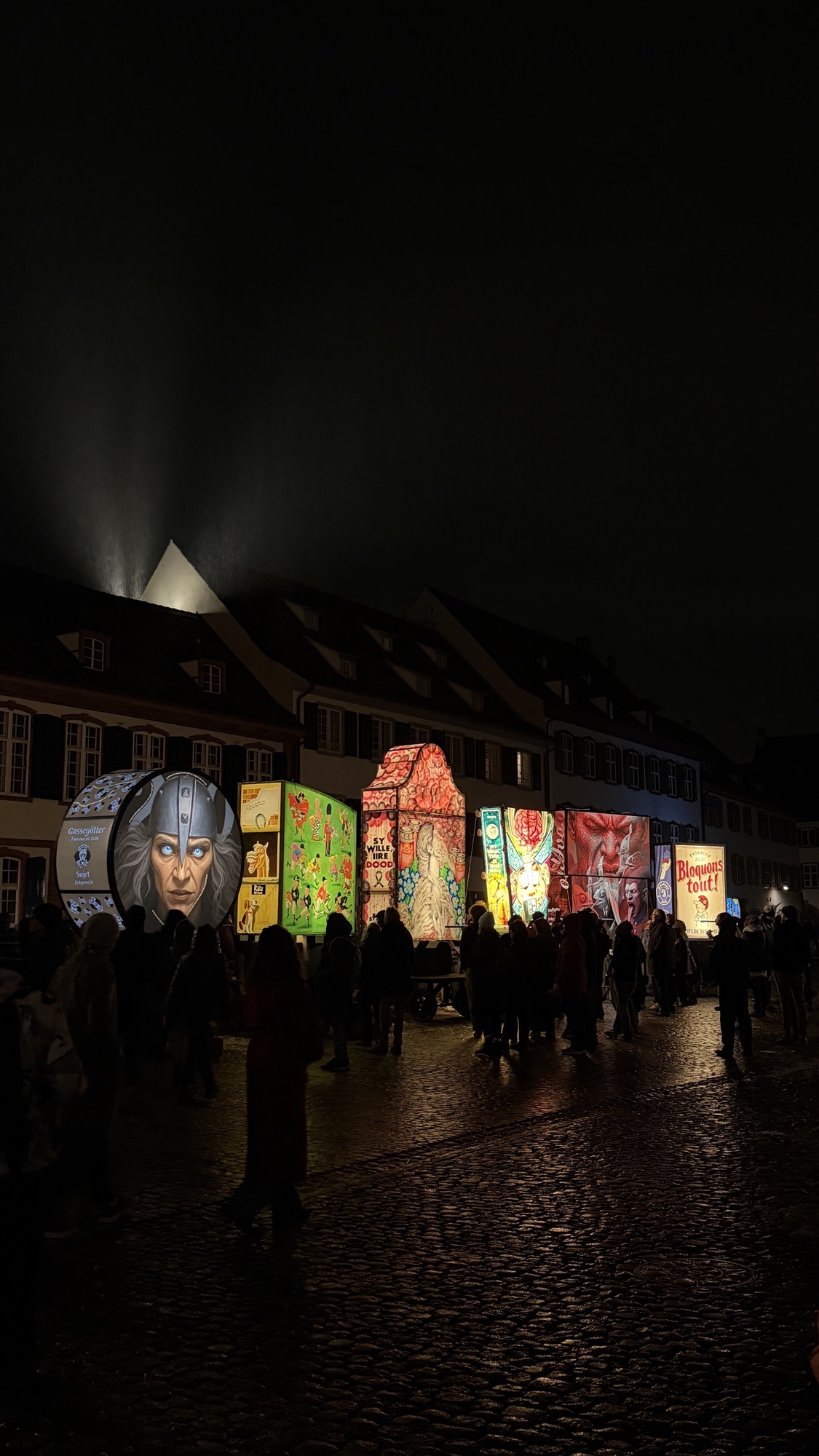
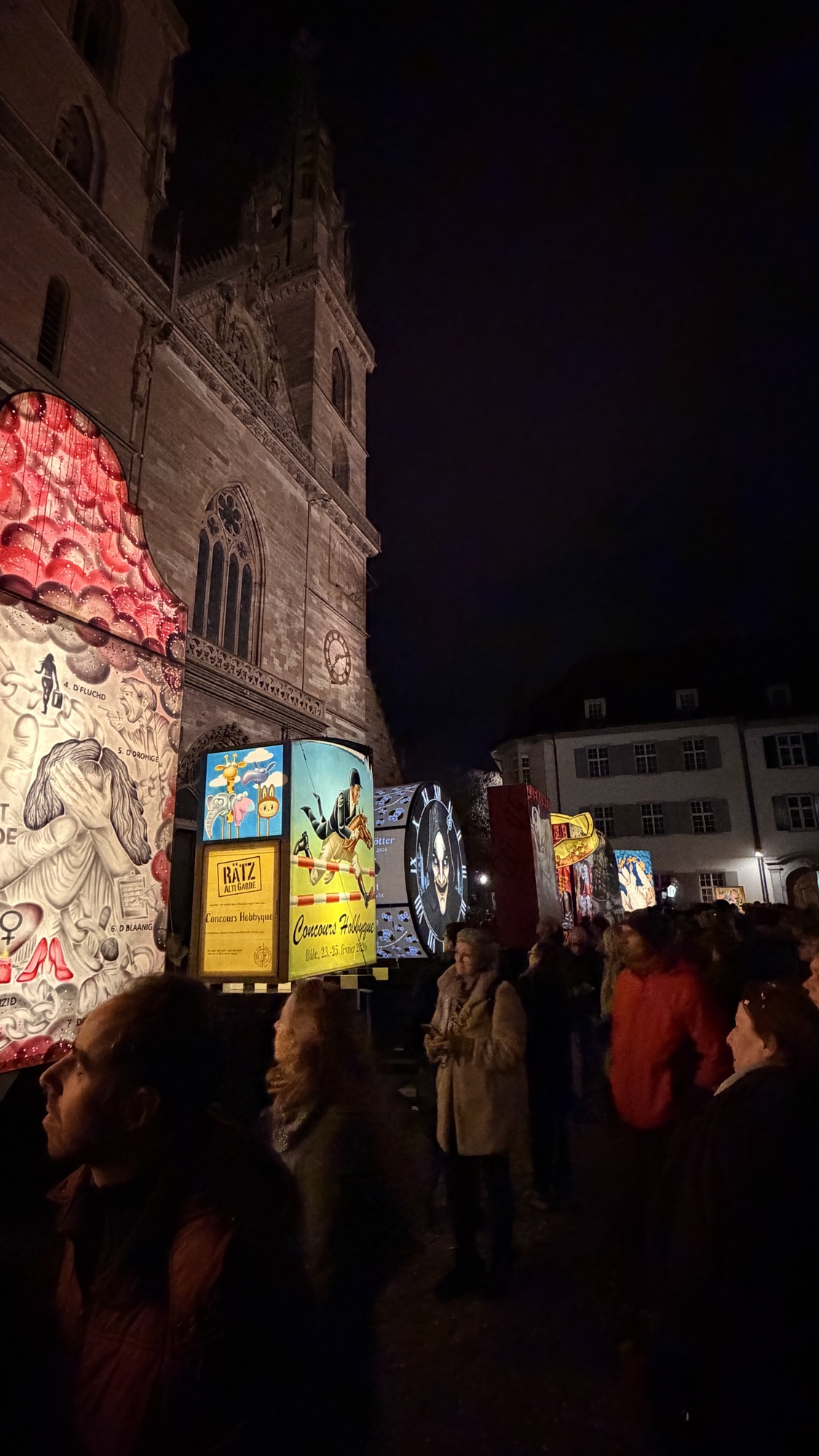
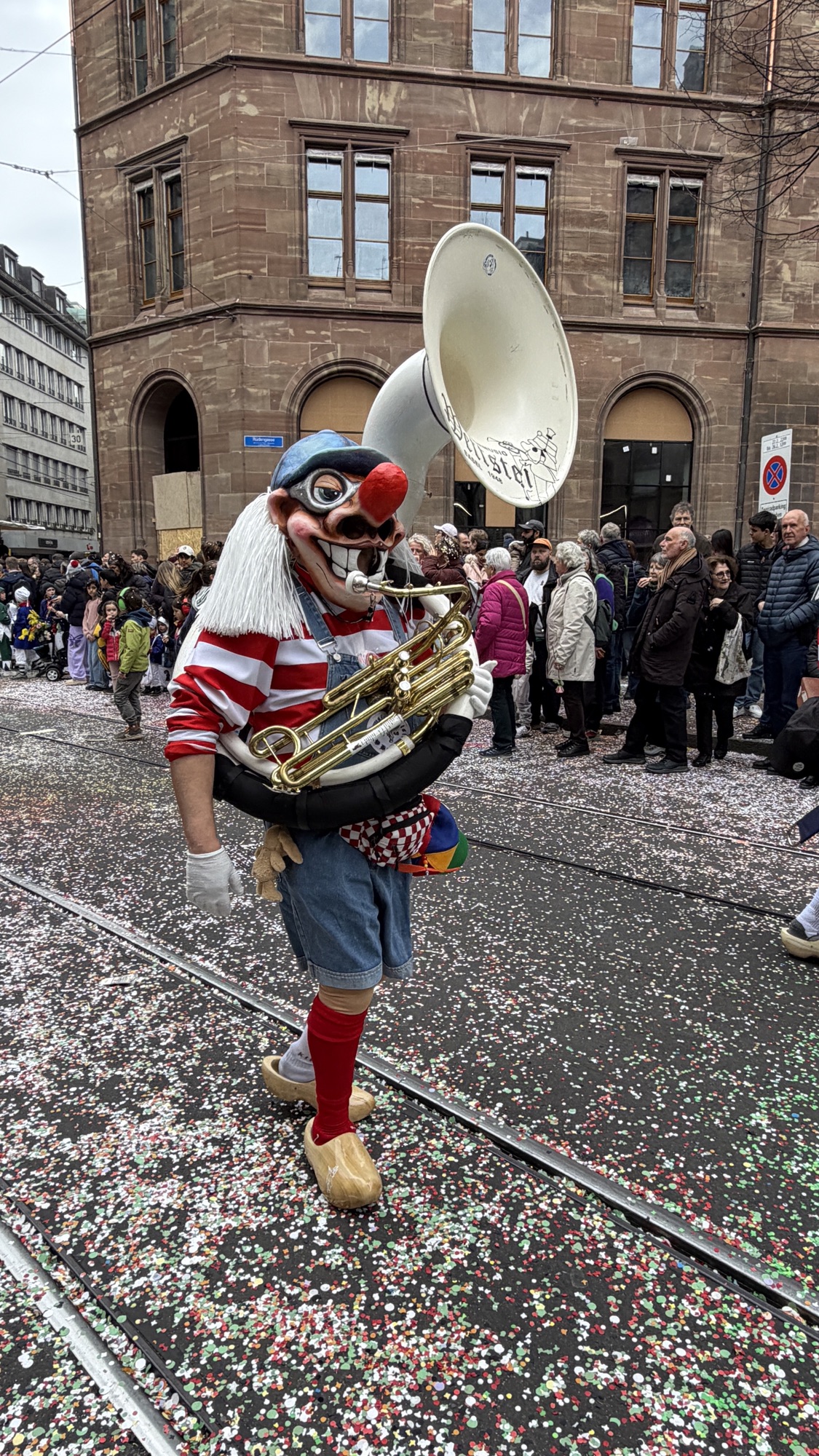
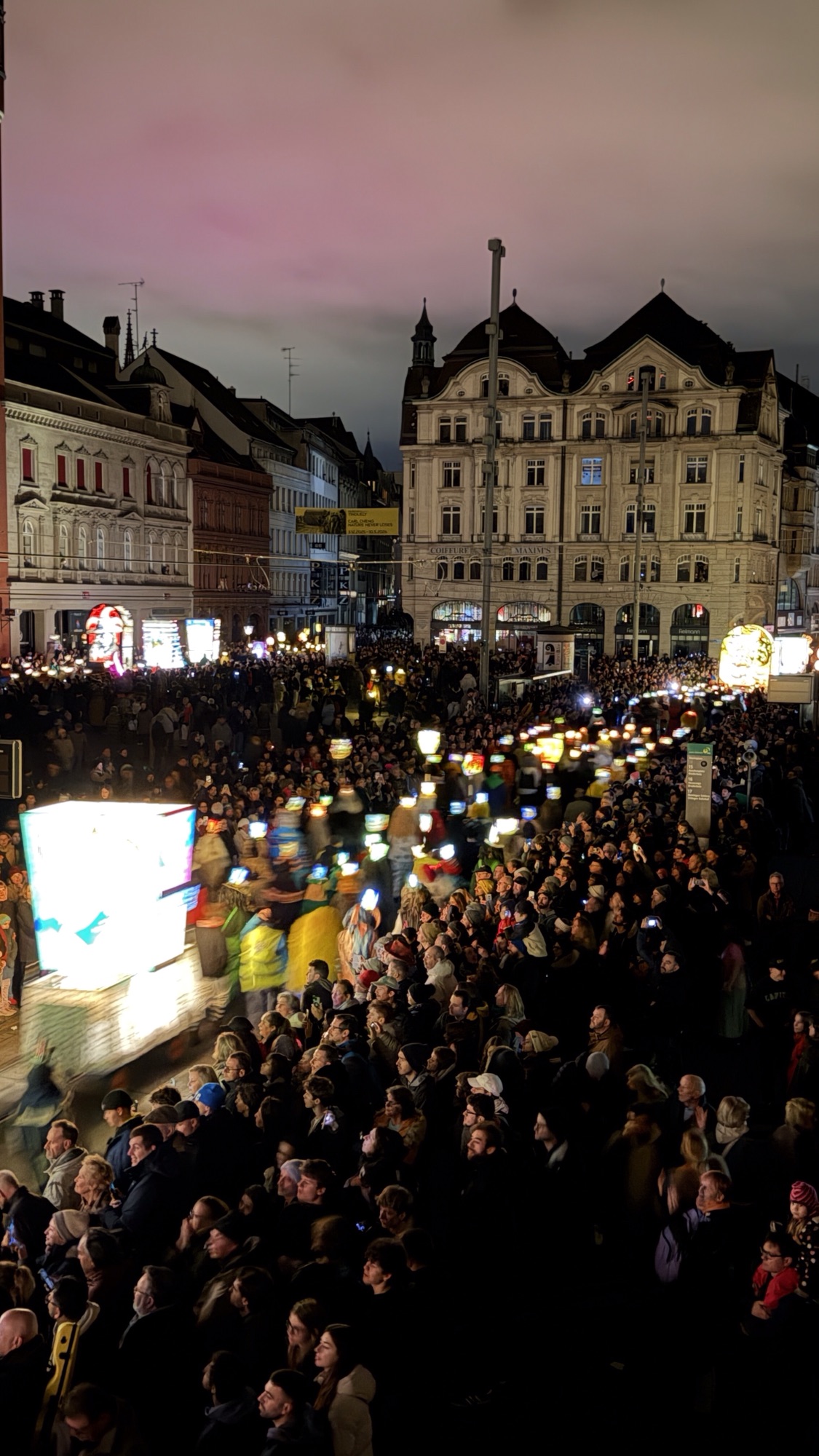
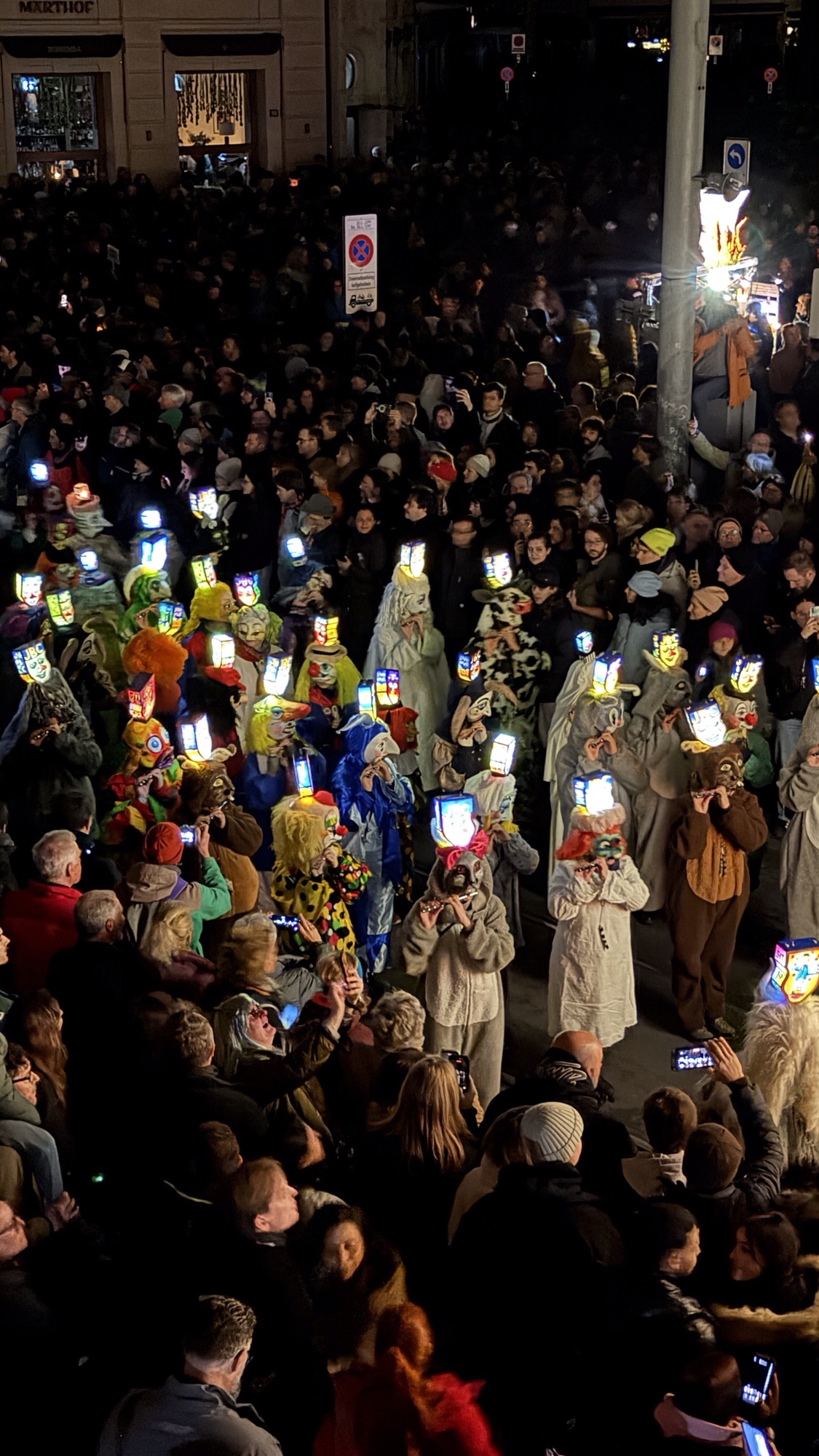
Those visiting Basel between February and early March may experience the Fasnacht, the city’s Carnival and one of the most distinctive in Europe. Unlike any other carnival, it follows its own rules and involves the entire city through music, hand-painted lanterns, satire and shared rituals. Recognised as UNESCO Intangible Cultural Heritage, Fasnacht reveals an even deeper, more ironic and culturally aware side of Basel.
Images in the text by Laura Renieri, cover image by Vincent Ghilione | All rights reserved