
Today I’m taking you to Verona, a destination that was at the heart of my latest weekend, spent discovering its memorable beauty and its incredible surroundings (which I’ll tell you more about here). A stay built around a privileged location, right in the heart of the historic center, which made every movement easy and immediate thanks to Domus Verona.
A city that unfolds naturally as you walk through it, where every step connects different eras seamlessly. Just a few days are enough to fall into its rhythm, moving on foot through squares, hidden corners, and passages that flow effortlessly into one another. From Friday afternoon to Sunday, this is the perfect way to truly experience it.
.
Day 1
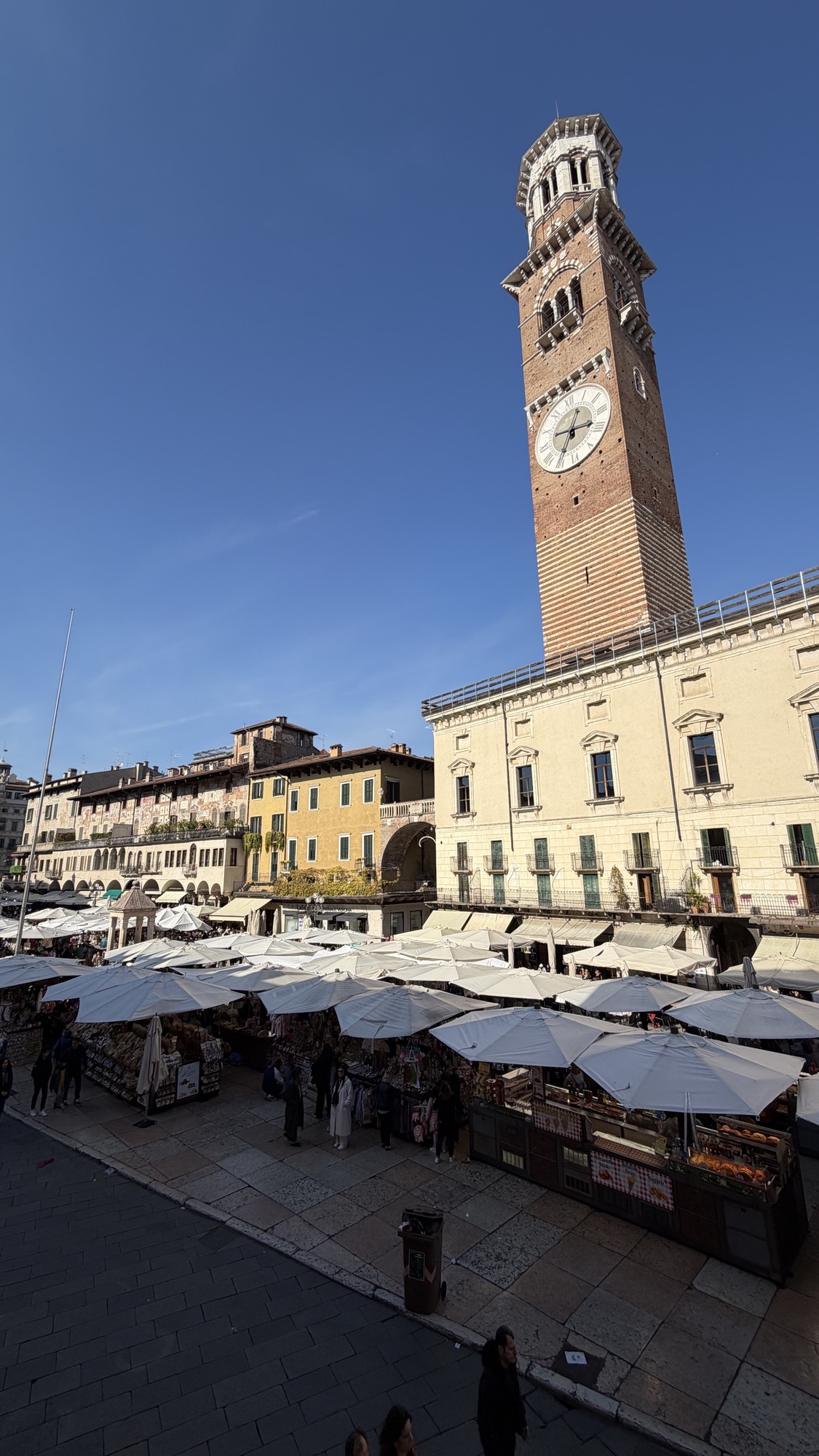
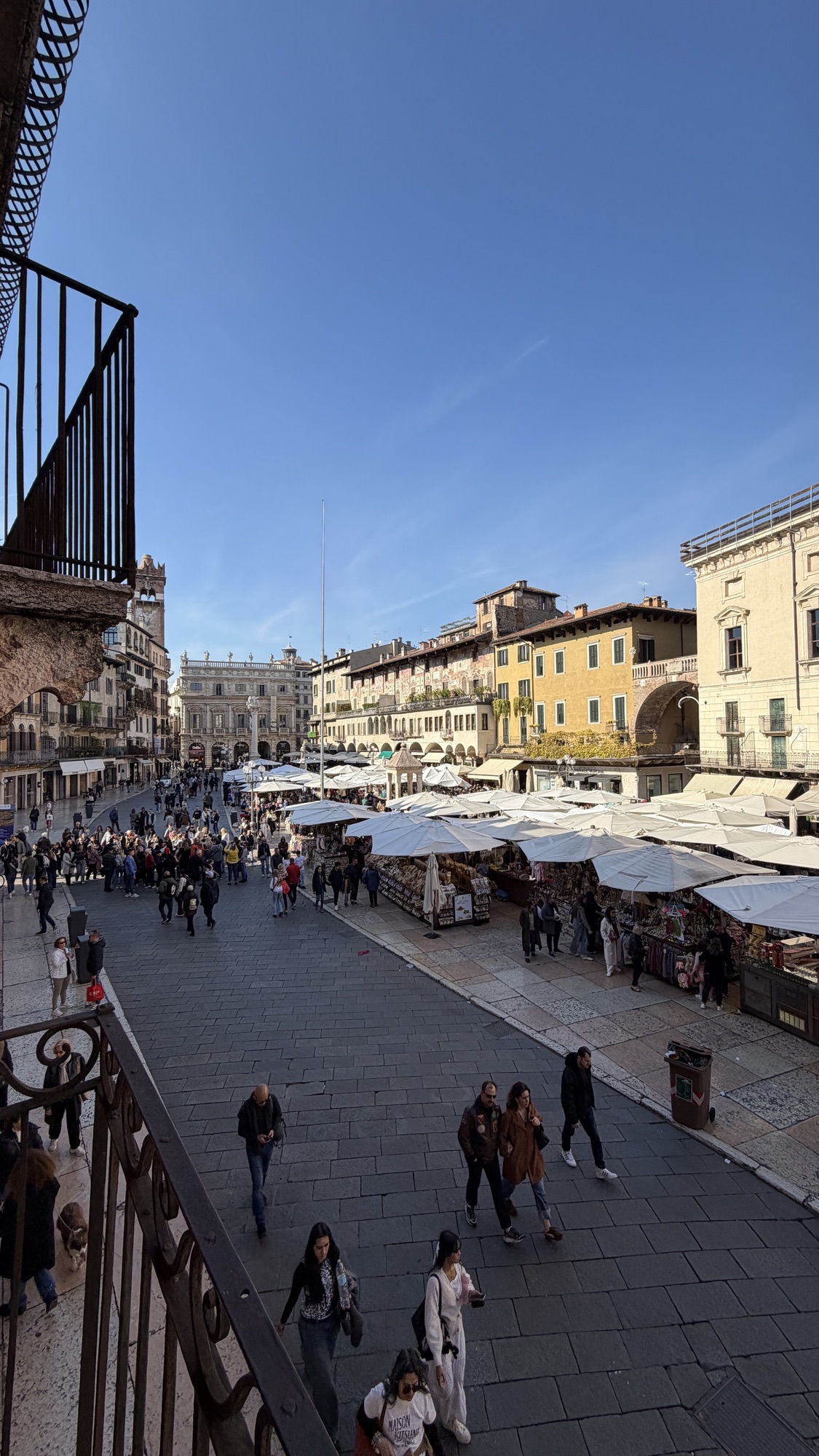
The best way to start is simple: arrive and head straight to Piazza delle Erbe. This is where Verona is at its most recognizable, with frescoed facades, market stalls, and always-full café tables. It’s the place where the city reveals itself without filters, perfect for getting an immediate feel for the center.
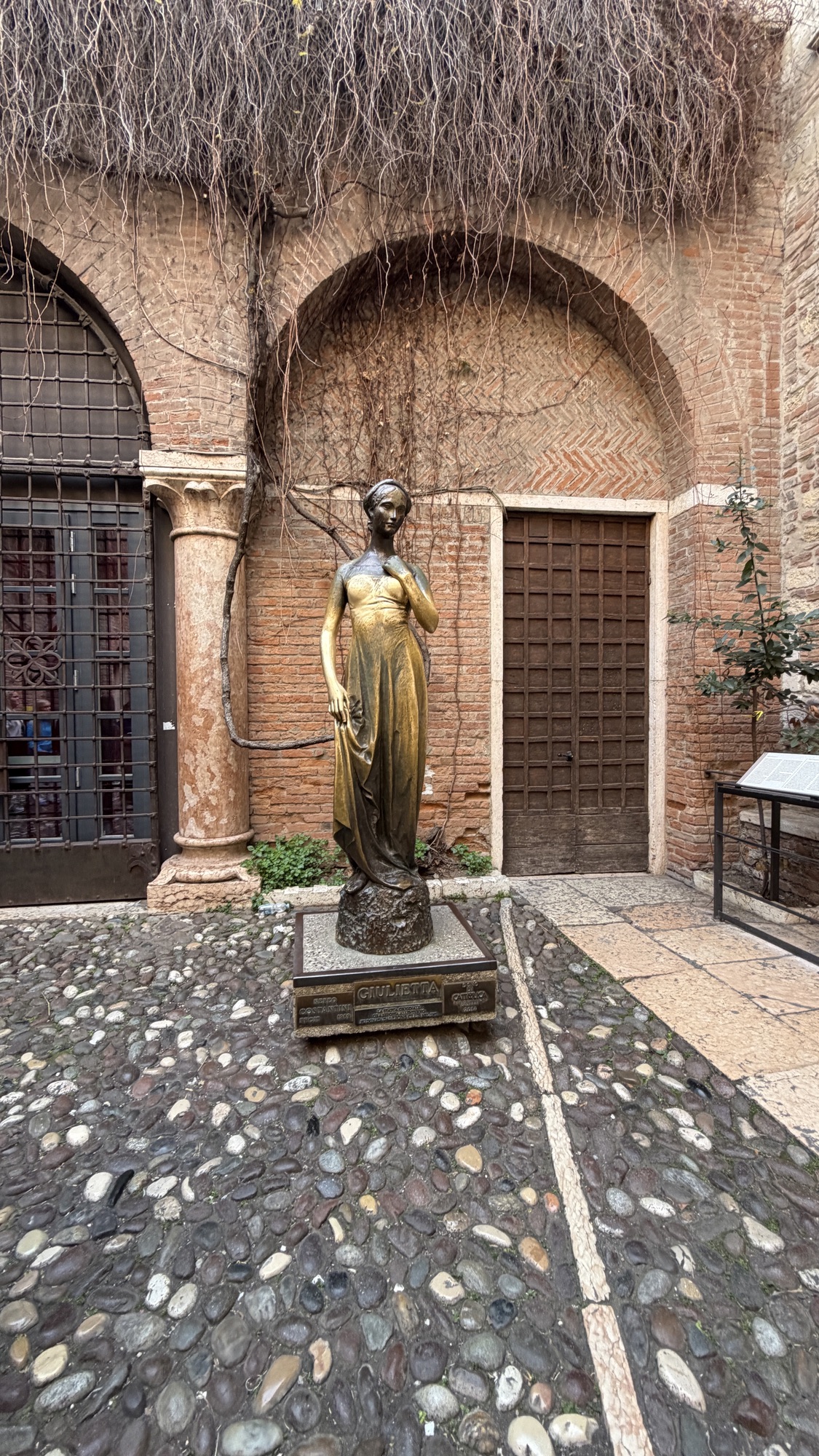
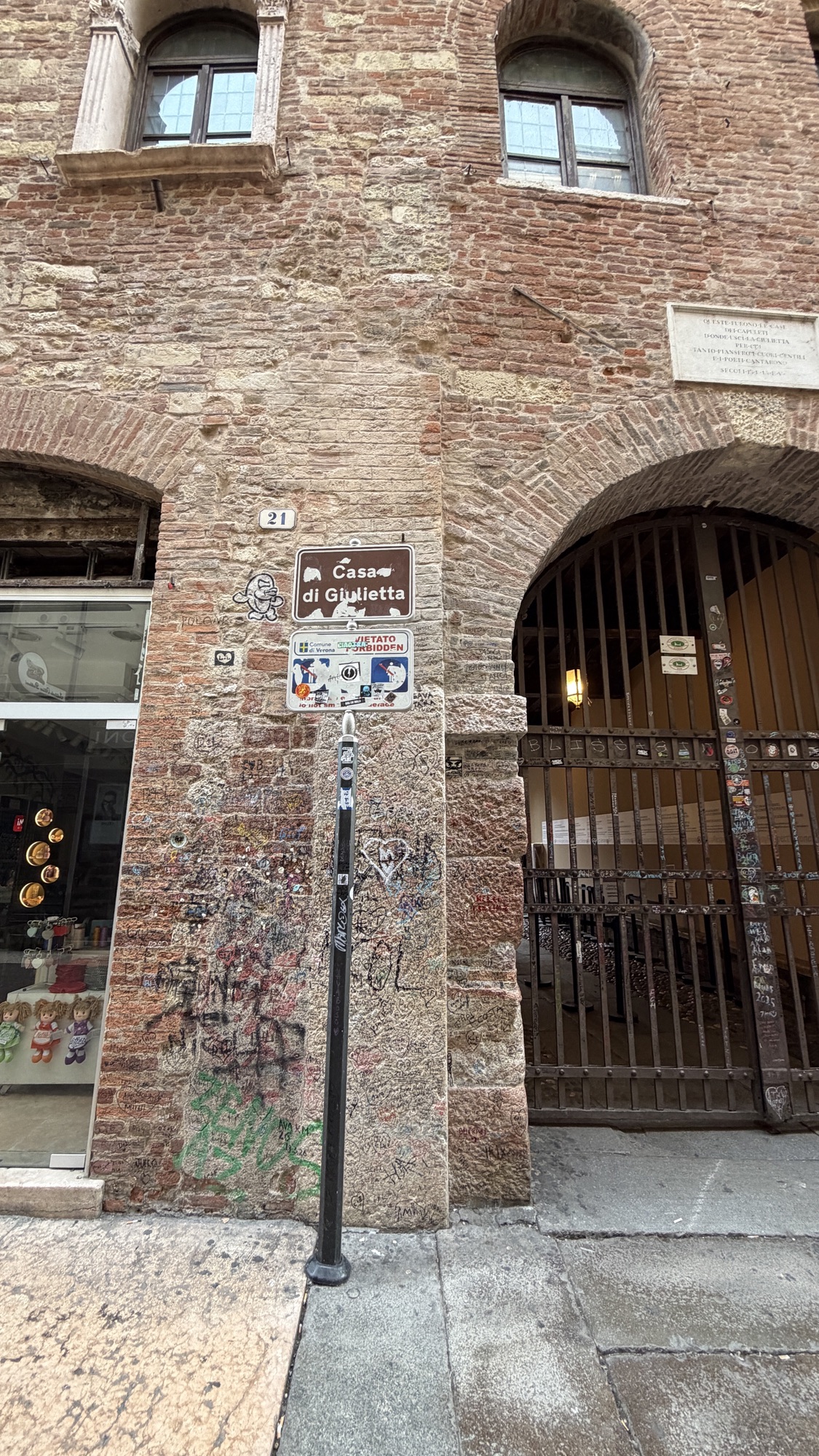
From here, I’ll take you to Juliet’s House (Via Cappello, 23), one of the city’s most iconic landmarks. You step into an intimate courtyard, always filled with people gathered around the same spot: your eyes go to the balcony, but it’s the statue that draws the most attention.
The bronze statue of Juliet has become part of the experience itself—touching her right breast is considered a gesture of good luck, a small ritual that repeats continuously and adds to the shared atmosphere of the place.
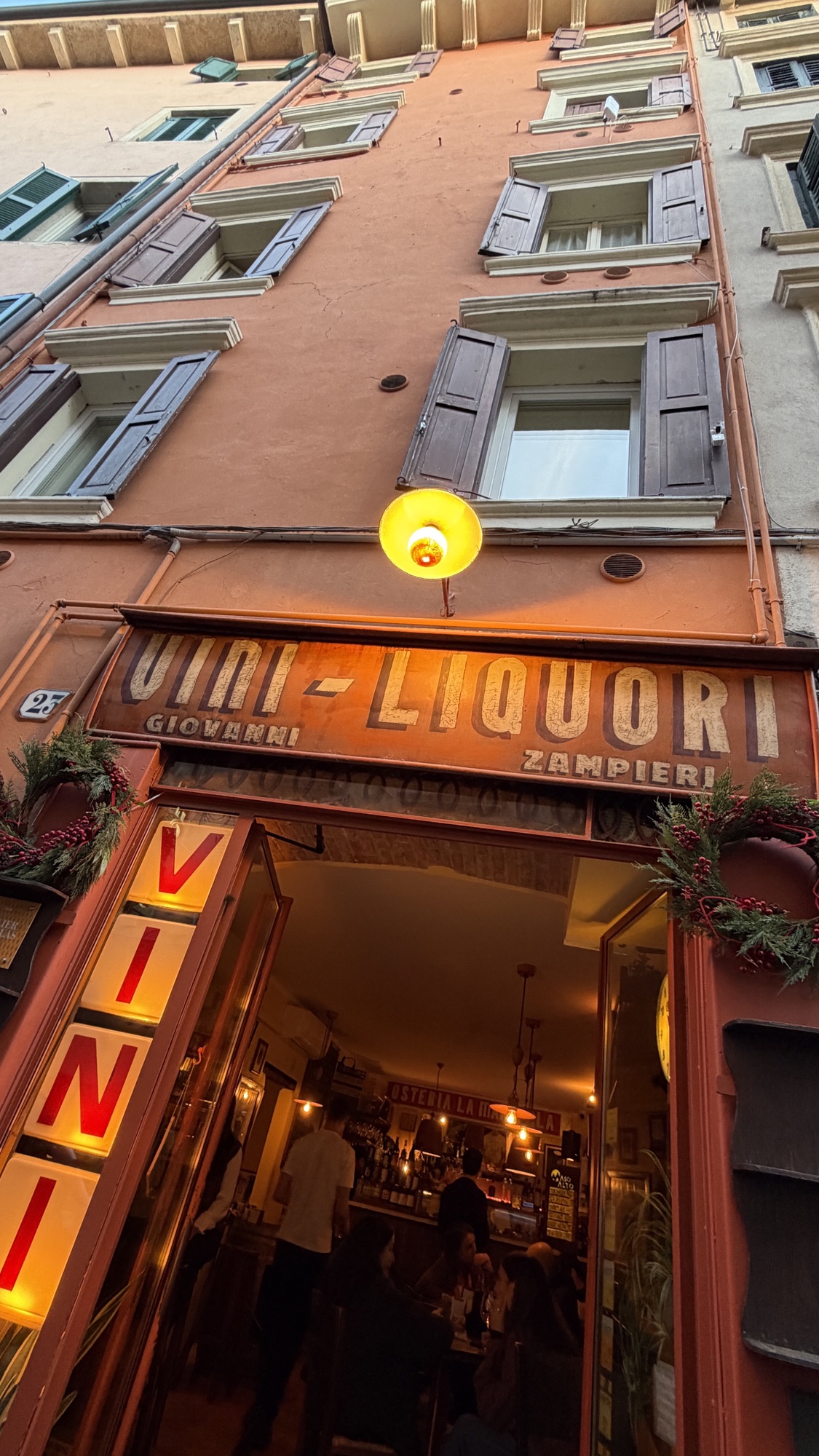
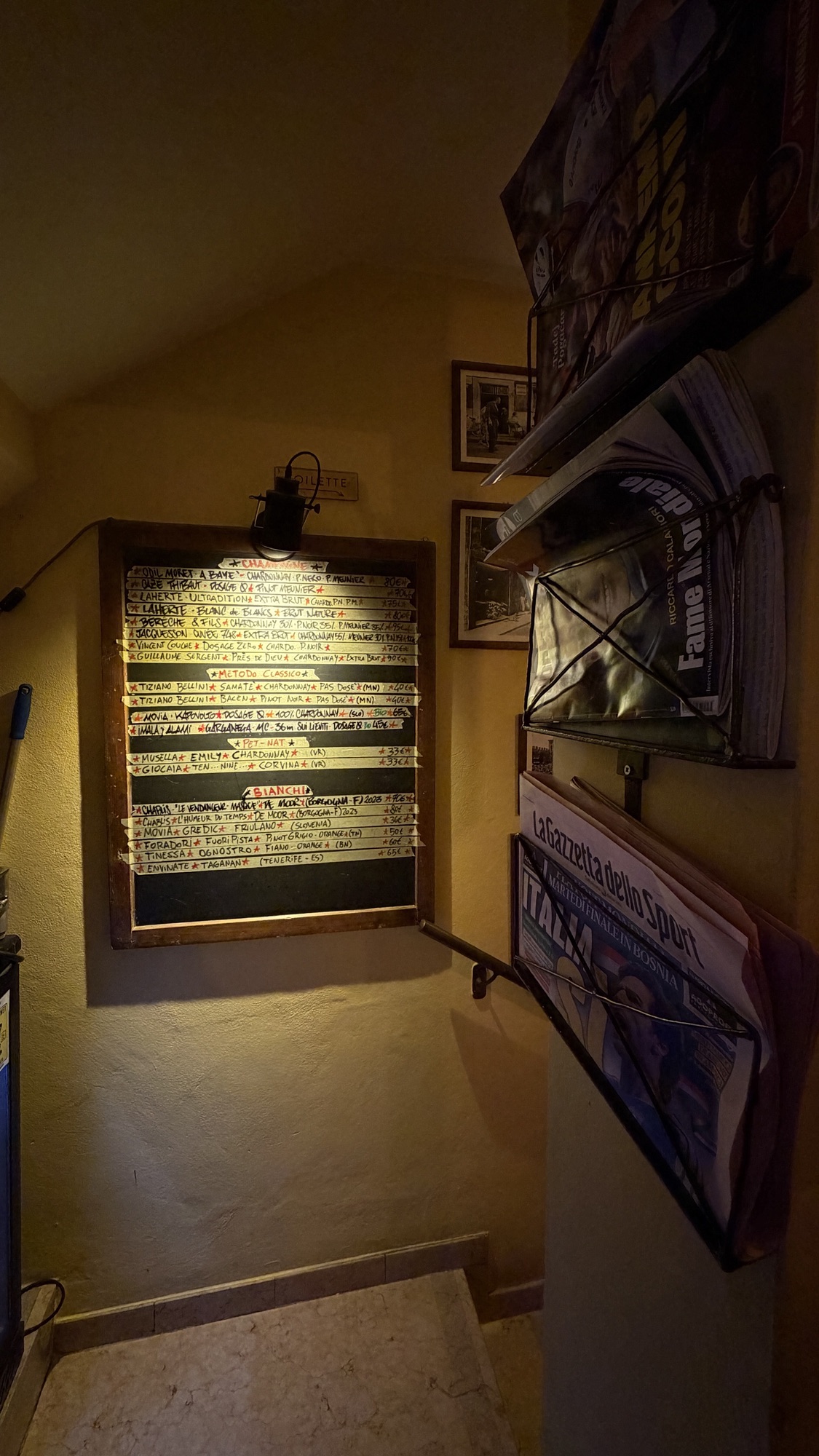
The evening stays in the center, with a stop at La Mandorla. More than just a bar, it’s one of Verona’s most recognizable spots for aperitivo: a small, lively space where you stop for a glass of wine or a spritz, paired with small bites and meatballs, moving between indoors and outdoors in the natural flow of the city.
.
Day 2
Saturday is when Verona truly reveals itself. There’s no need to rush—just follow a natural route that connects its most iconic landmarks.
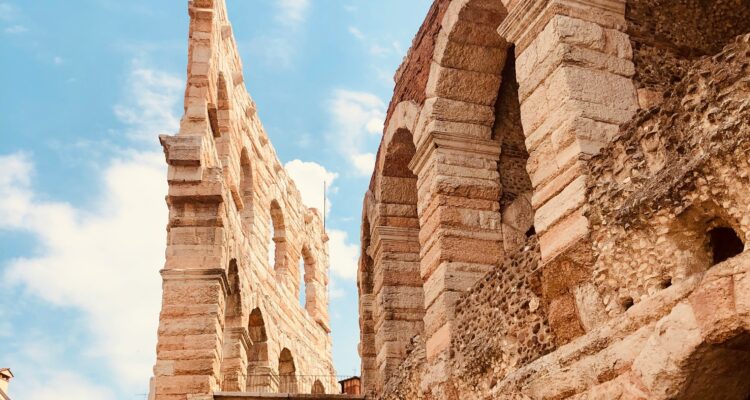
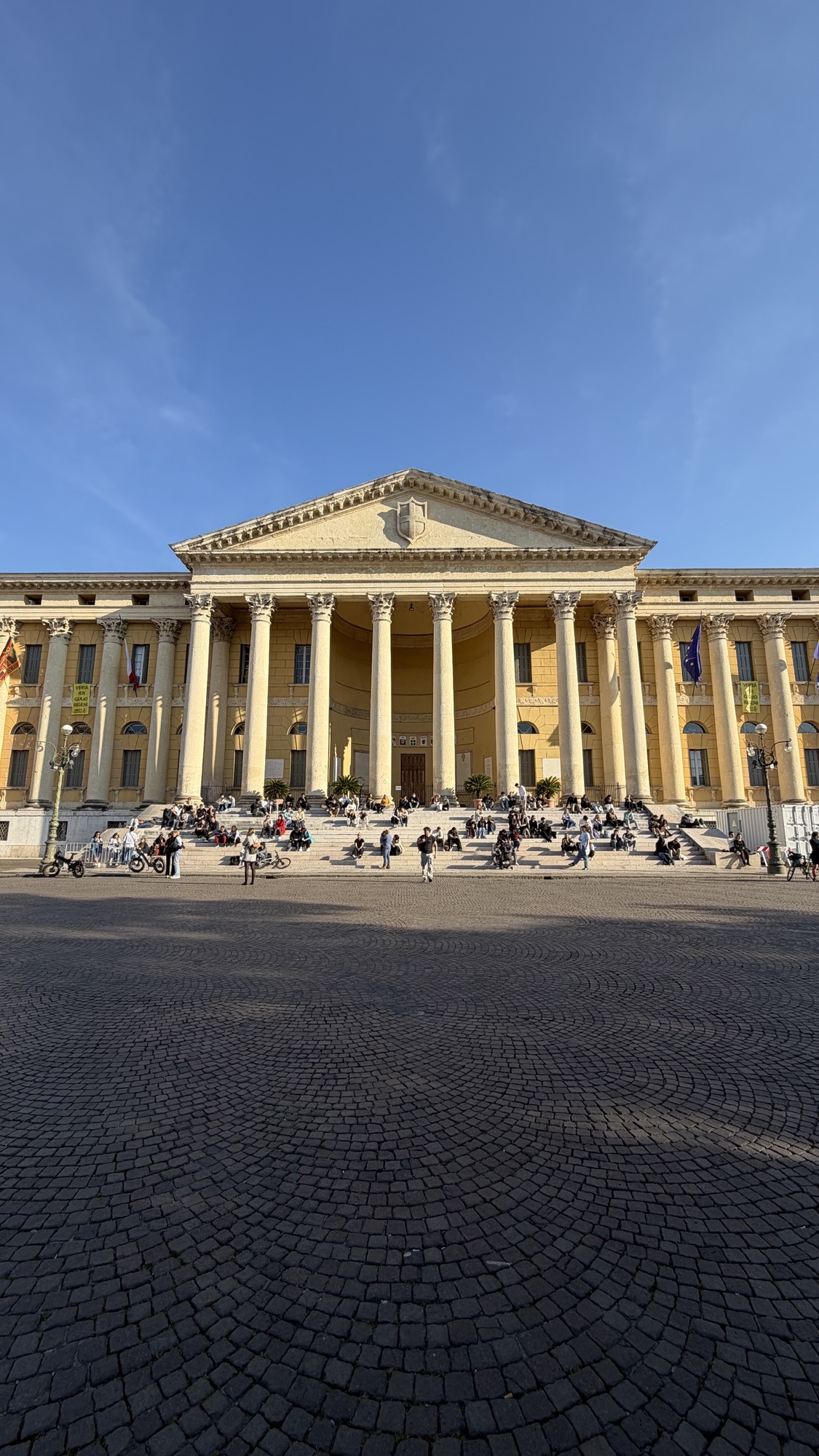
Start at the Arena di Verona (Piazza Bra, 1), a Roman amphitheater dating back to the 1st century AD and one of the best preserved of its kind. Built to host public spectacles, it still clearly shows its elliptical structure and tiered seating, making its original function easy to read.
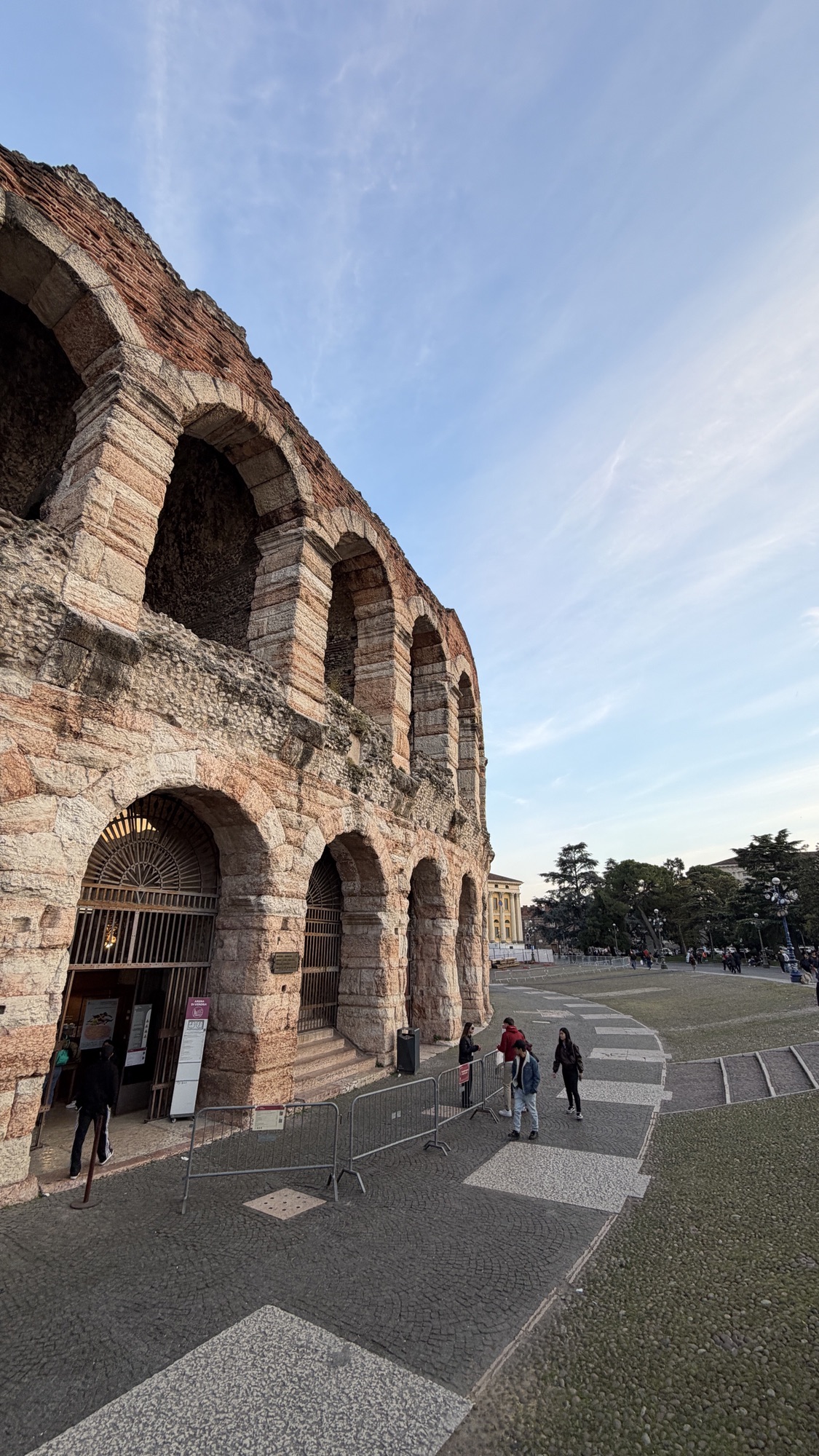
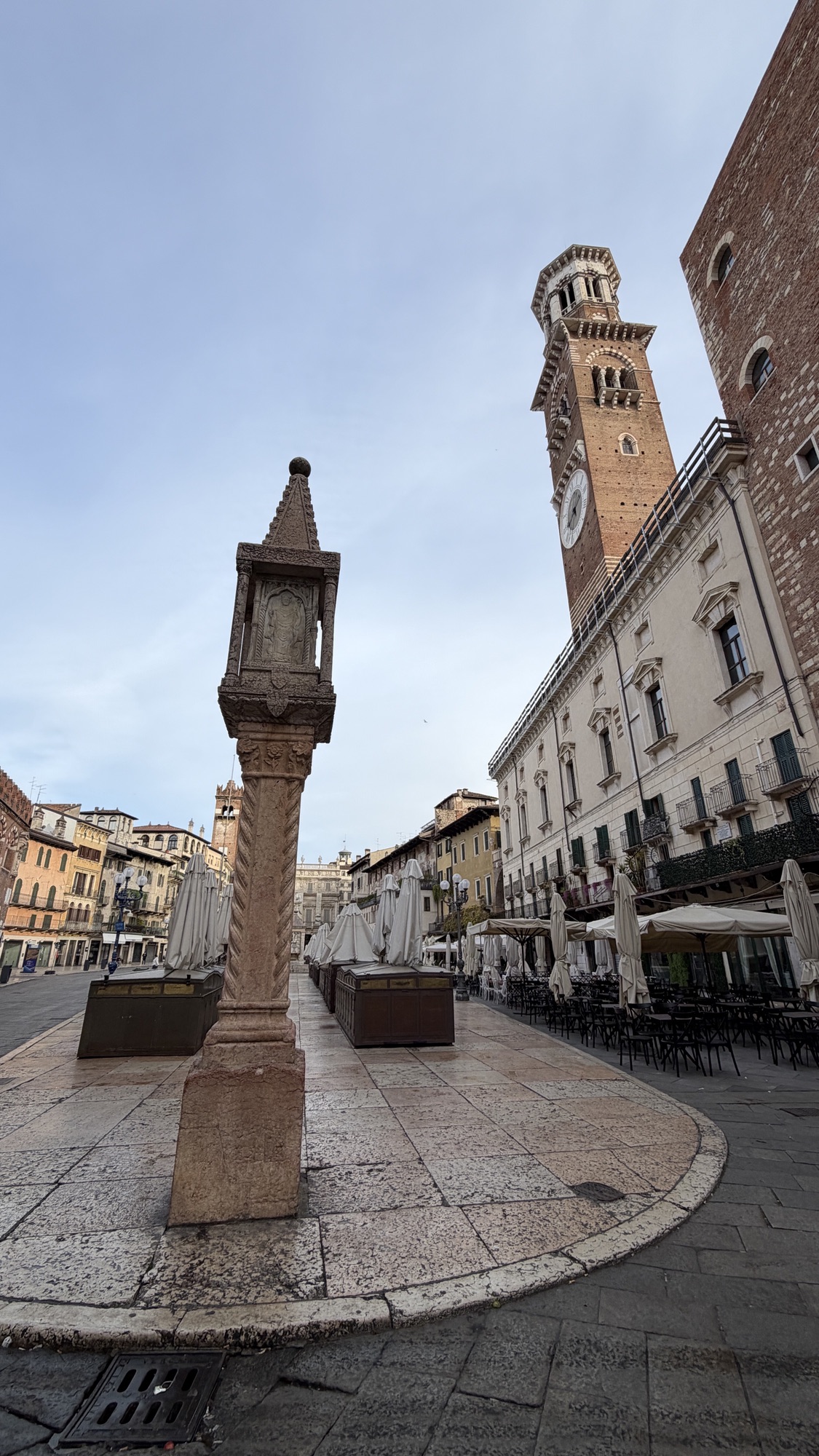
Outside, Piazza Bra immediately shifts your perception: it’s one of the largest squares in the city, bright and open, in sharp contrast with the more compact streets of the historic center.
You then move back into the urban fabric, passing Caffè Rialto (Via Stella, 16), before turning into Vicolo del Guasto—one of the narrowest and least obvious passages, where Verona reveals a more intimate side.
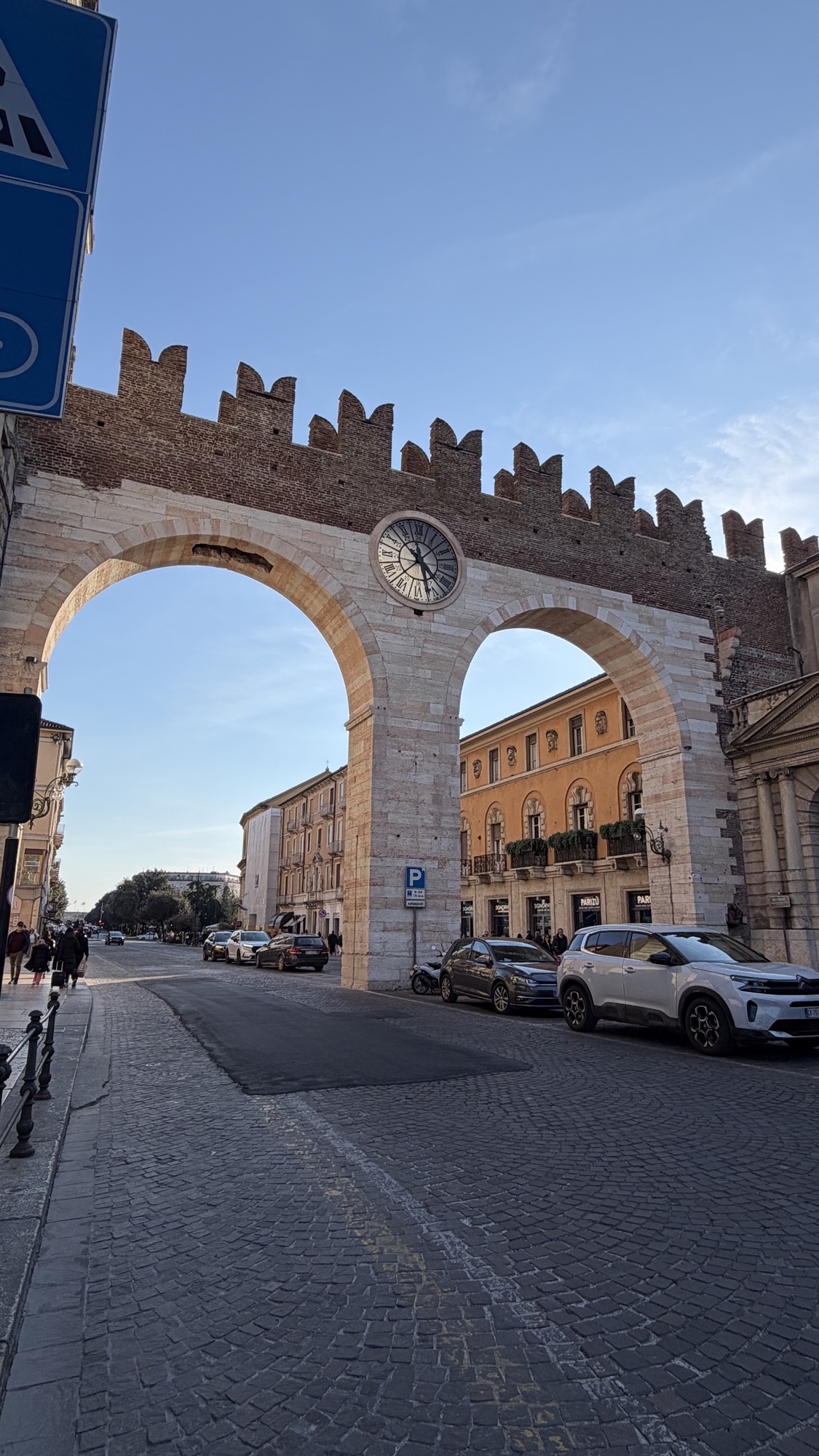
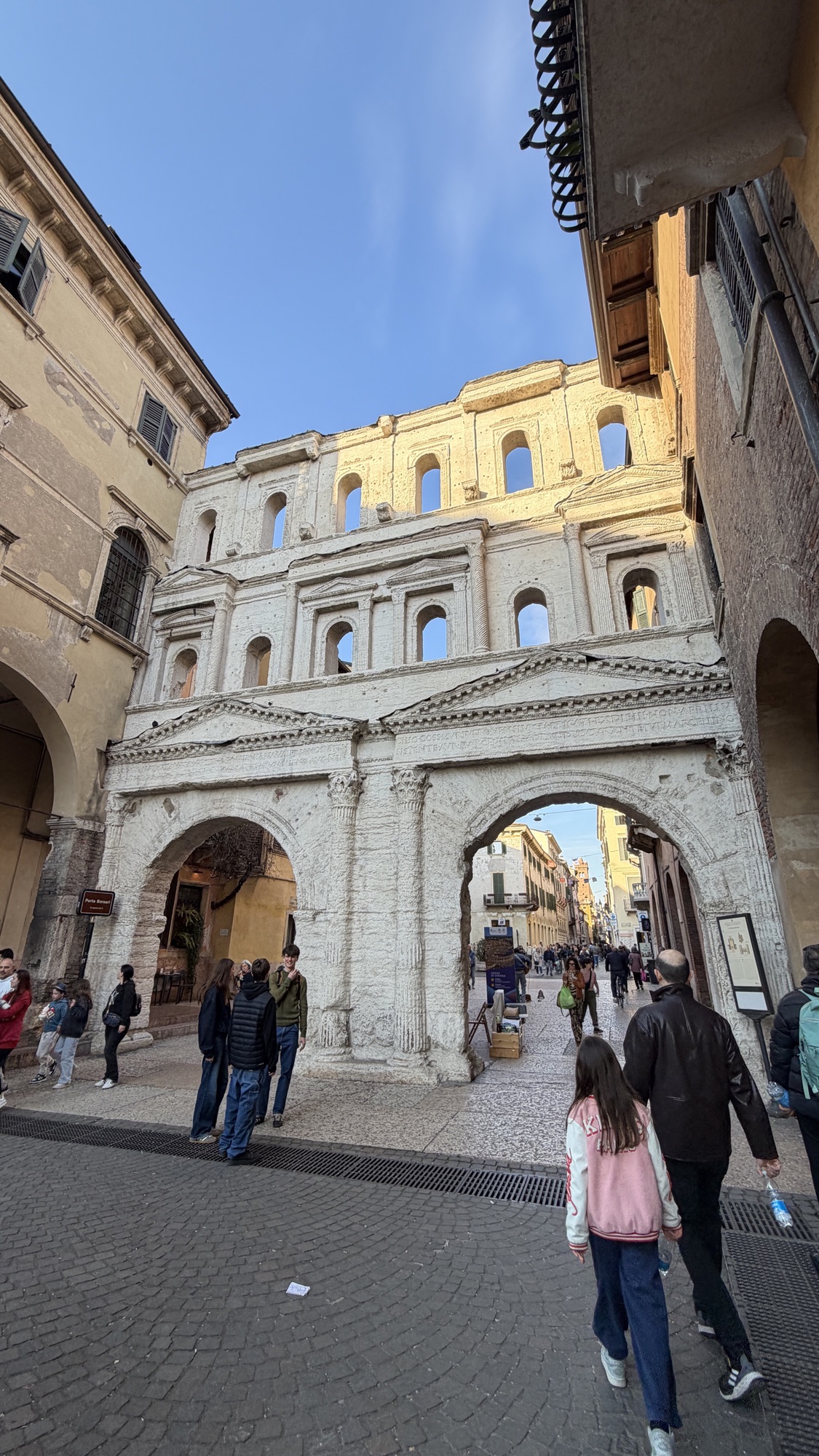
Next is Porta Borsari (Corso Porta Borsari), an ancient Roman gate that once marked the entrance to the city. Its stone façade and arches are still clearly visible, making it one of the most immediate ways to understand Verona’s historical structure.
Continuing along the same street, you’ll reach the Church of San Giovanni in Foro (Corso Porta Borsari, 4), seamlessly integrated into the urban landscape and contributing to the continuity of the route.
Heading back toward the center, you arrive at Piazza dei Signori, a more enclosed and orderly square historically linked to the city’s political power. Here you’ll find Caffè Dante Bistrot (Piazza dei Signori, 2), overlooking the square and perfect for a break.
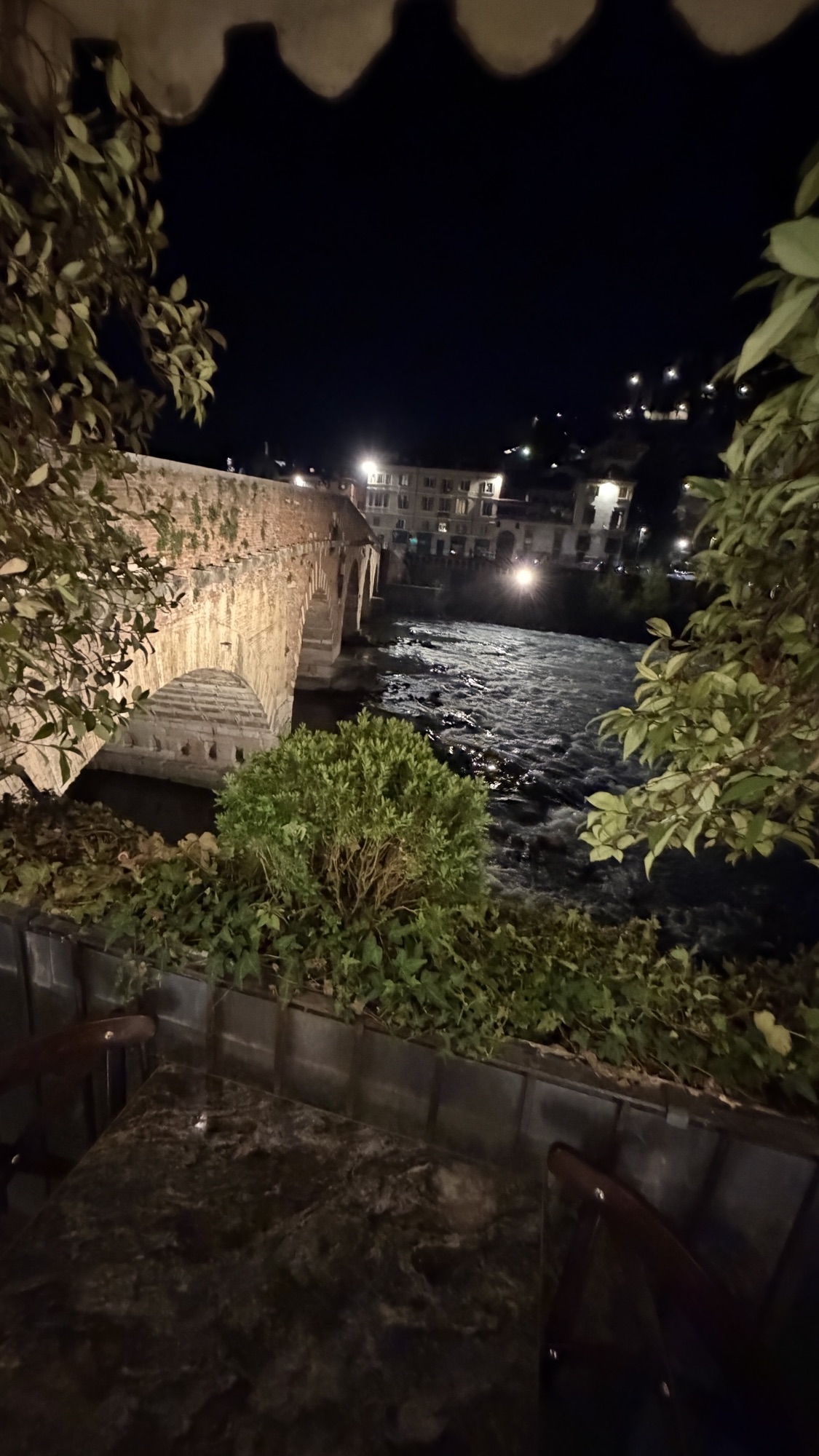
In the afternoon, the route leads to the Basilica of Santa Anastasia (Piazza Santa Anastasia), one of Verona’s most important churches, before continuing to Ponte Pietra, the city’s oldest bridge, built in Roman times.
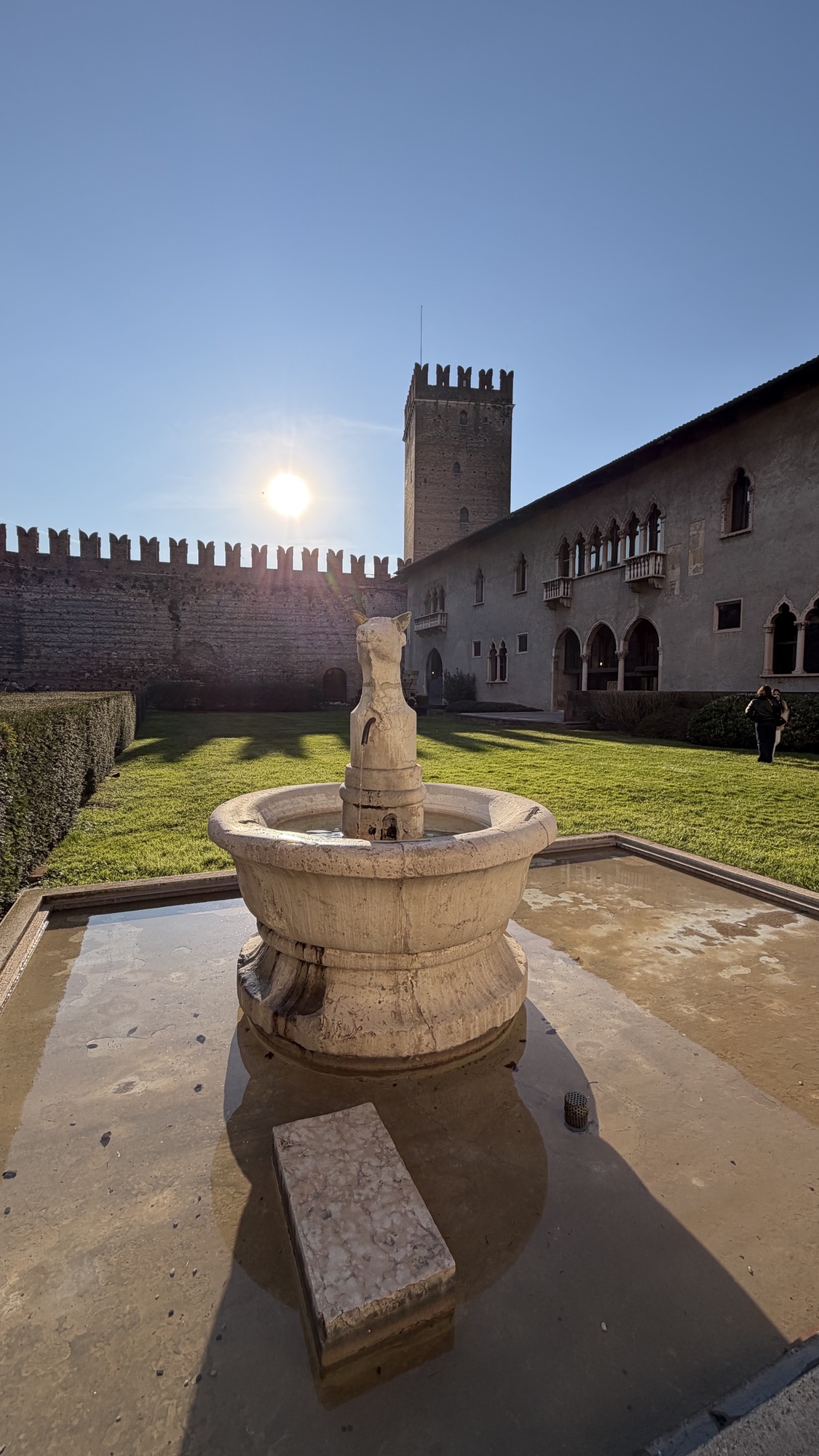
This is where Verona shifts again. After moving through squares and narrow streets, the view opens onto the Adige River, with buildings reflected in the water and the city revealing a wider perspective. Around sunset, the light makes this one of the most evocative moments of the entire itinerary.
On the way back, you pass Casa di Romeo, a medieval building recognizable from the outside, where an inscription recalls the figure of Romeo, keeping the symbolic connection alive.
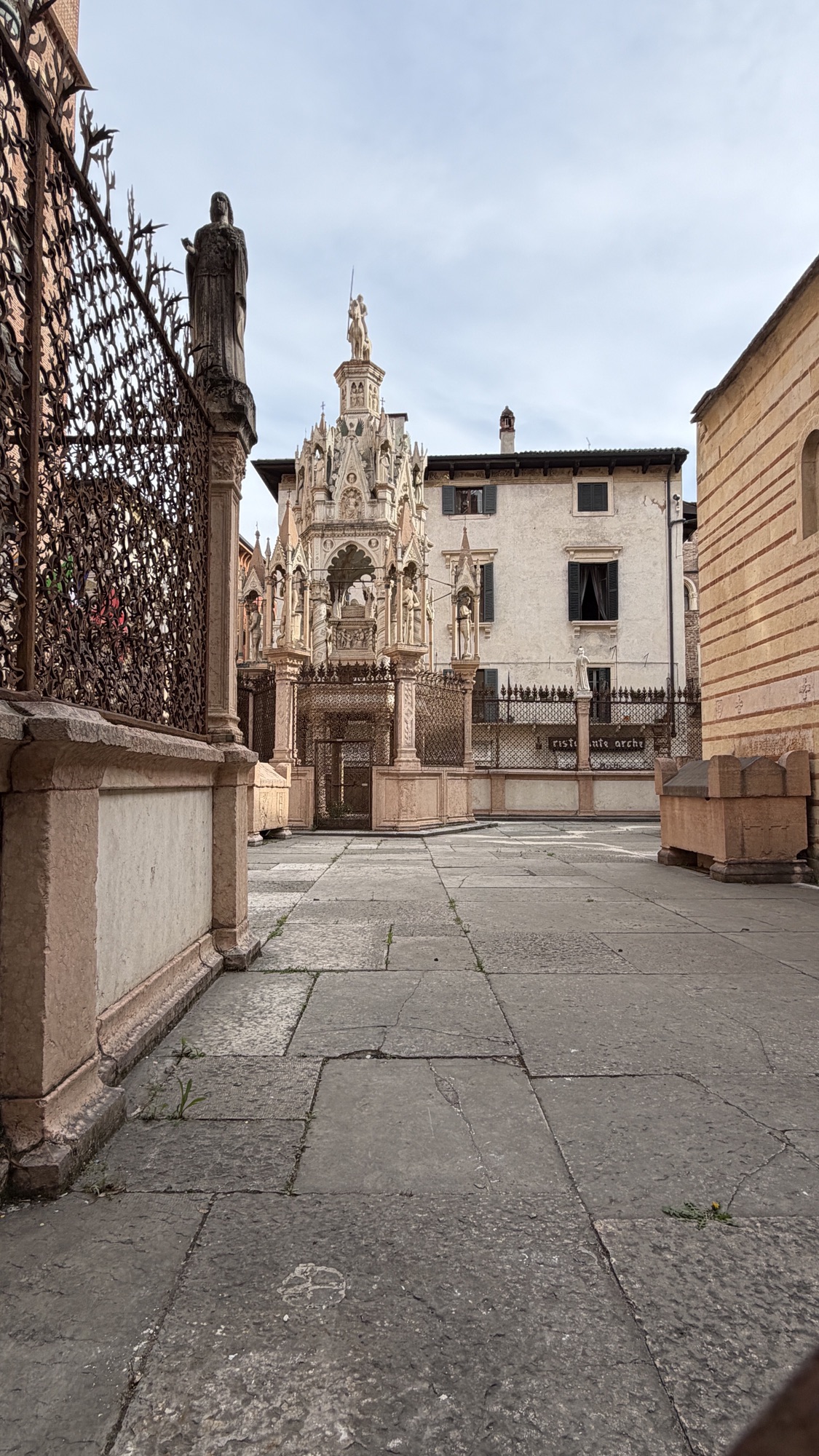
Nearby are the Arche Scaligere, the monumental funerary complex of the Della Scala family, distinguished by elaborate Gothic structures and a striking verticality. Even in a brief stop, this is where Verona’s historical dimension becomes especially tangible.
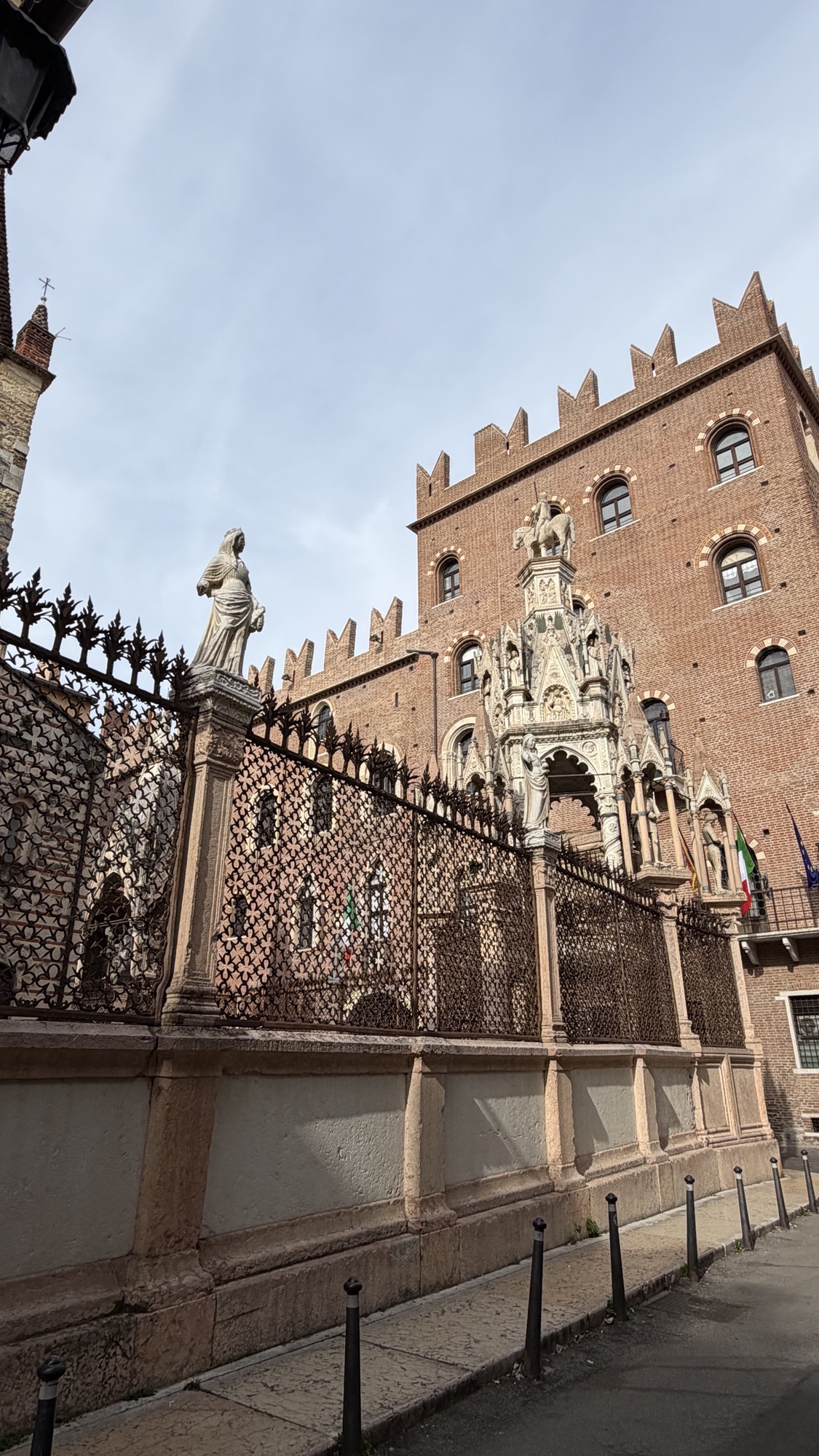
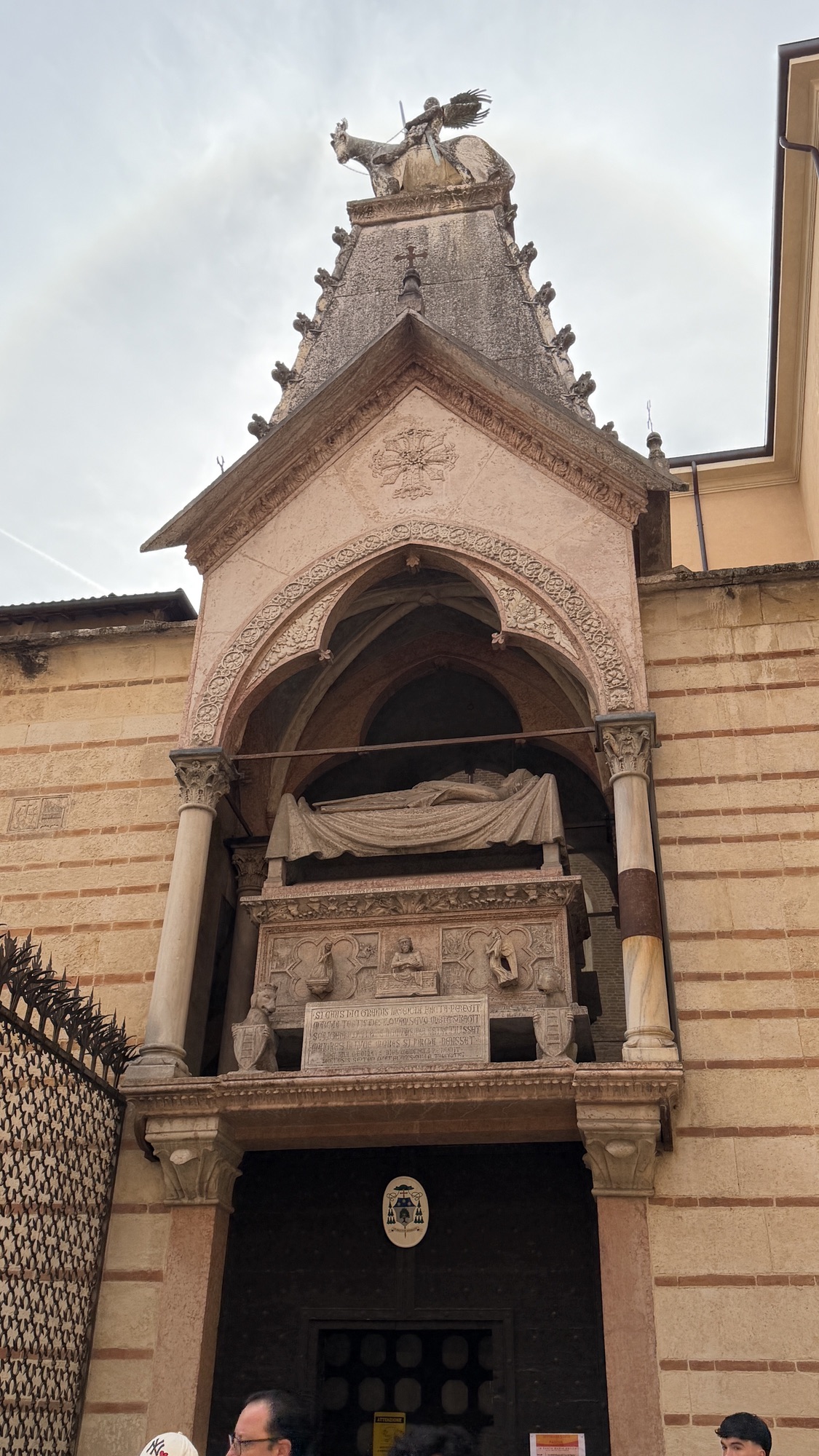
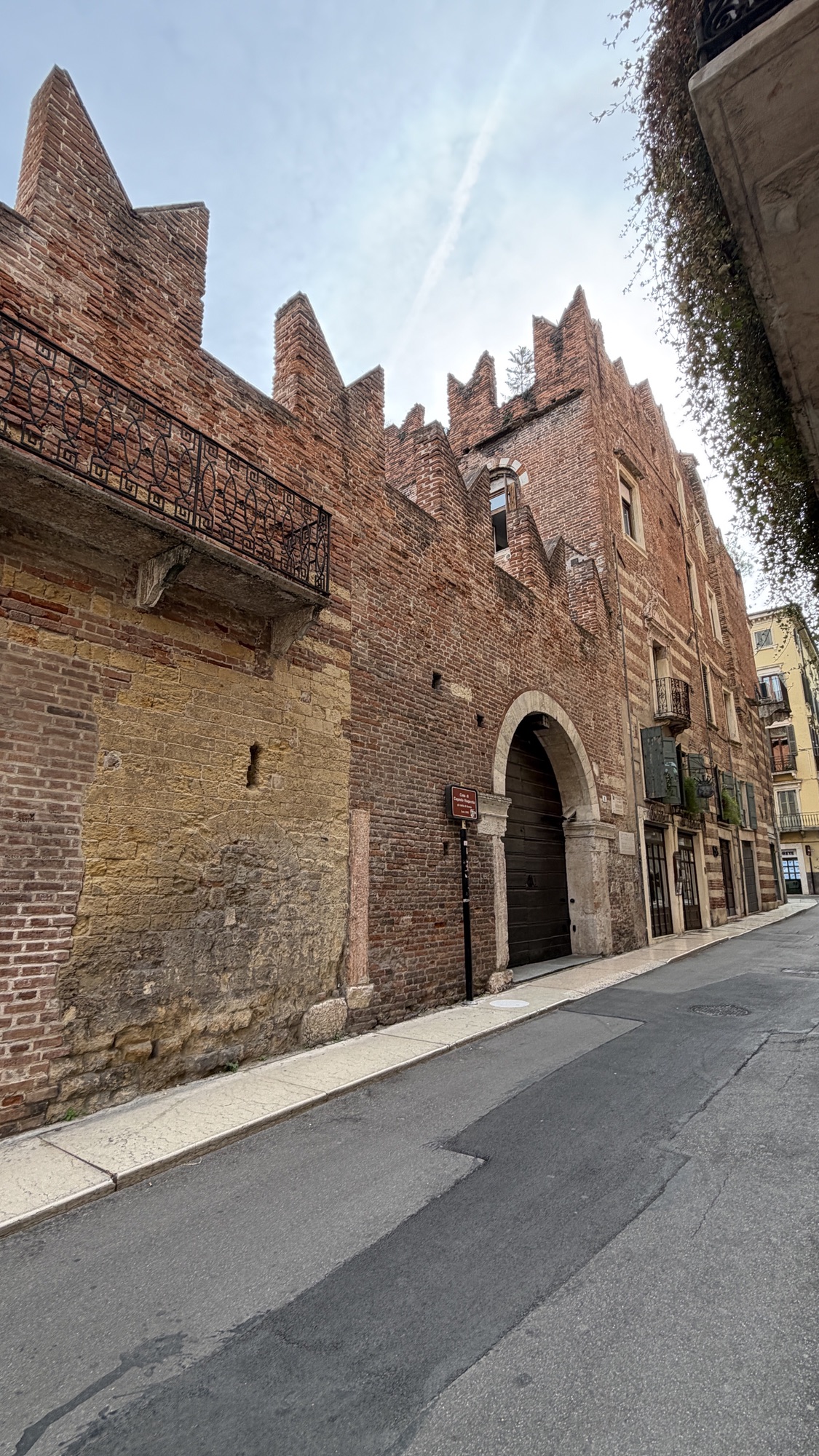
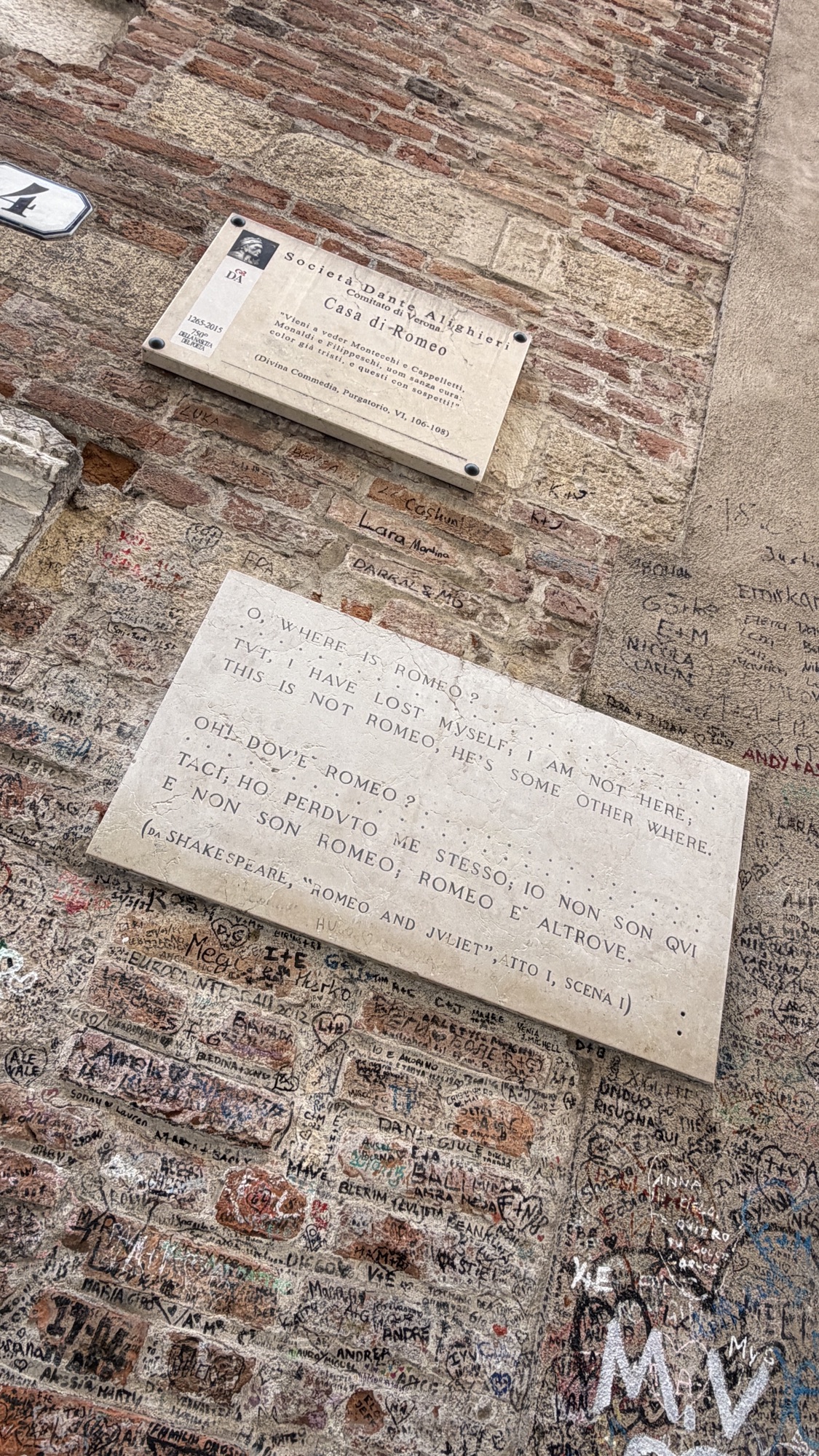
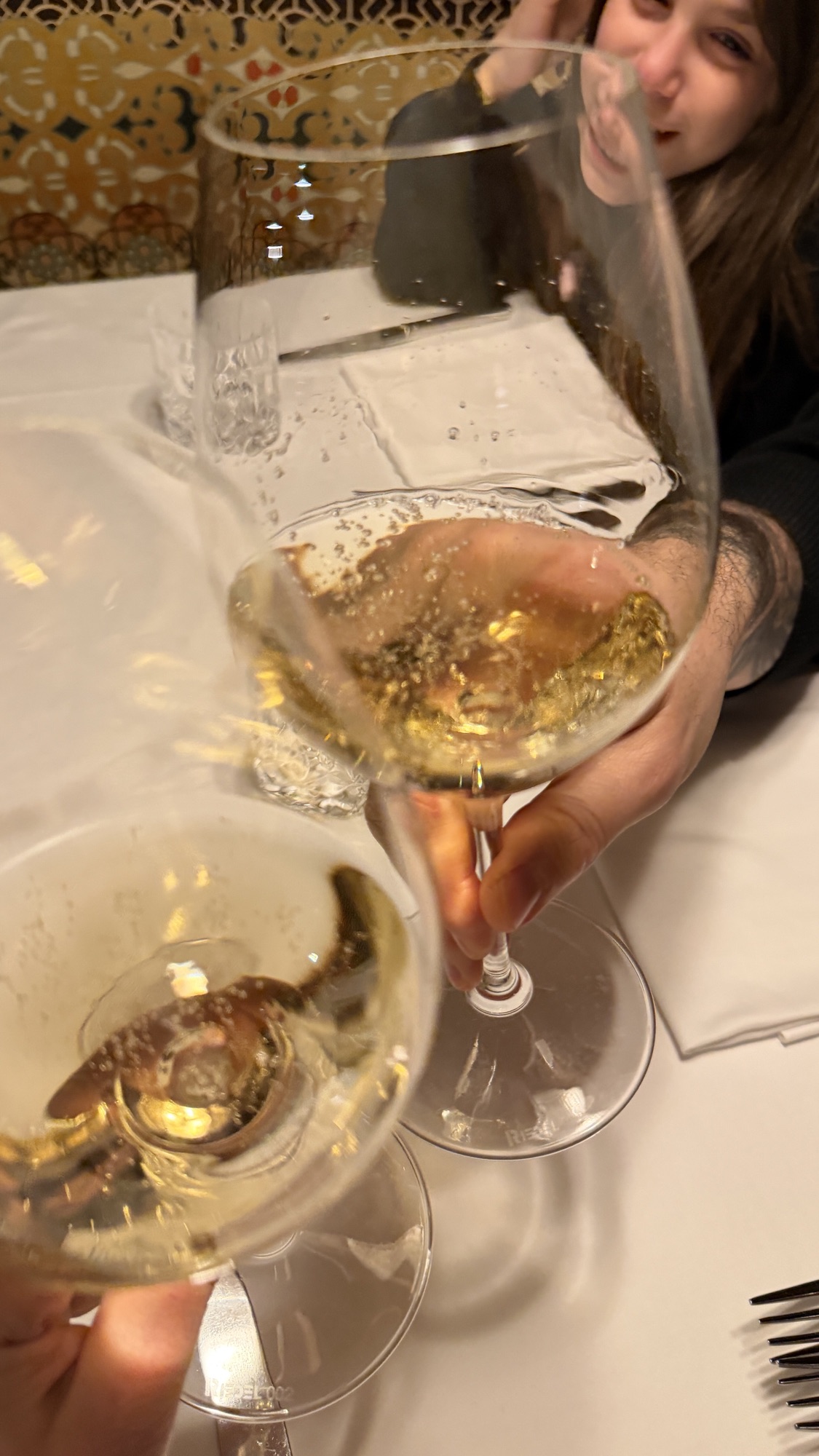
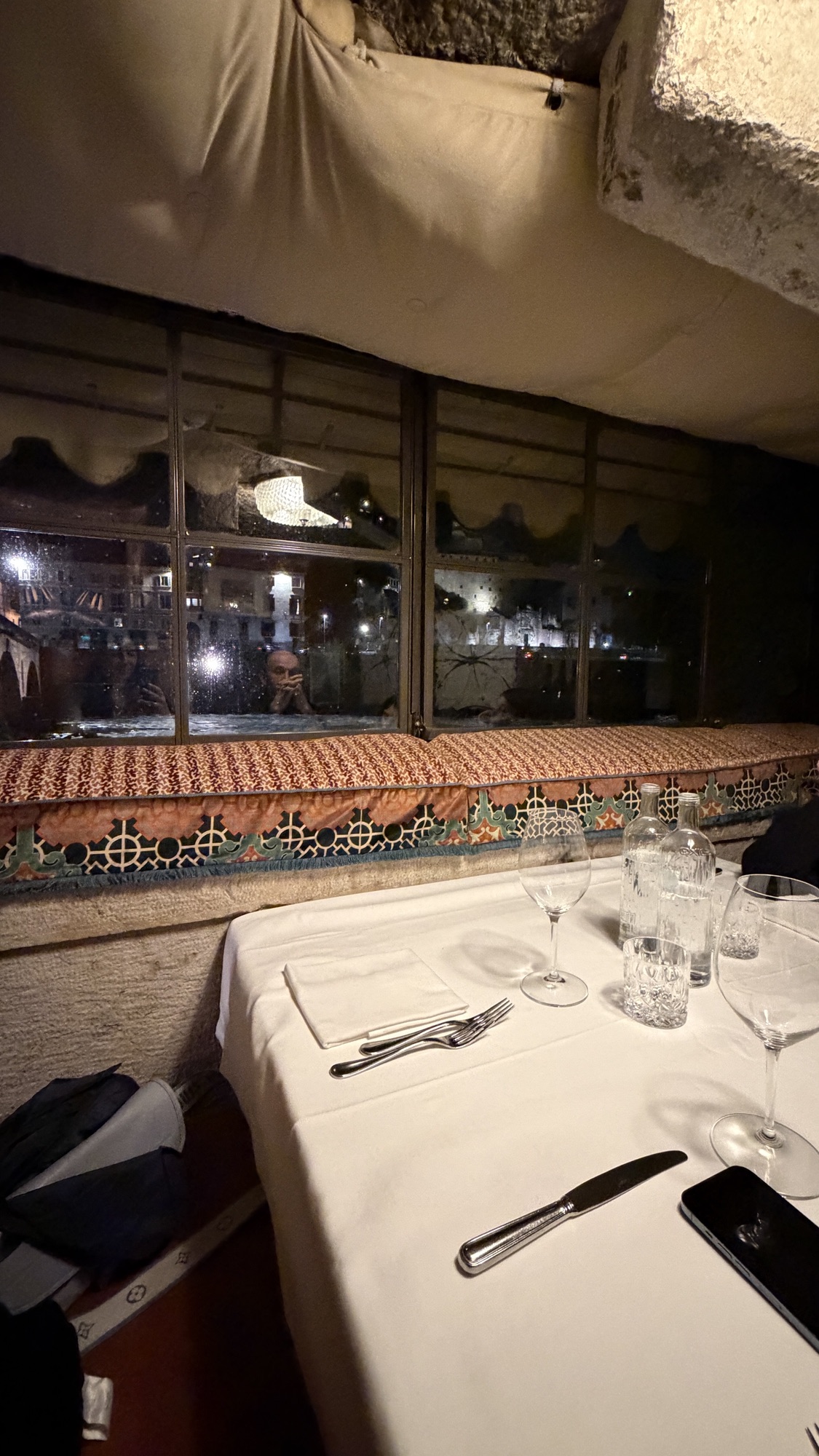
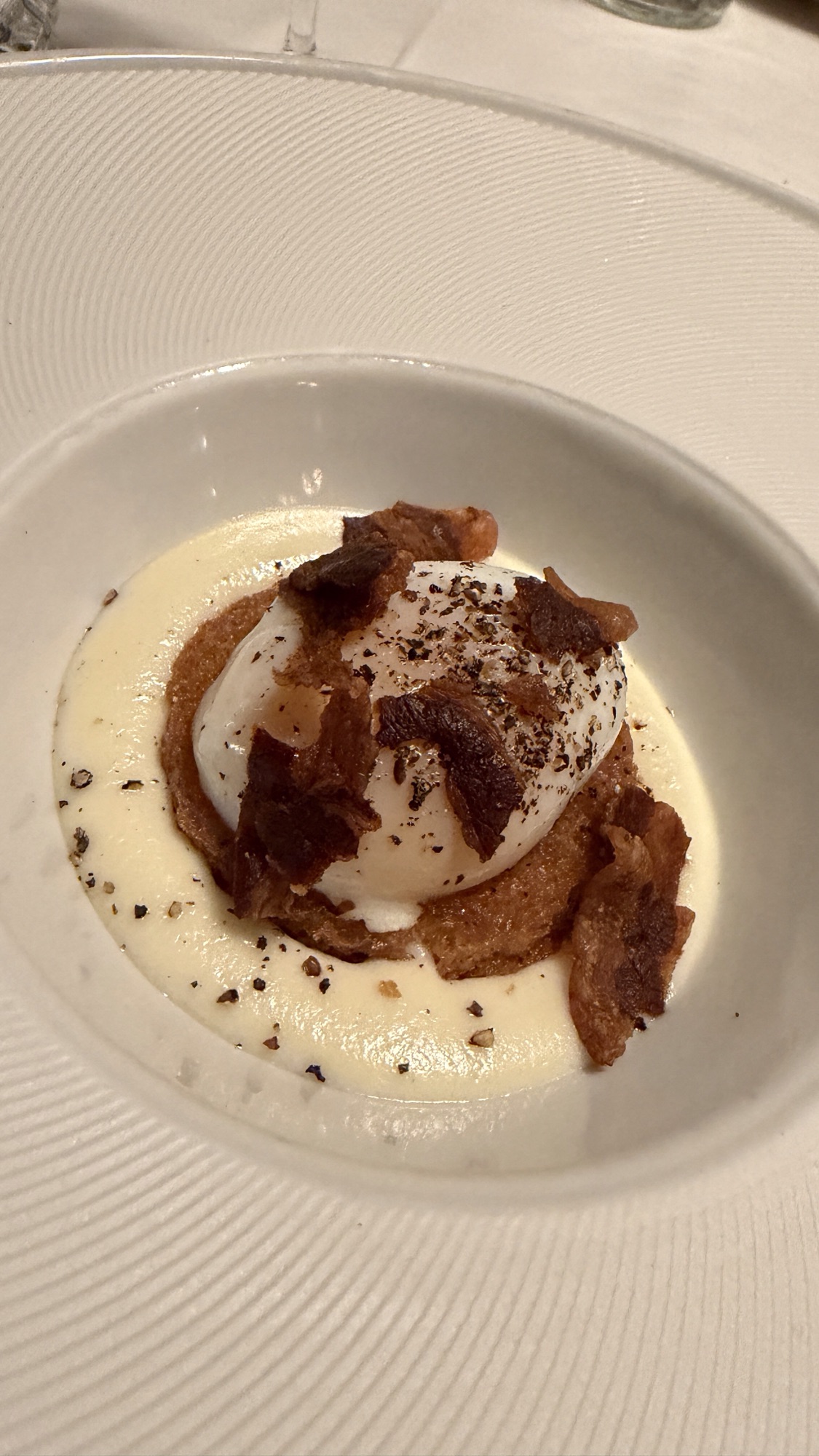
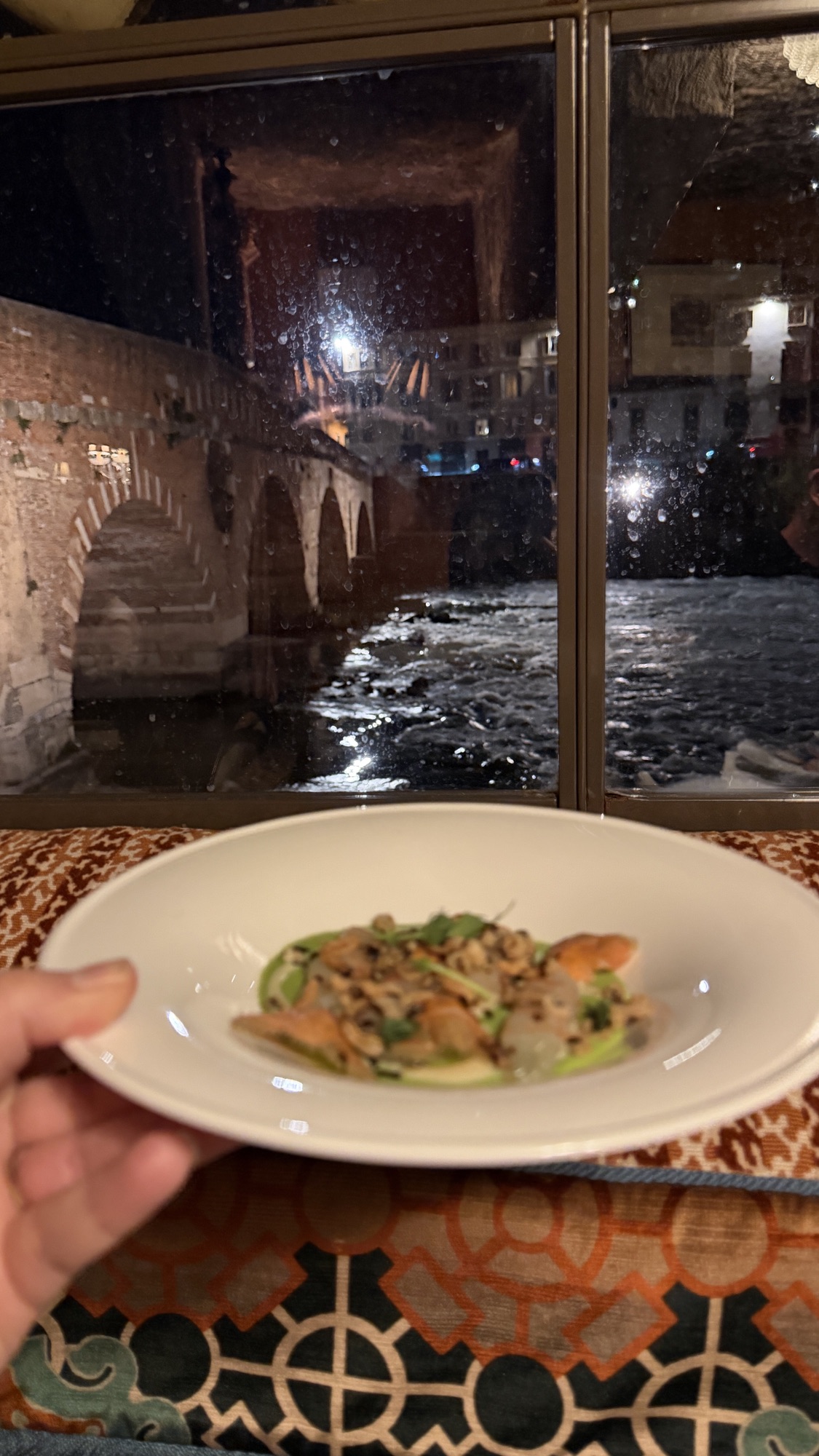
The day ends with dinner at Osteria Ponte Pietra, just steps from the bridge of the same name. It’s one of those places that works perfectly at the end of a day like this: intimate, coherent with its surroundings, and unforced.
The experience here is rooted in Veronese cuisine, with dishes closely tied to the territory. Its location, near the river and away from the busiest areas, creates a slower, more relaxed moment. After a full day on foot, it’s the natural way to close the day: slowing down, staying, without the need to move elsewhere.
.
Day 3
Sunday moves at a different pace—slower, more open. One last walk through the city streets—perhaps returning to Piazza delle Erbe—and then it’s time to shift direction.
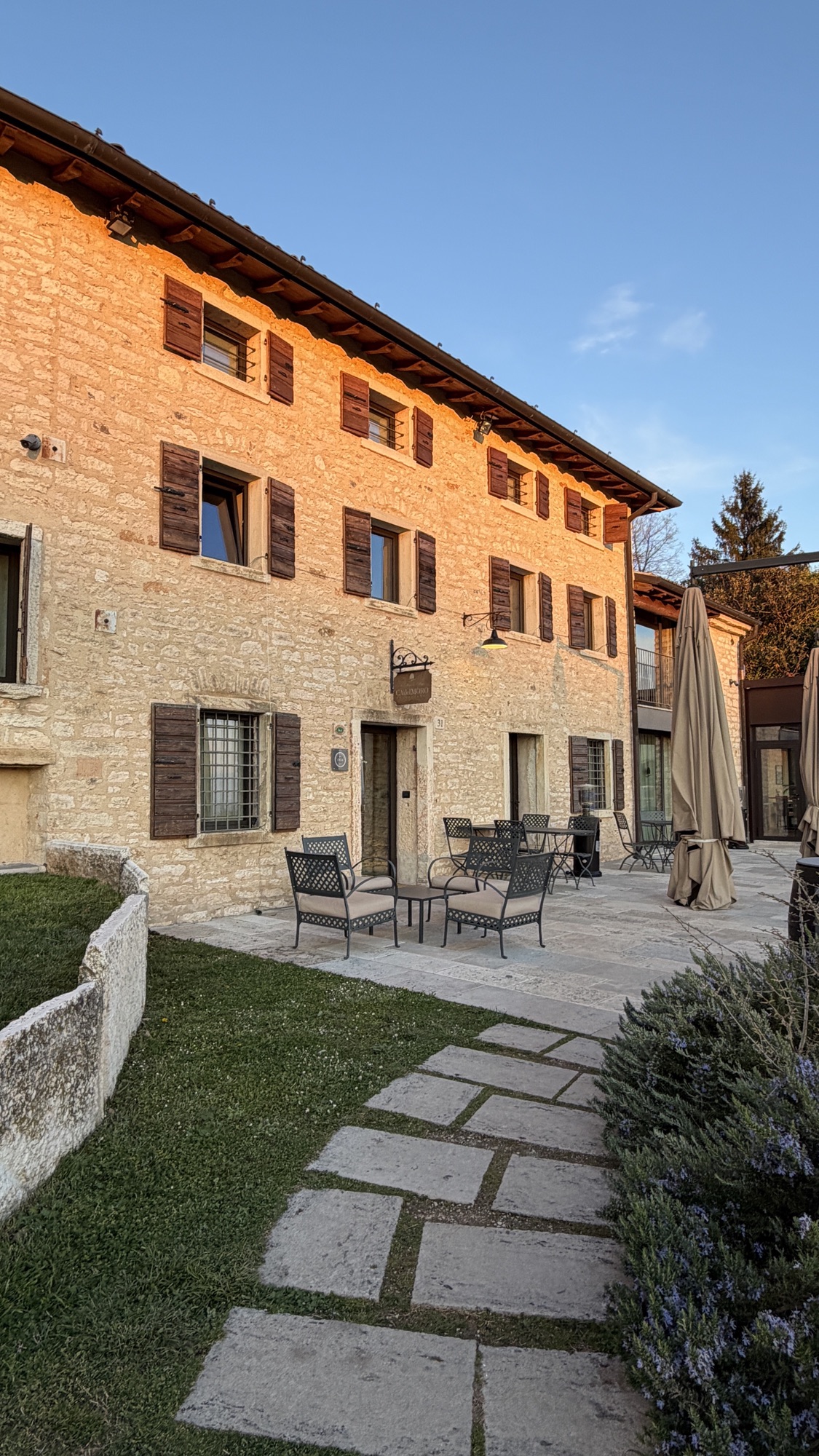
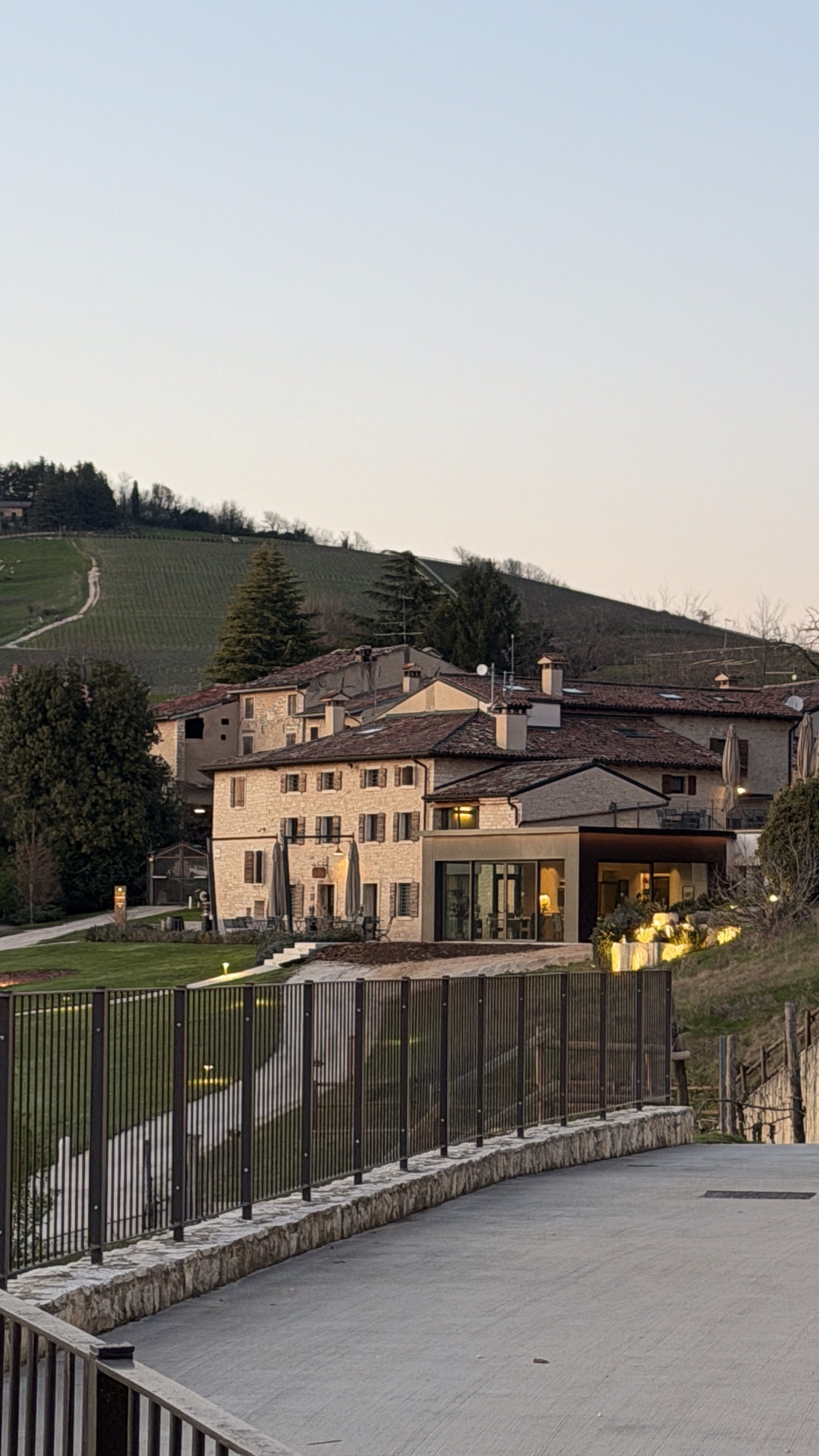
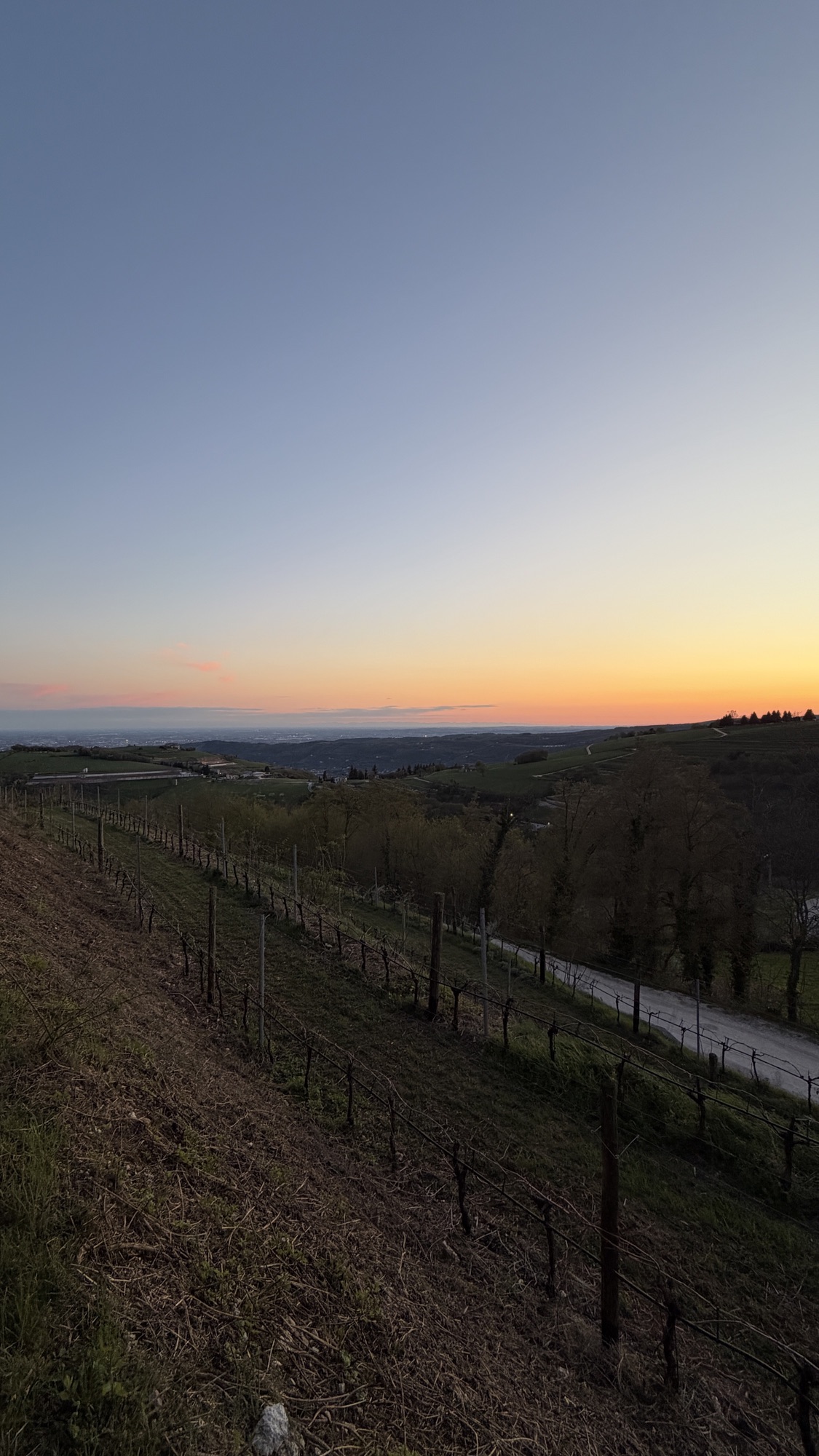
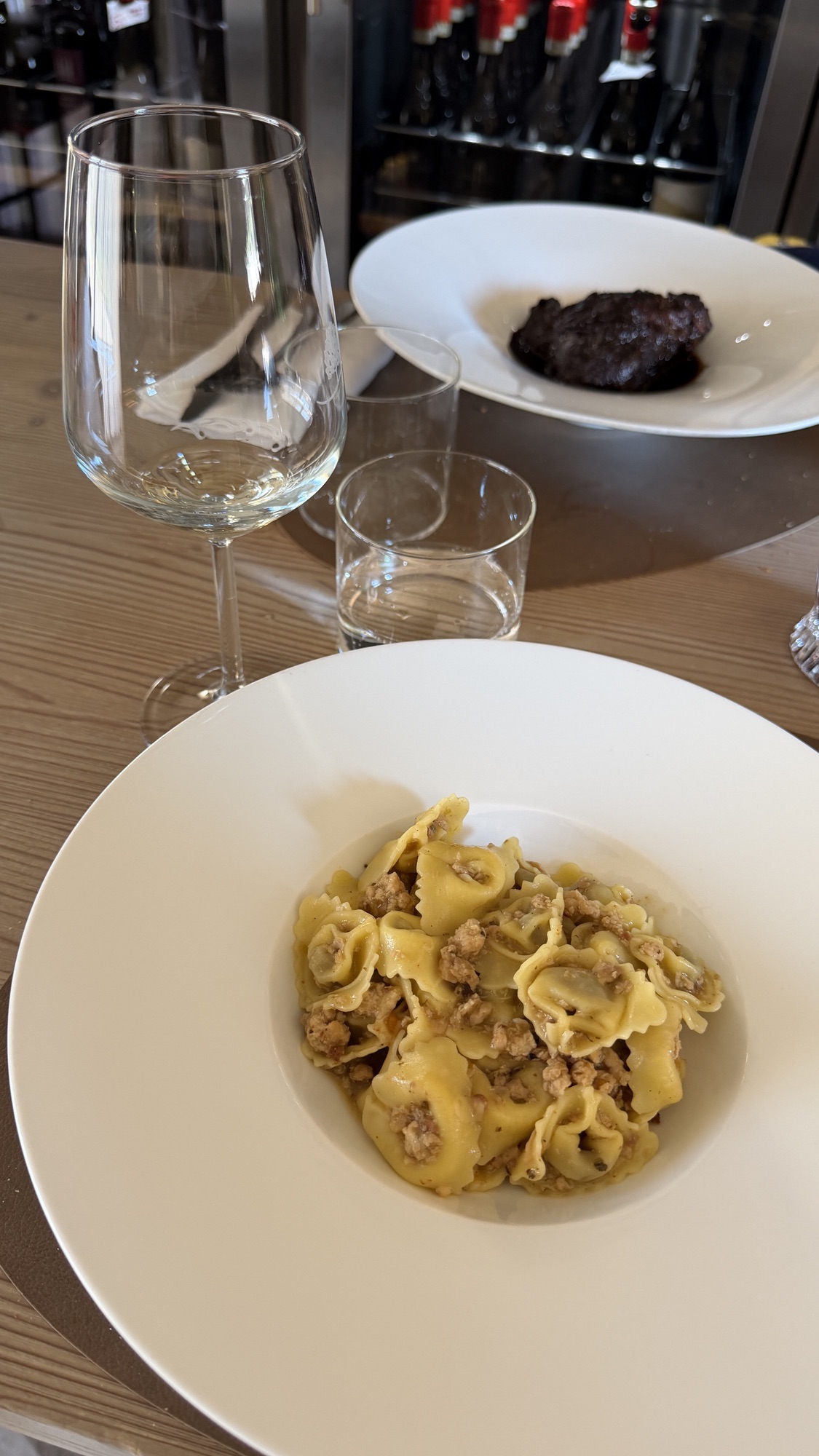
In about twenty minutes, you reach La Collina dei Ciliegi, where the city gives way to the landscape. A wine tasting in the cellar introduces a more relaxed rhythm, which continues naturally with lunch at Il Ciligino bistrot.
It’s the perfect way to close the weekend: leaving the city without really breaking away from it, but carrying its rhythm with you.
.
Where to stay: Domus Verona
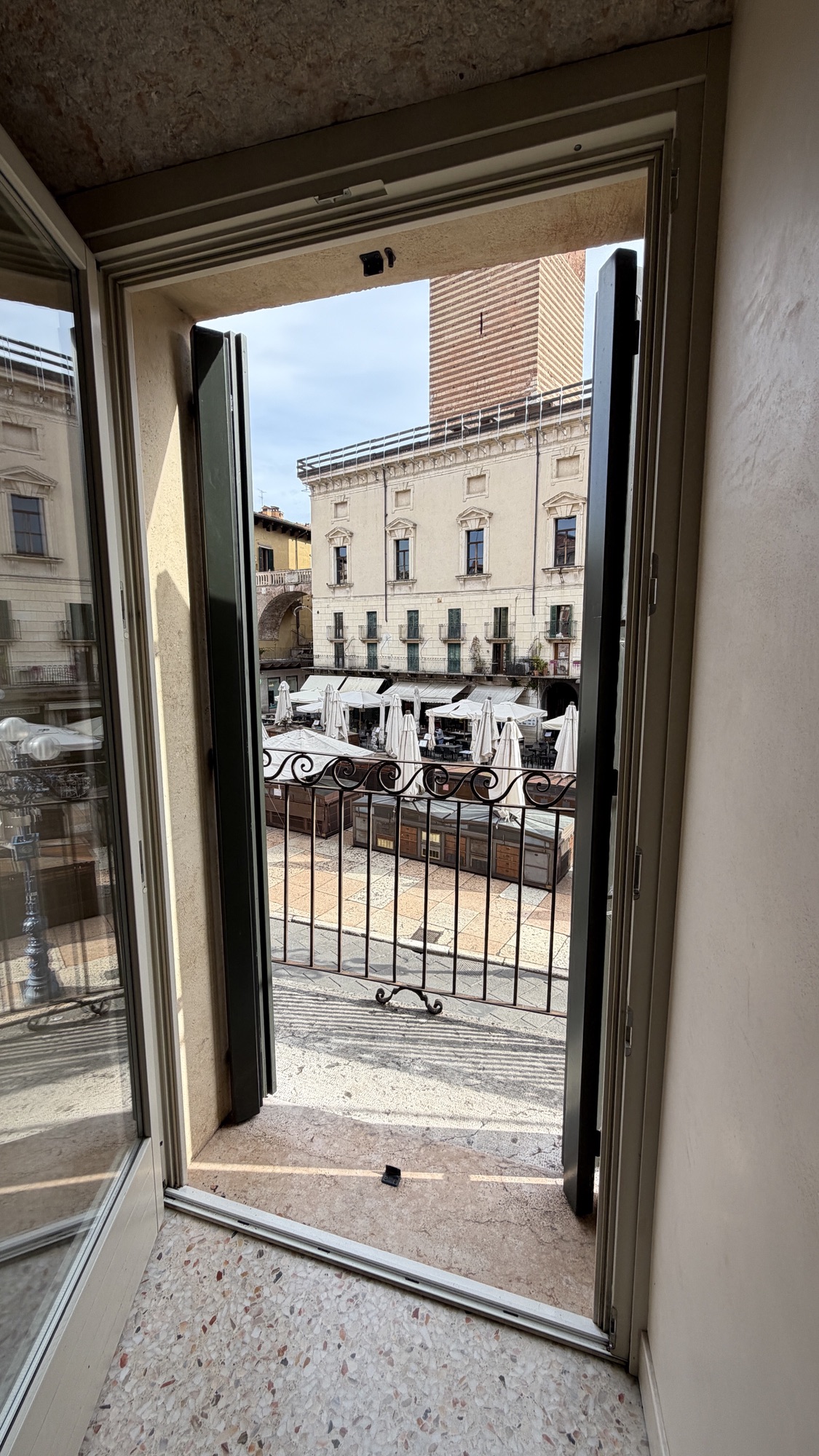
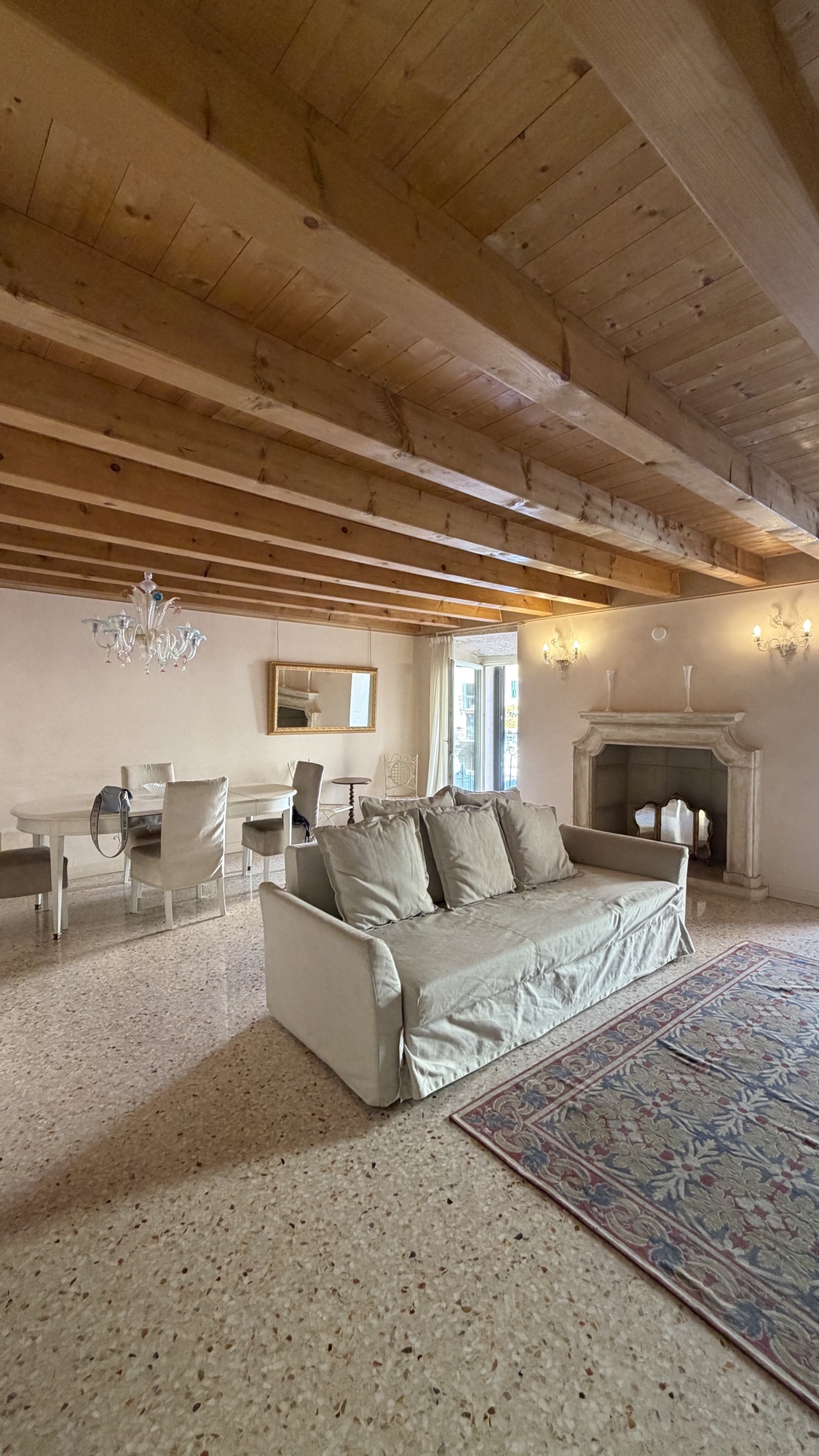
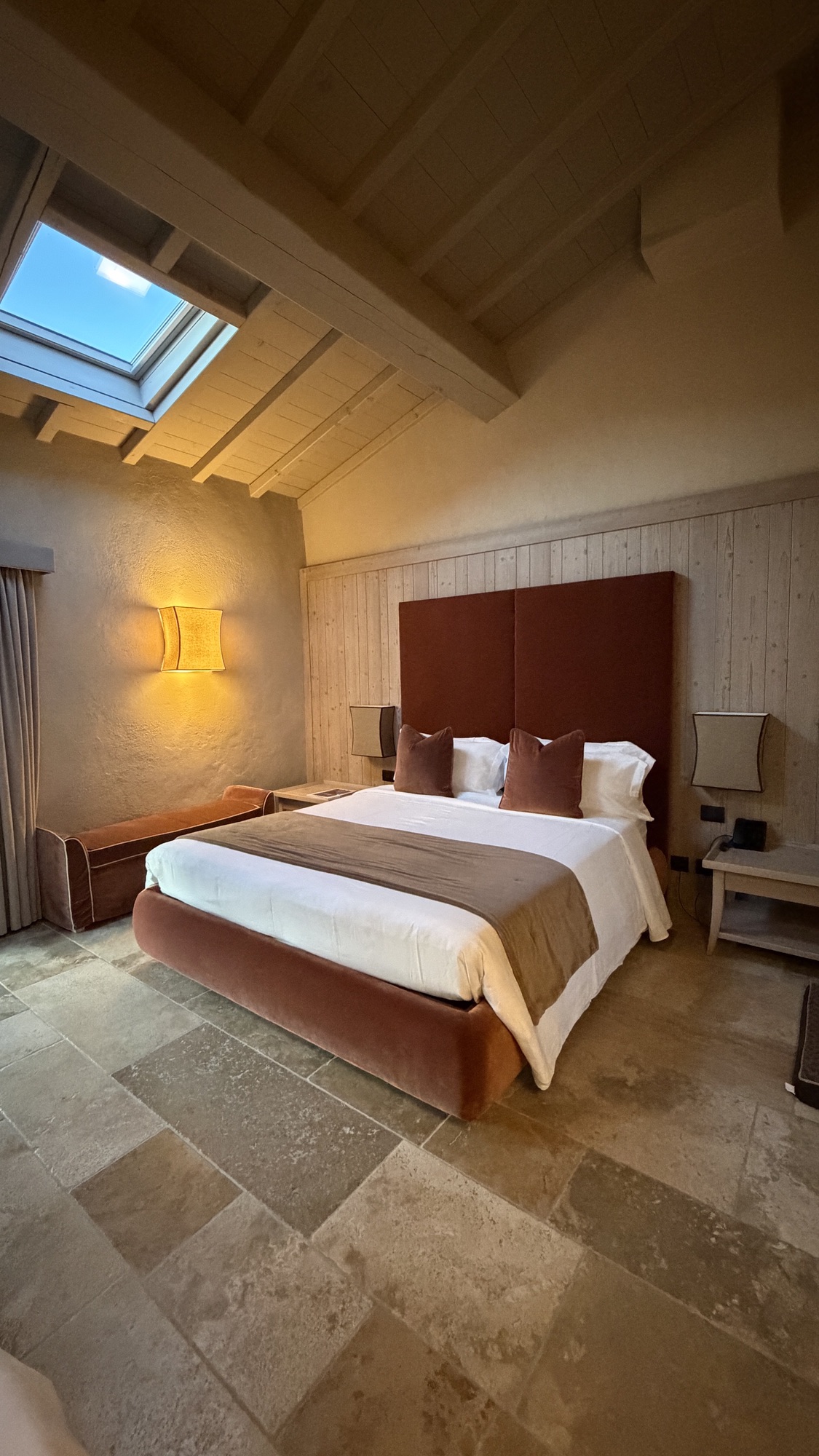
Choosing a Domus Verona apartment in Piazza delle Erbe means positioning yourself exactly where the city happens. Stepping outside and finding yourself immediately in the heart of the historic center completely changes the way you experience the weekend.
Your day doesn’t begin with a commute, but with an immediate immersion into the city. In the morning, you step out and you’re already among the architecture and the flow of Piazza delle Erbe; in the evening, you return along the same streets without ever feeling distance. The apartment setup offers autonomy and flexibility, also thanks to the presence of a kitchen, making it suitable for couples, groups of friends, and families. The possibility of staying with pets makes the experience even more accessible.
For those arriving by car, services such as Le Garage Car Valet allow you to leave your vehicle outside the city center and be driven directly to your destination, avoiding ZTL restrictions and making your arrival smooth and uninterrupted.
And it is precisely this sense of continuity that makes the difference: Verona is not a place to visit in stops, but a place to stay—even if just for a weekend.