
Frankfurt is one of those cities capable of surprising you at first glance: contemporary and international, yet deeply rooted in history, museums, iconic architecture and culinary spots that reveal the most authentic side of Germany. Perfect for a European weekend escape, it effortlessly combines futuristic skylines, carefully reconstructed historic quarters, major cultural institutions and unexpected green spaces along the River Main.
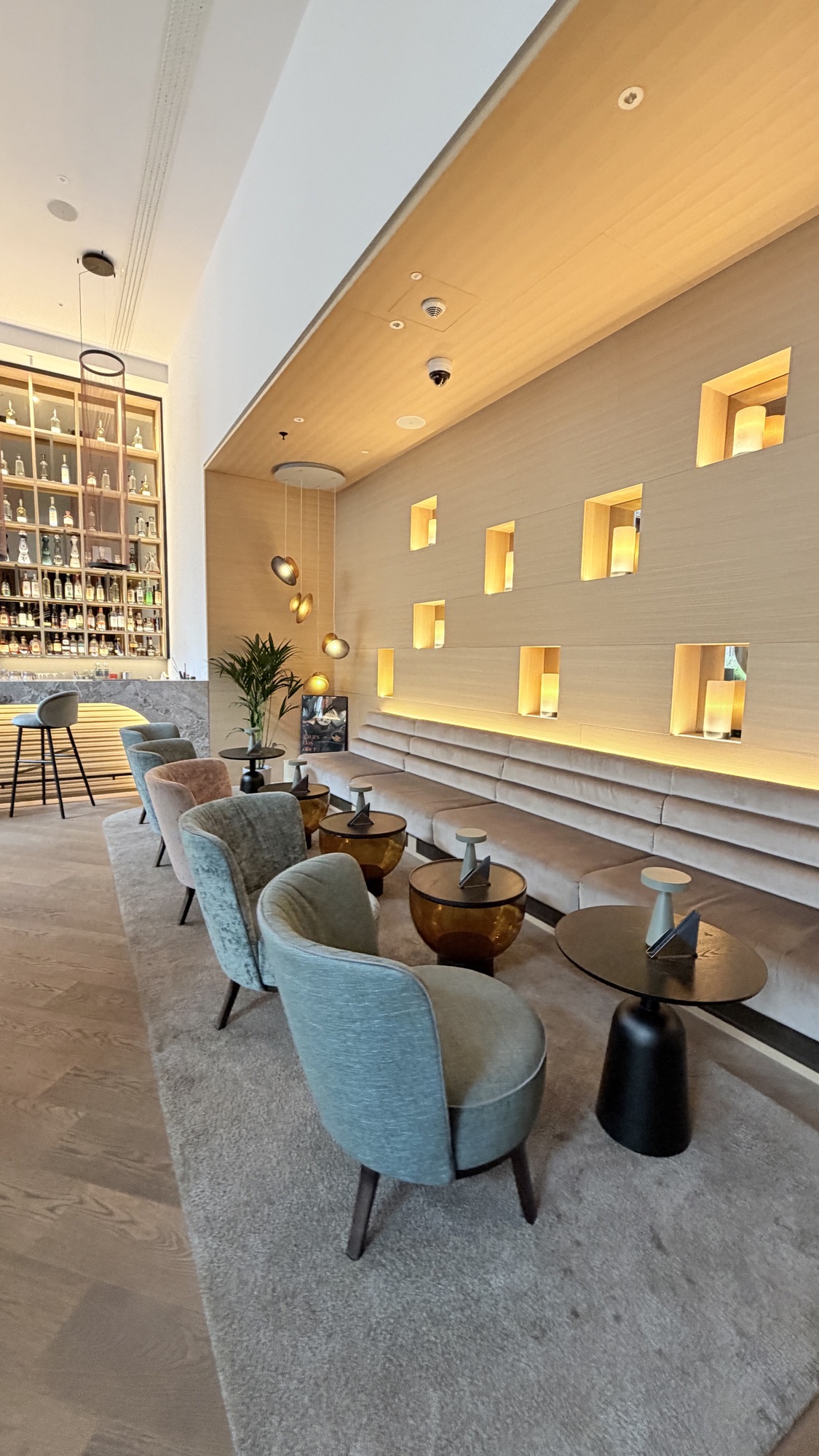
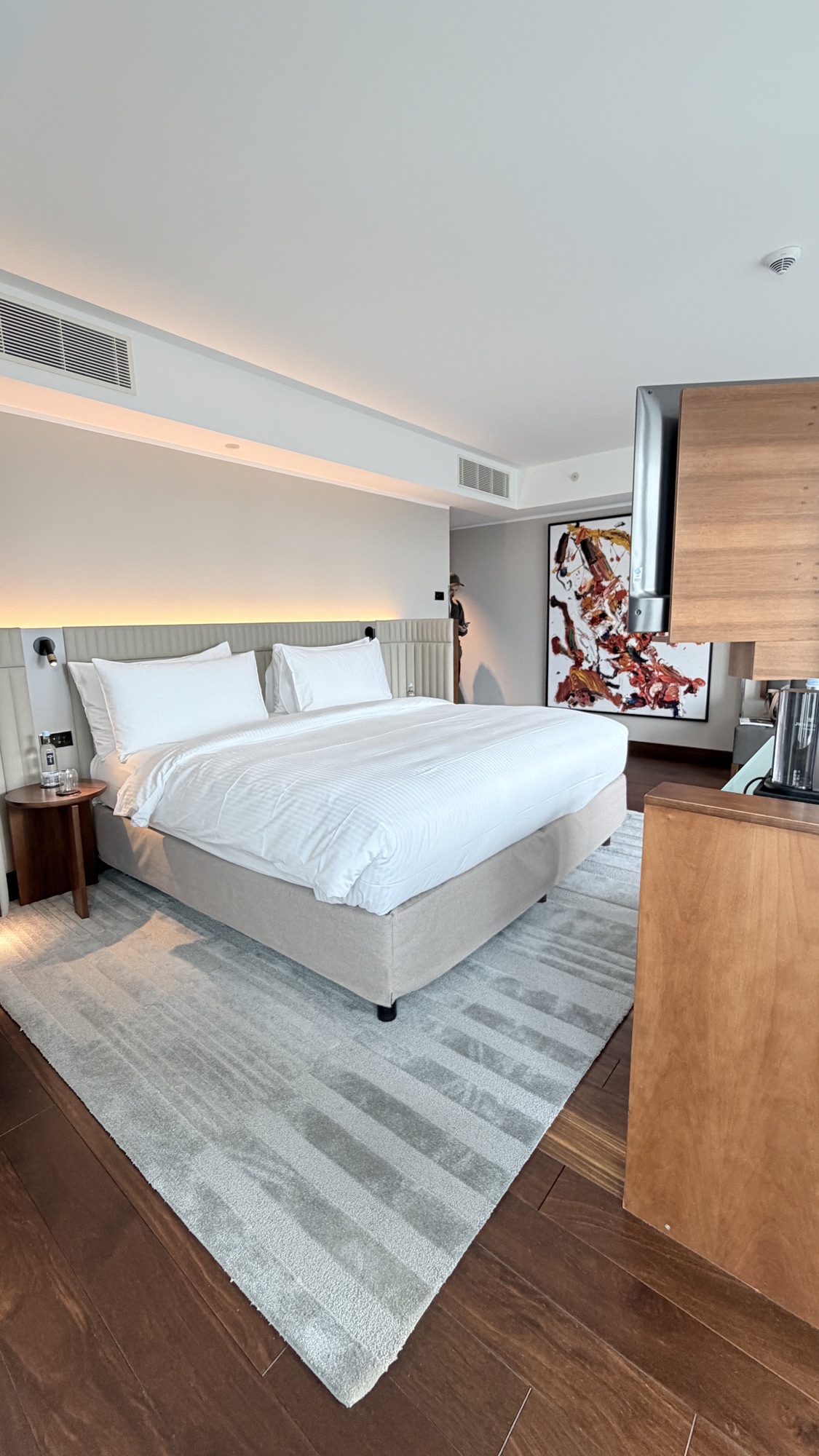
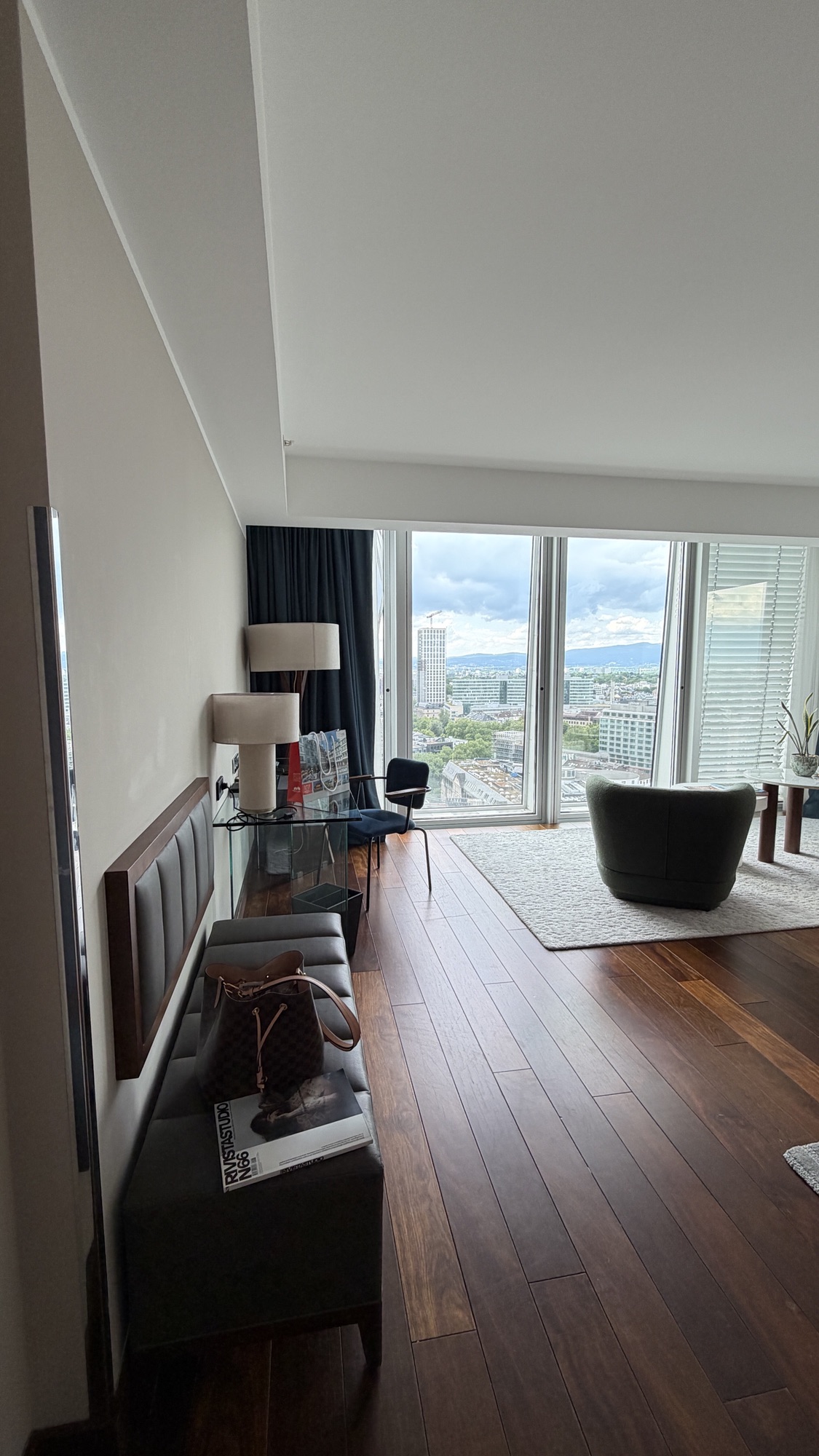
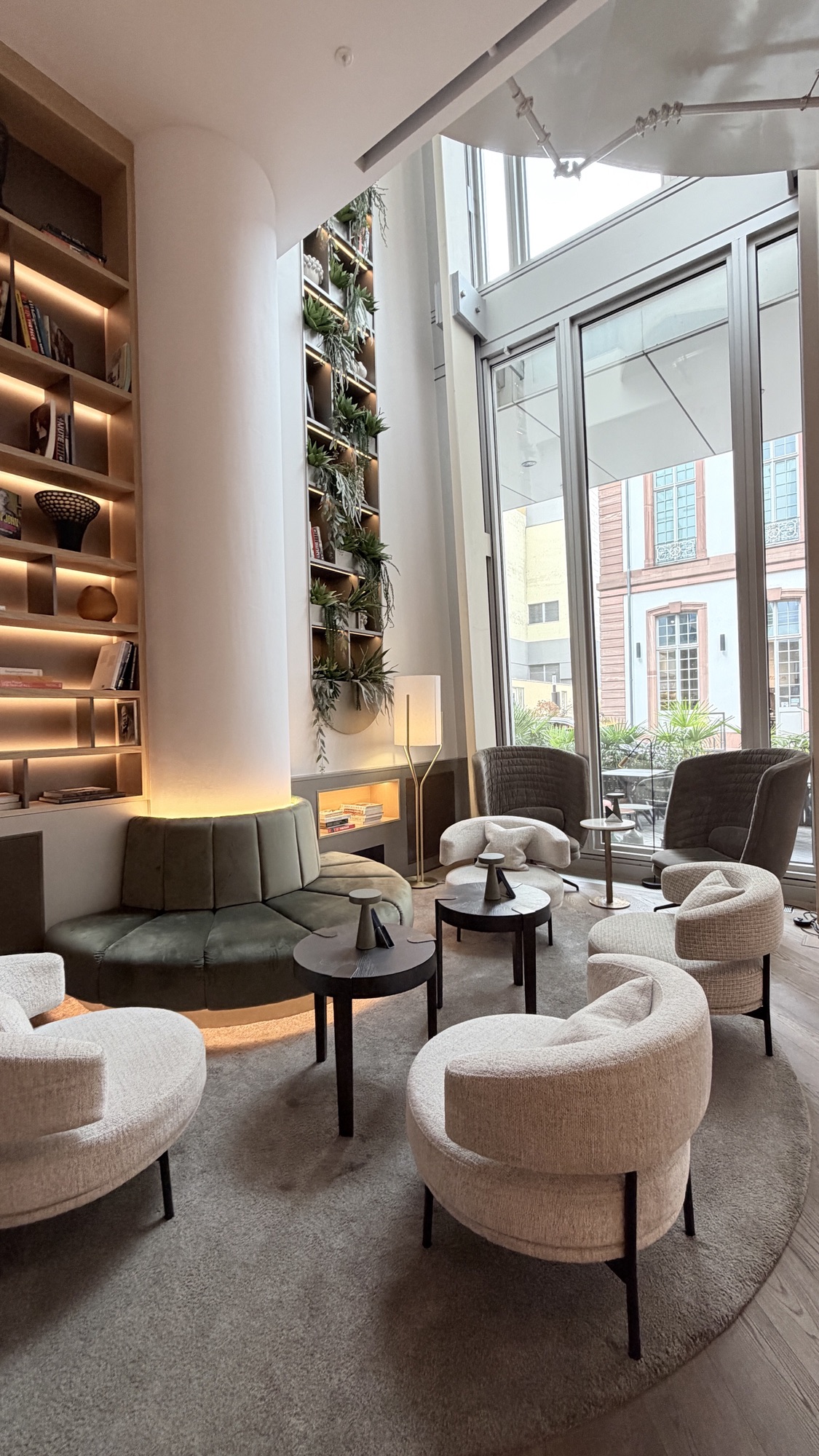
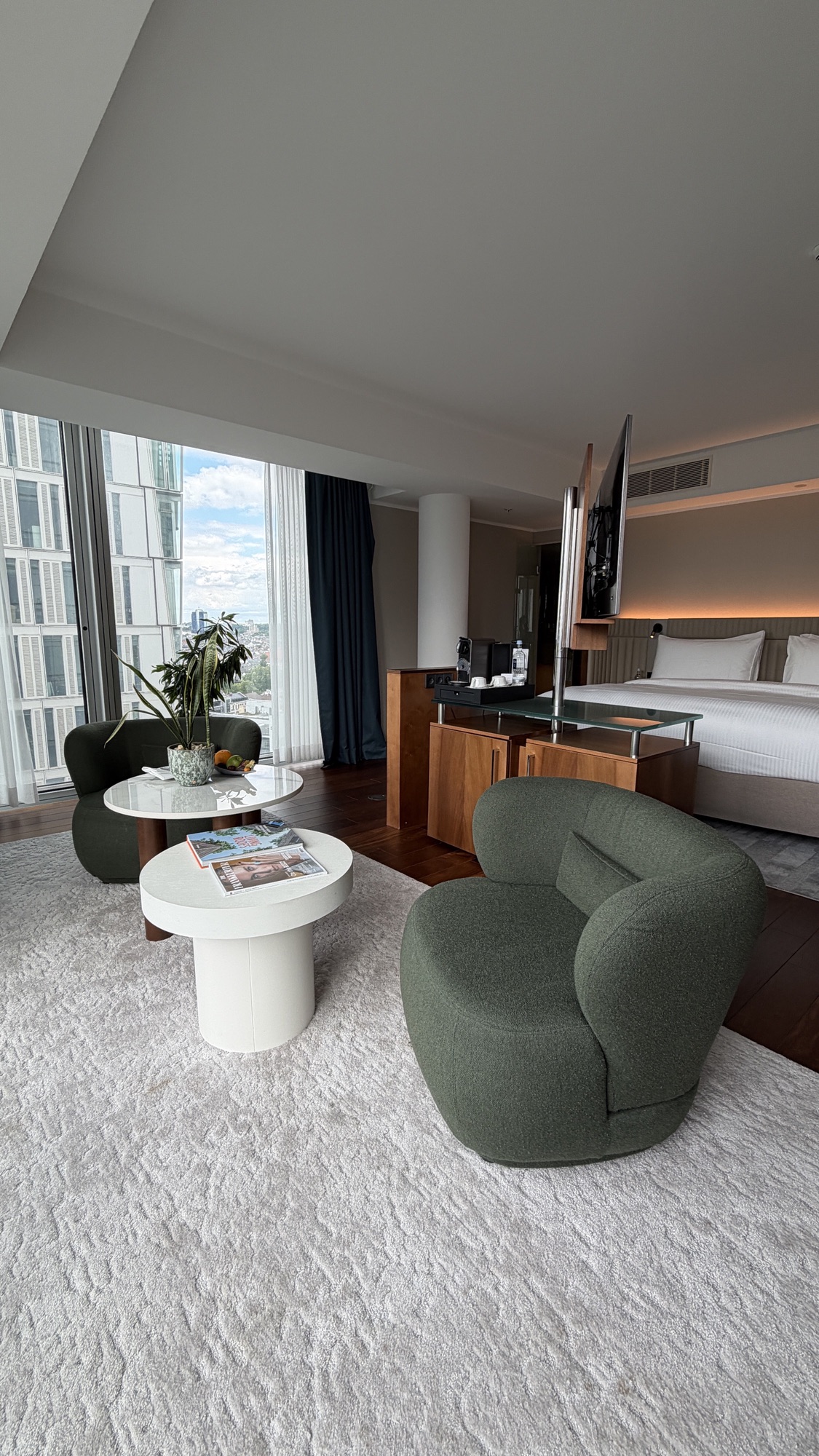
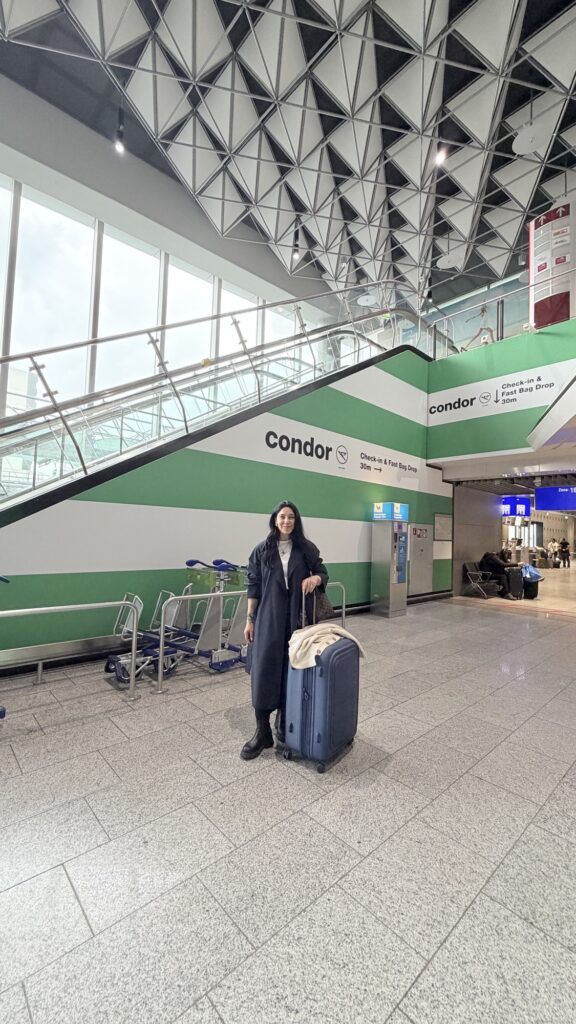
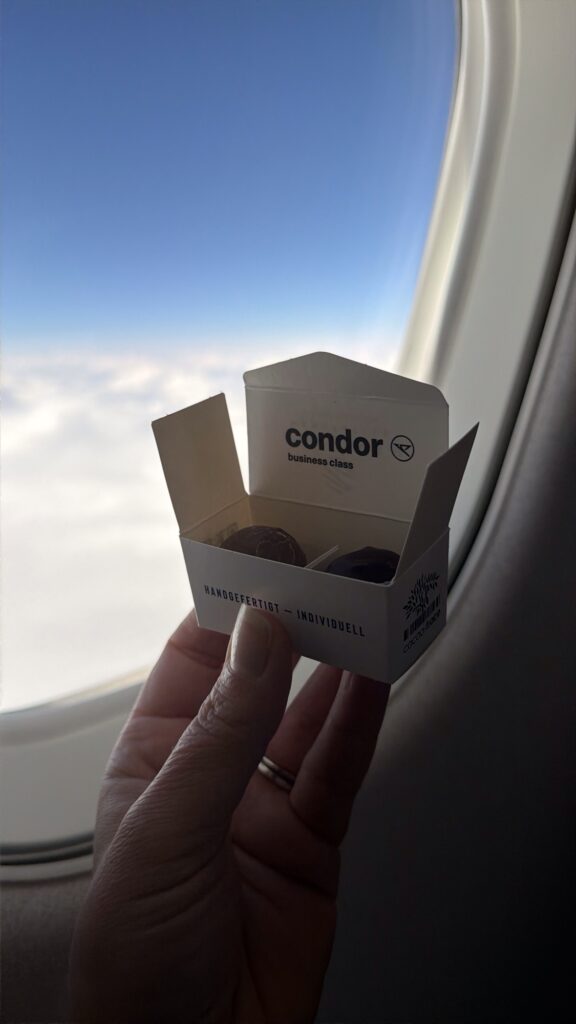
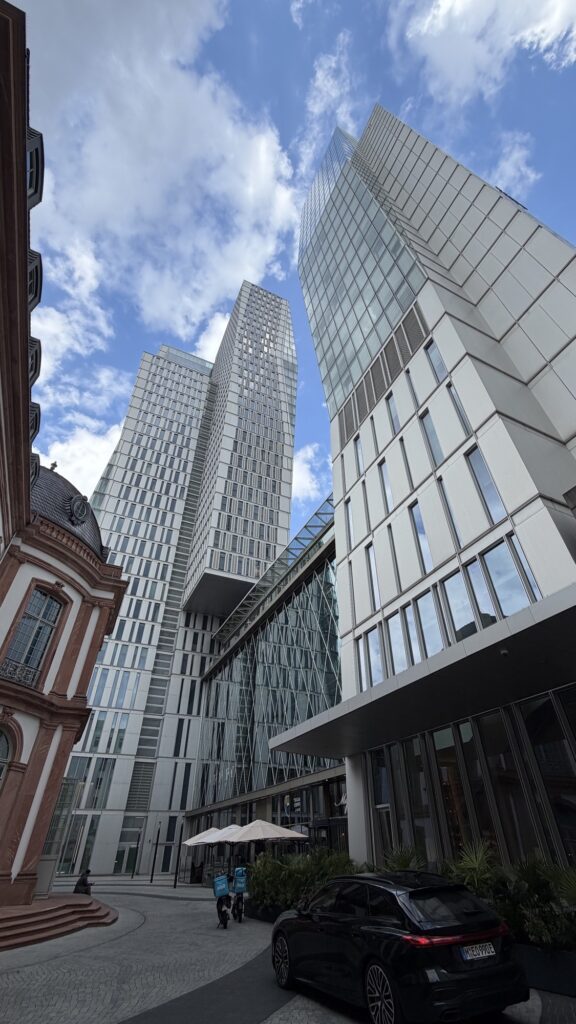
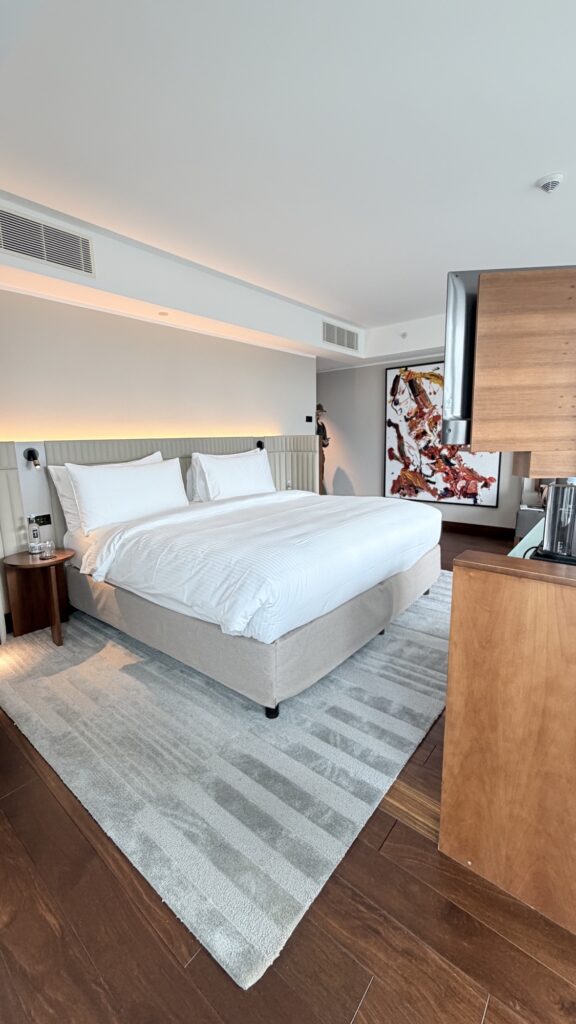
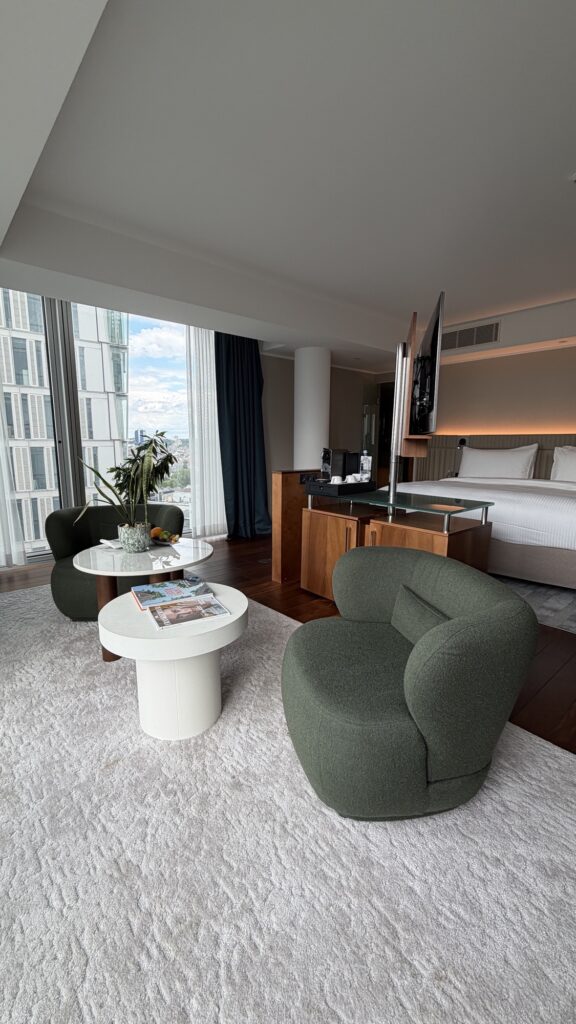
The easiest way to reach the city from Italy is with the direct Condor flight from Milan: just over an hour and you suddenly find yourself immersed in Frankfurt’s contemporary atmosphere. For the stay, the ideal starting point is the JW Marriott Hotel Frankfurt, located in the heart of the financial district and within walking distance of the city’s main attractions.
Day 1
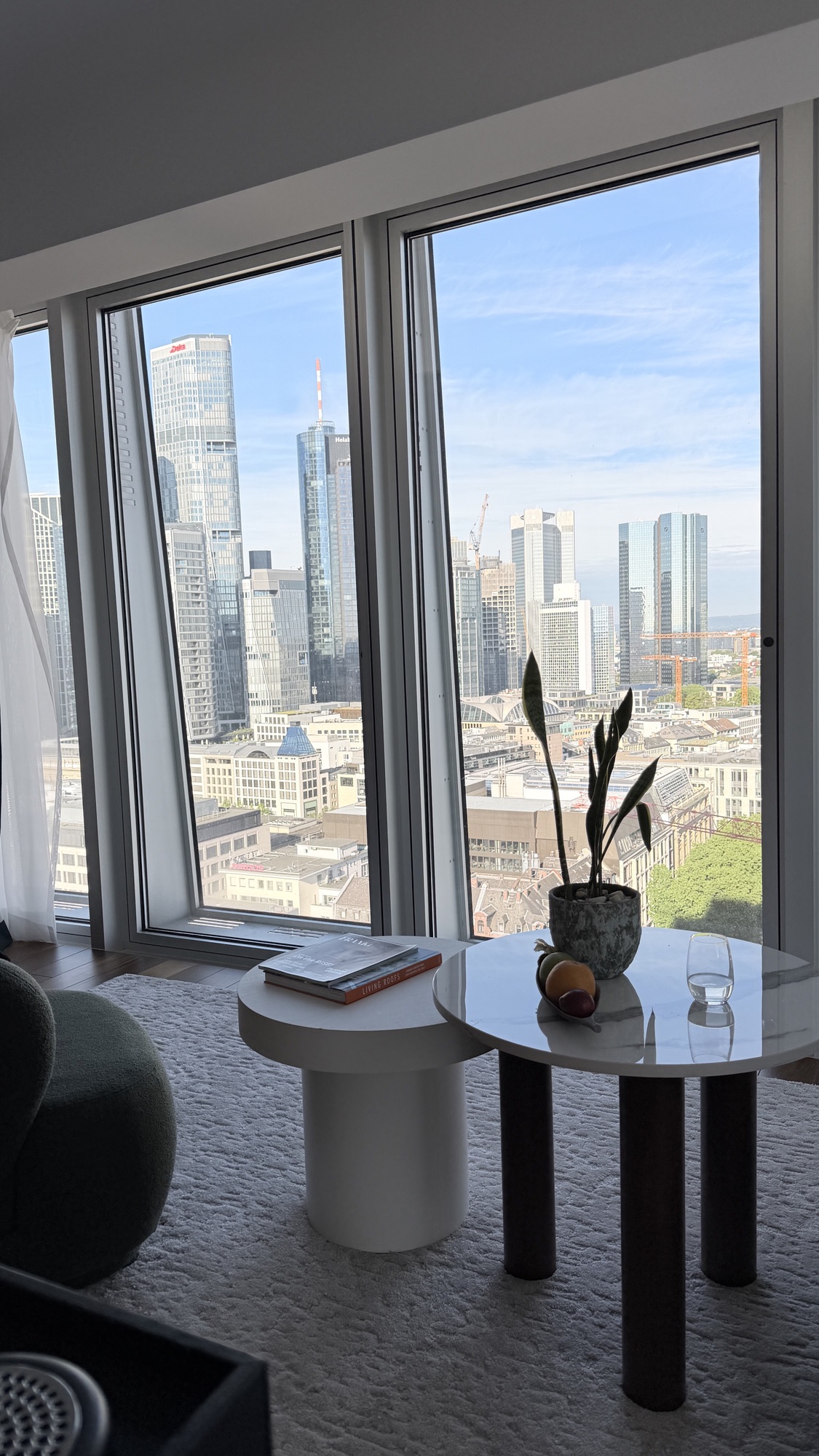
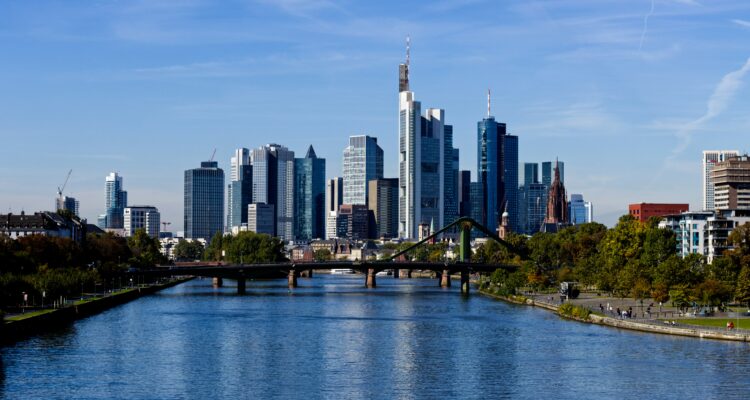
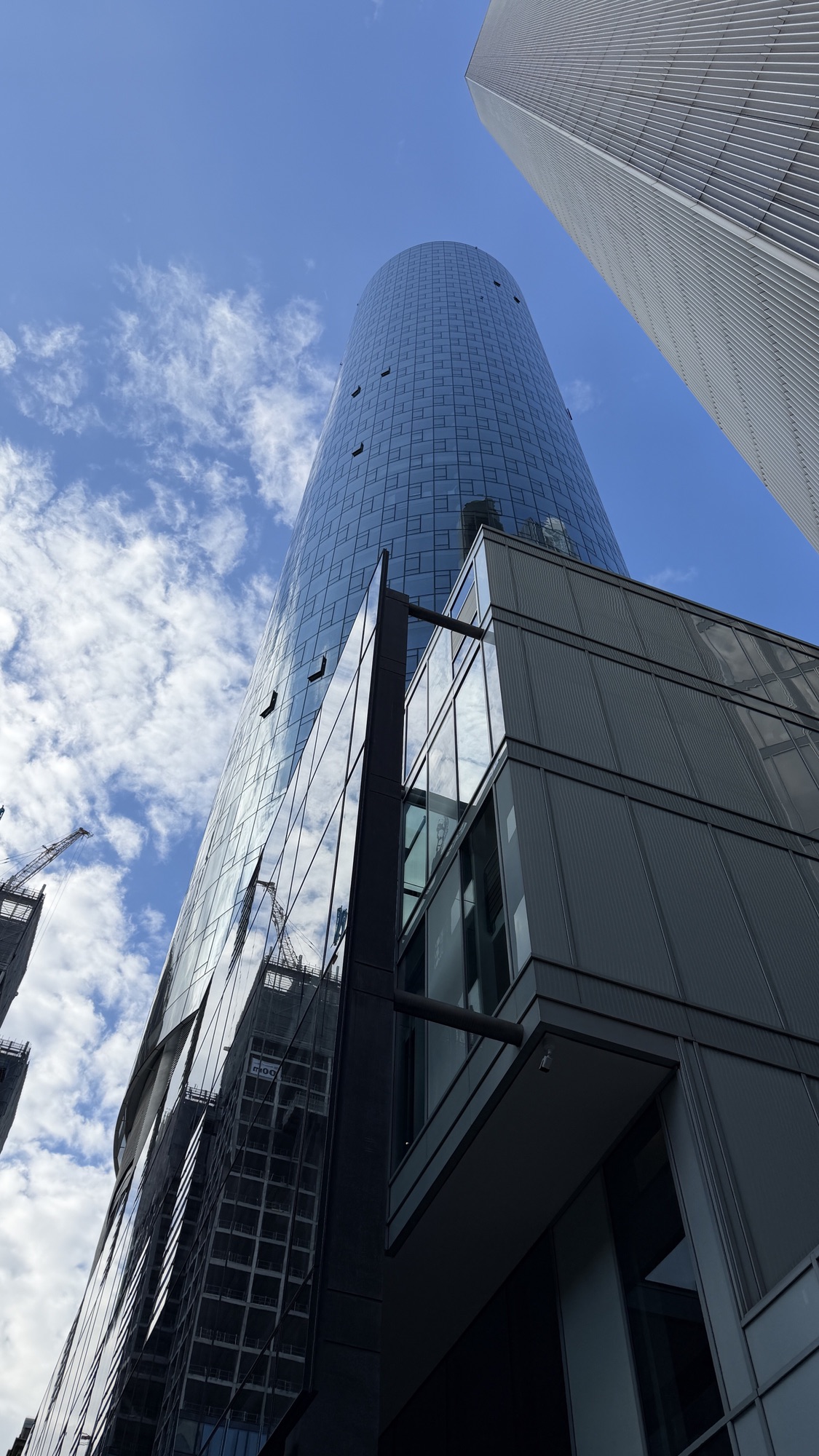
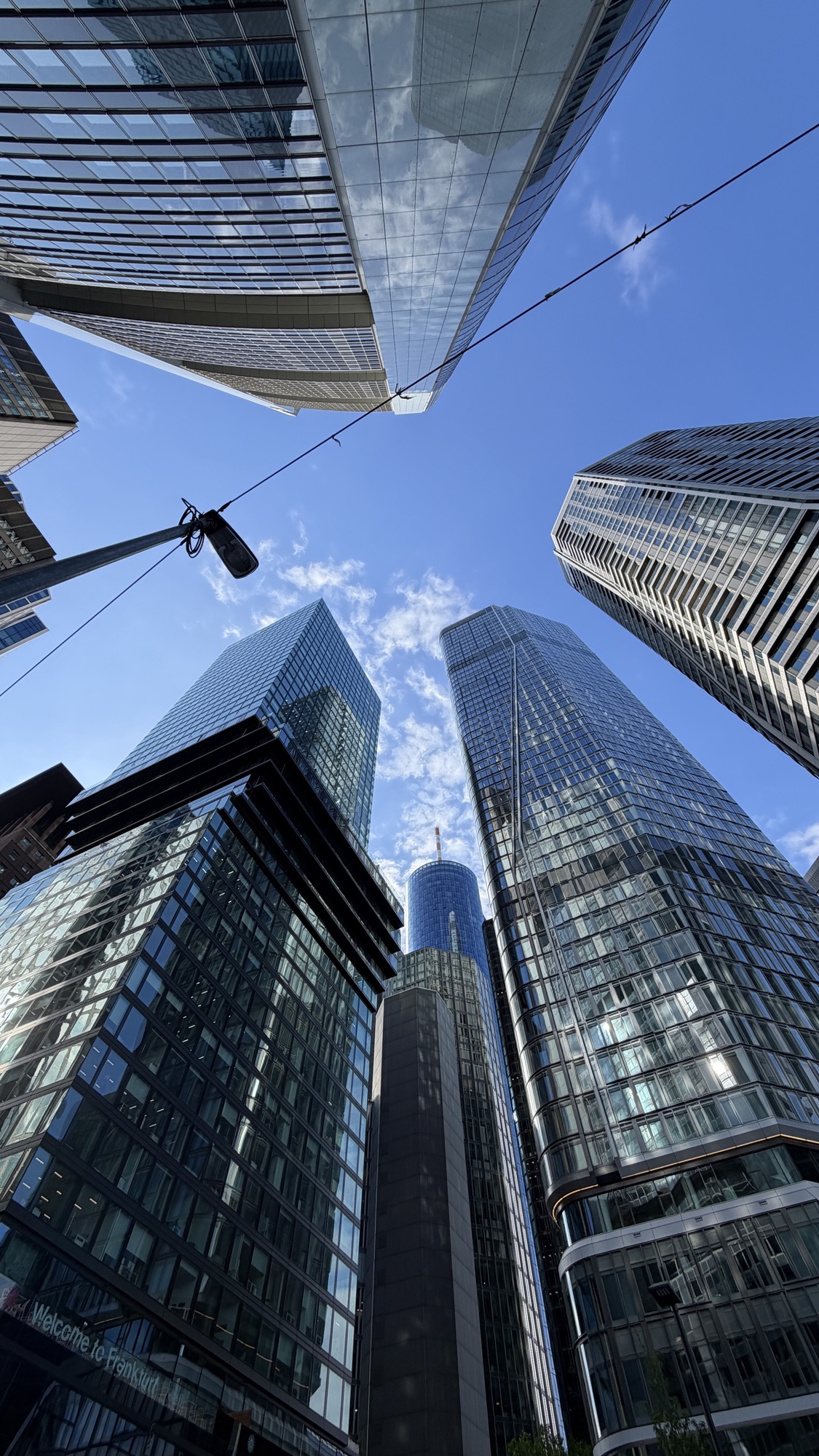
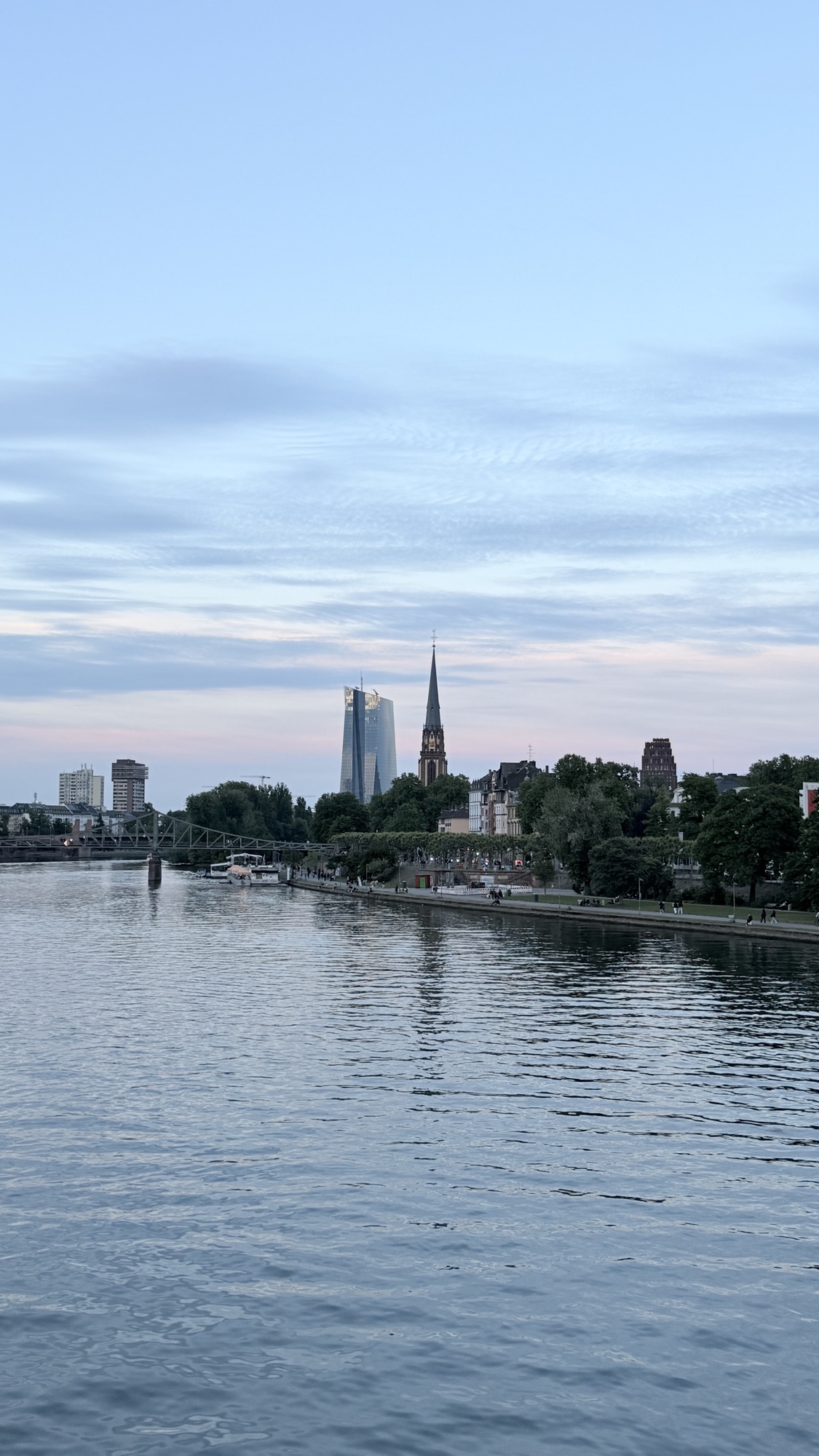
A first encounter with Frankfurt inevitably begins with its skyline. Even before reaching the observation deck of the Main Tower, a walk along the Main River is enough to understand why the city is often nicknamed “Mainhattan.” Glass skyscrapers reflect on the water while church towers, historic façades and museums emerge just a few steps away. From the panoramic terrace of the Main Tower, nearly 200 meters above the city, Frankfurt reveals one of its most fascinating contrasts: historic streets framed by contemporary architecture.
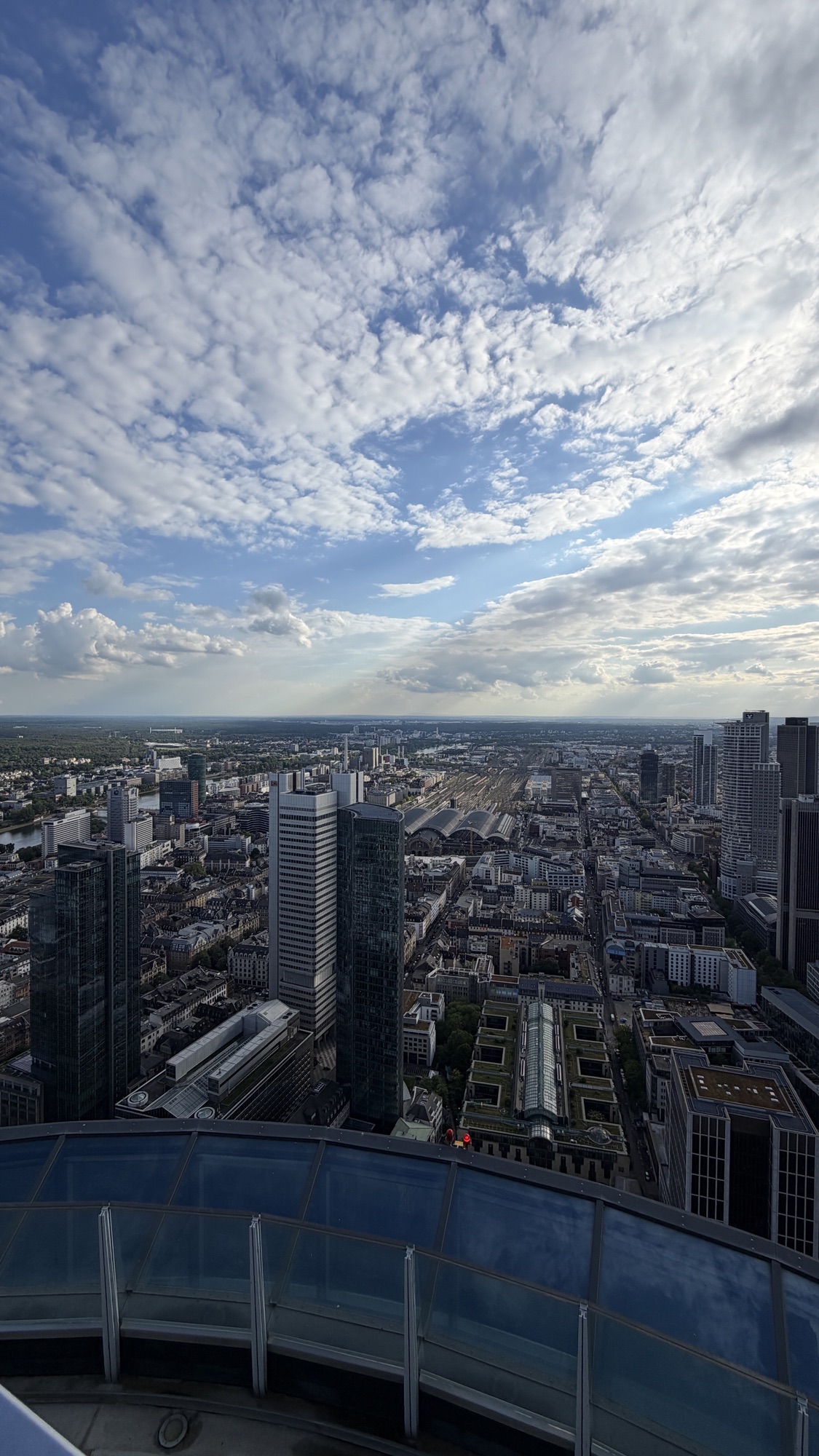
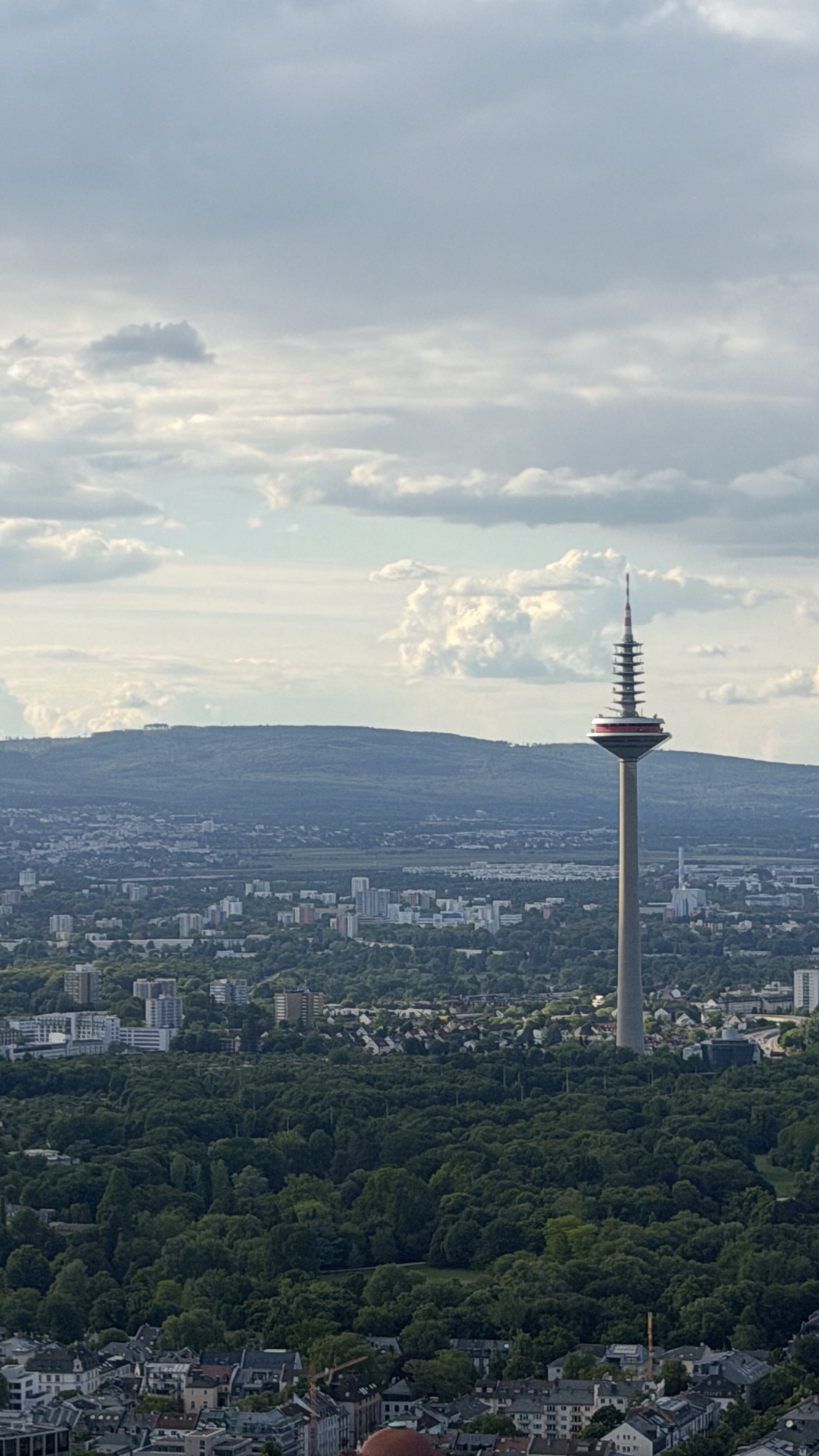
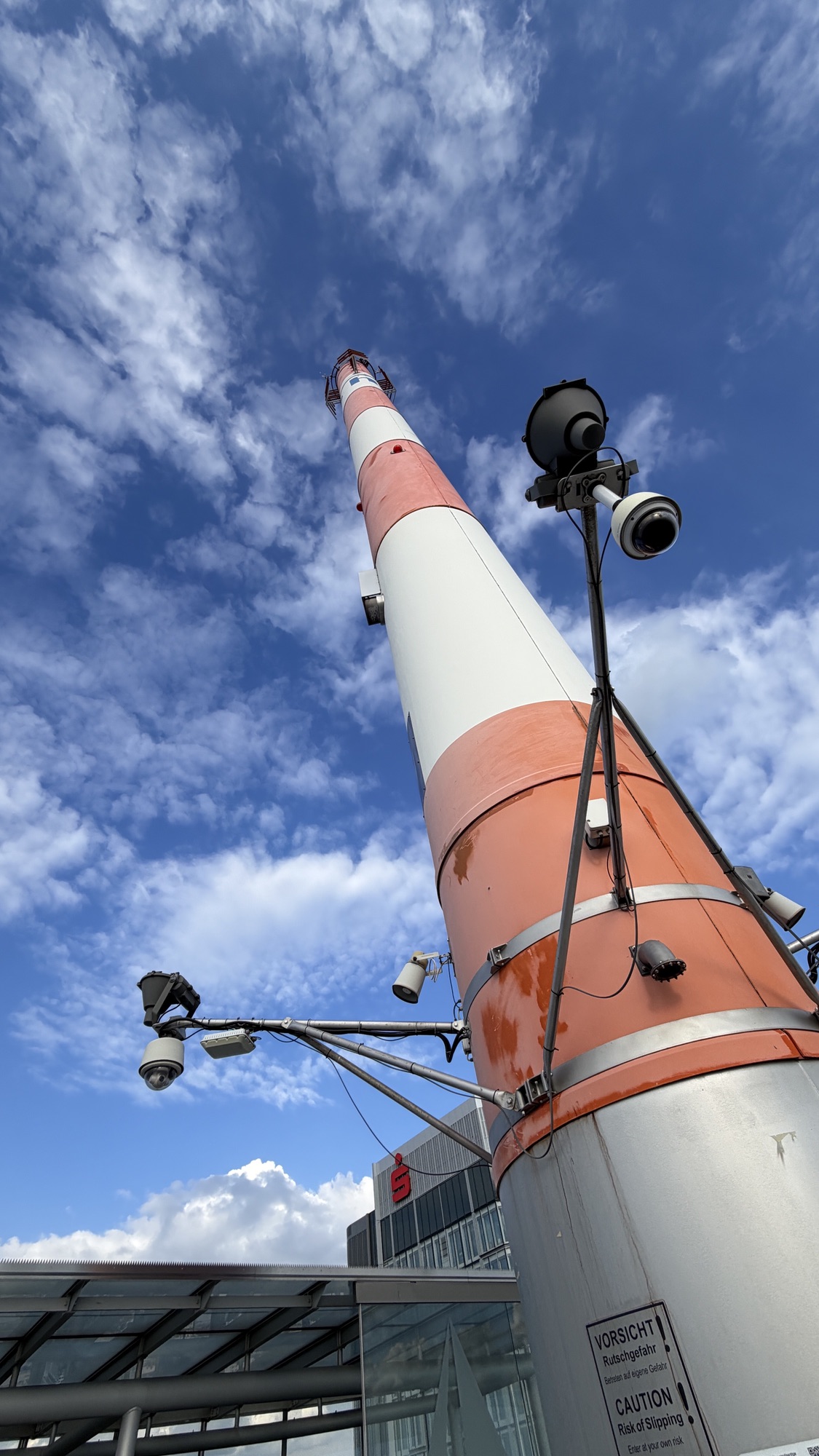
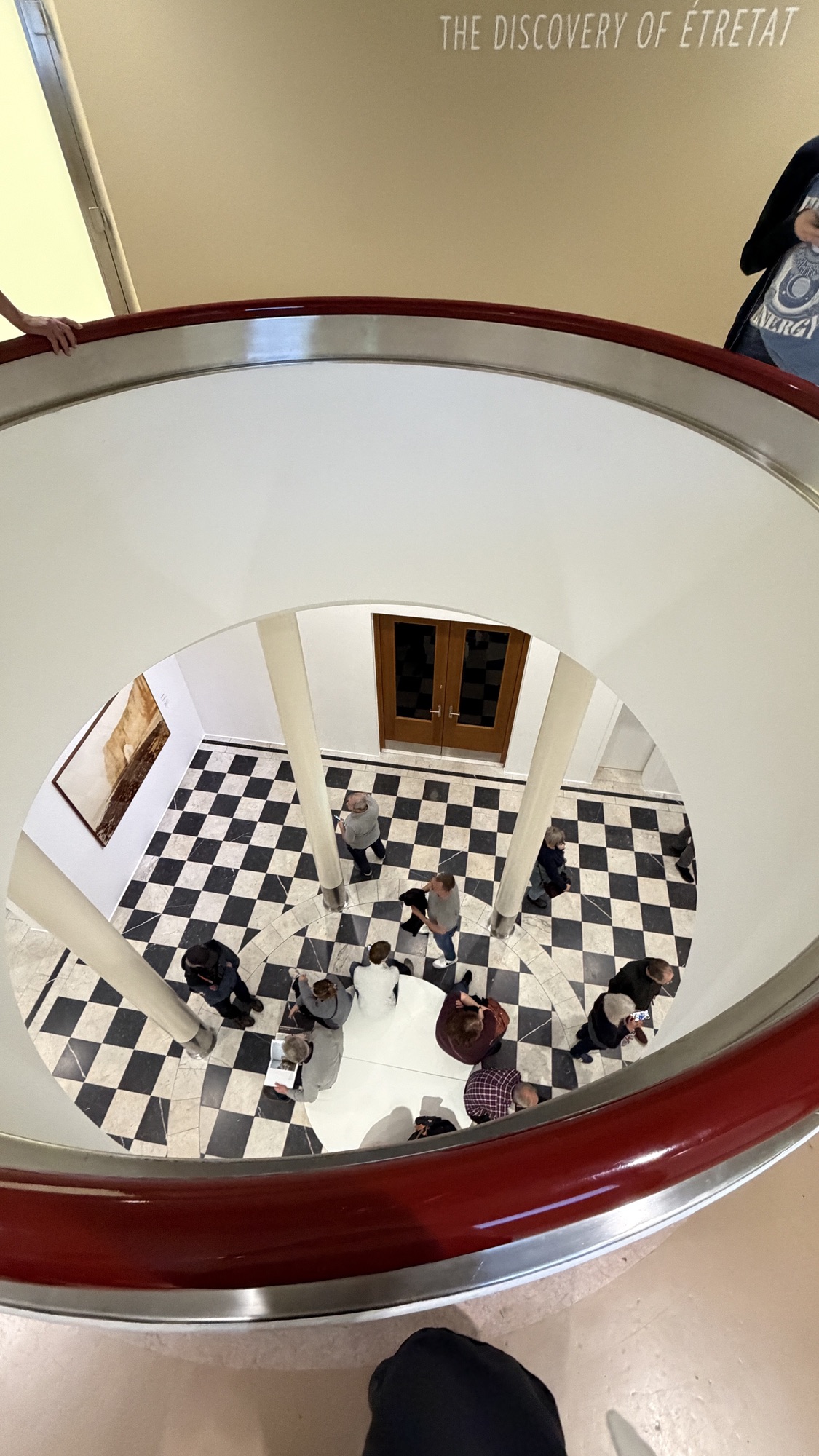
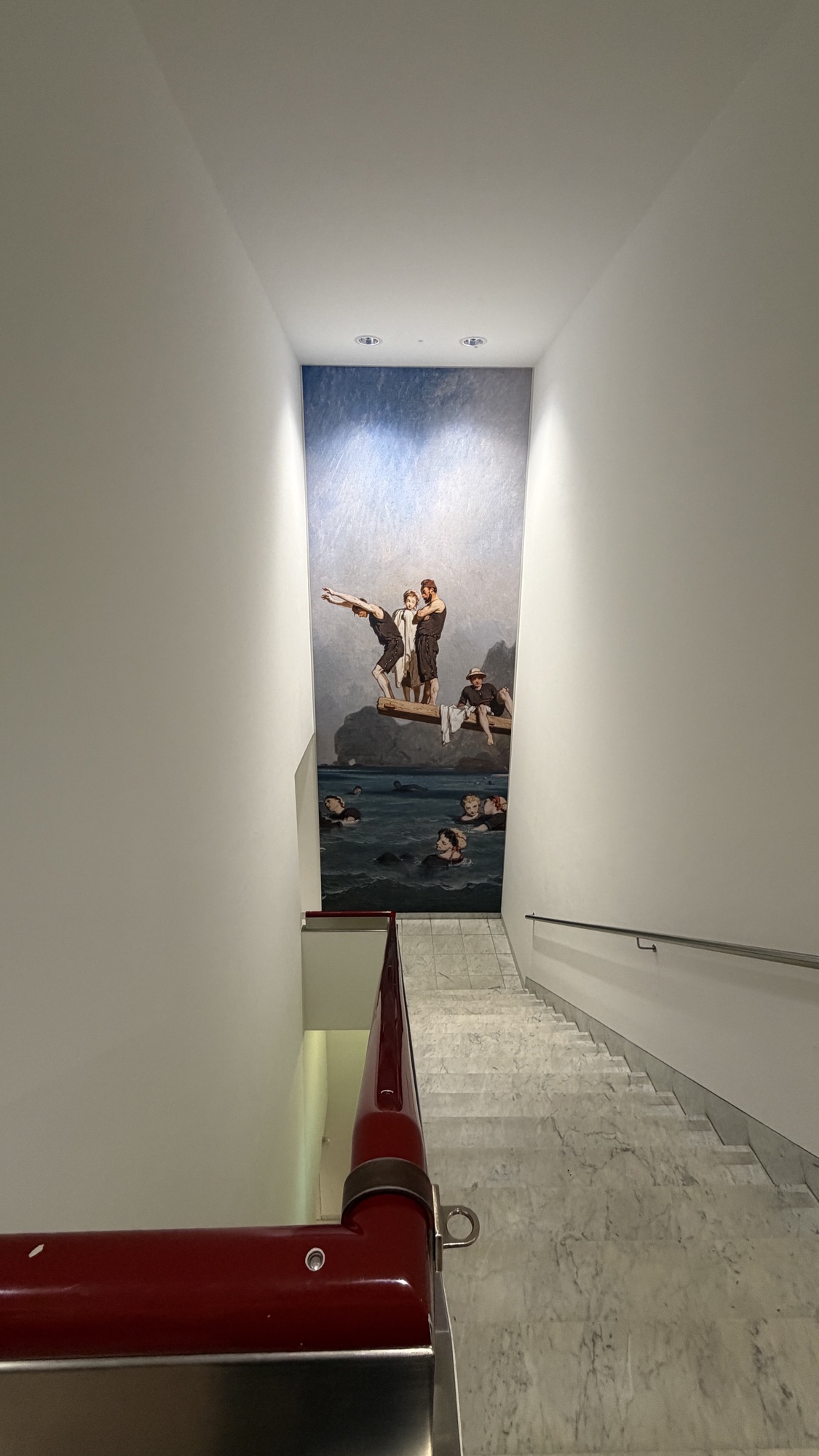
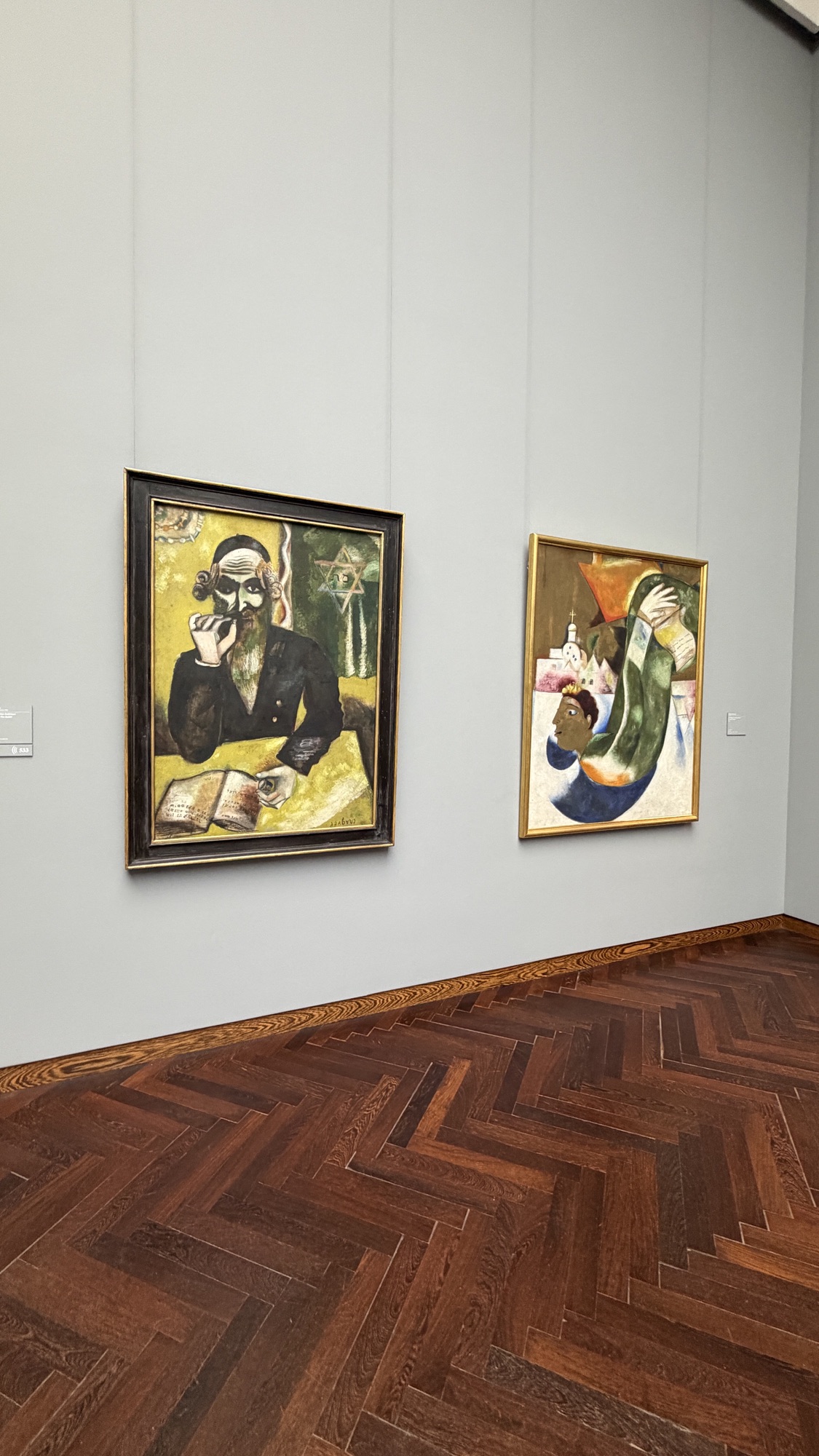
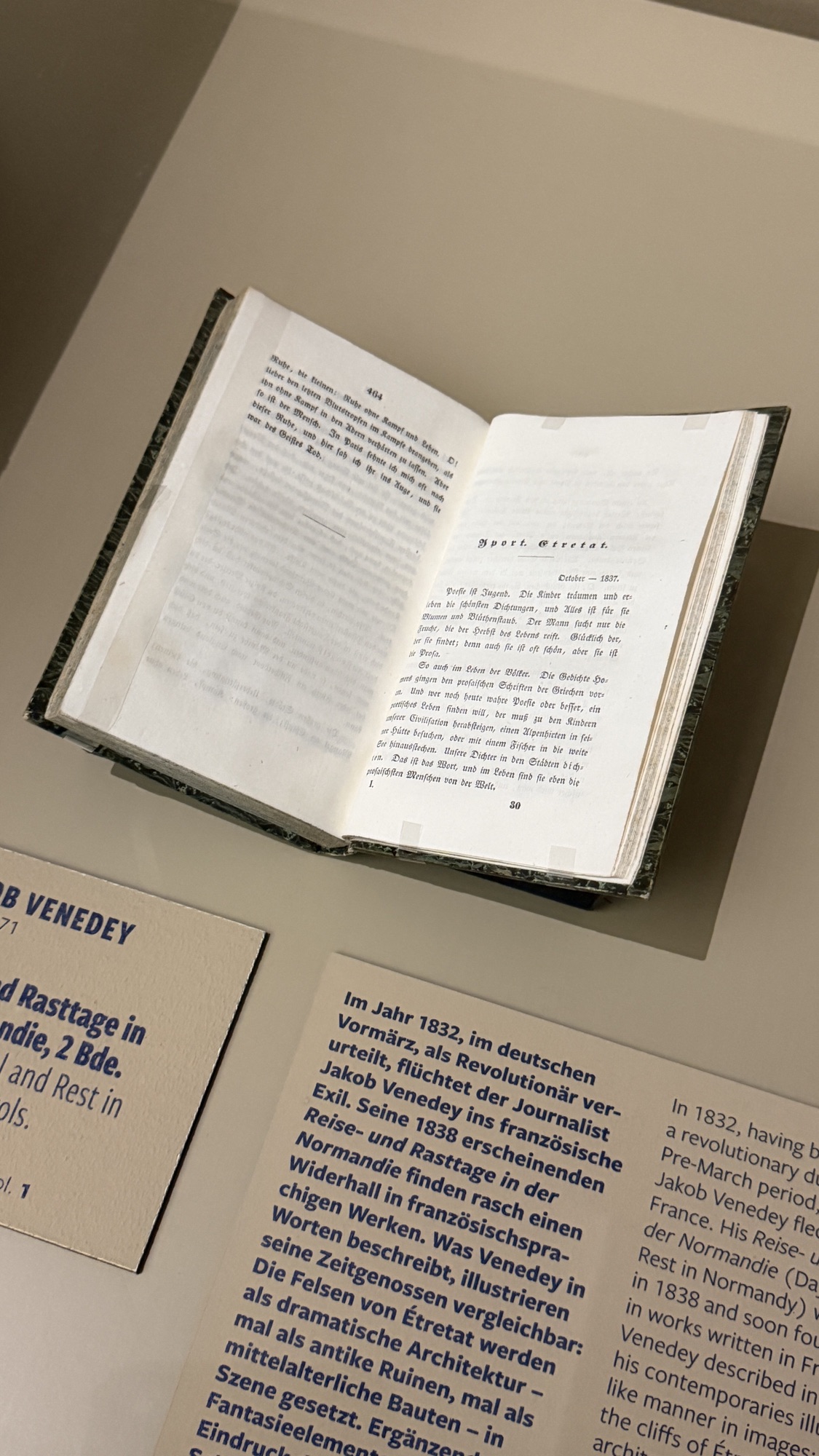
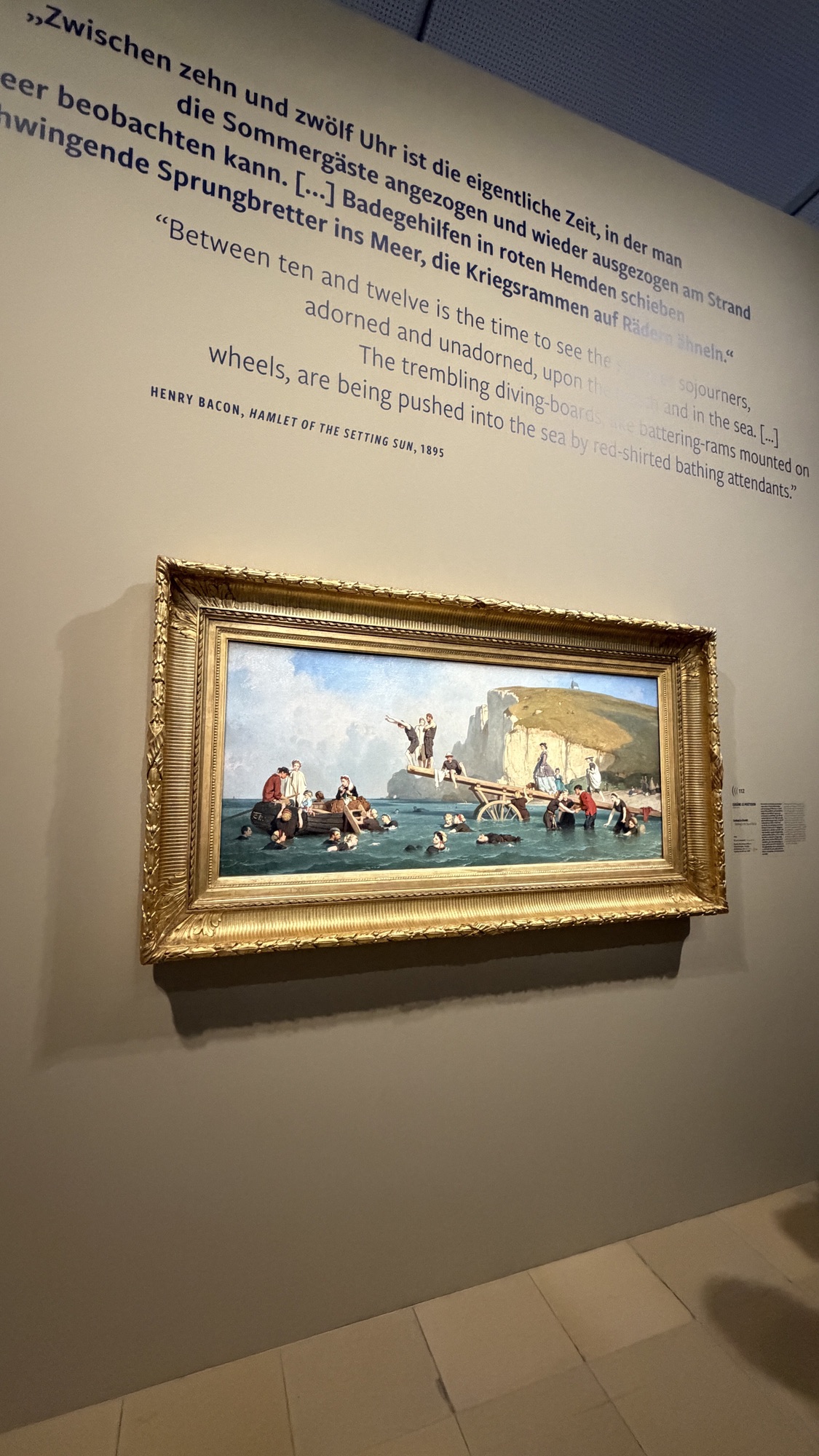
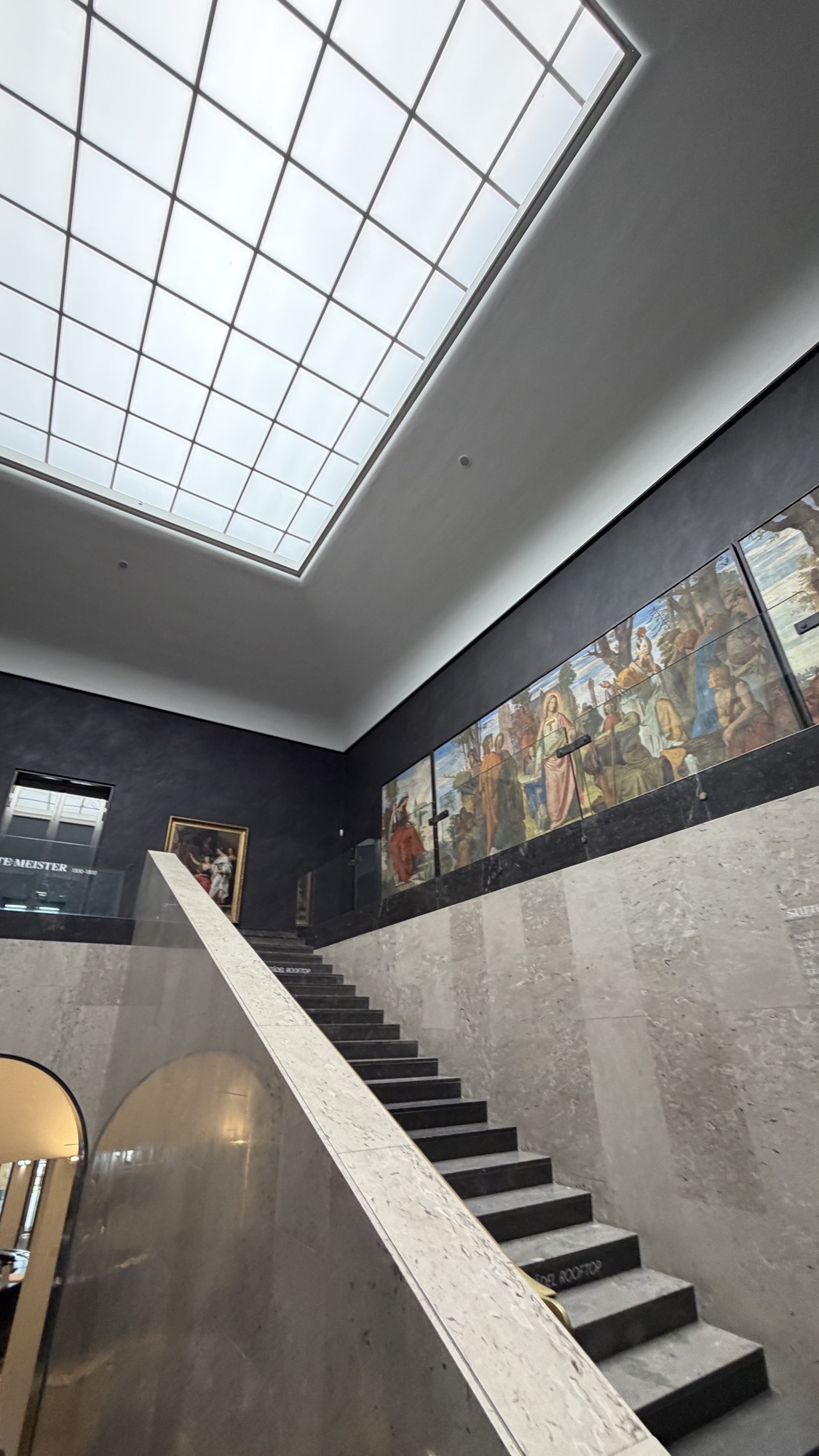
Nearby, the Städel Museum showcases the city’s cultural soul. Founded in 1815, it is one of Germany’s most important art institutions, housing works spanning more than seven centuries of European art history. The rooftop offers unexpected skyline views, while the exhibition dedicated to Monet and the Normandy coast immerses visitors in luminous and atmospheric landscapes.
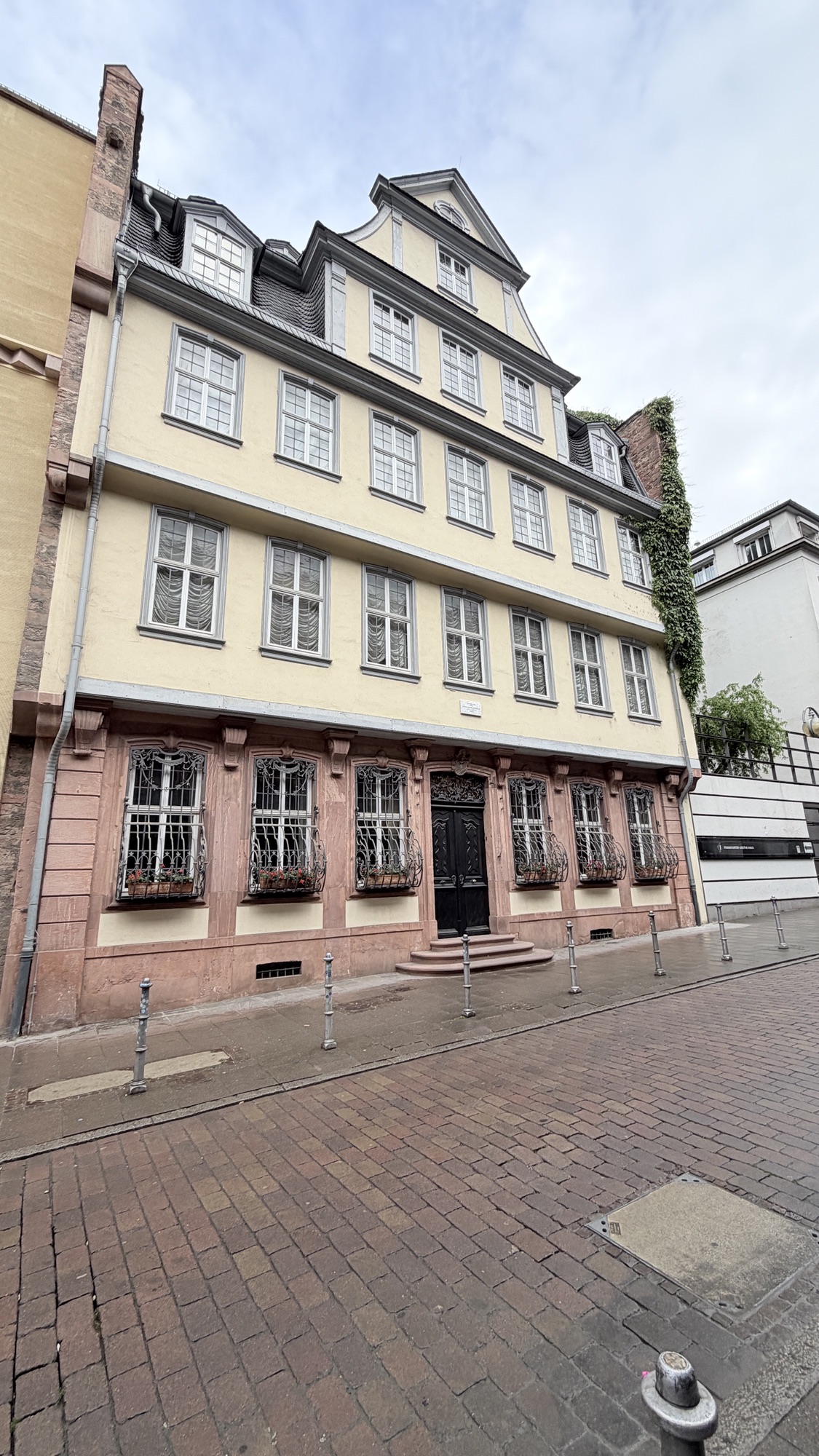
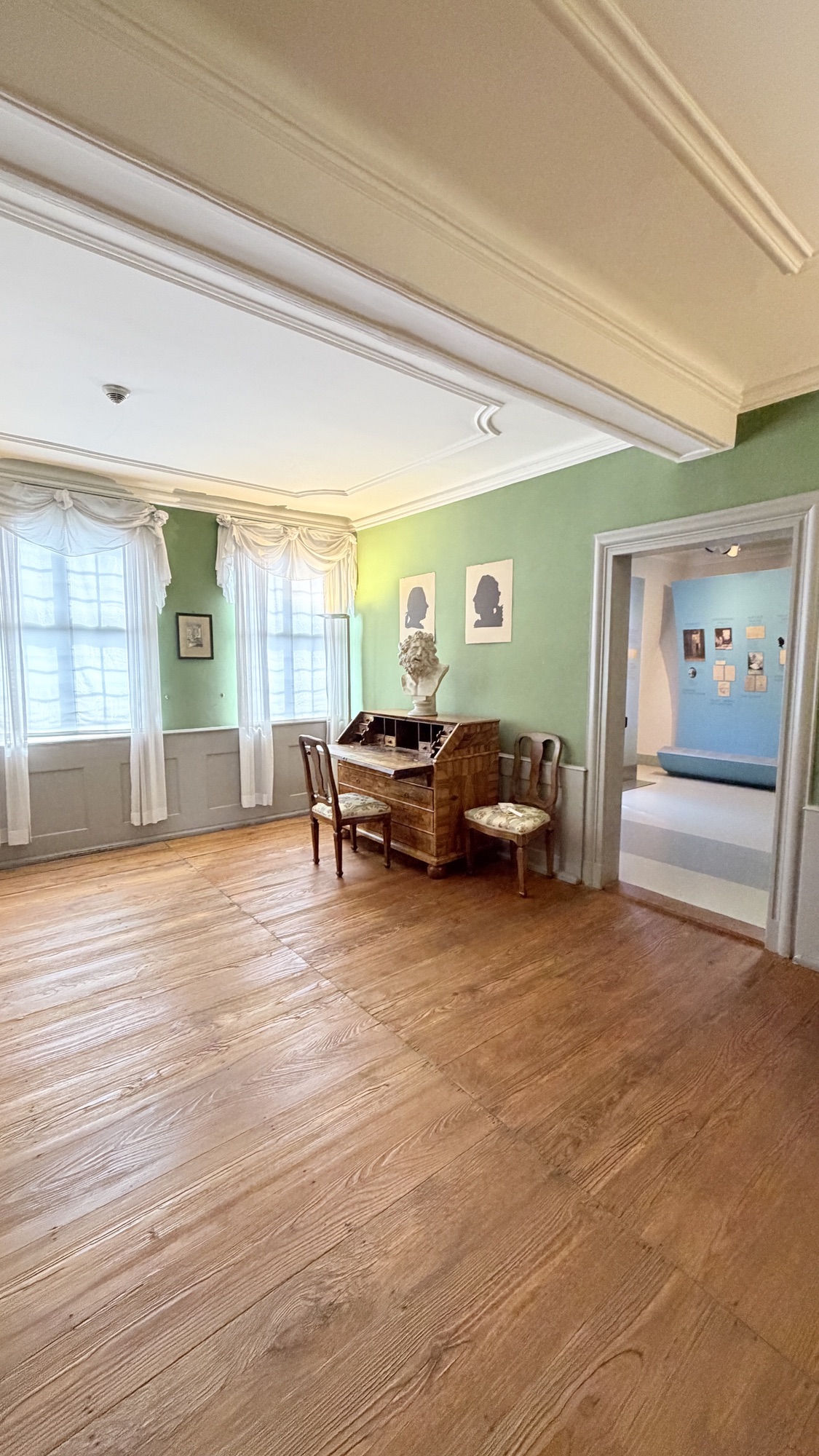
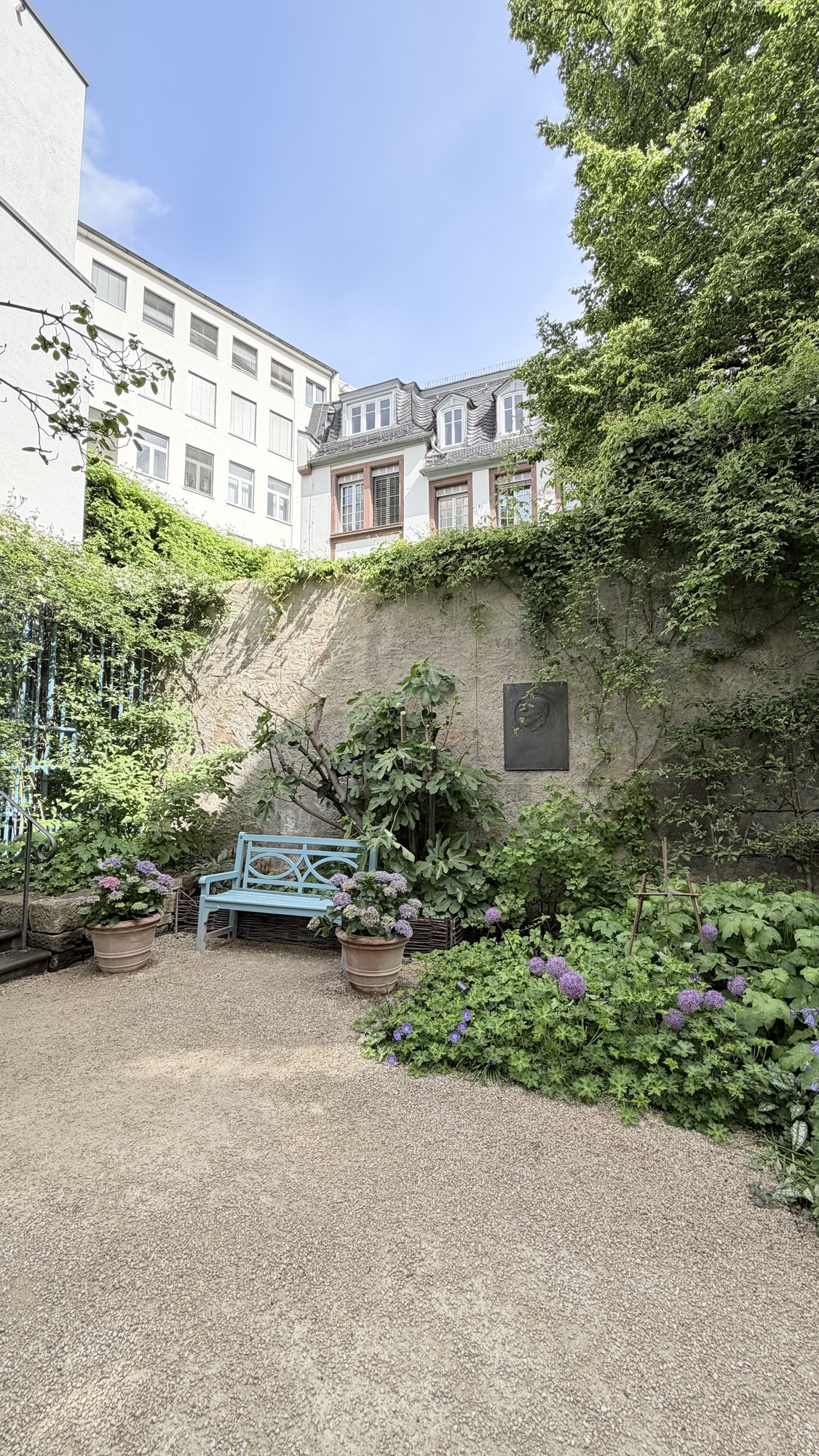
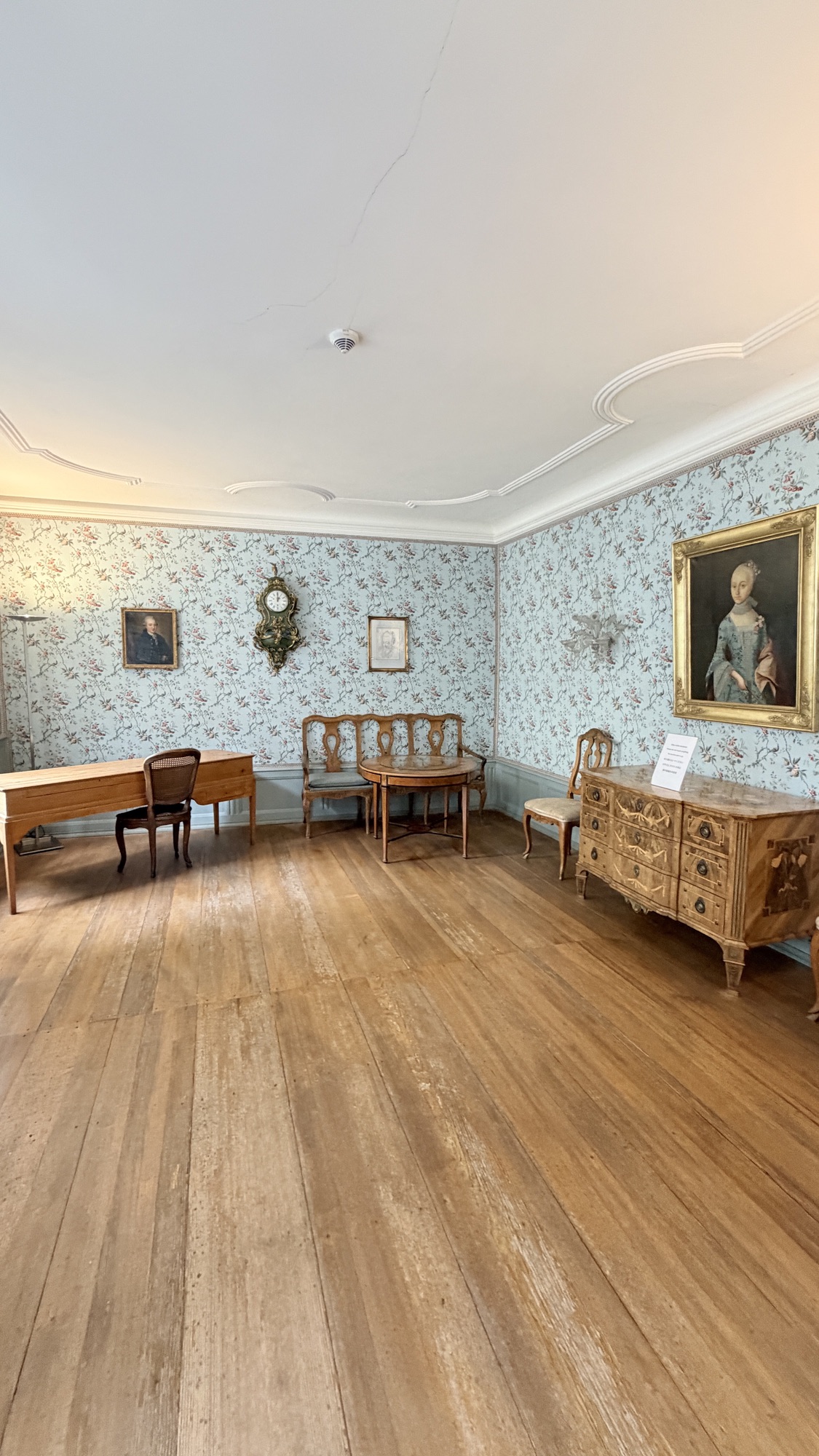
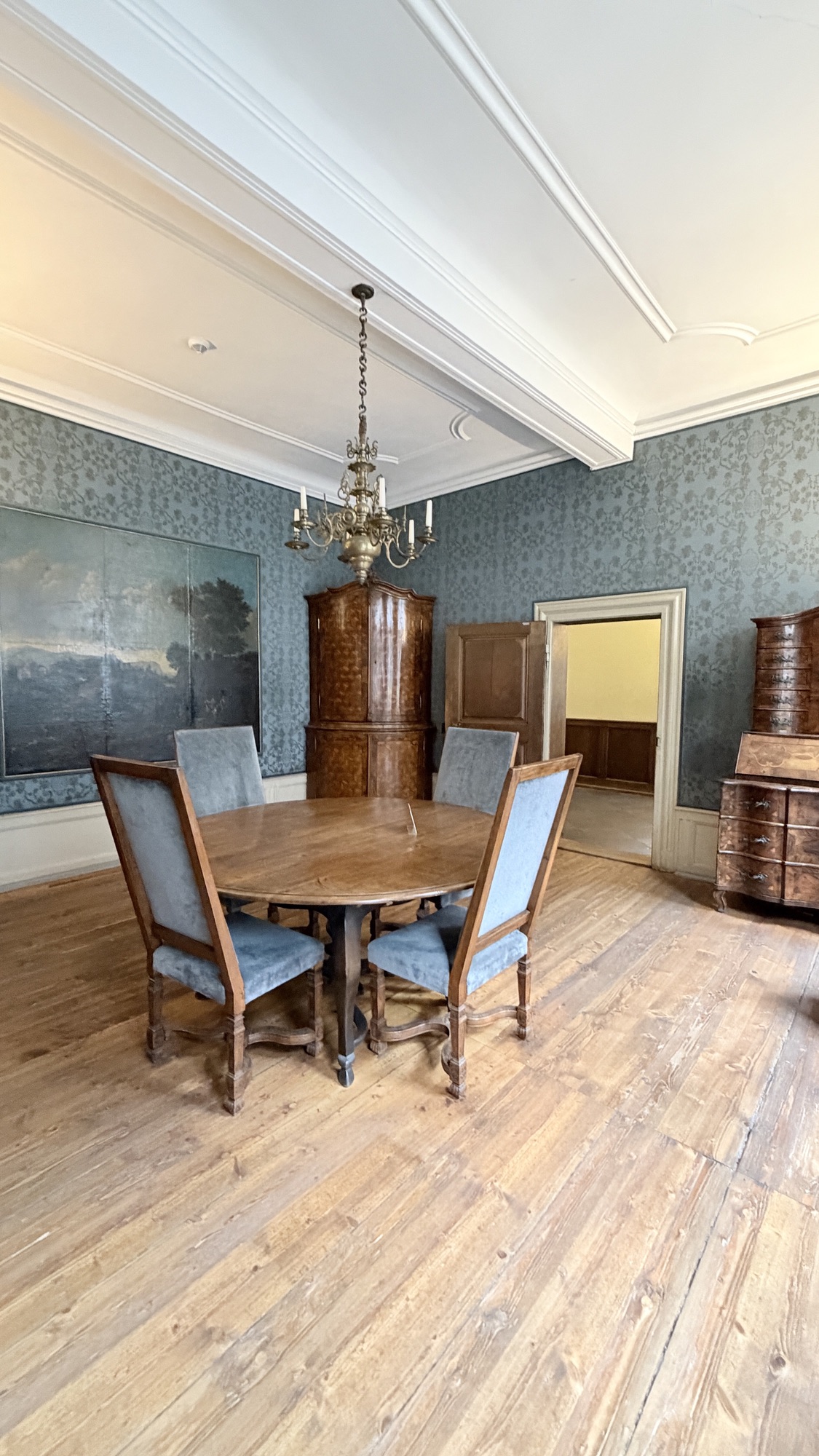
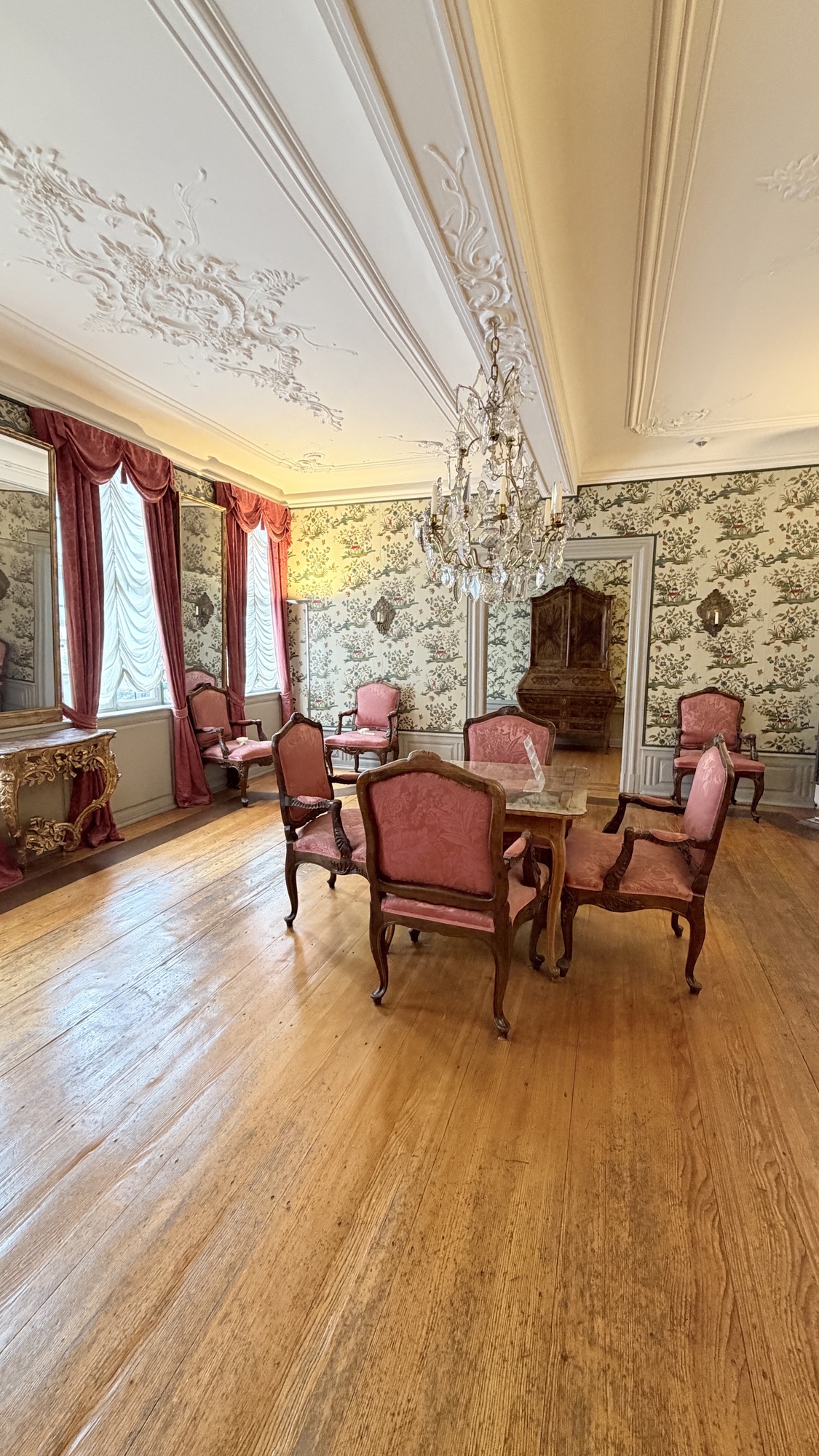
Stepping inside the Goethe House reveals Frankfurt’s more intimate side. This is where Johann Wolfgang Goethe was born and where he wrote his earliest works while observing a city very different from today’s financial metropolis. Faithfully reconstructed after the Second World War bombings, the house preserves original furnishings and elegant 18th-century interiors that capture the atmosphere in which one of Germany’s greatest writers grew up.
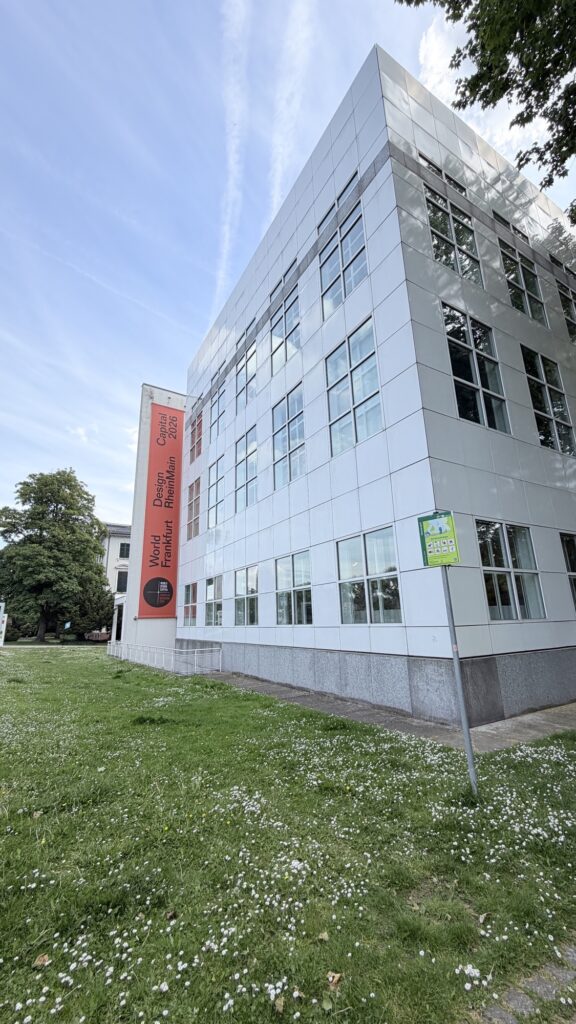
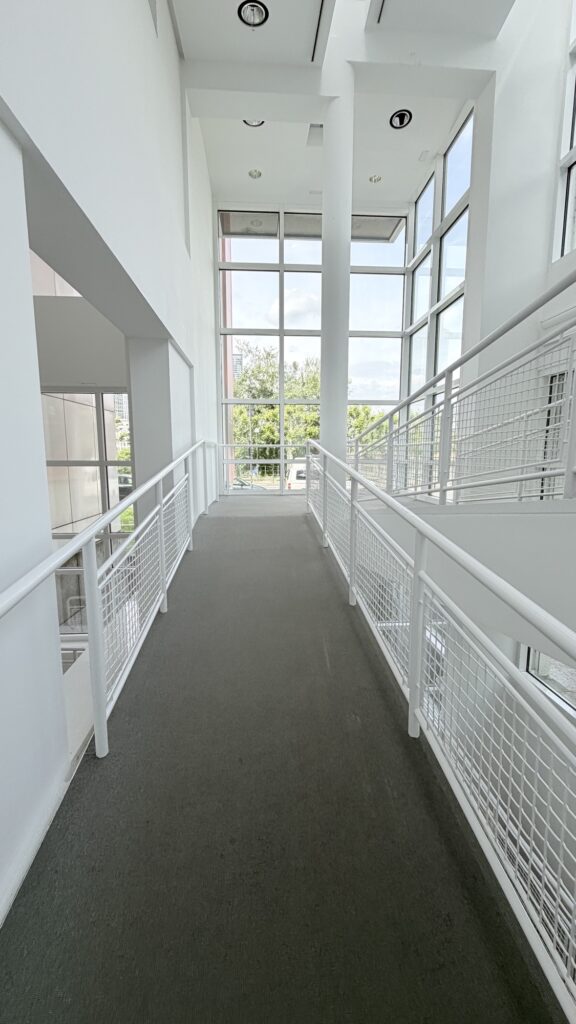
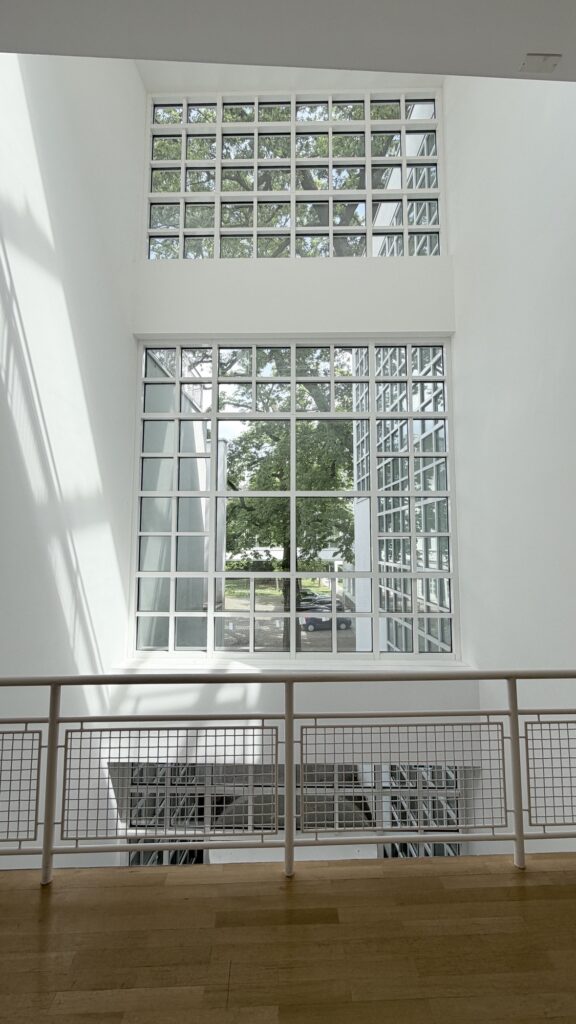
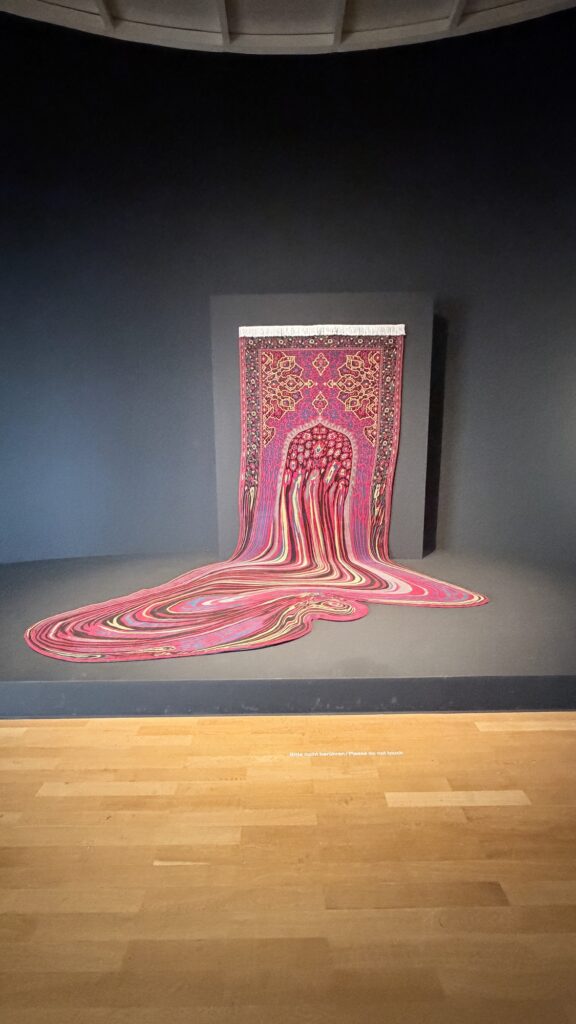
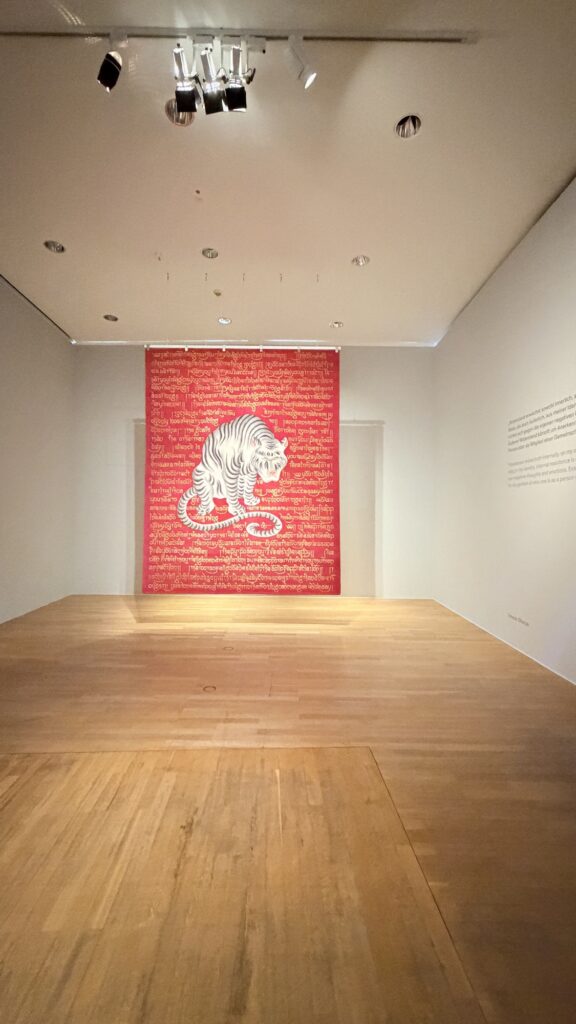
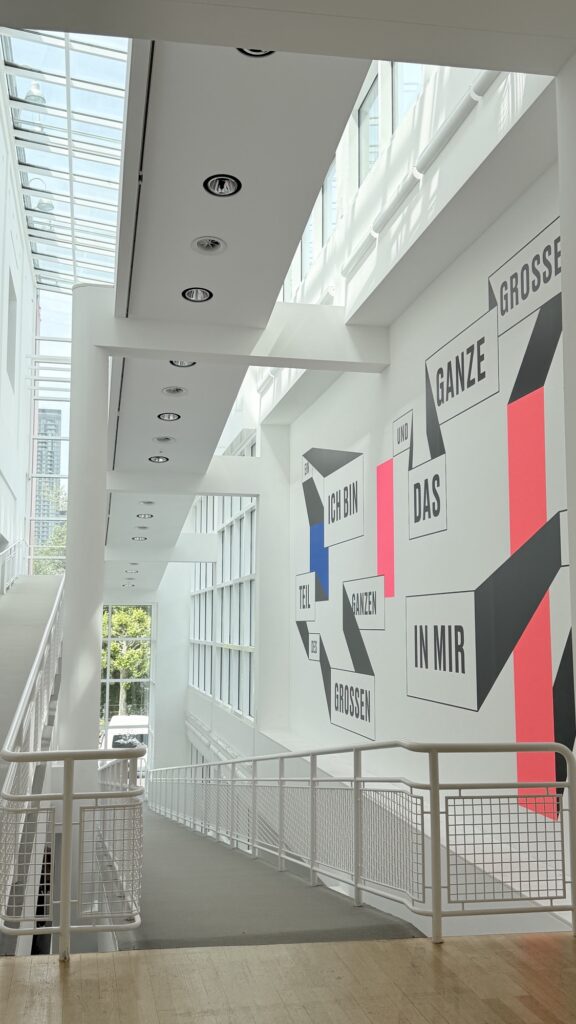
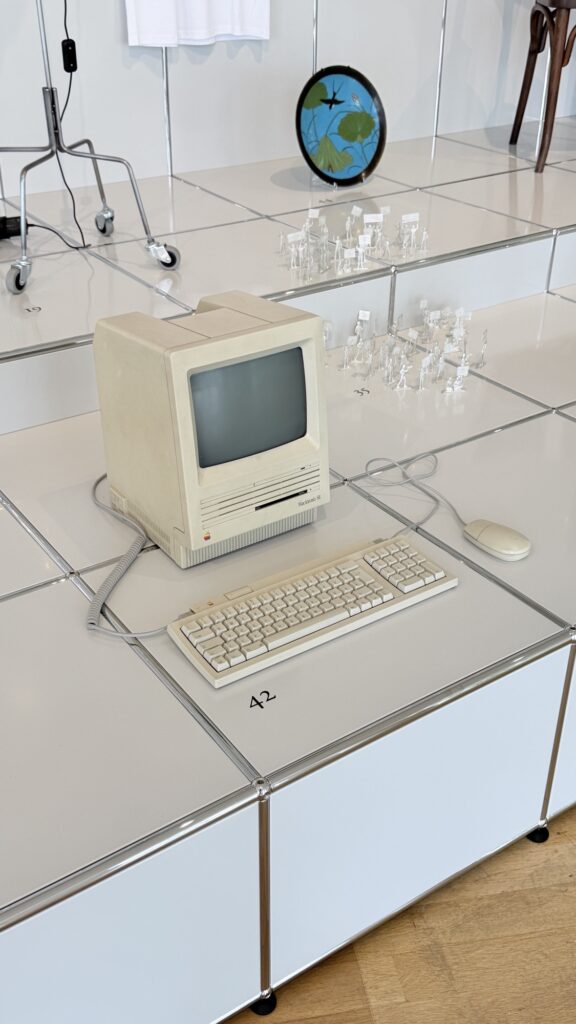
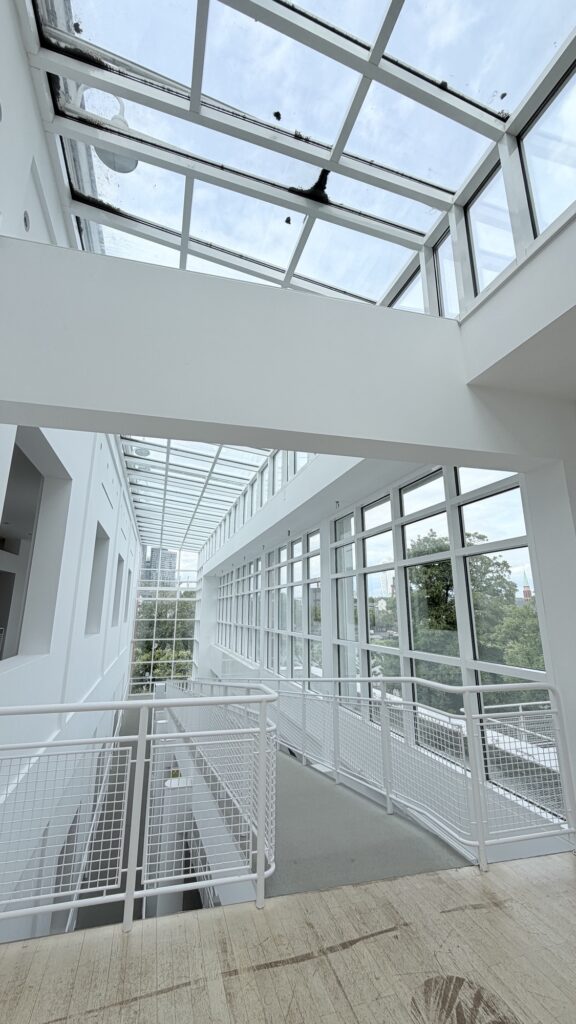
More than just a museum, the Museum Angewandte Kunst is a space where design, fashion, photography and decorative arts constantly interact with contemporary architecture. Designed by Richard Meier, the building’s white surfaces flooded with natural light create an almost suspended atmosphere overlooking the Museumsufer district.
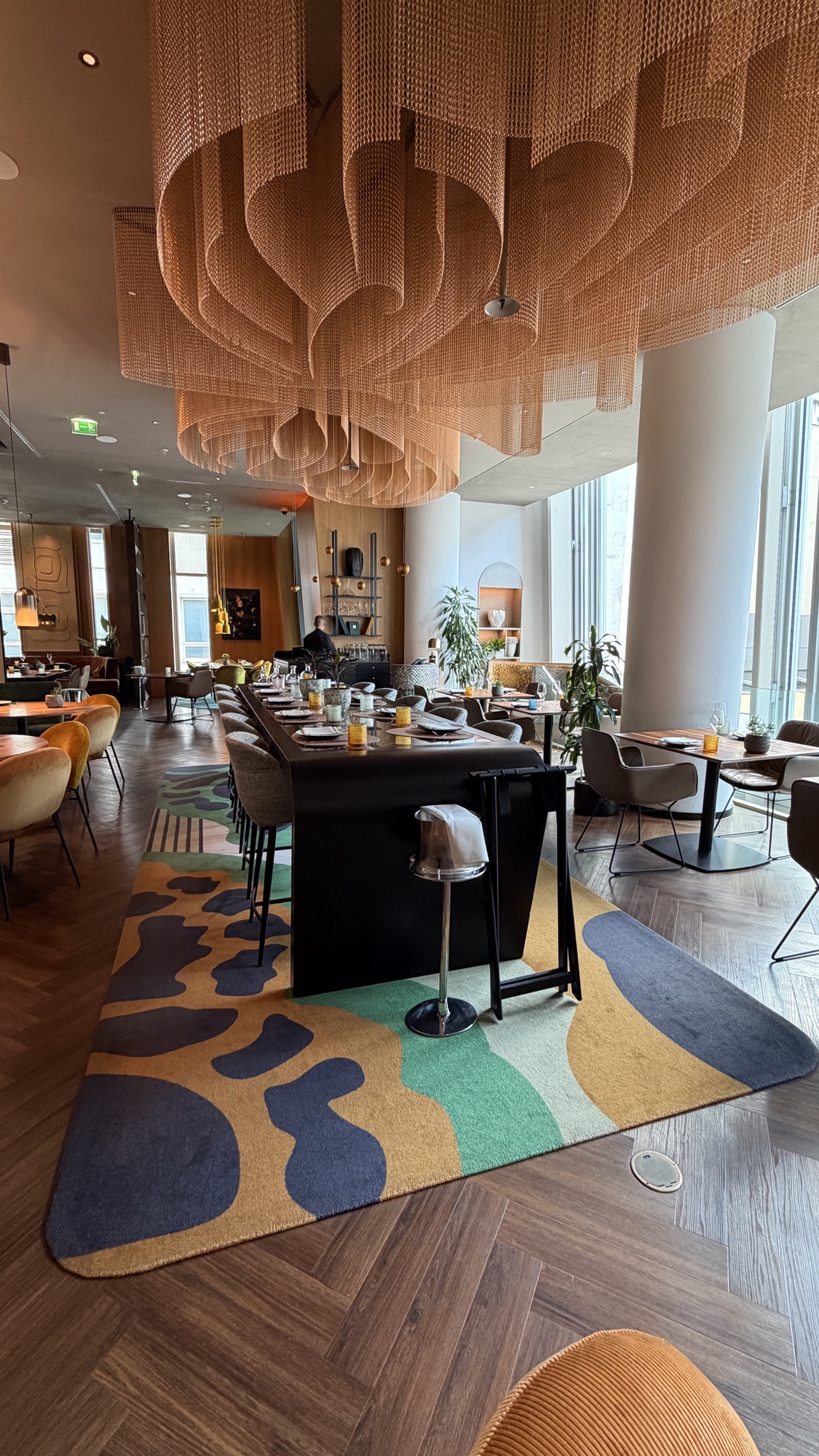
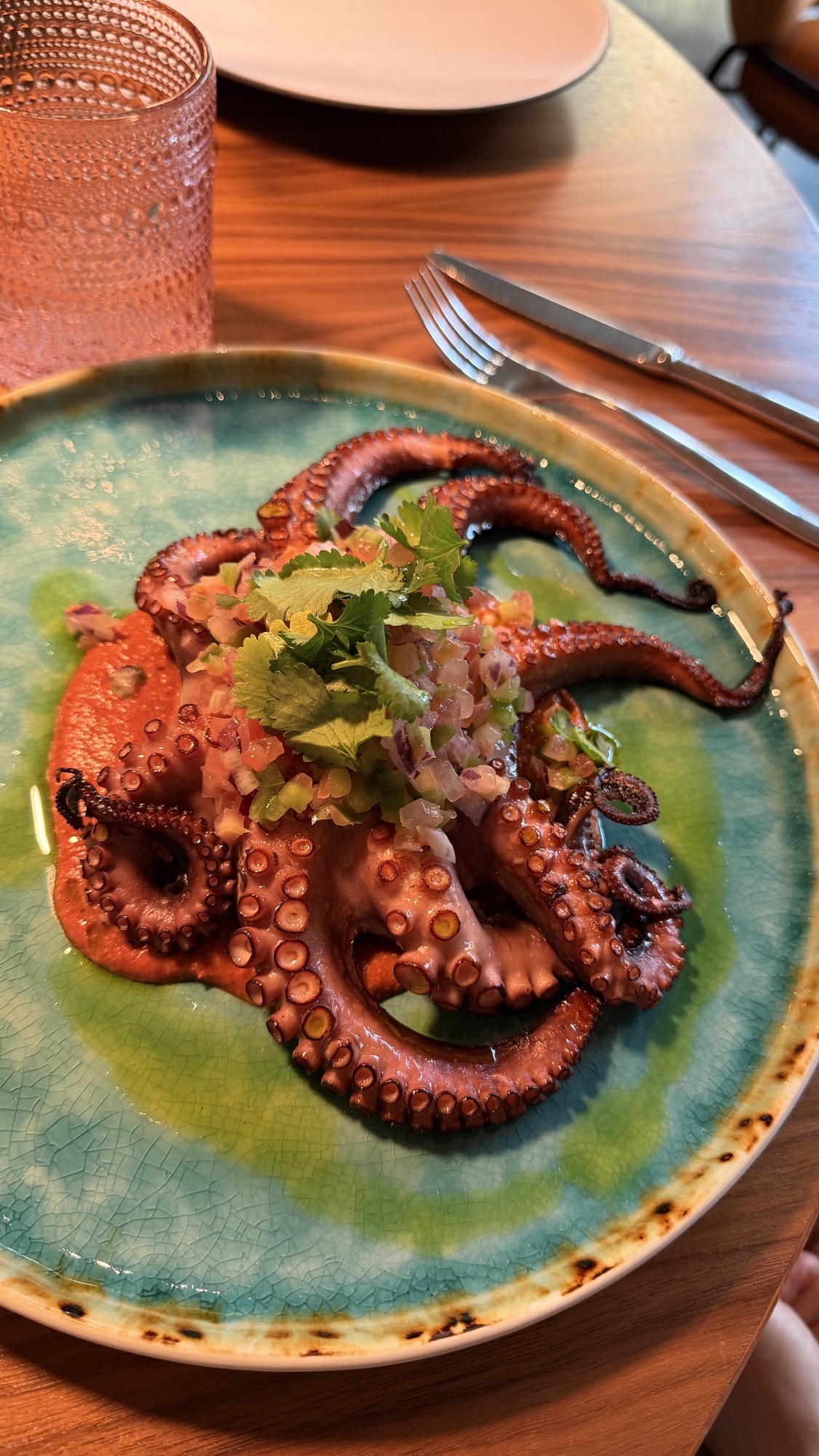
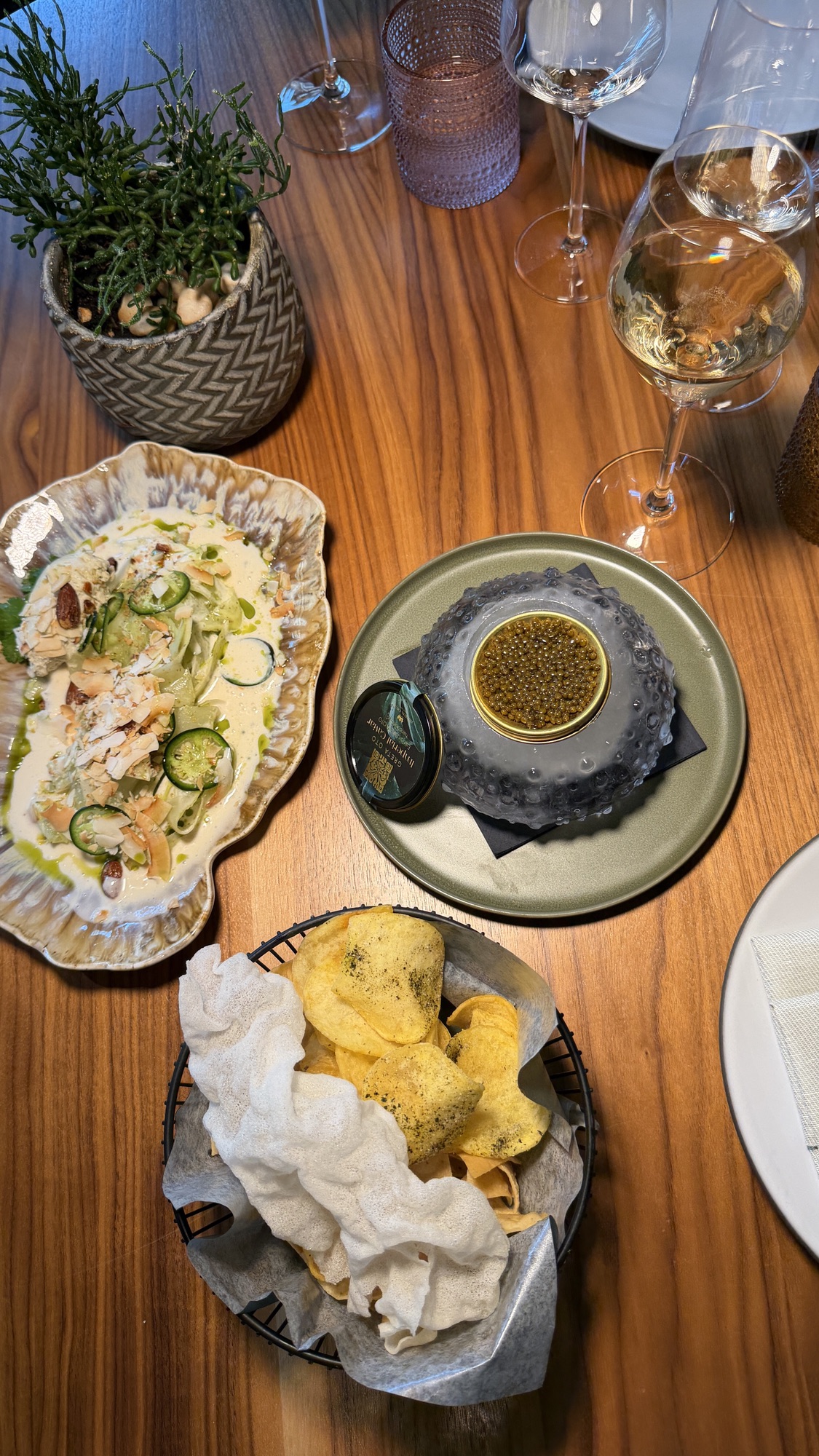
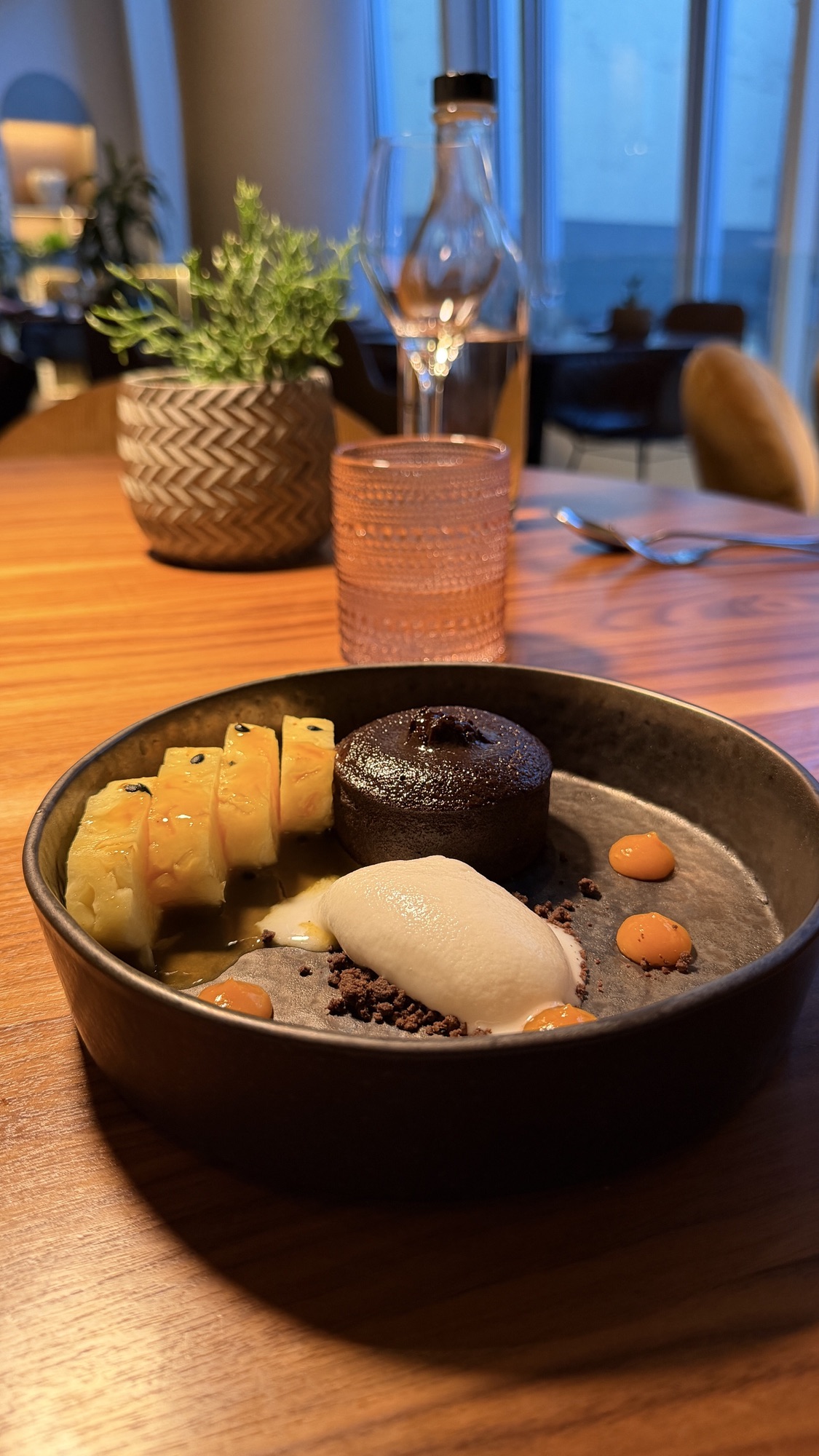
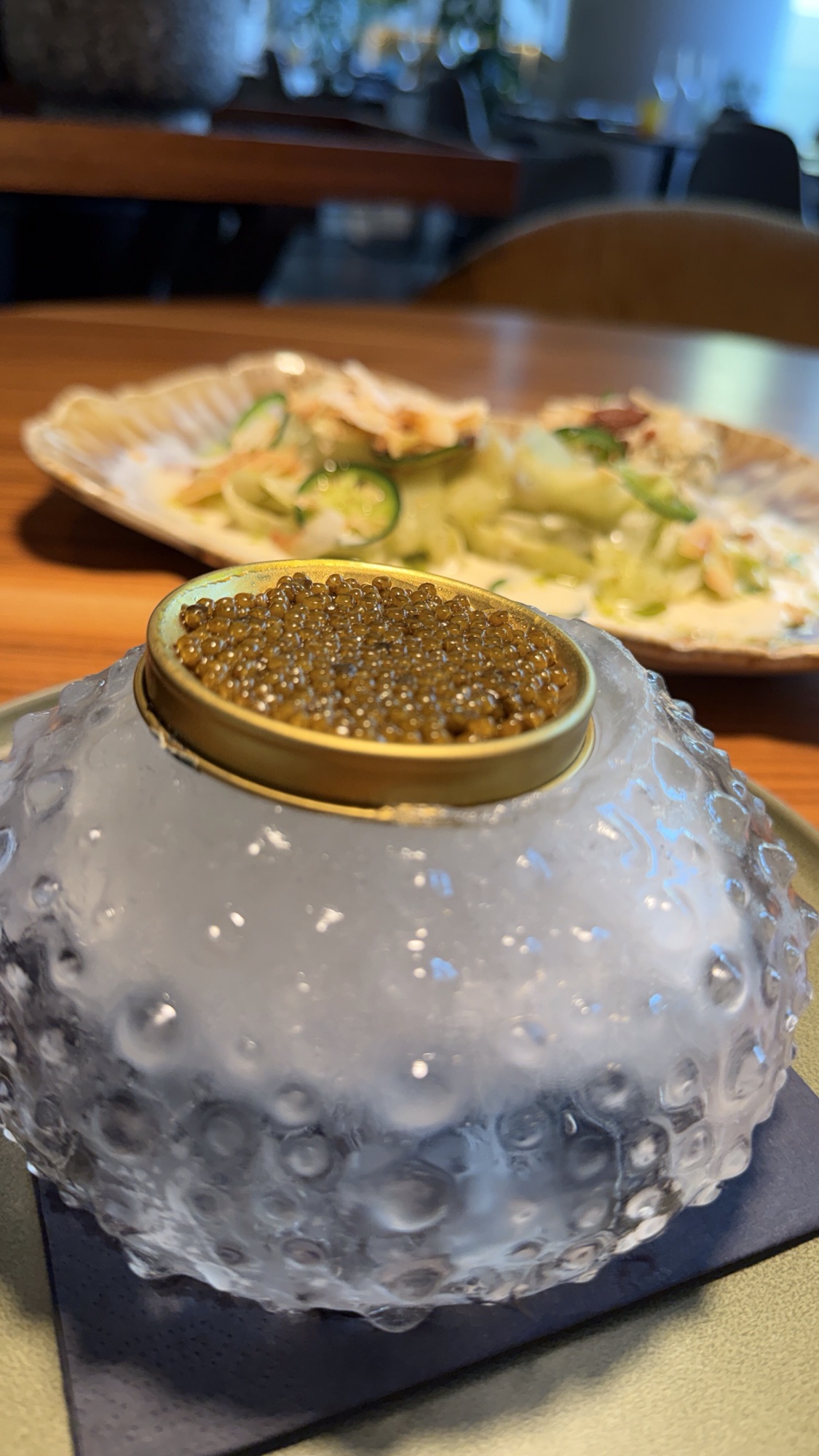
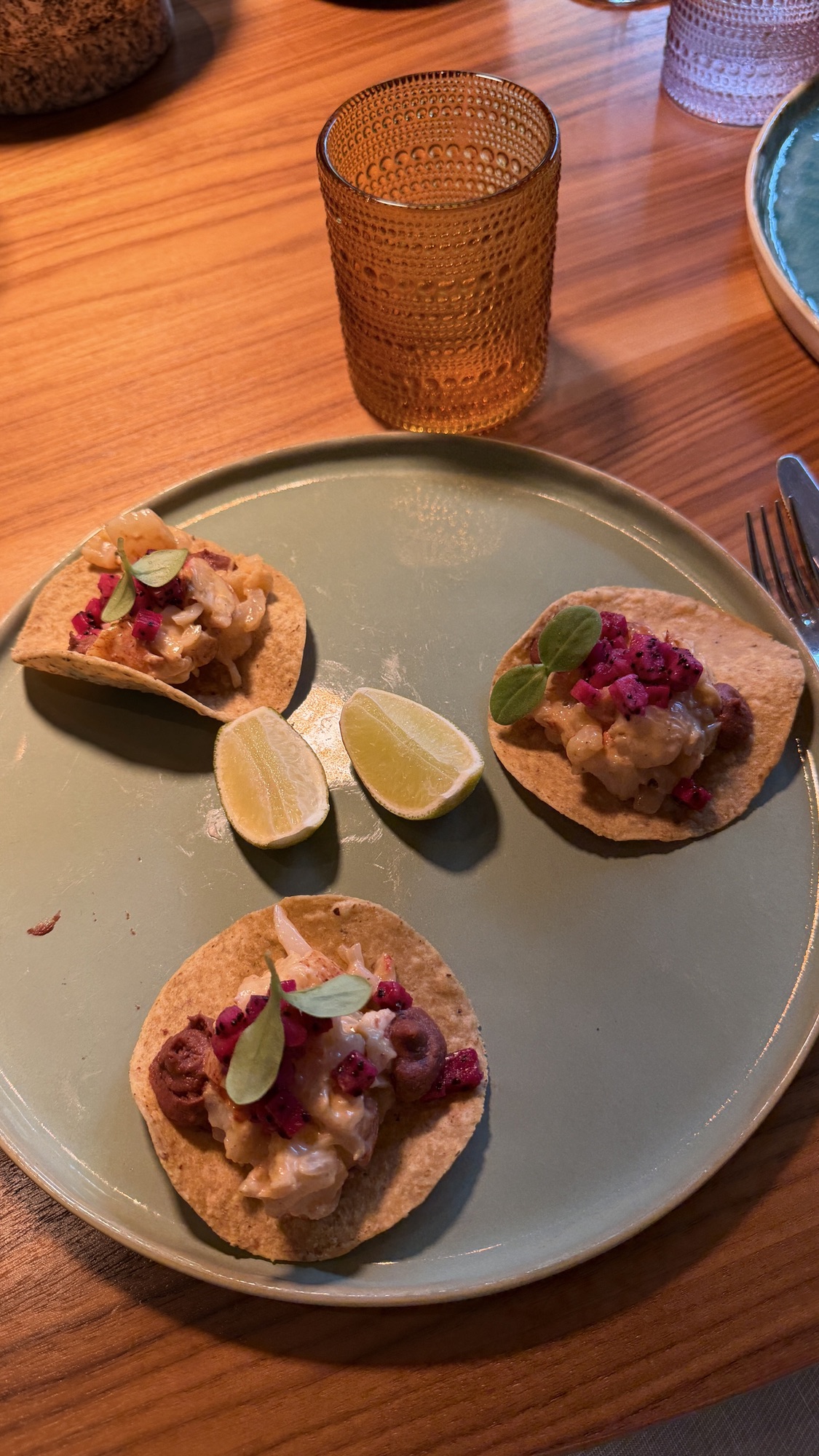
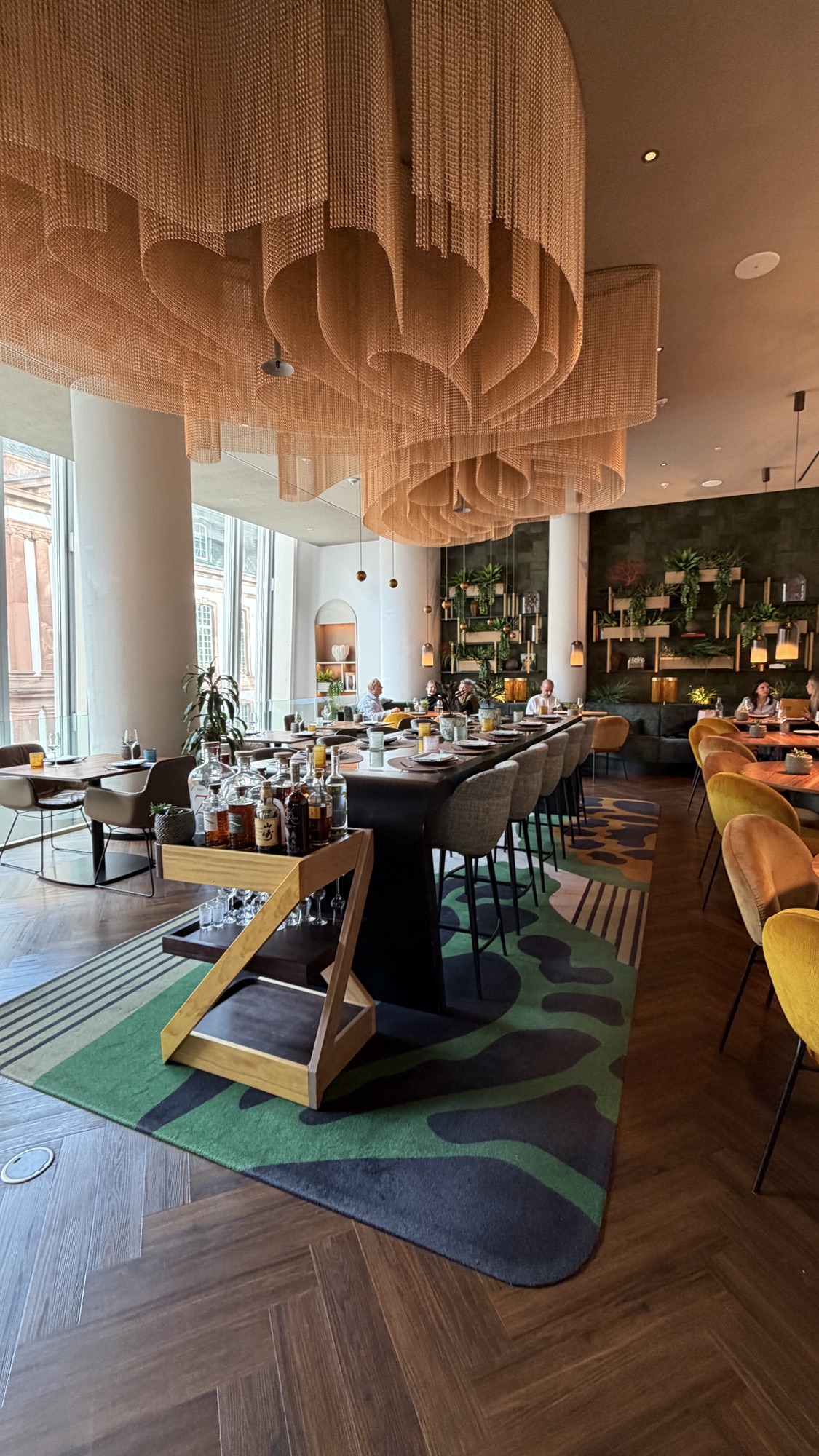
The evening ends at GRETA OTO Frankfurt inside the JW Marriott. Soft lighting, vibrant interiors and contemporary Latin American cuisine turn dinner into a fully immersive experience. The tableside guacamole, tropical papaya salad and lobster tostada reflect the city’s cosmopolitan and creative energy.
Day 2
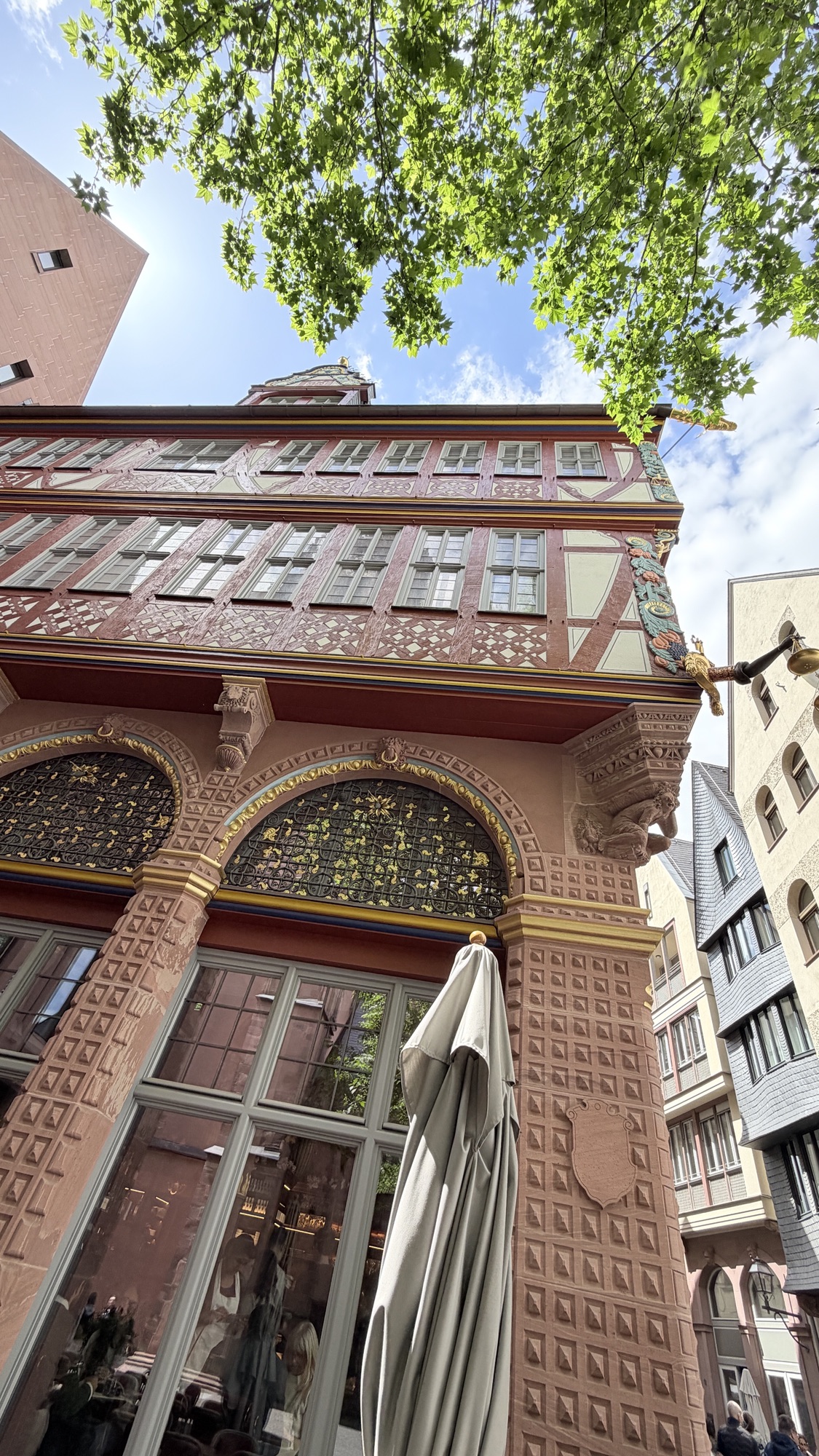
The following morning reveals a completely different rhythm. Walking through Frankfurt’s New Old Town, Frankfurt New Old Town unveils one of the city’s most surprising sides. Destroyed during World War II, the district was reconstructed using original architectural details, photographs and decorative elements. Walking here means experiencing a city that deliberately chose to rebuild its memory.
Overlooking Römerberg square, the Römer has served as Frankfurt’s city hall for more than six centuries. Nearby, St. Paul’s Church stands as one of the symbols of German democracy, where the country’s first freely elected parliament met in 1848.
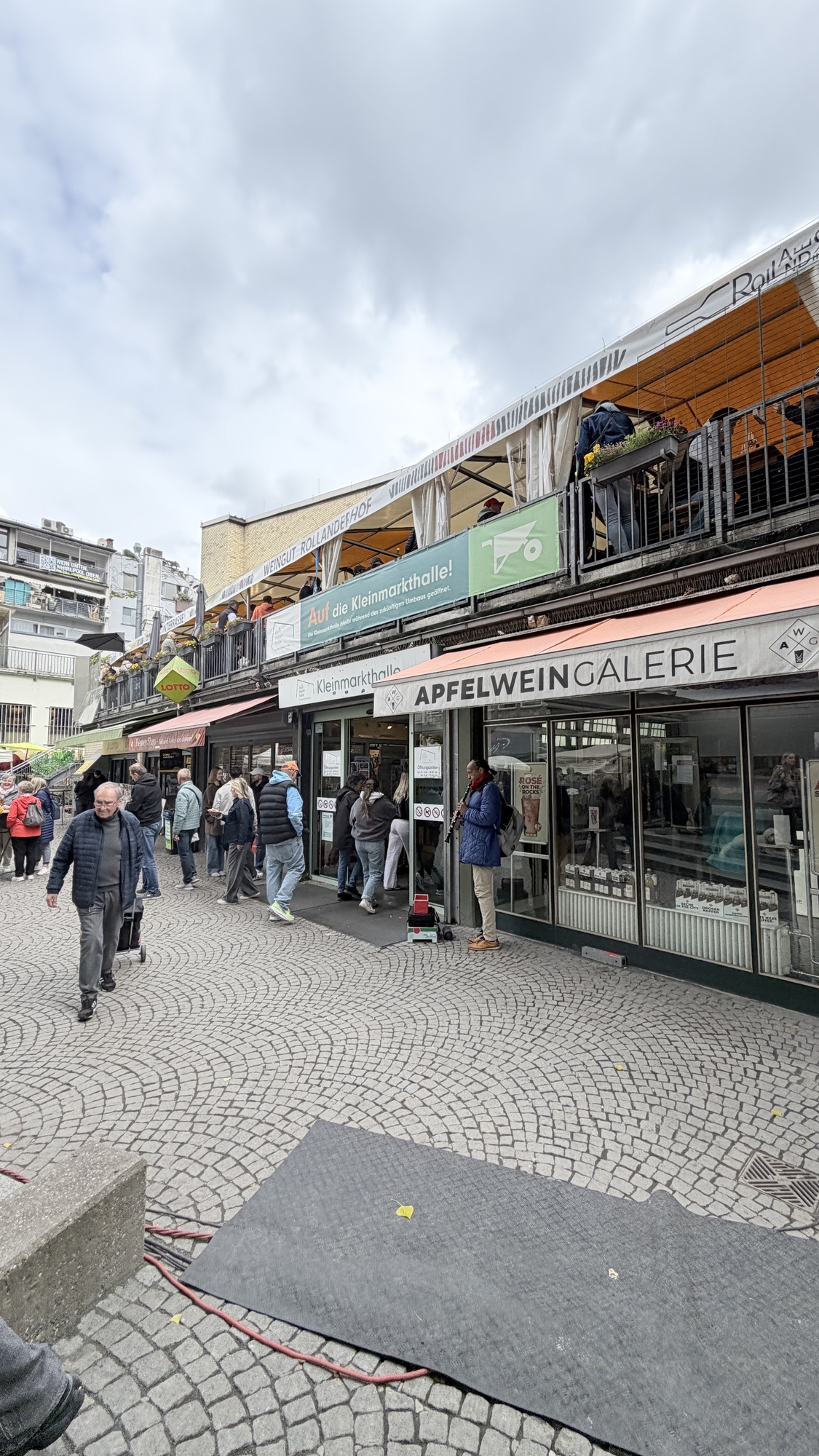
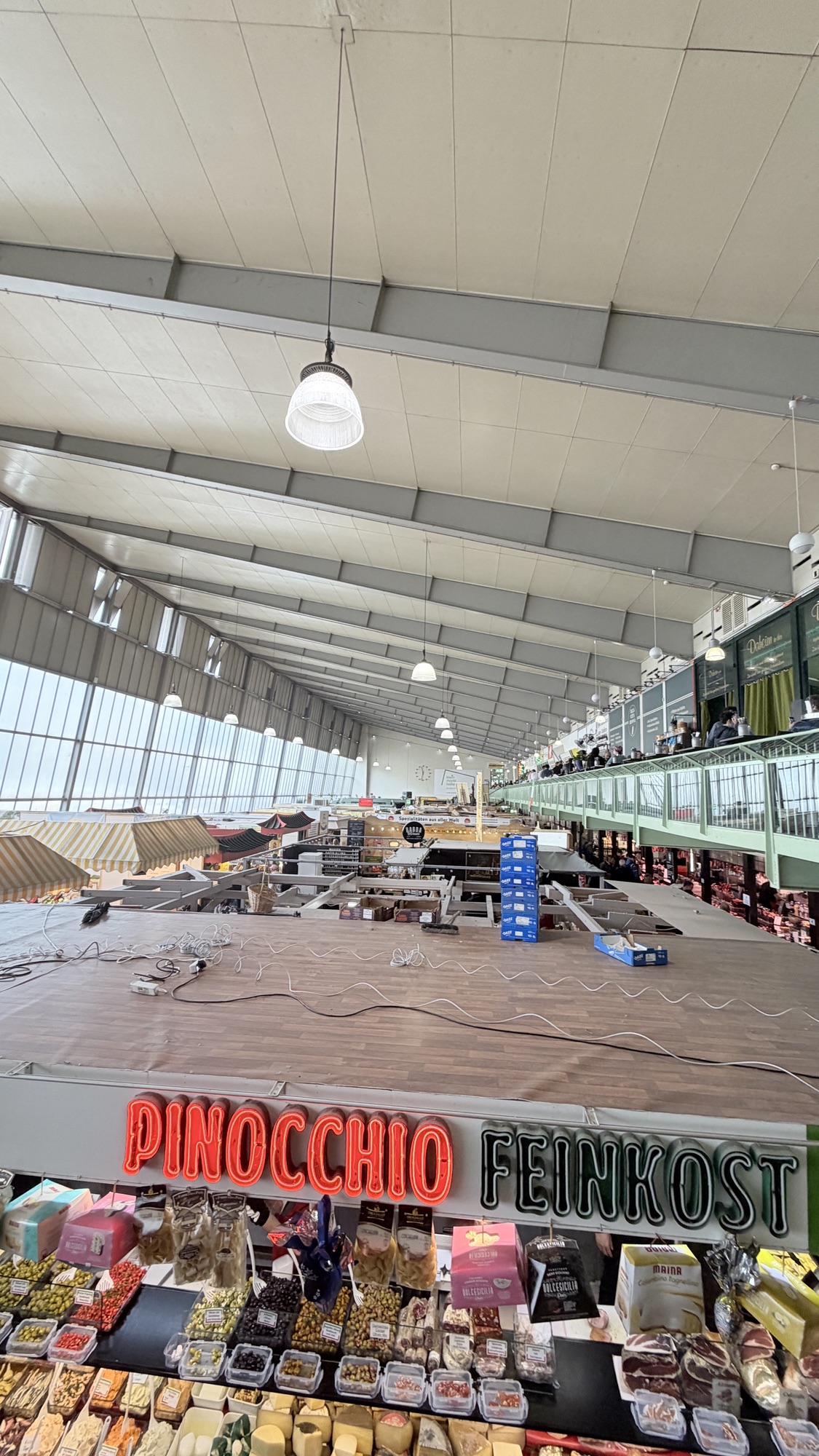
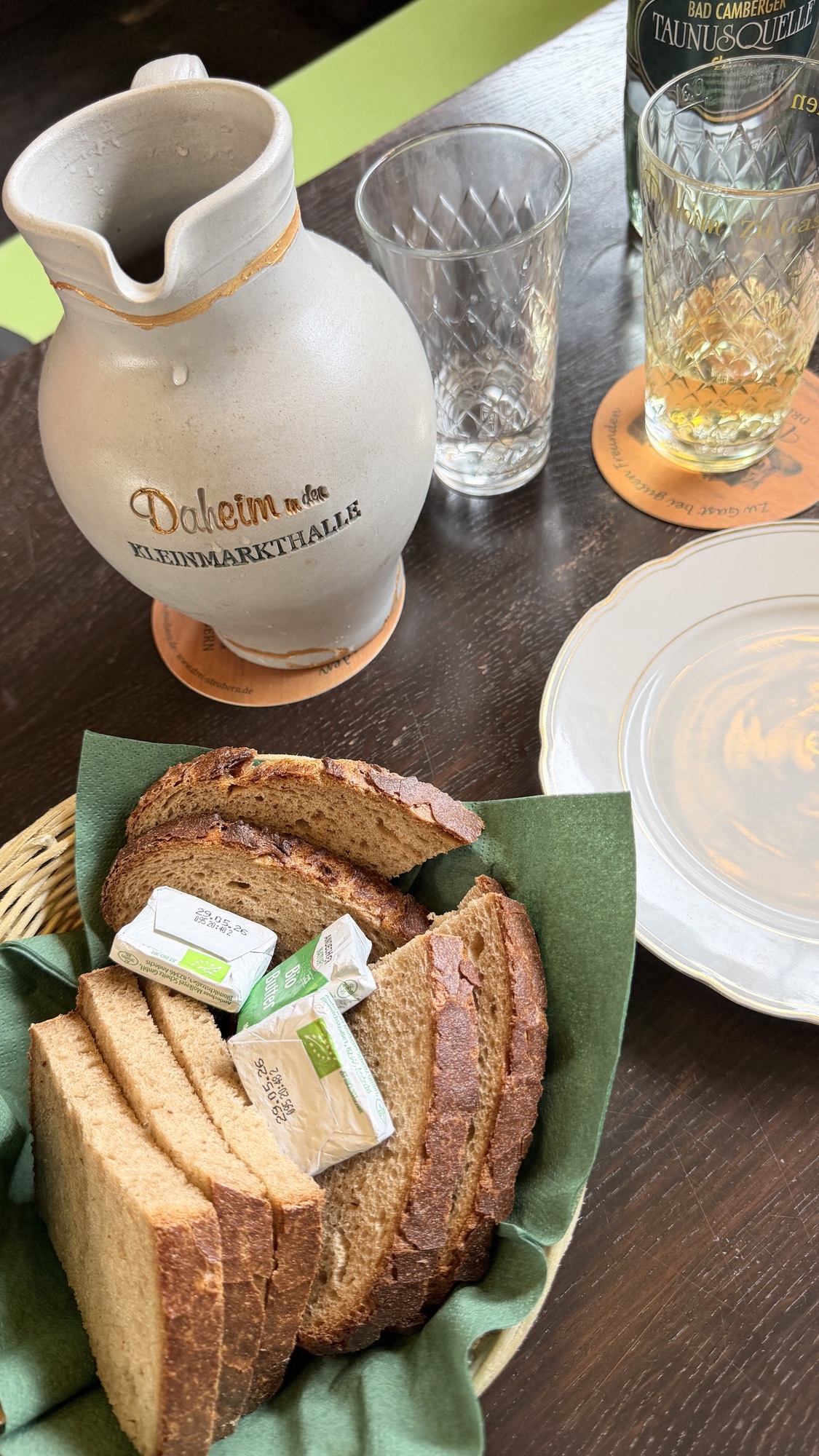
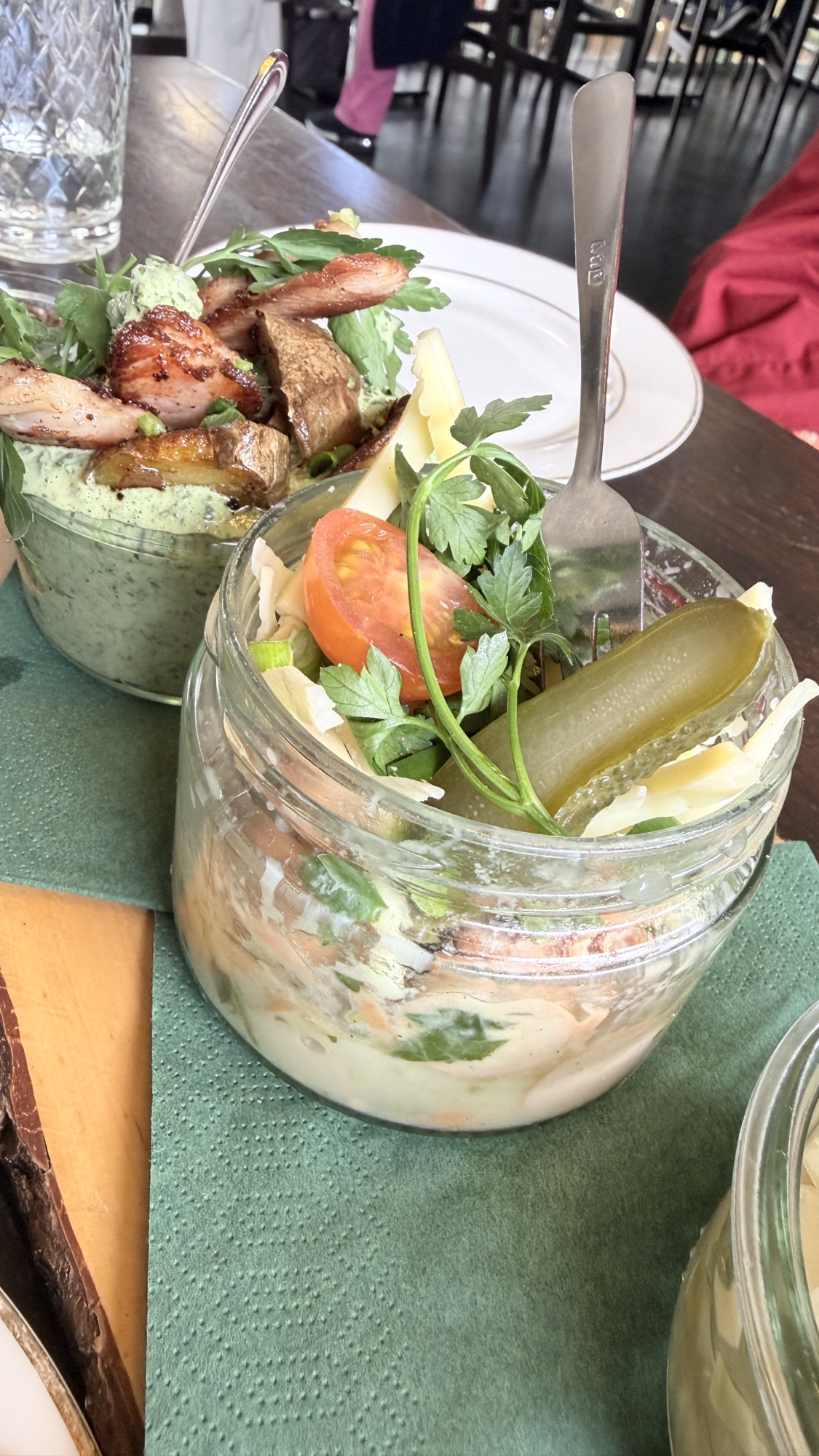
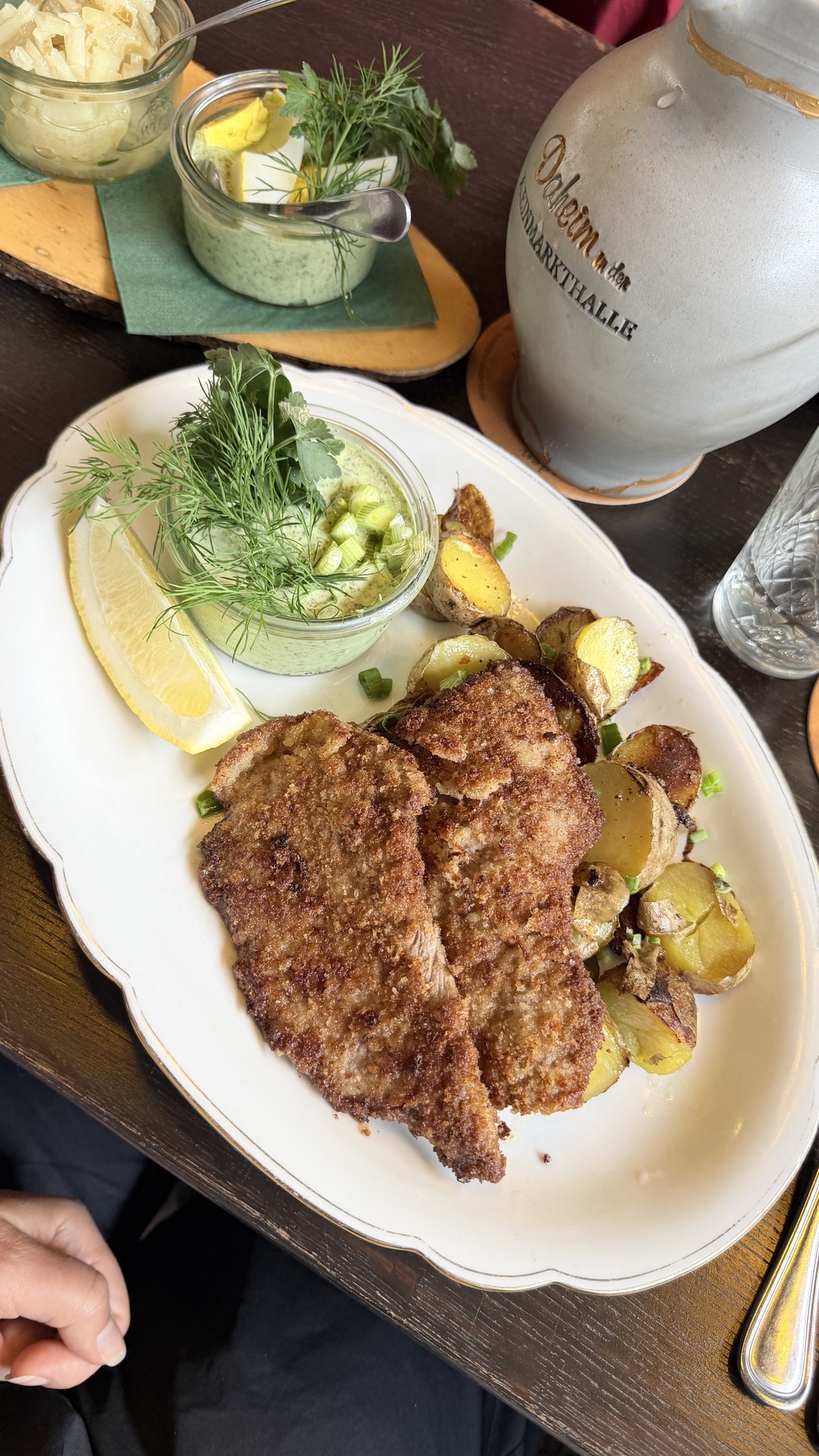
For lunch, Daheim in der Kleinmarkthalle is the perfect place to discover local culinary traditions. The restaurant is located inside the Kleinmarkthalle, Frankfurt’s iconic covered market and a true part of the city’s daily life. The upper level hosts small restaurants and gourmet stalls, while downstairs the fish market reveals a more authentic and lively side of Frankfurt. It is the ideal place to try the traditional Frankfurt Schnitzel served with green herb sauce and apple cider.
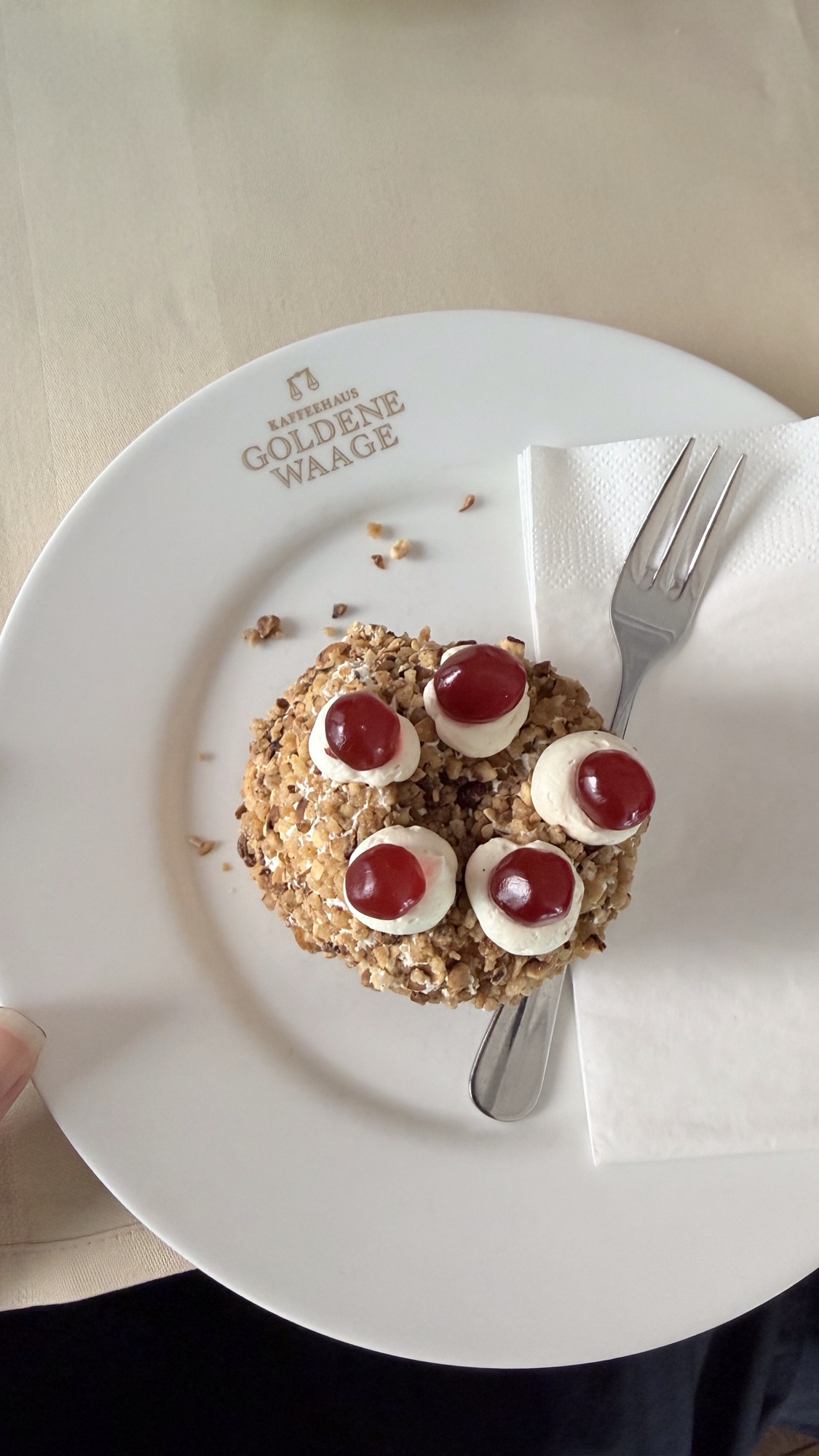
In the afternoon, time seems to slow down at Kaffeehaus Goldene Waage. Housed inside a Renaissance-style building dating back to 1619 and faithfully reconstructed in 2018, this café has become one of the symbols of the historic center’s rebirth. Here, the star is the Frankfurter Kranz — also known as Frankfurt Crown Cake — created by an anonymous pastry chef in 1735. Decorated with golden brittle and red cherries, the cake symbolically recalls an imperial crown and reflects Frankfurt’s historic connection to the Holy Roman Empire.
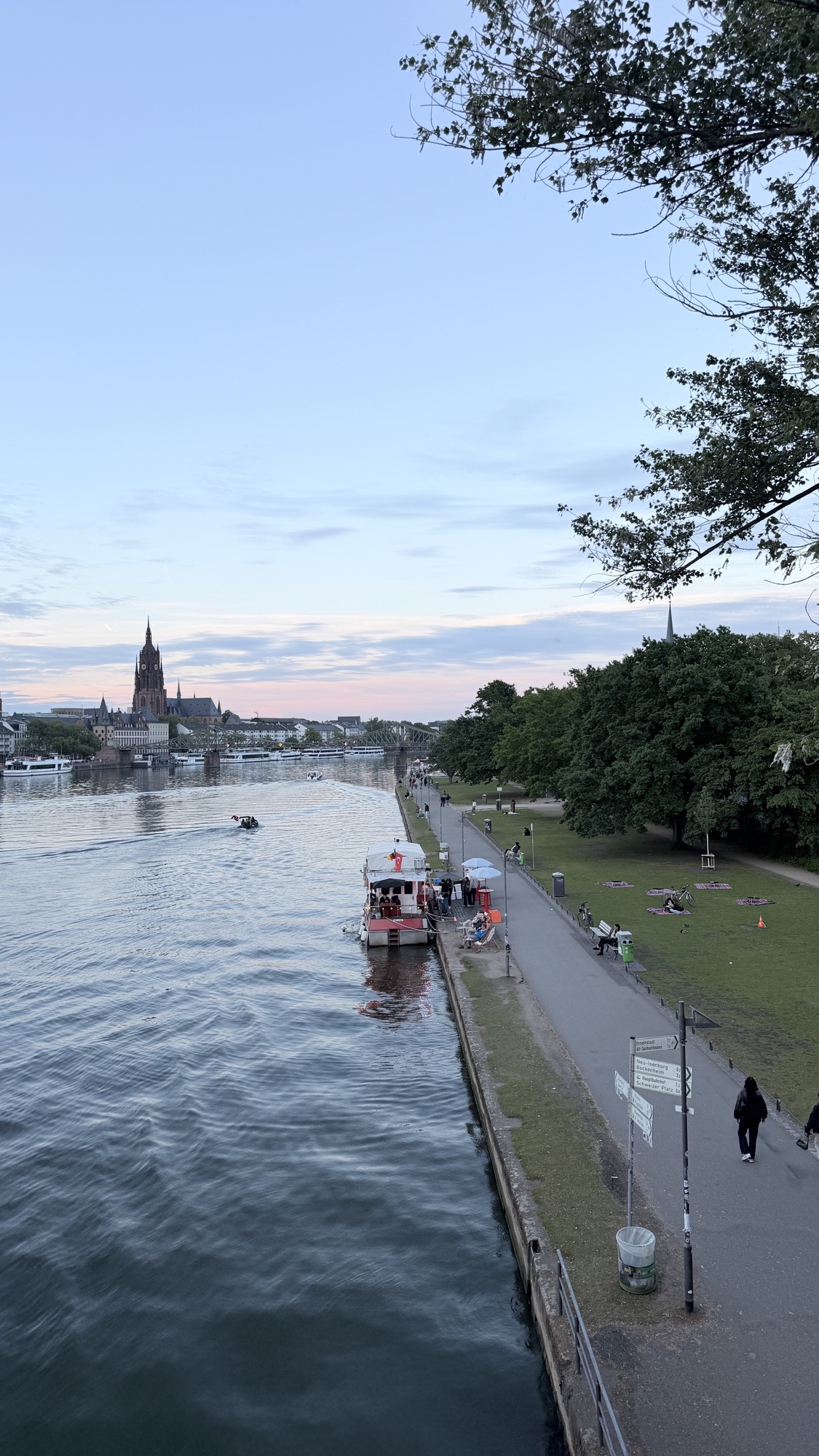
Seeing Frankfurt from the water offers an entirely different perspective. With the Primus-Linie river cruise, the skyline slowly unfolds alongside historic bridges, museums and contemporary architecture, highlighting the city’s constant dialogue with the Main River. The stretch toward Gerbermühle is particularly scenic, especially in the afternoon when the sunlight reflects on the glass towers.
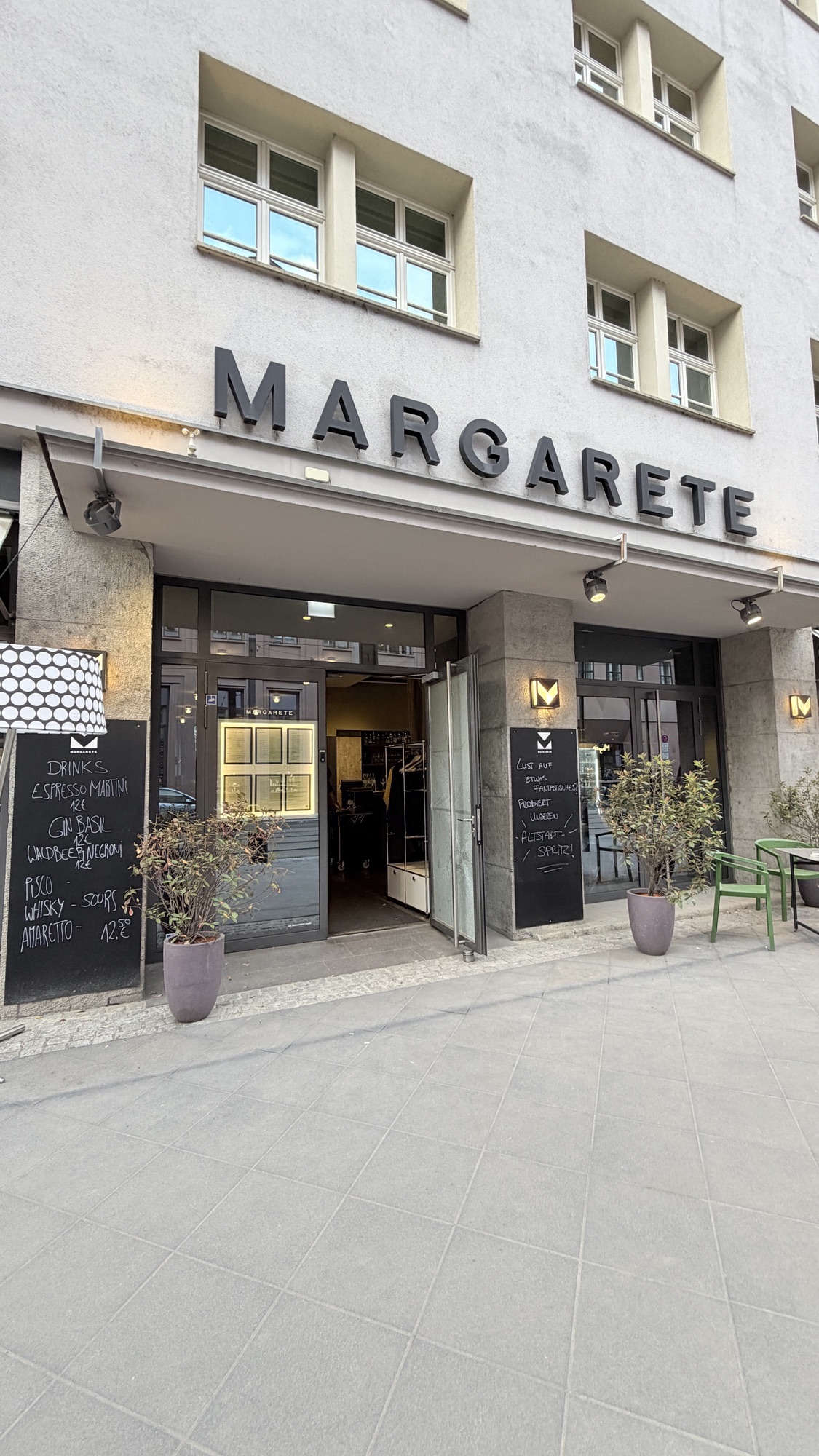
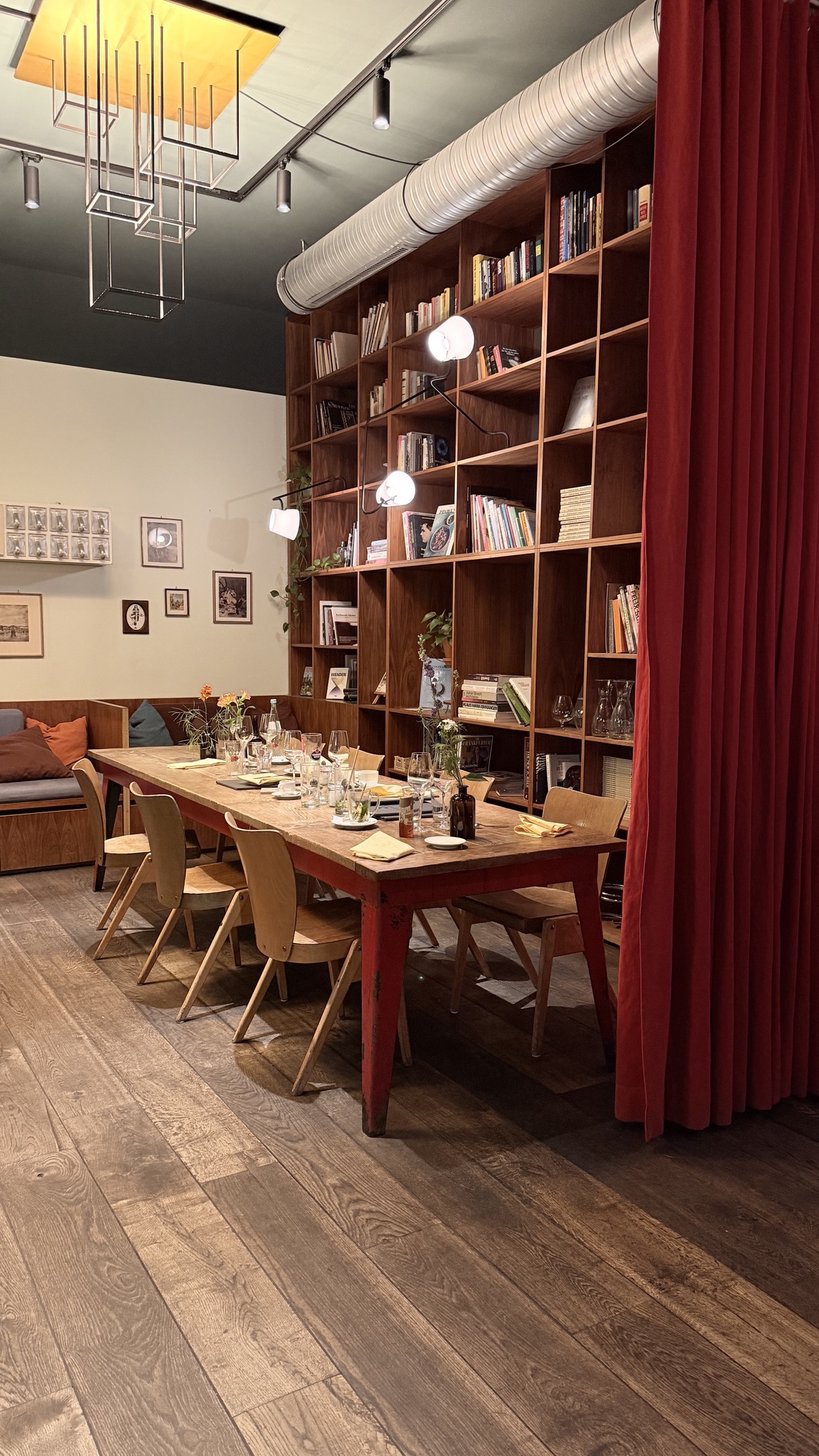
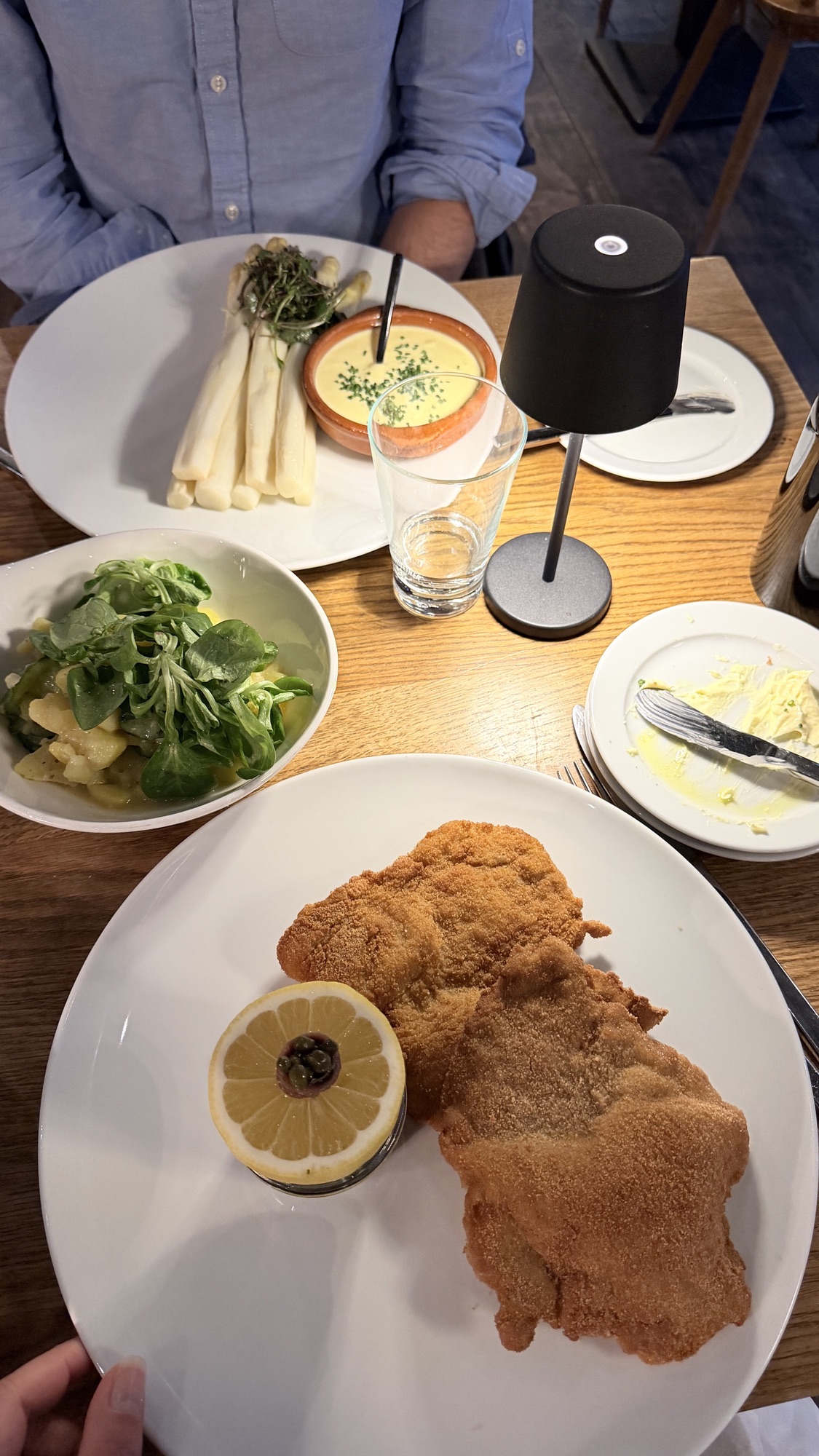
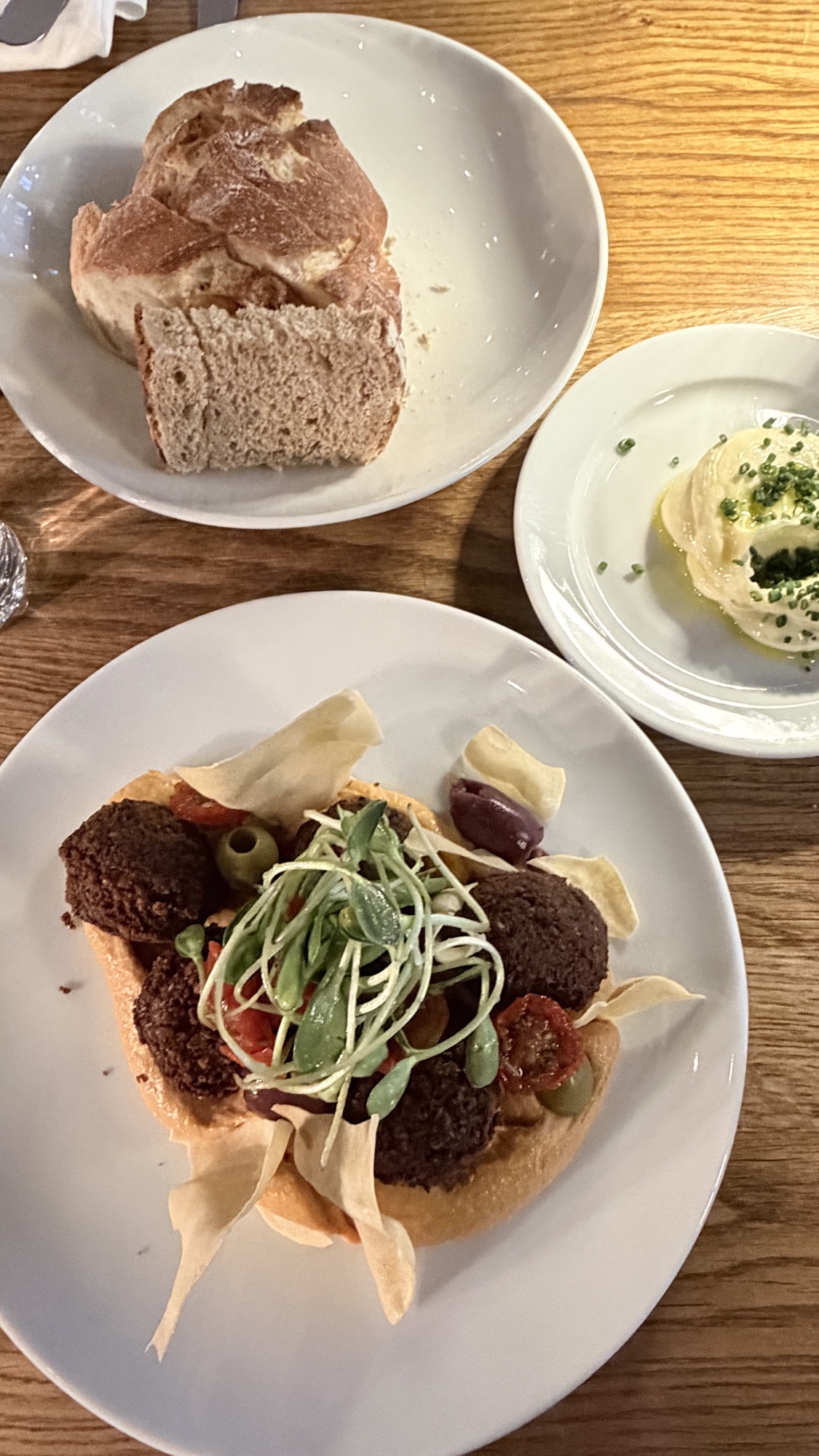
Dinner at Margarete showcases a more contemporary interpretation of German cuisine. Elegant yet relaxed, the restaurant combines refined interiors with creative dishes inspired by local ingredients. Highlights include falafel with harissa hummus, Wiener Schnitzel and seasonal white asparagus.
Day 3
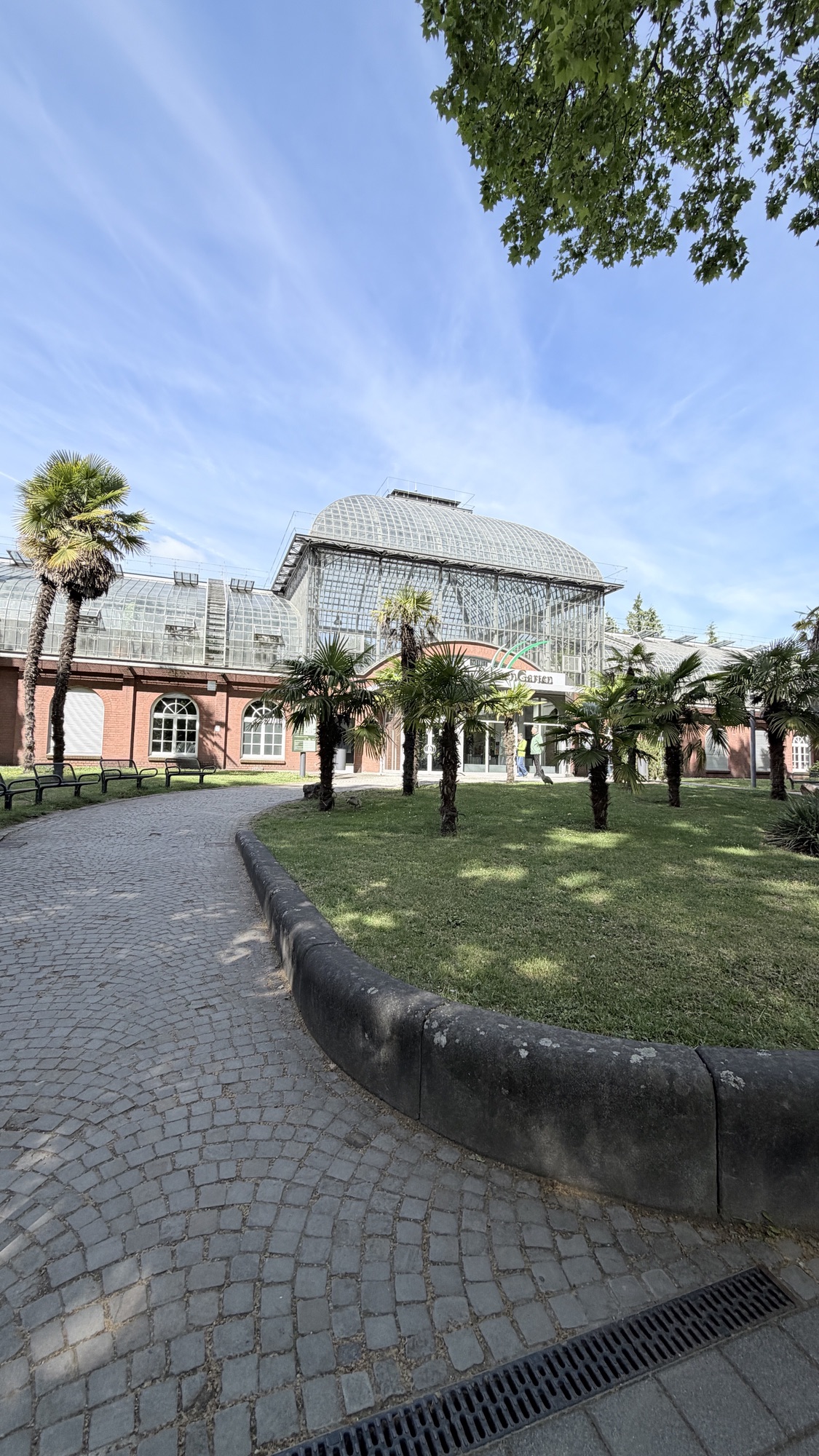
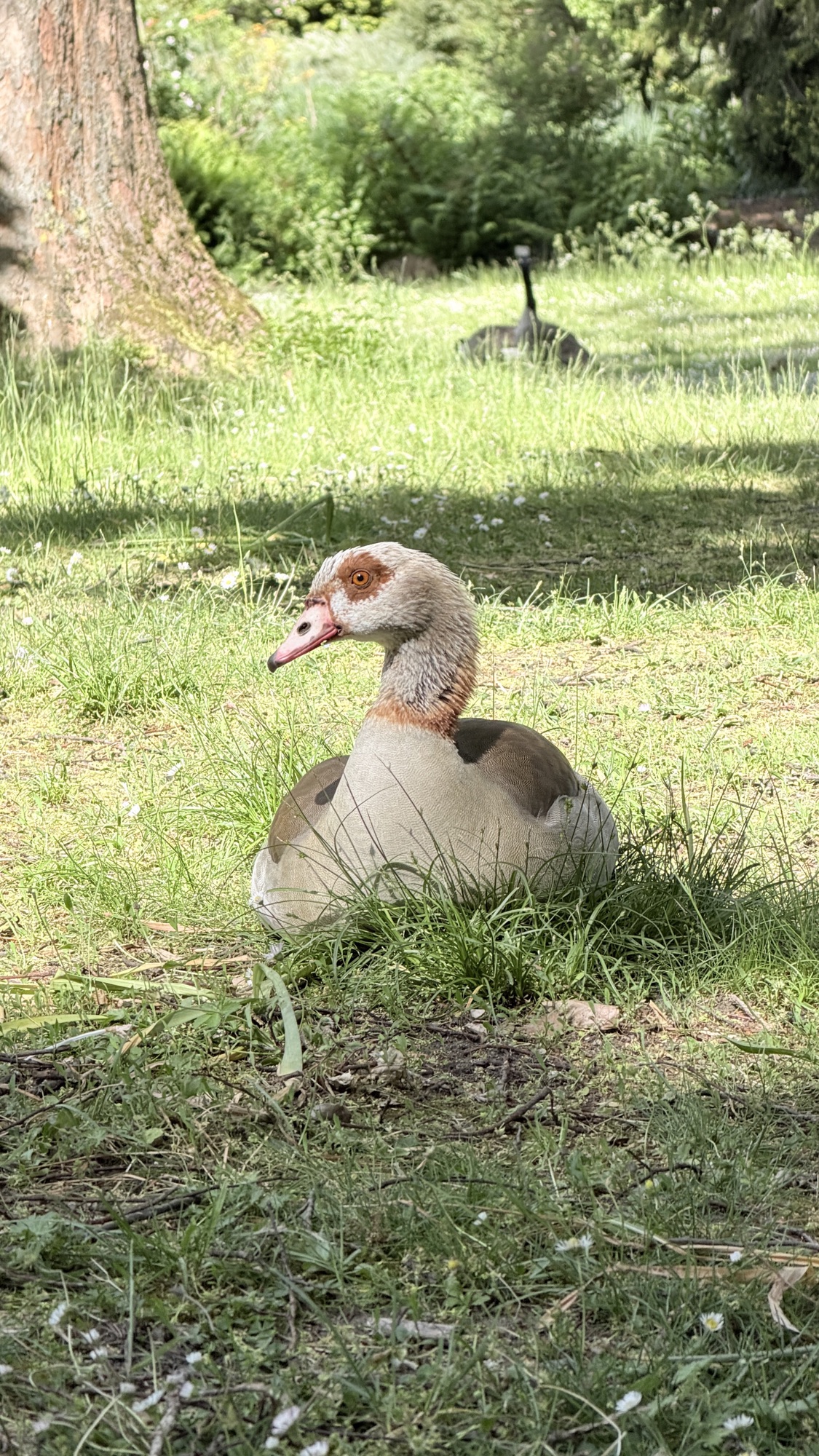
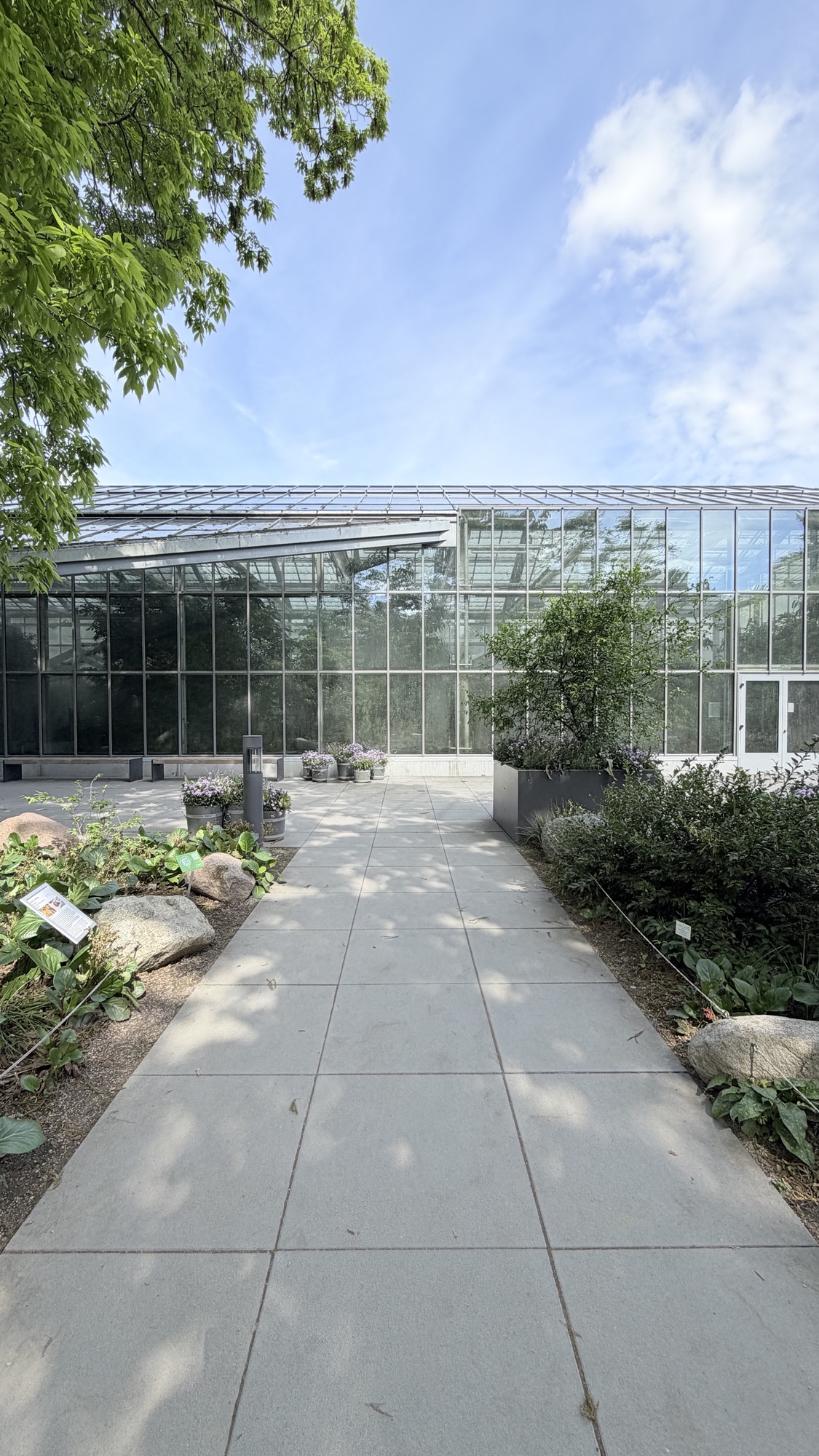
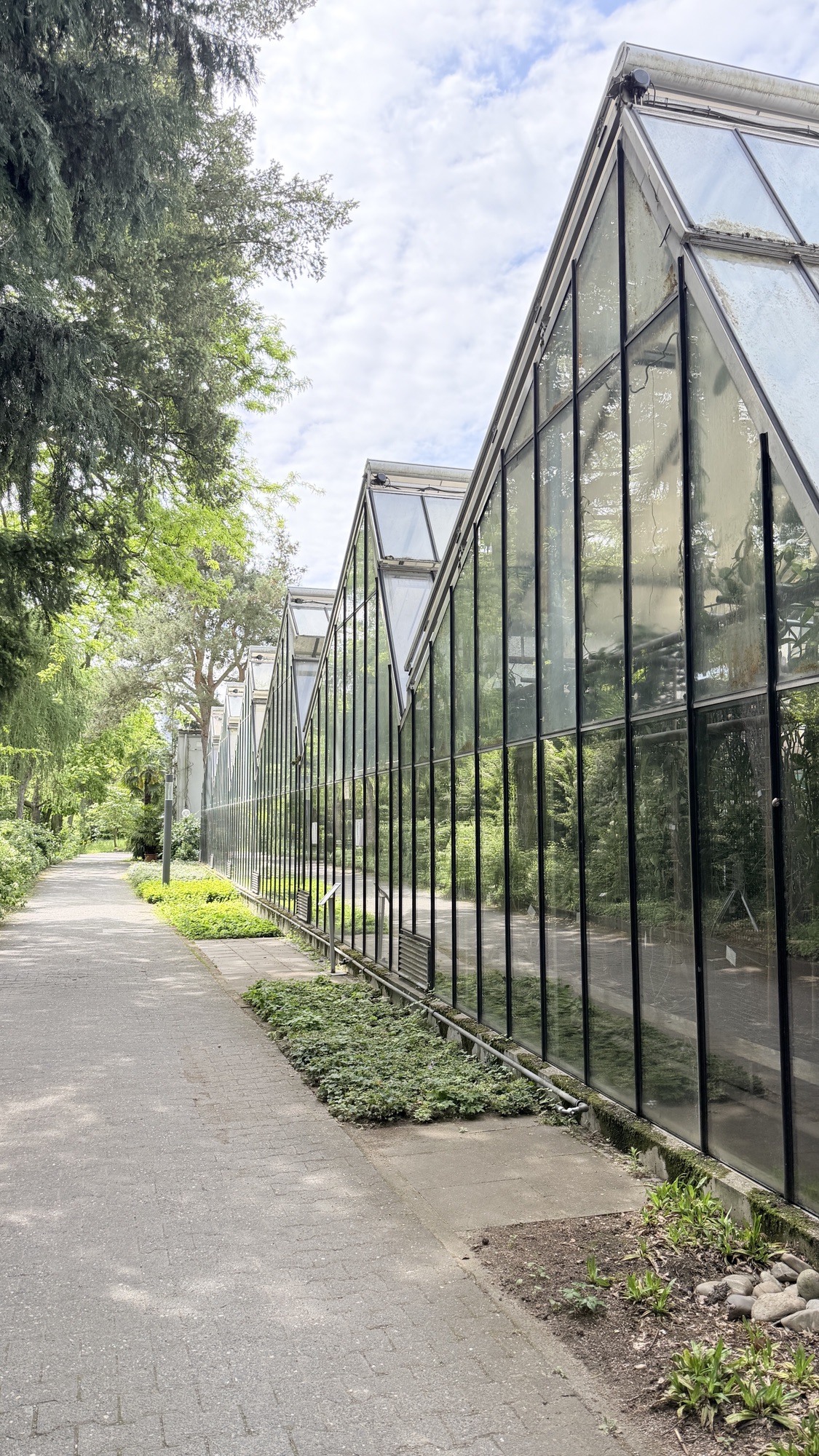
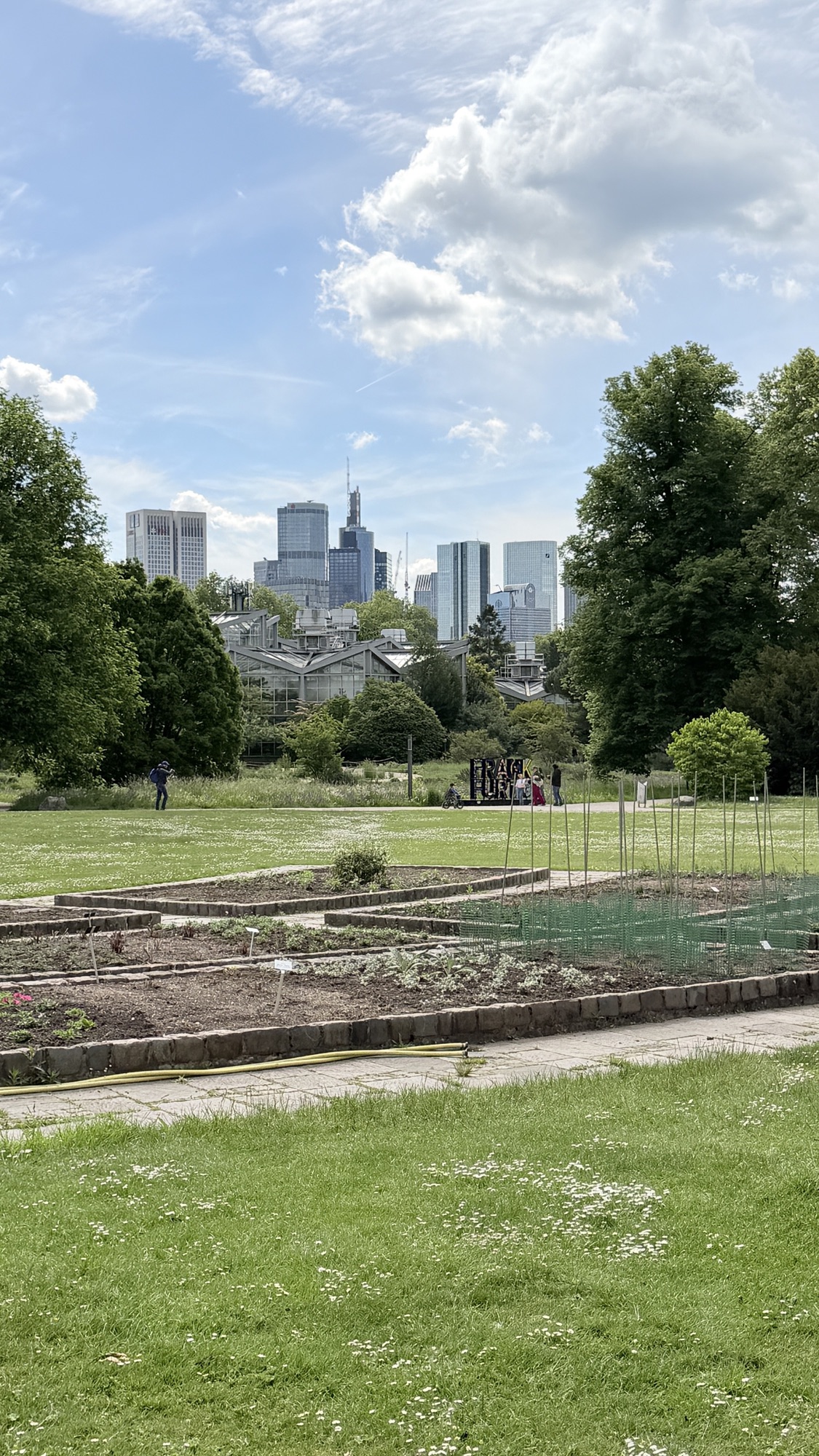
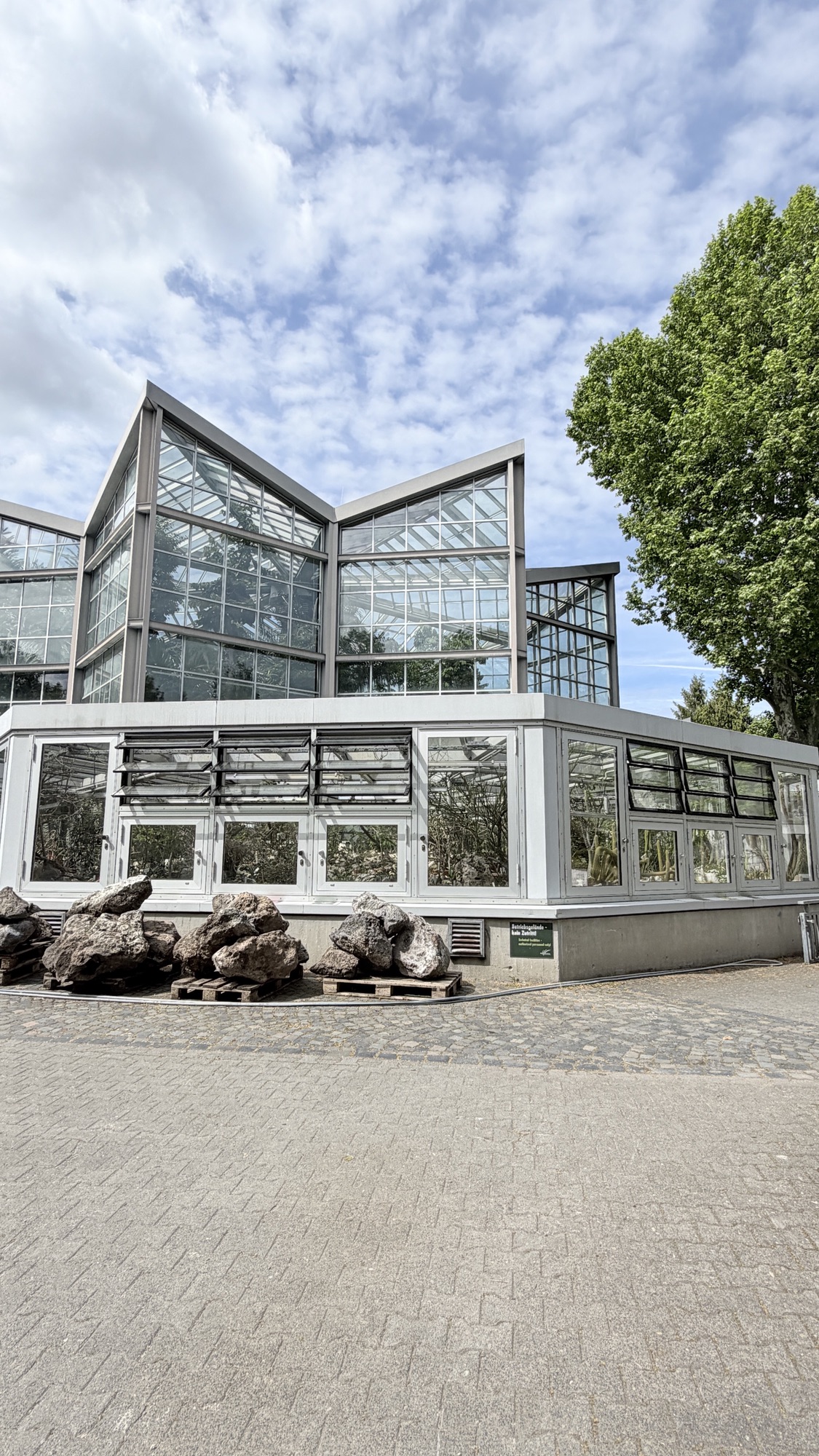
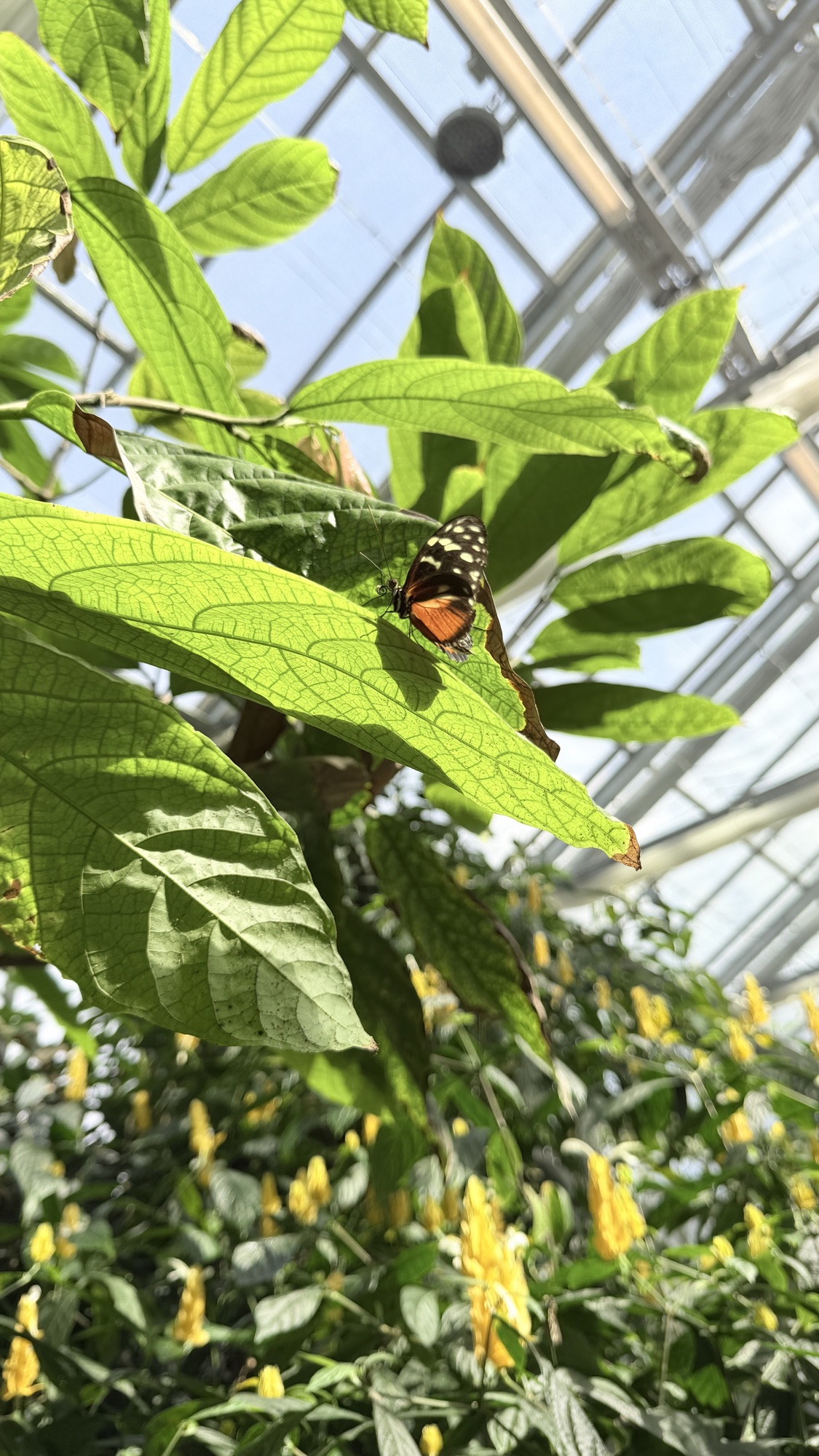
After two days spent among skyscrapers and urban architecture, the Palmengarten feels almost surreal in its tranquility. Opened in 1871 as a “garden of the world,” it is now one of Germany’s most spectacular botanical gardens and sits next to the Botanischer Garten, creating a vast green oasis in the heart of the city. Tropical greenhouses, giant palms, desert cacti, lakes and the famous butterfly house make it easy to forget you are still inside one of Europe’s major financial capitals.
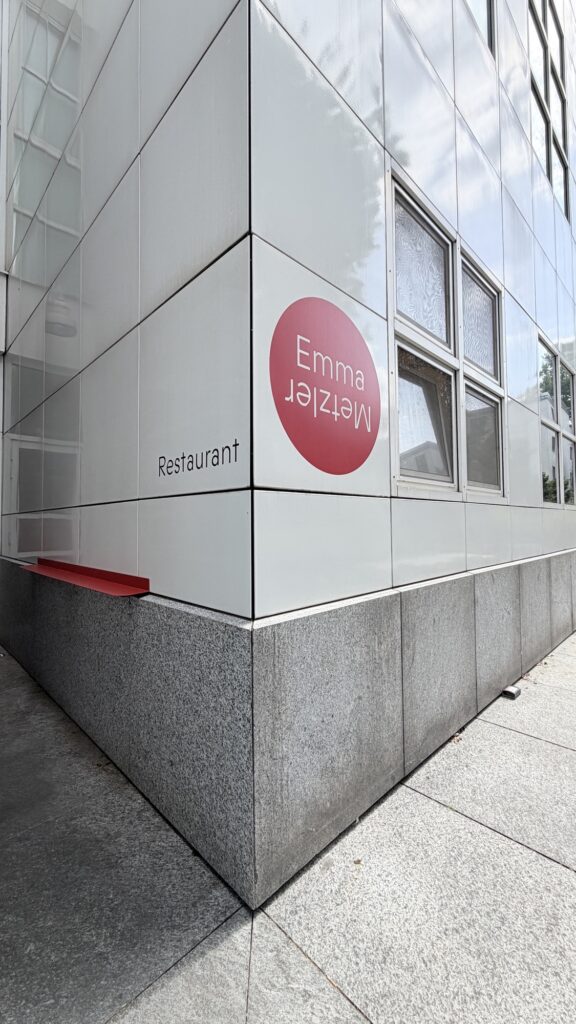
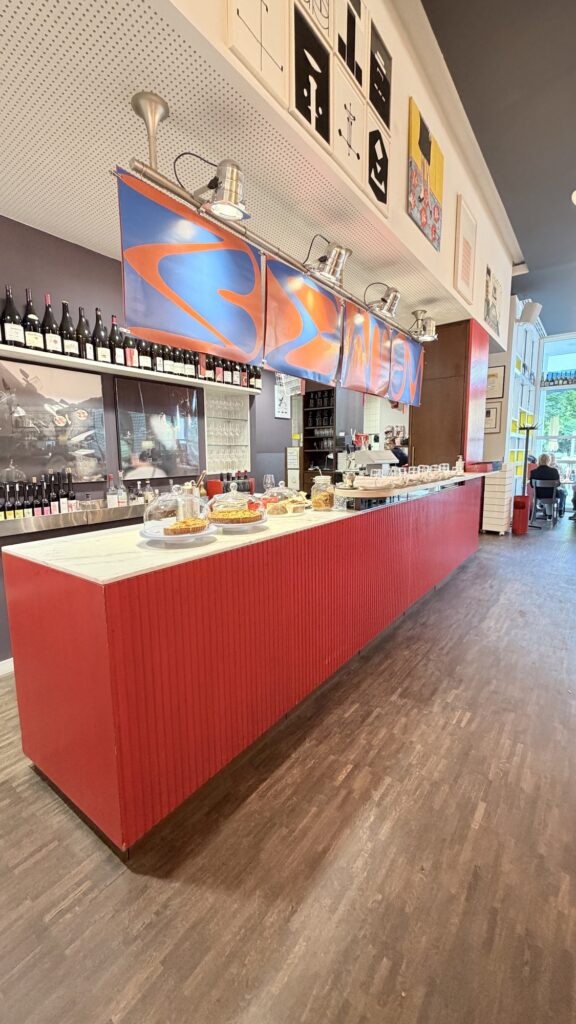
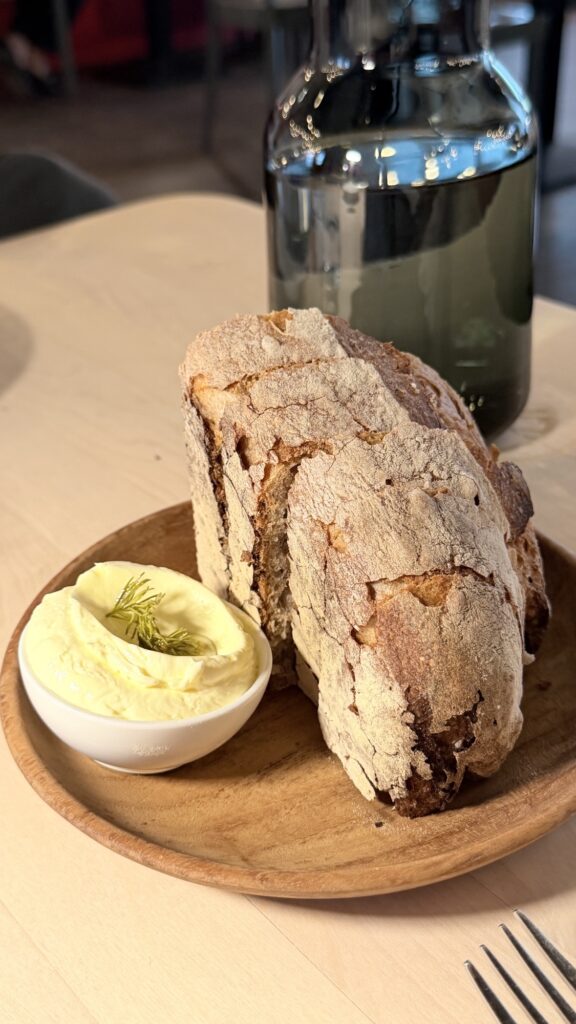
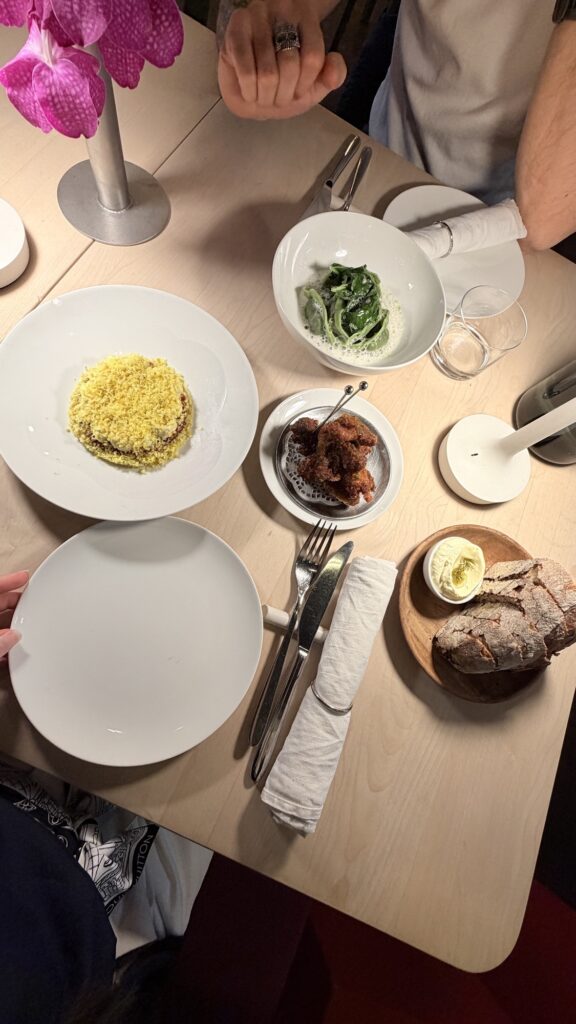
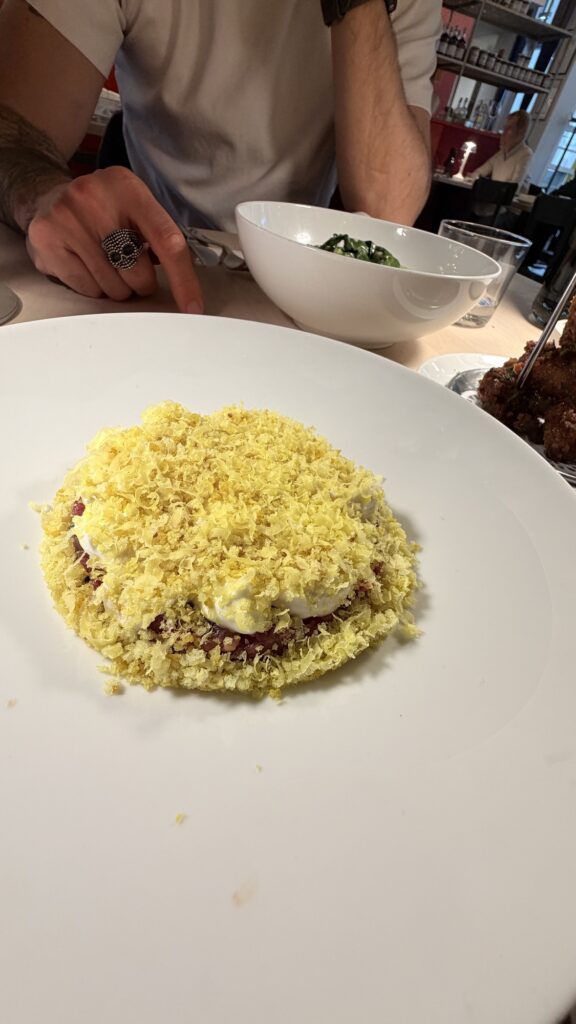
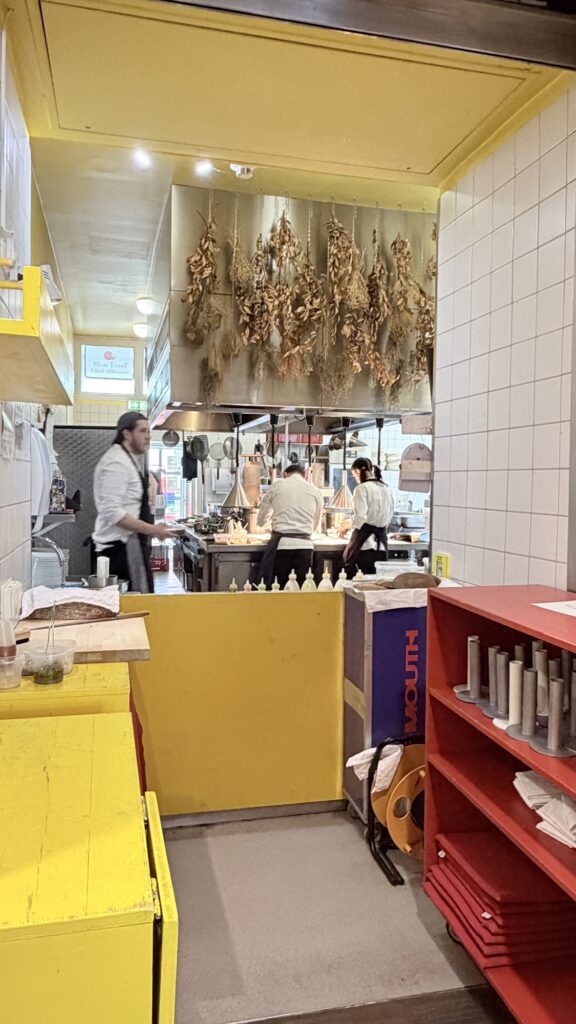
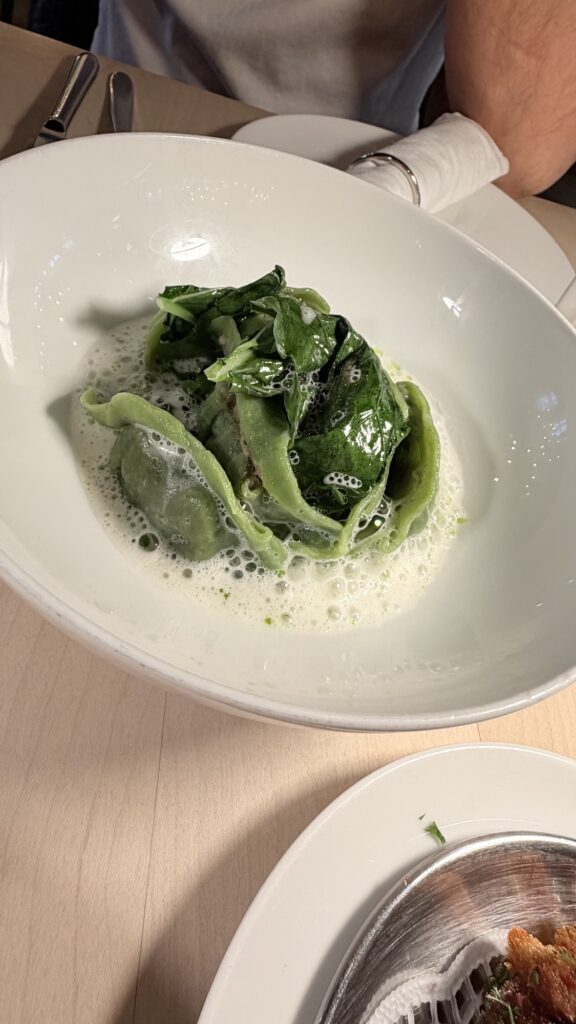
At Emma Metzler, the cuisine becomes seasonal, refined and deeply contemporary. The menu balances delicate contrasts and carefully selected ingredients, from sourdough bread with honey and pollen to oyster mushroom tempura and beef tartare with miso cream and turmeric crumble.
In the afternoon, the Museum Angewandte Kunst once again takes center stage. Designed by Richard Meier and overlooking the Museumsufer, the museum combines design, fashion, photography and decorative arts inside bright minimalist spaces that constantly interact with the surrounding landscape.
Stopping for an aperitif at Wirtshaus am Hühnermarkt means experiencing one of the most charming corners of the New Old Town. Reconstructed façades, historic signs and outdoor tables create a completely different atmosphere from Frankfurt’s vertical skyline.
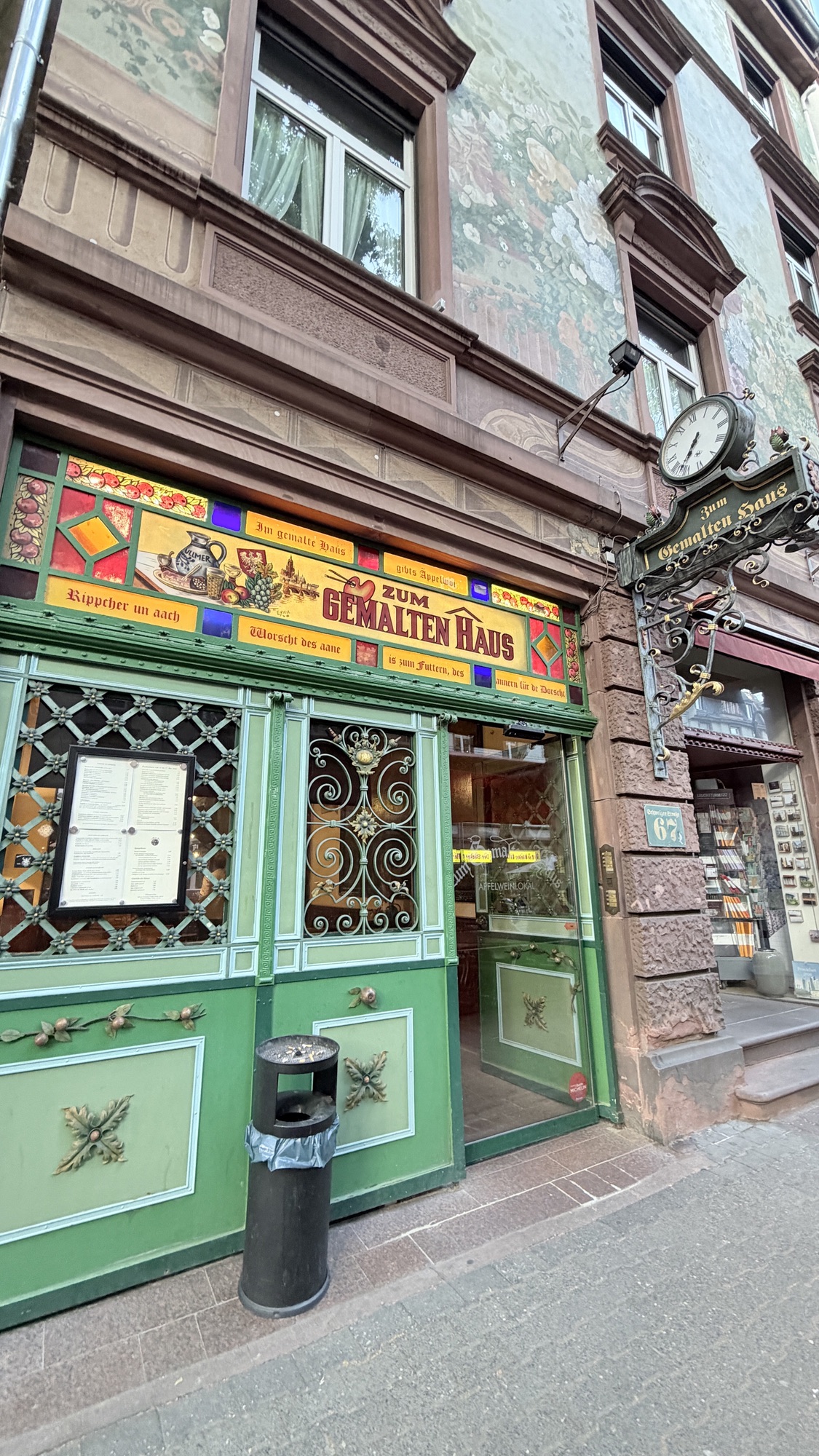
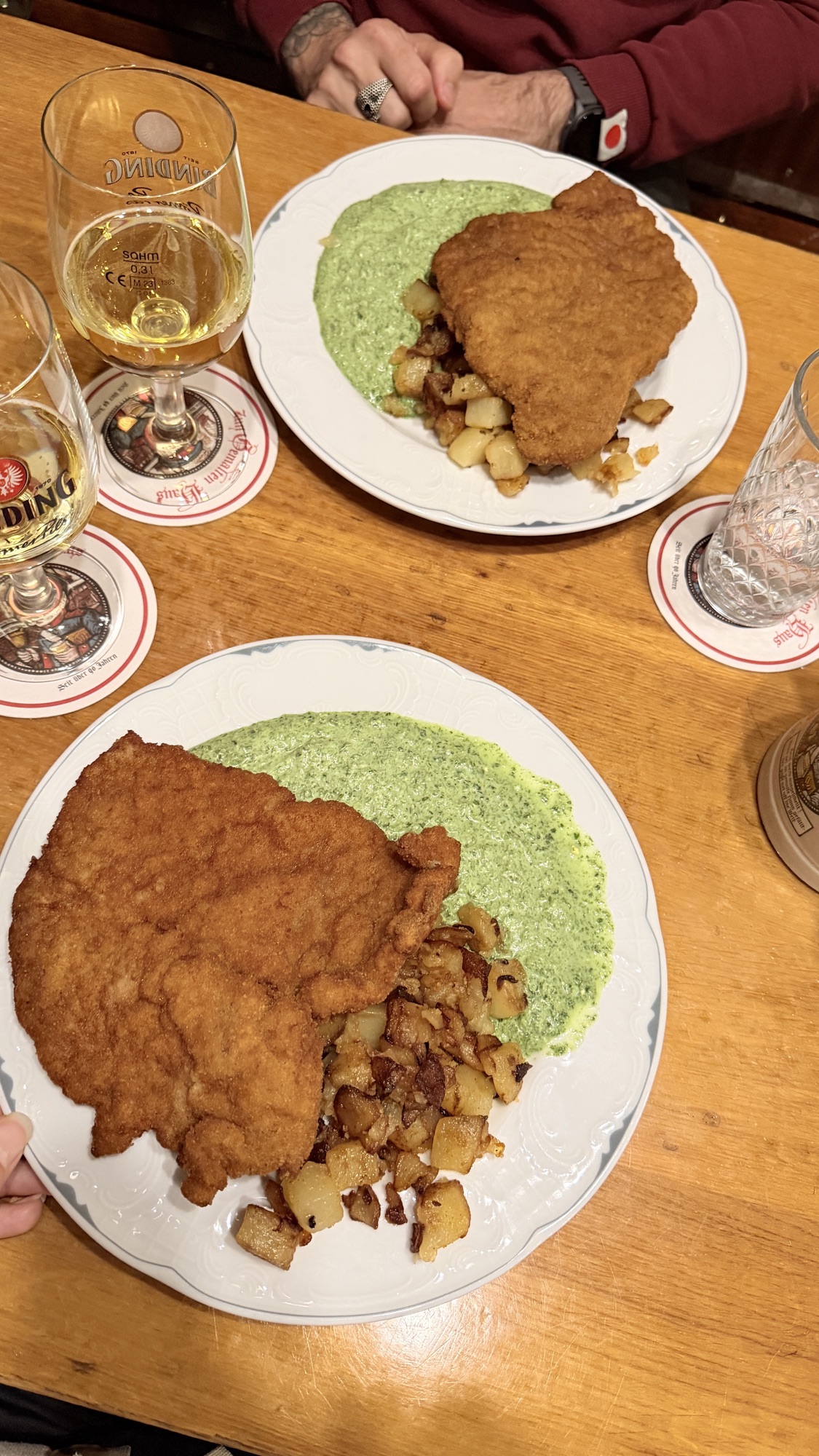
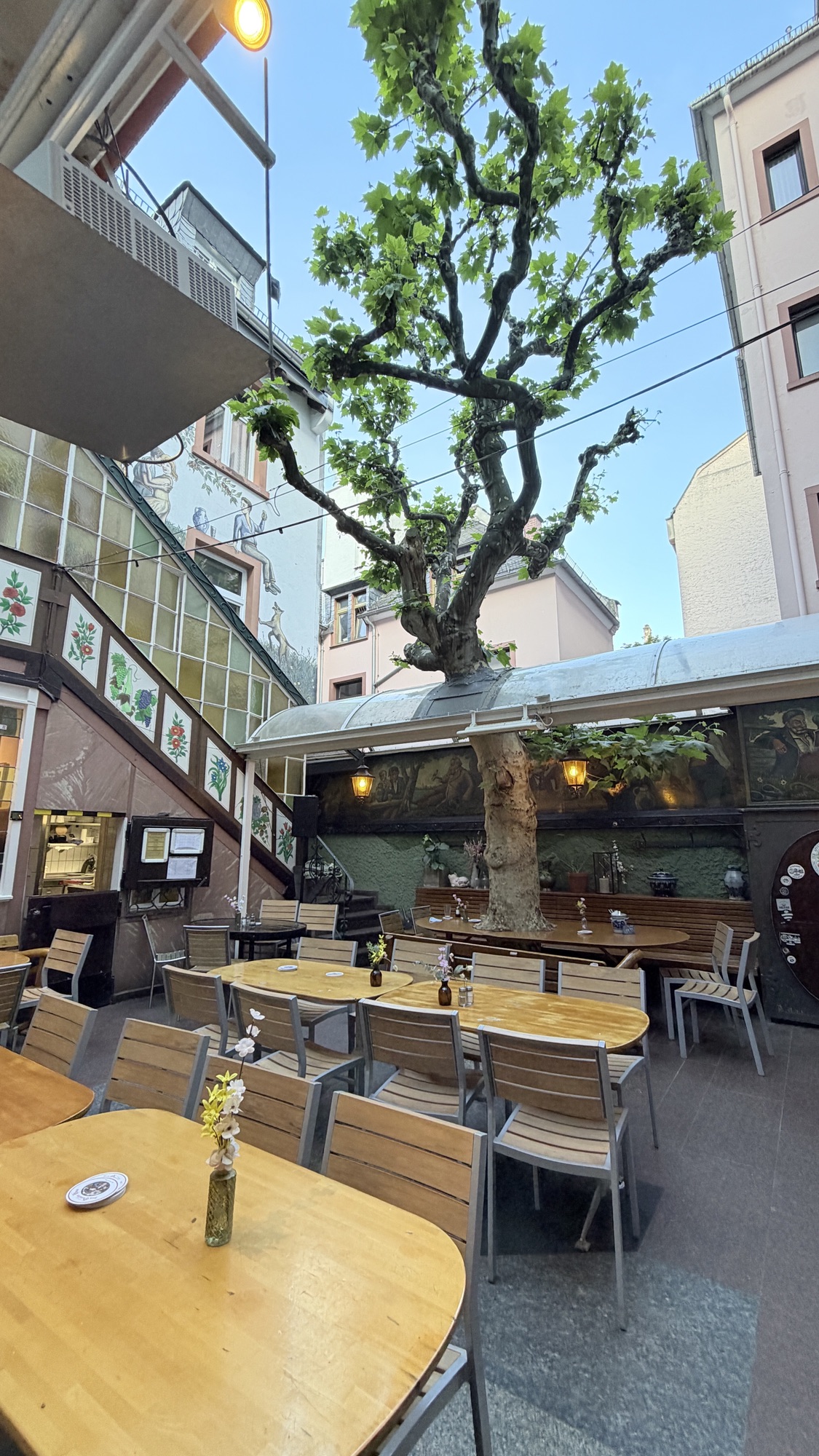
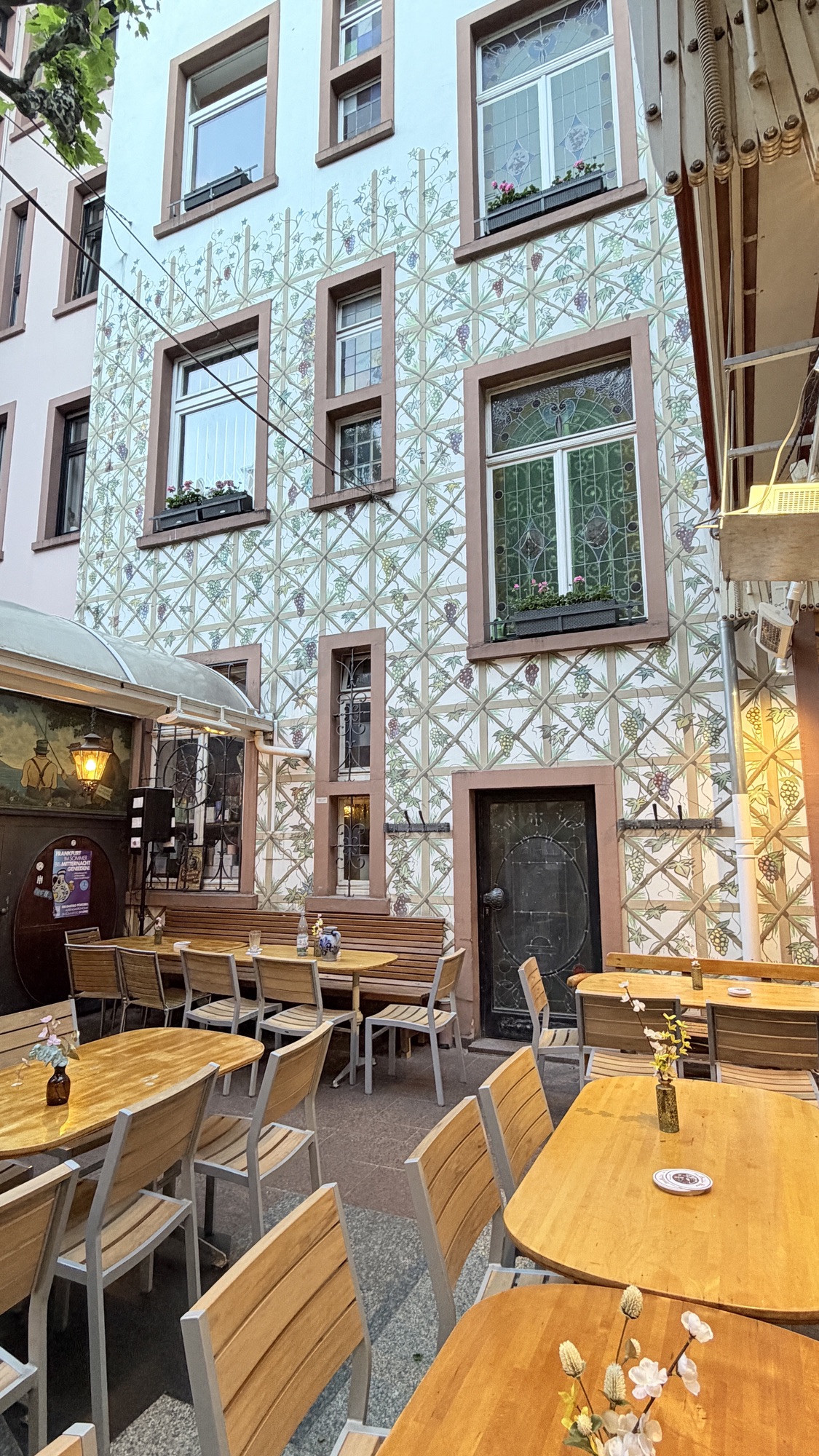
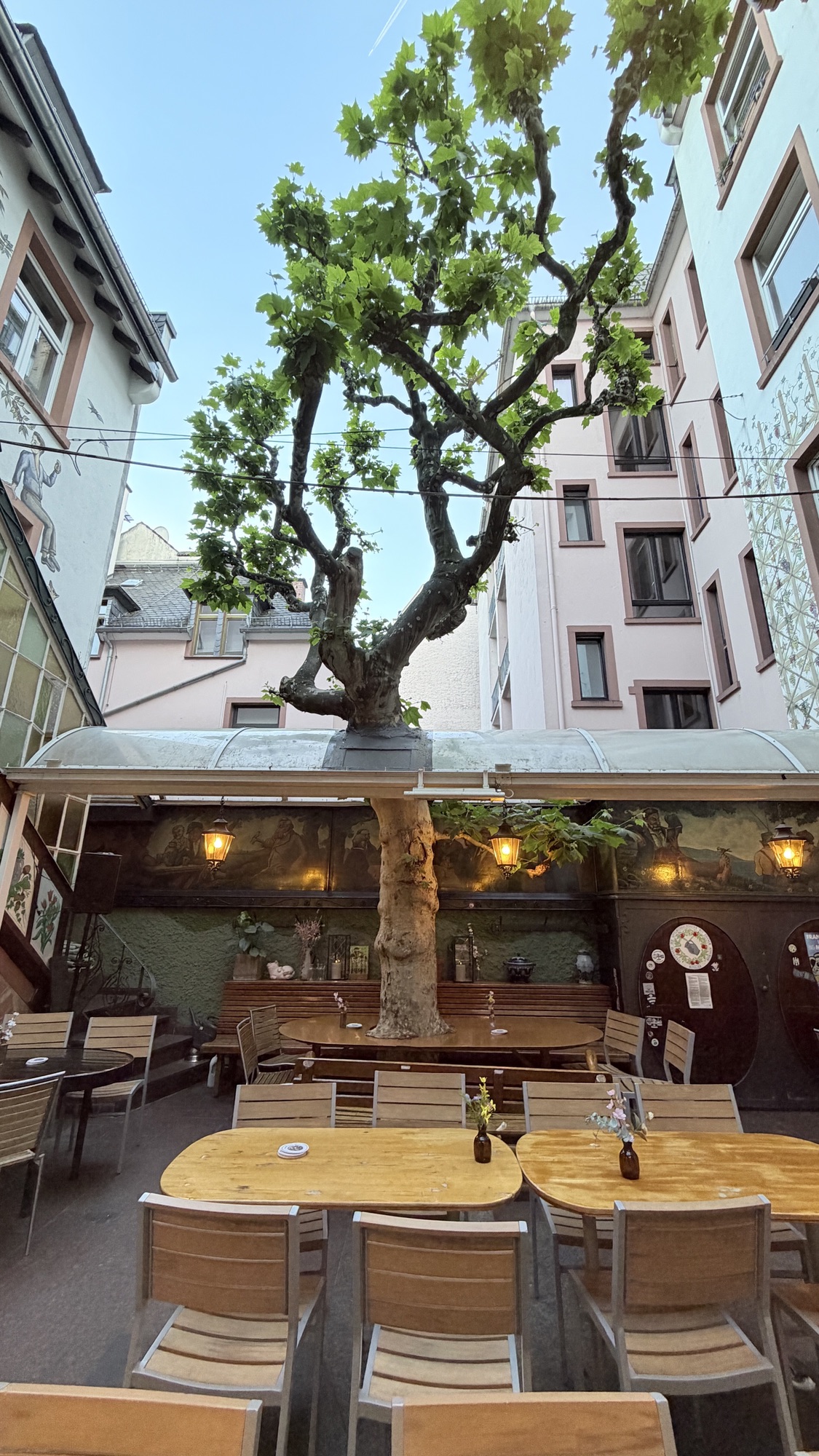
The final dinner at Zum Gemalten Haus is a return to authentic local tradition. Known for its apple cider and Hessian cuisine, this historic restaurant preserves a convivial atmosphere that reflects Frankfurt’s most genuine side. Here, the Frankfurter Schnitzel is served according to tradition, accompanied by the city’s famous green herb sauce.
Making a weekend in Frankfurt even easier is the direct Condor connection from Milan: fast, convenient and ideal even for a short escape. Staying at the JW Marriott Hotel Frankfurt completes the experience with its central location, panoramic skyline-view rooms with king-size beds and wellness facilities including a spa, indoor pool, gym and panoramic restaurant.