

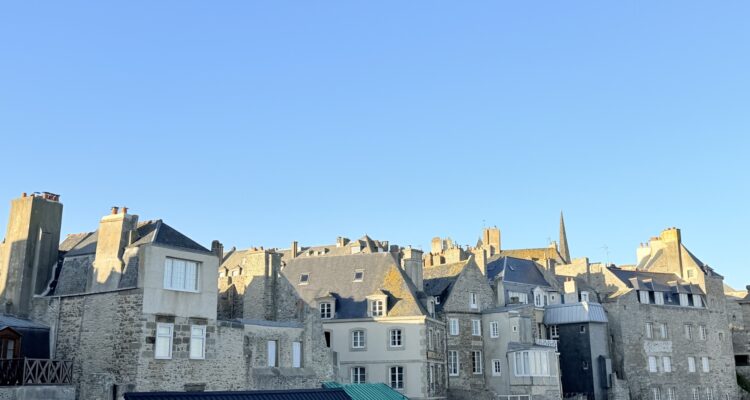
Brittany is a land that invites you to travel slowly, following the rhythm of the sea and the tides. In this corner of France, fortified towns give way to small harbours, medieval abbeys to windswept coastlines, while the cuisine remains deeply connected to the sea.
For this trip, we chose a three-day itinerary focused on Saint-Malo, Pointe du Grouin, Cancale, Mont-Saint-Michel, Dol-de-Bretagne and Dinard. A route combining history, landscapes, architecture and gastronomy and, above all, allowing you to experience Brittany without turning every day into a race from one stop to the next.
.
DAY 1 — Saint-Malo, Pointe du Grouin and Cancale
The journey begins in Saint-Malo, reached by TGV. Once there, the most practical way to continue along the coast is to have a car: it gives you greater freedom and makes it easy to include some of the most scenic stops along the way.
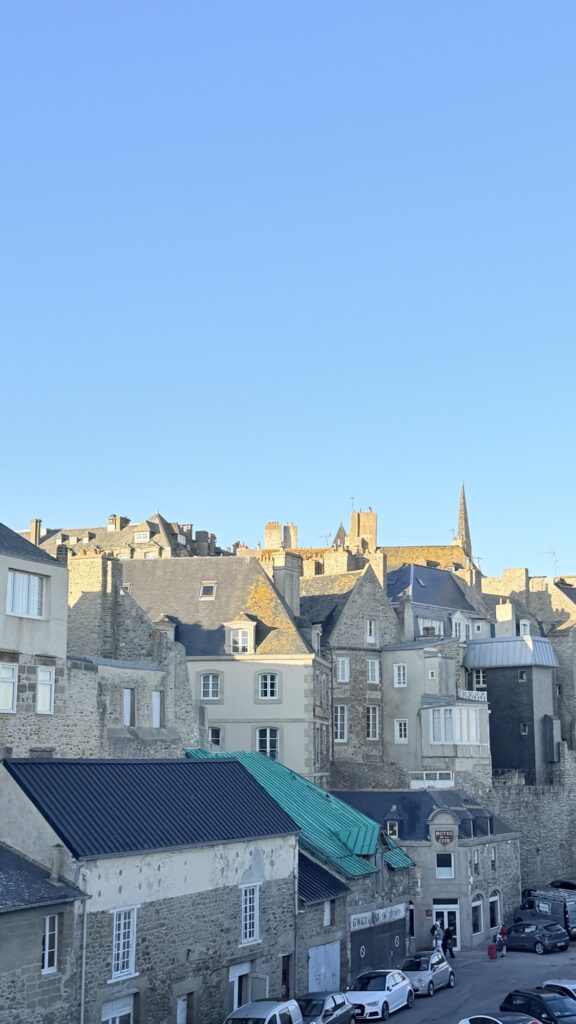
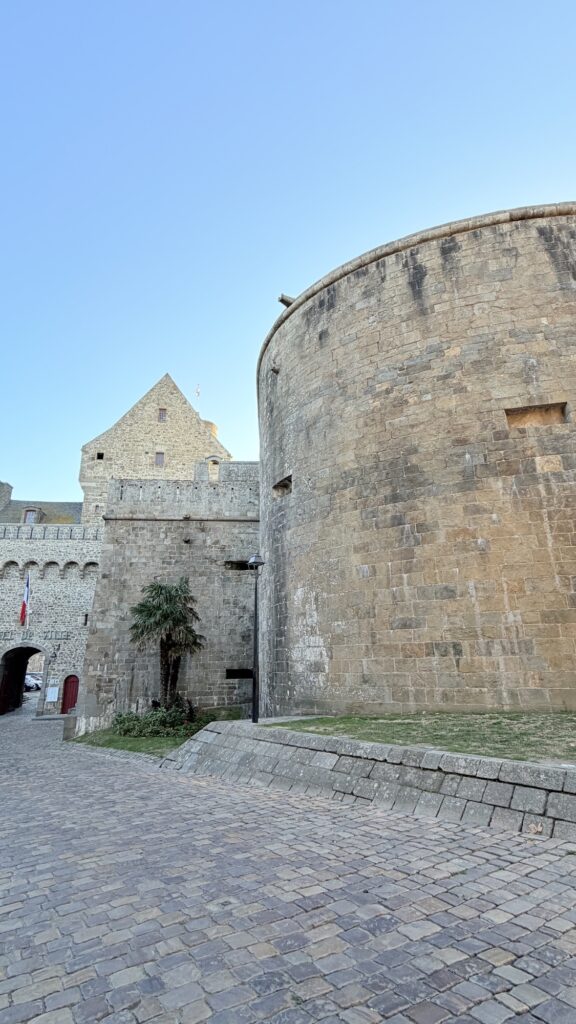
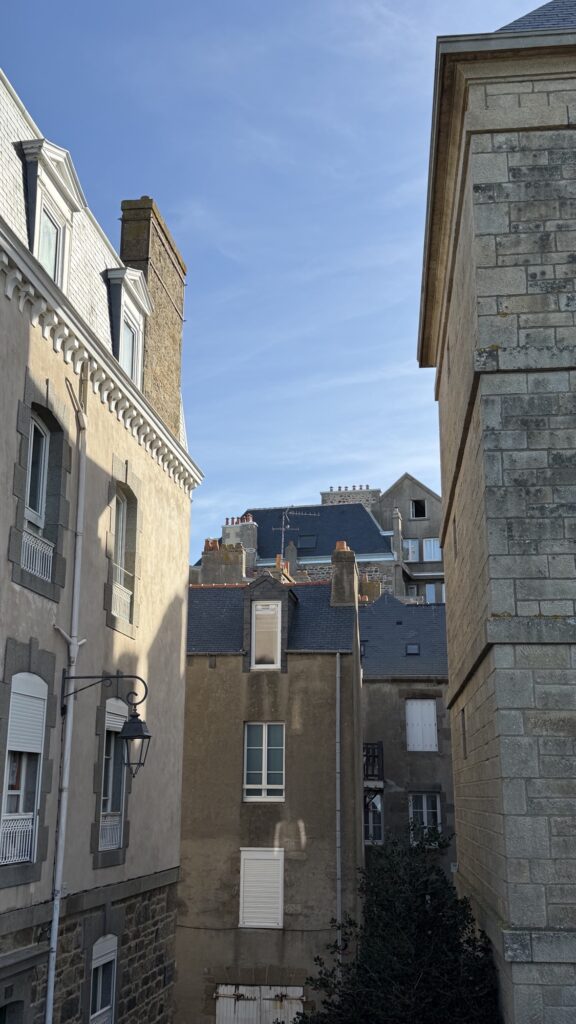
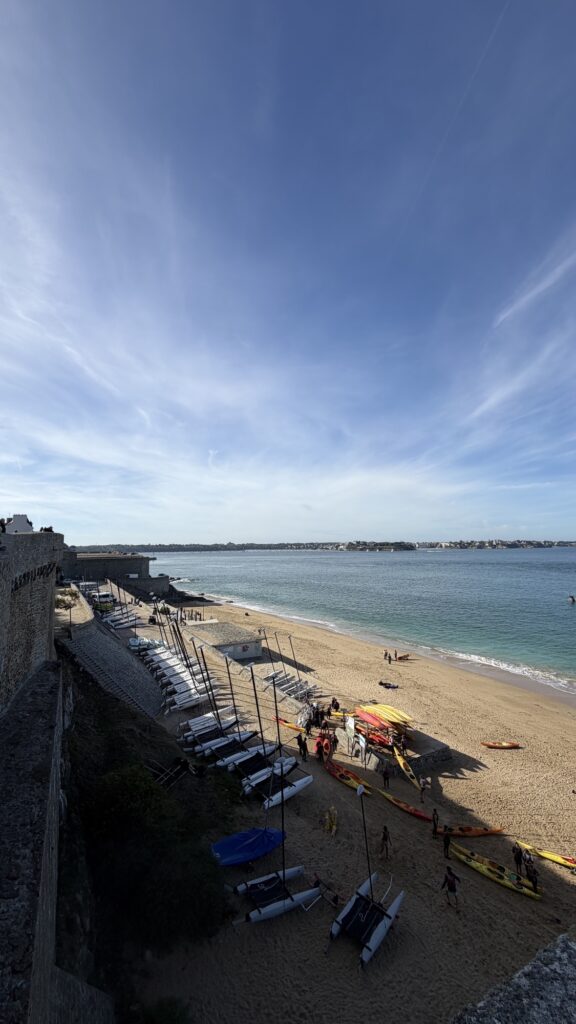
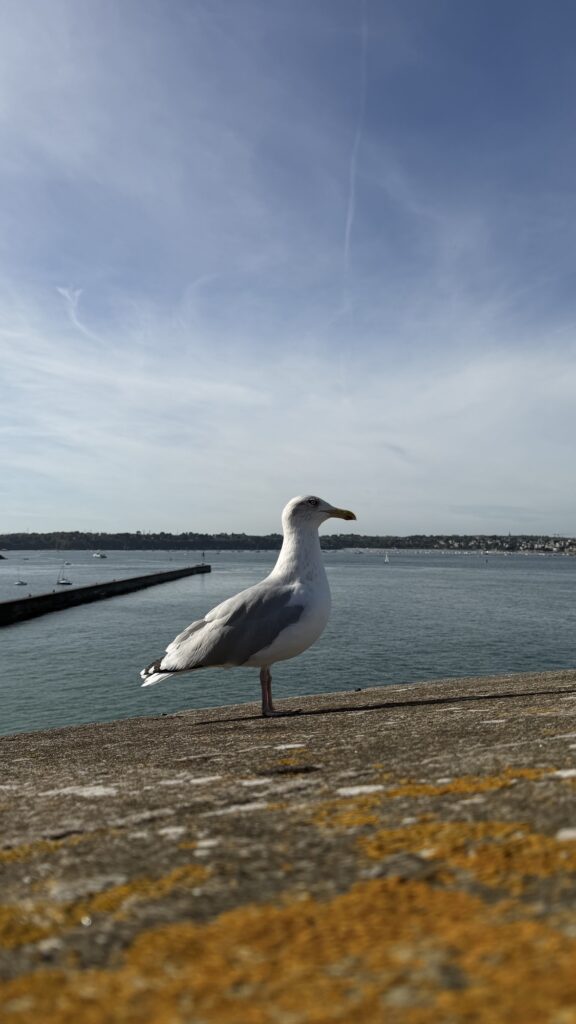
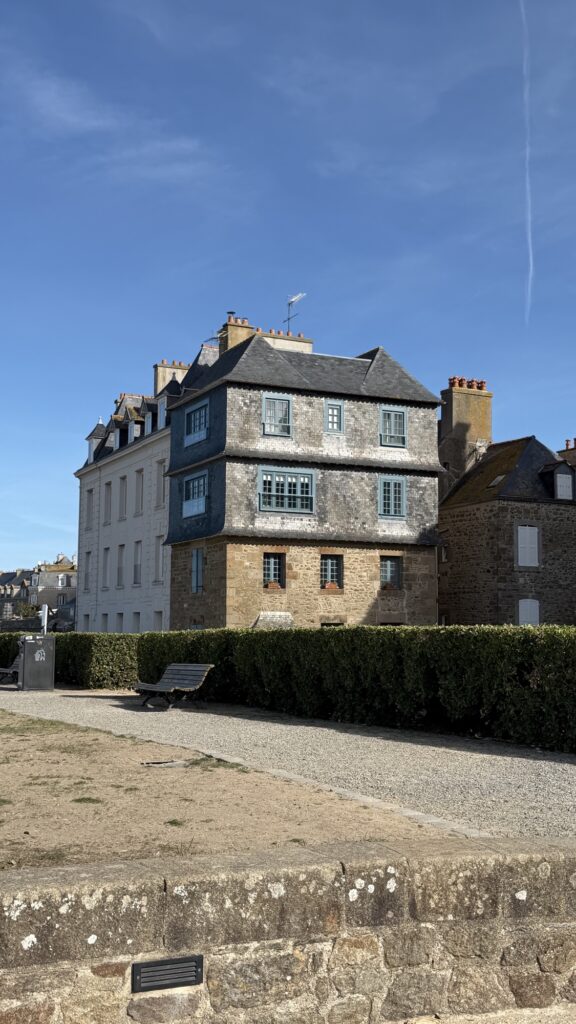
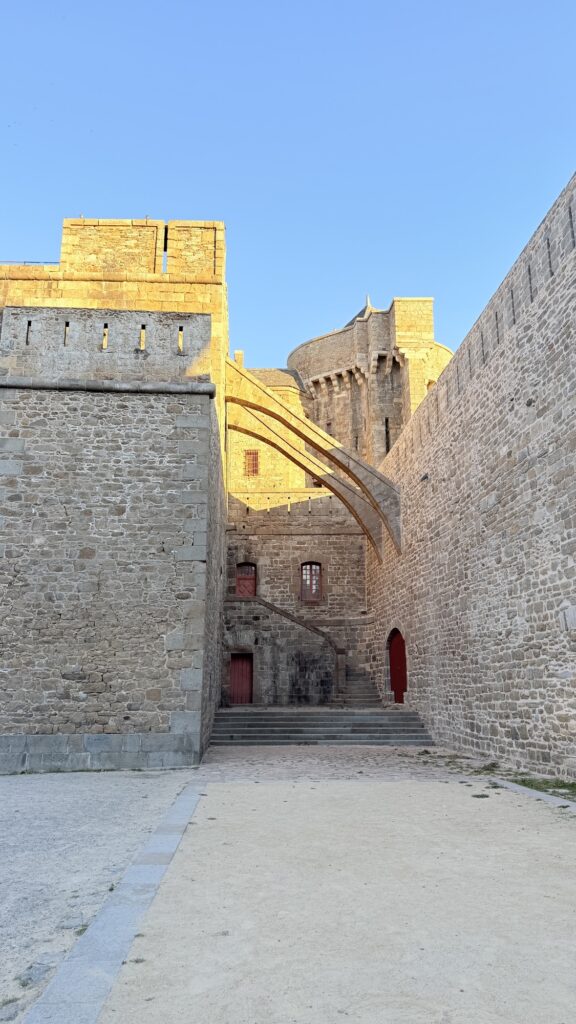
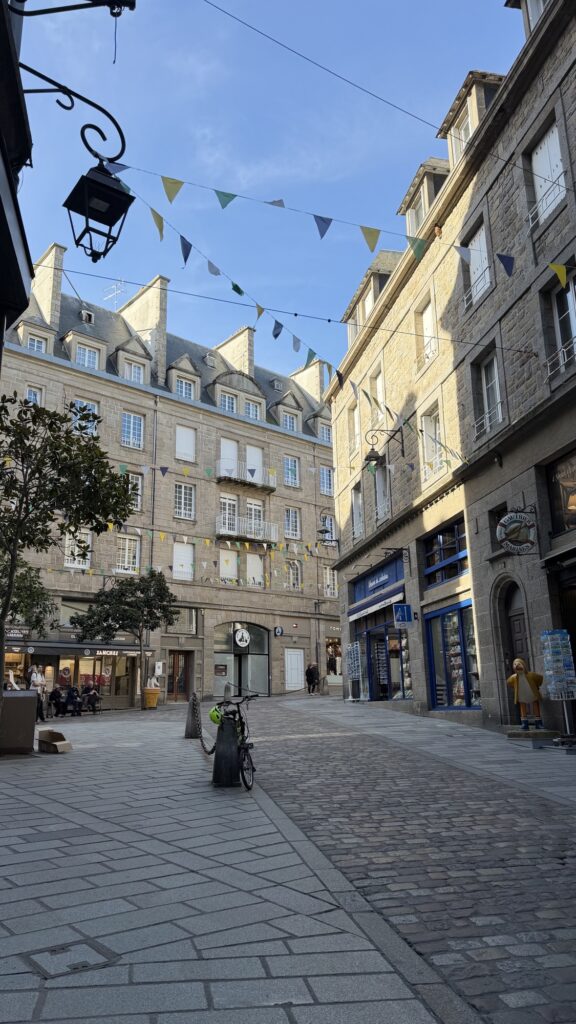
The first visit is Saint-Malo Intra-Muros, the old town enclosed by its imposing fortifications. Walking along the ramparts means having the harbour, beaches, islands and Atlantic horizon all in front of you at the same time. It is also the best way to understand the history of this city, so closely connected to privateers and the sea.
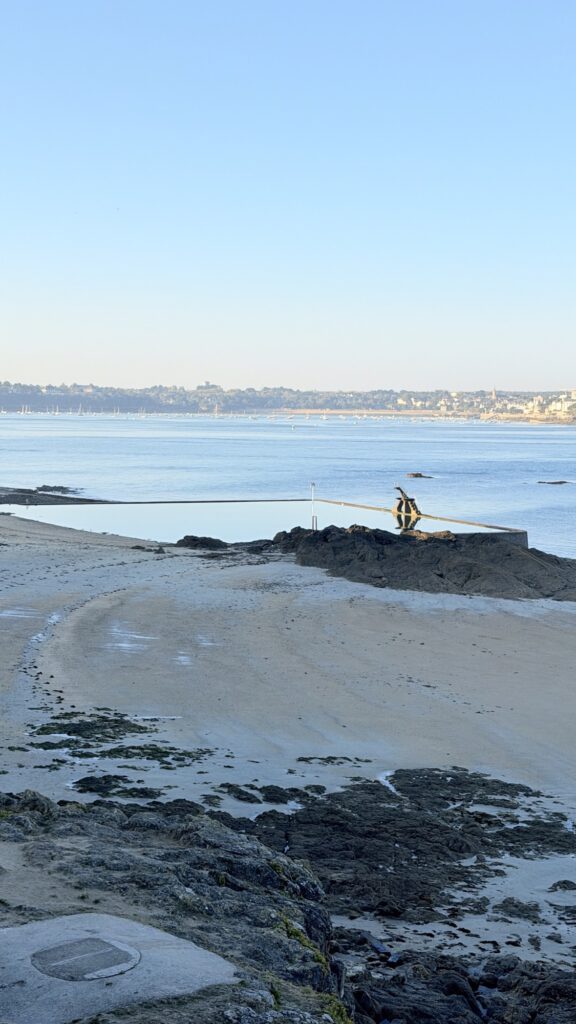
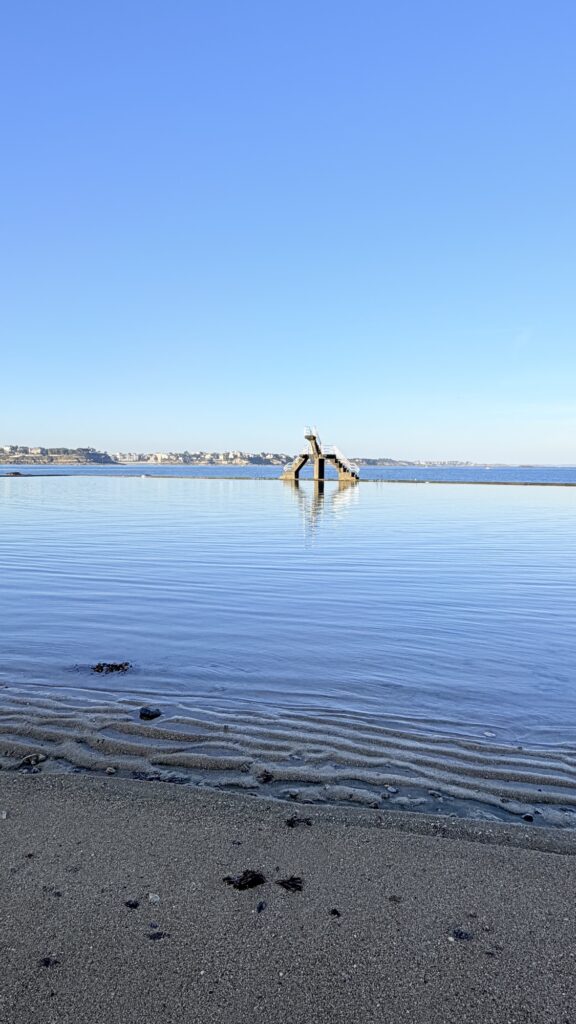
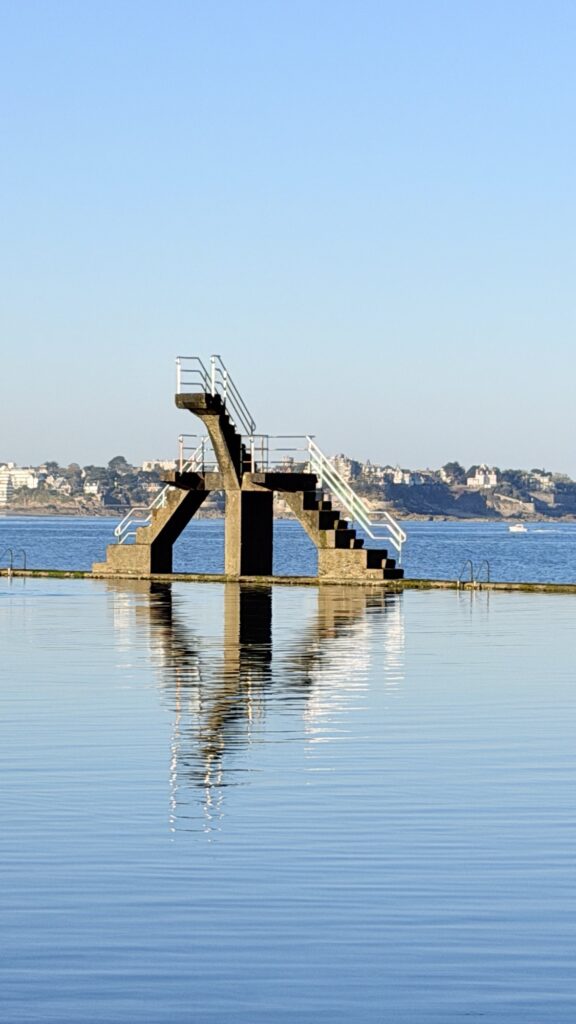
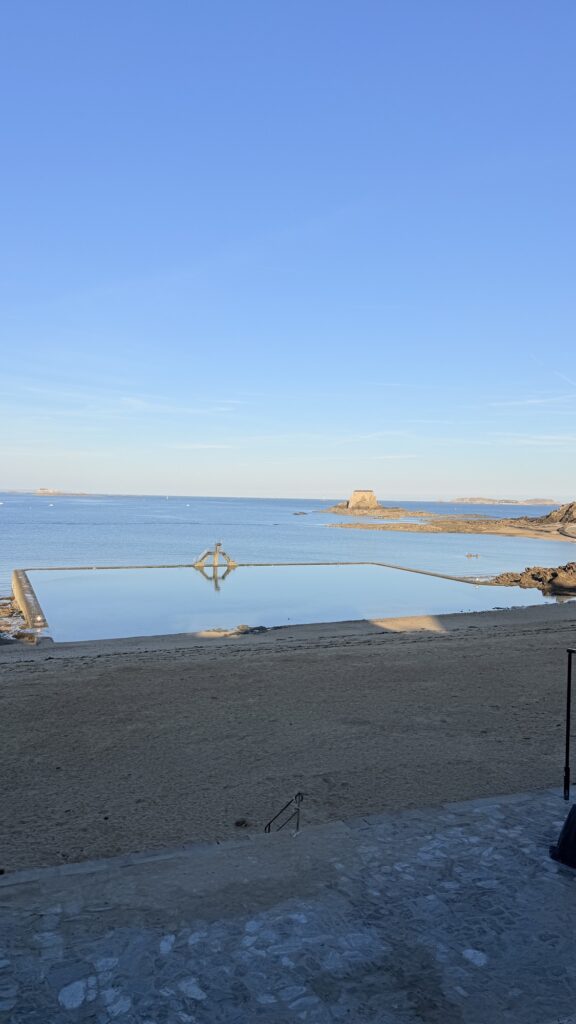
One of the places that stayed with me most in Saint-Malo is the Piscine de Bon-Secours. Coming from the old town and walking down towards the beach, you find yourself in front of a large rectangular seawater pool built directly on the shoreline, with a long diving board extending out over the water.
At first glance, it looks like an ordinary swimming pool, but there is something special about it: it is filled with seawater and was designed to coexist with the tides, one of the defining elements of Saint-Malo’s landscape. The pool was built in the 1930s with the idea of allowing bathers to continue swimming even when the tide went out. The water is naturally renewed by the sea during high tide.
The diving board, however, is what makes this corner immediately recognisable. Rising above the water, with the walls of Saint-Malo behind it, it has become one of the most iconic images of Bon-Secours Beach.
And here I realised something that I would encounter throughout the entire trip: in Brittany, the sea is not simply a backdrop to the landscape; it constantly changes it. The same beach can look completely different depending on the time of day, islands can become accessible or inaccessible, and even a swimming pool can be designed around the rhythm of the tides.
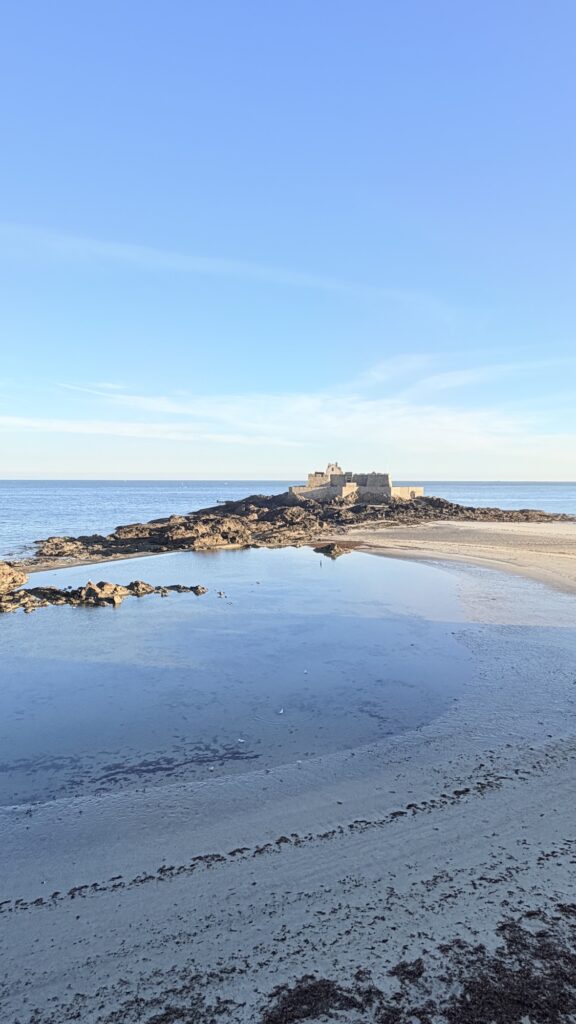
From the beach, the view stretches towards Grand Bé and Petit Bé, while behind you are the walls of the corsair city. It is one of those places where it is worth stopping for a few extra minutes, even without a particular reason.
And perhaps this is precisely what makes Saint-Malo so fascinating: it is not simply a city to visit, but a city to observe through its relationship with the sea.
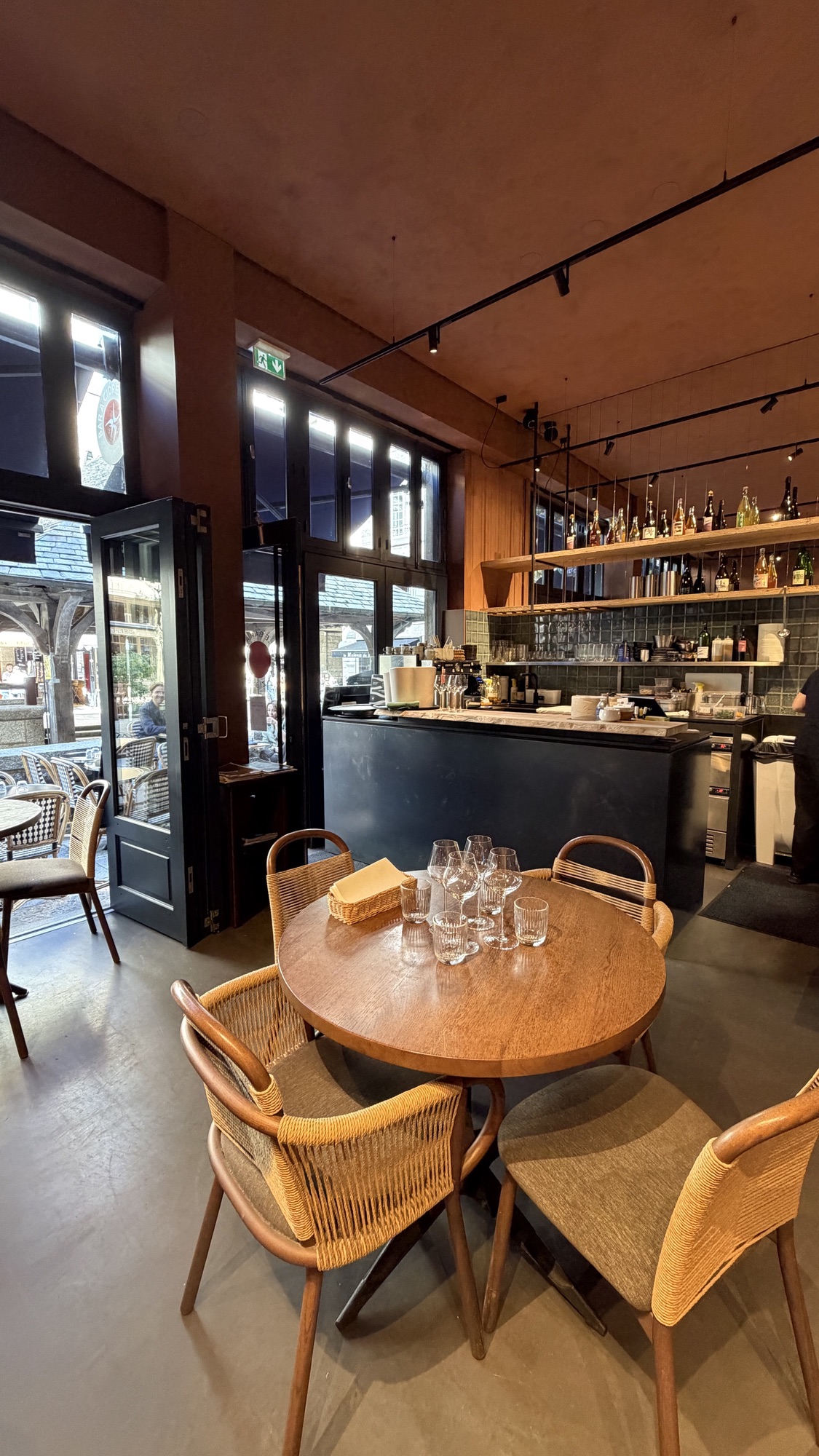
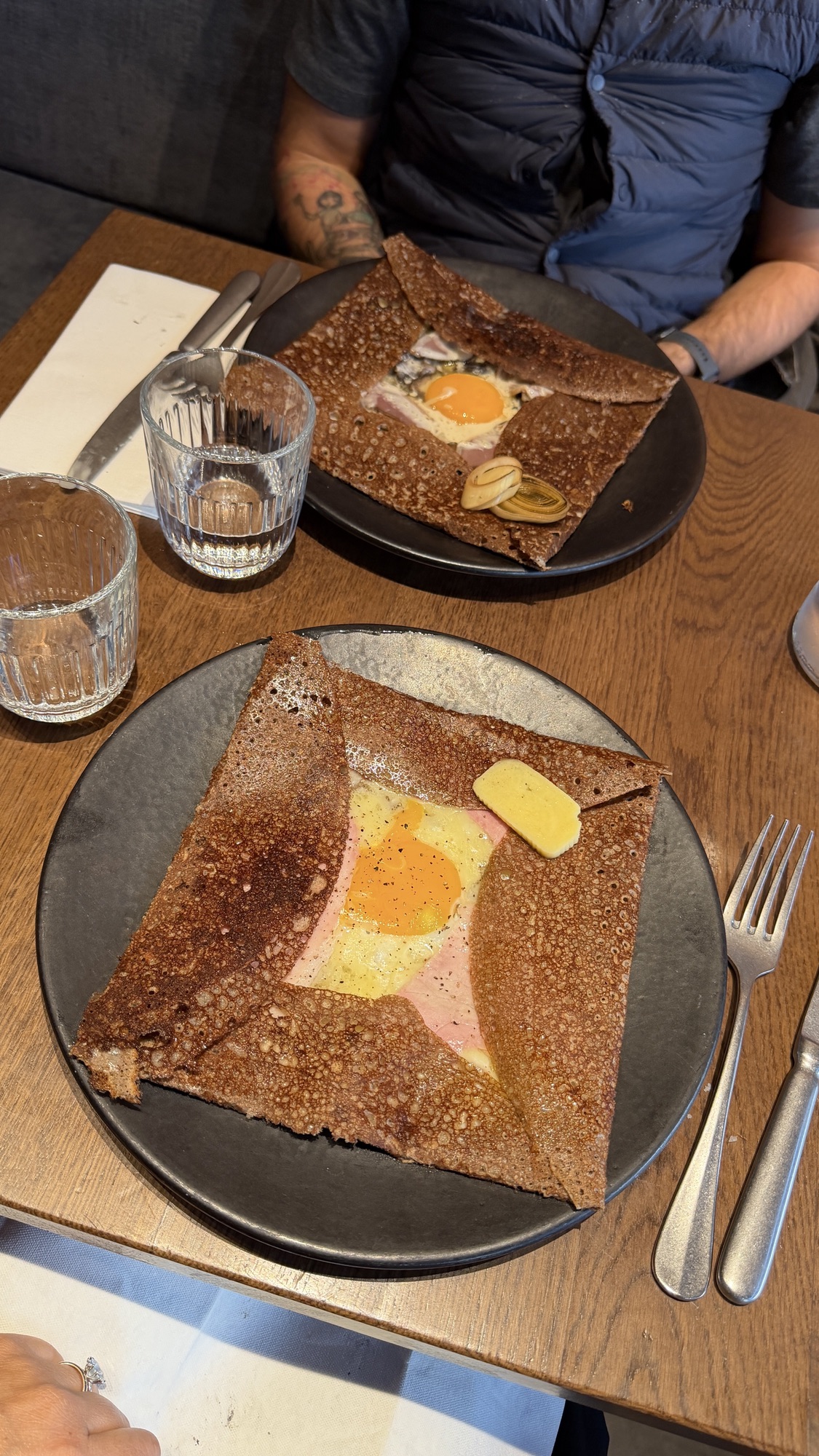
For lunch, we chose Bar à Cidres / Breizh Café, where we enjoyed oysters and galettes before getting back on the road.
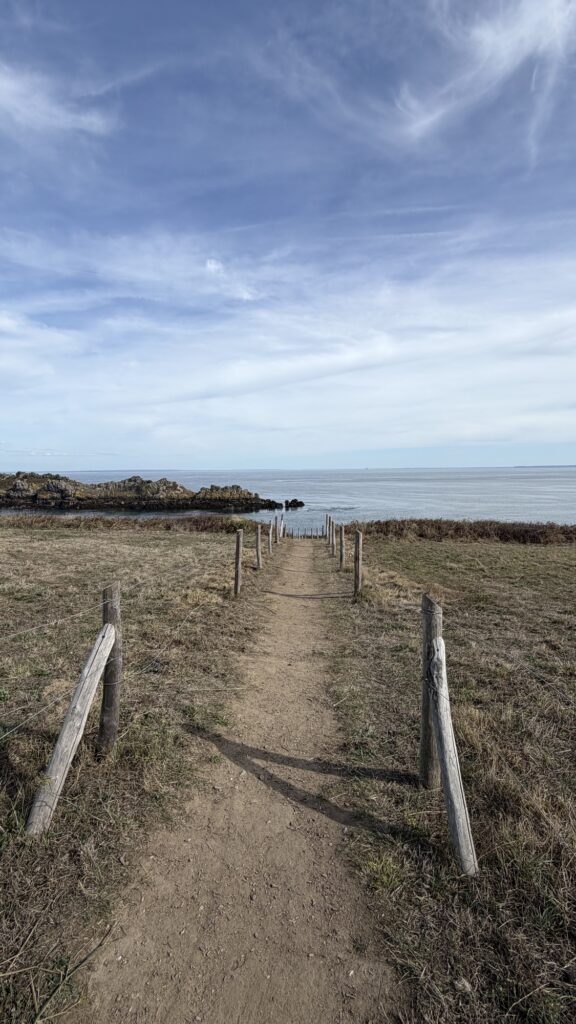
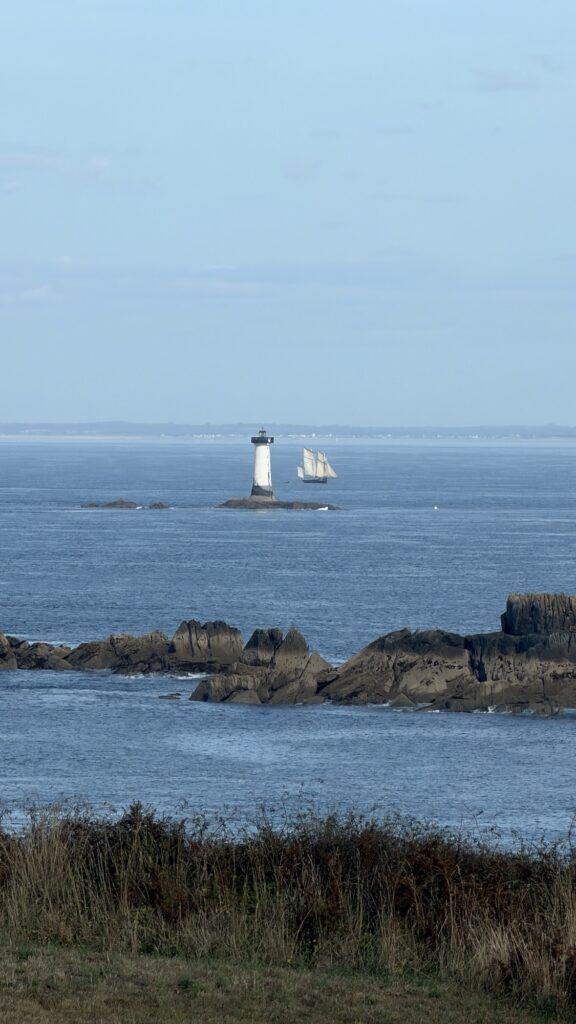
The next stop is Pointe du Grouin, one of the most spectacular viewpoints along this stretch of coast. The rocky headland, overlooking the Bay of Mont-Saint-Michel, lies between Saint-Malo and Cancale and offers a vast, open view of the sea.
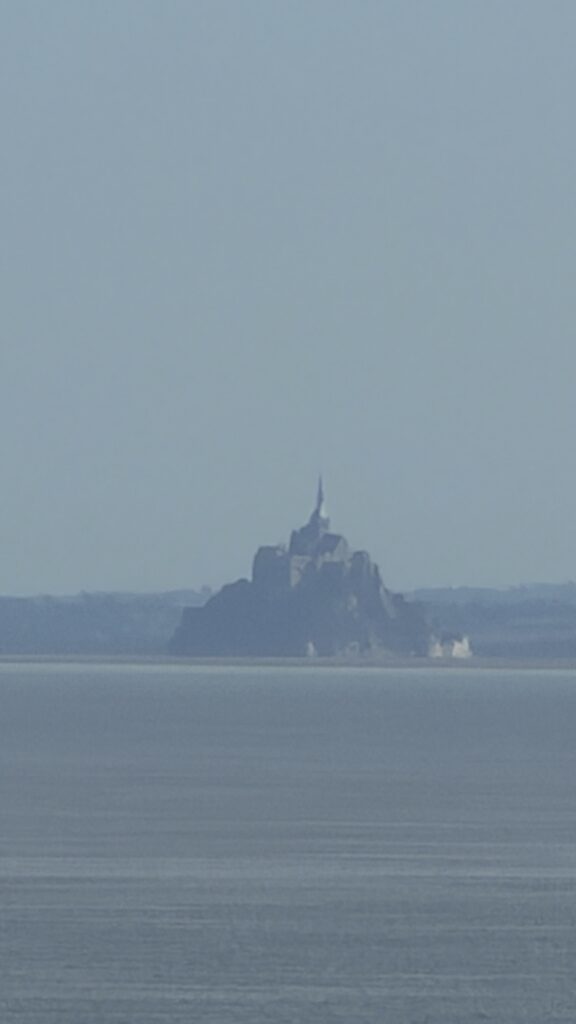
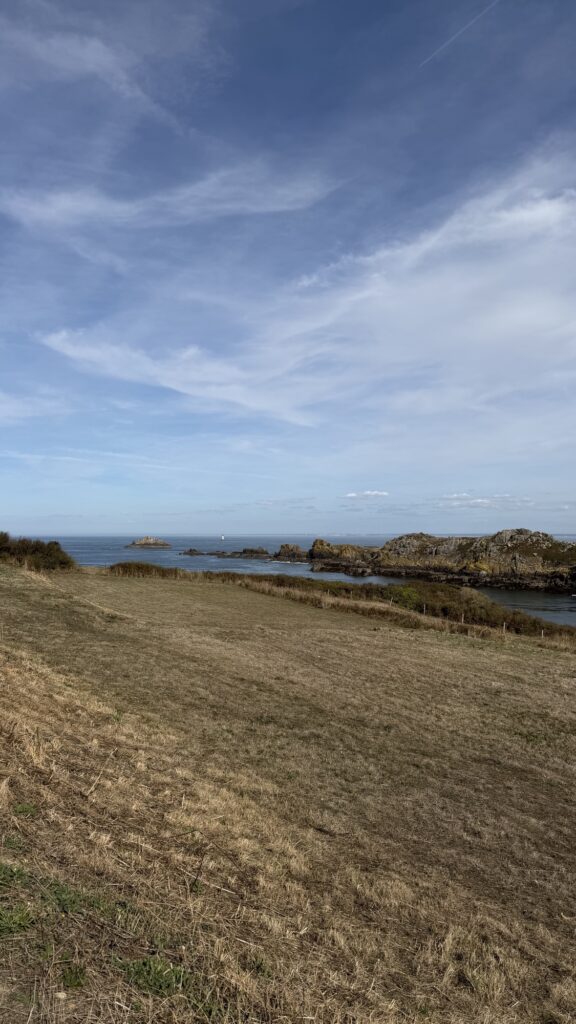
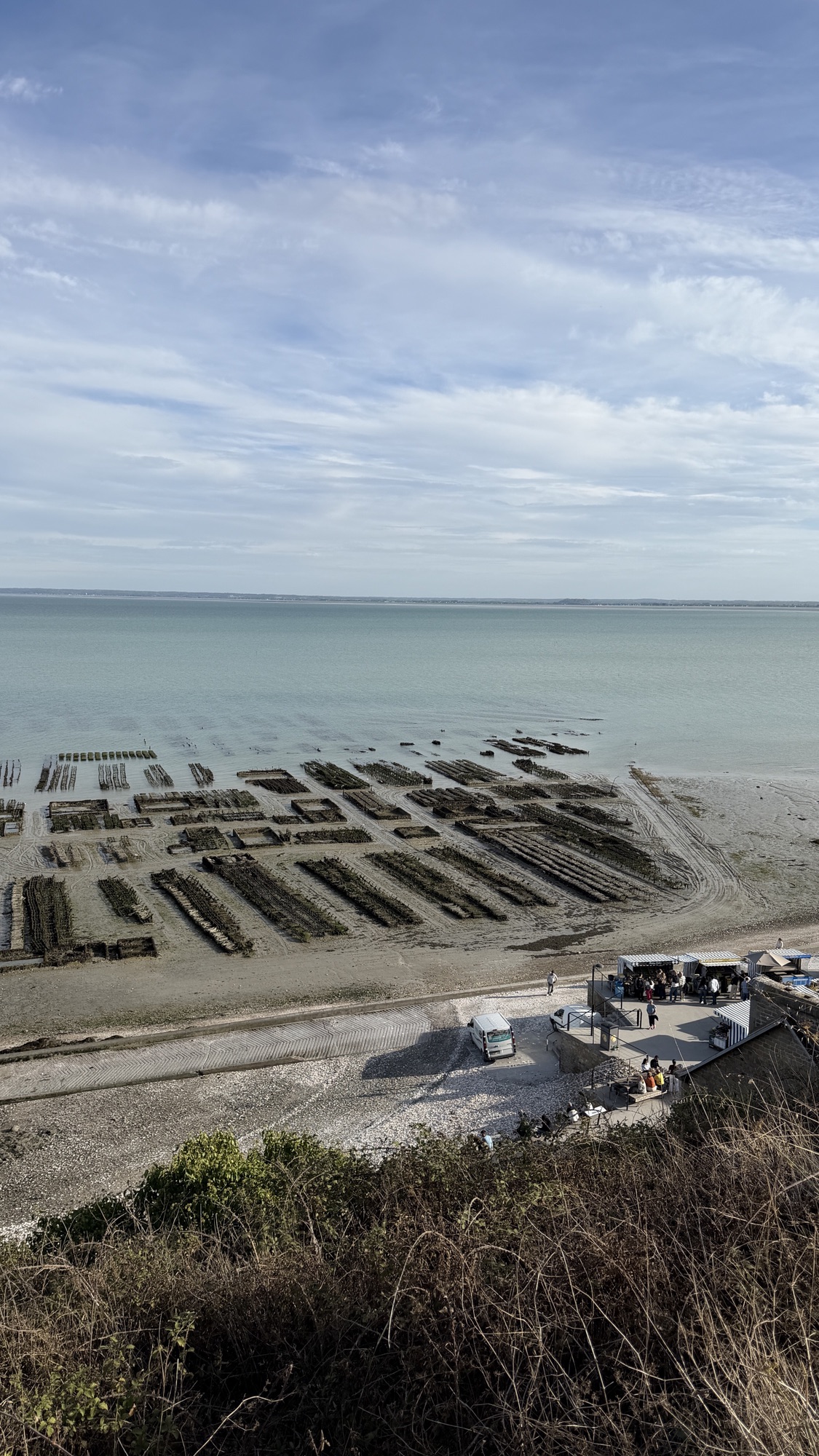
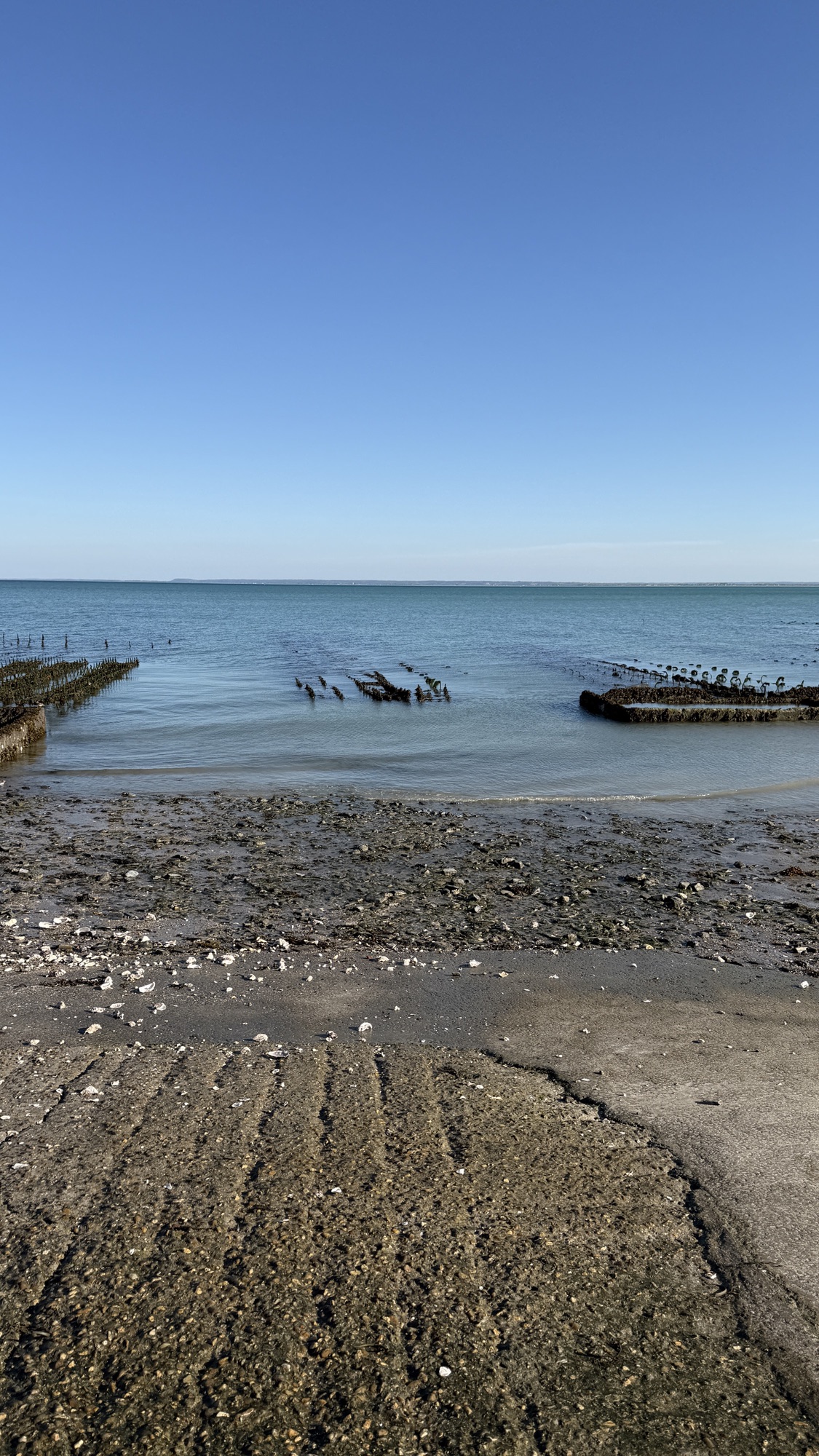
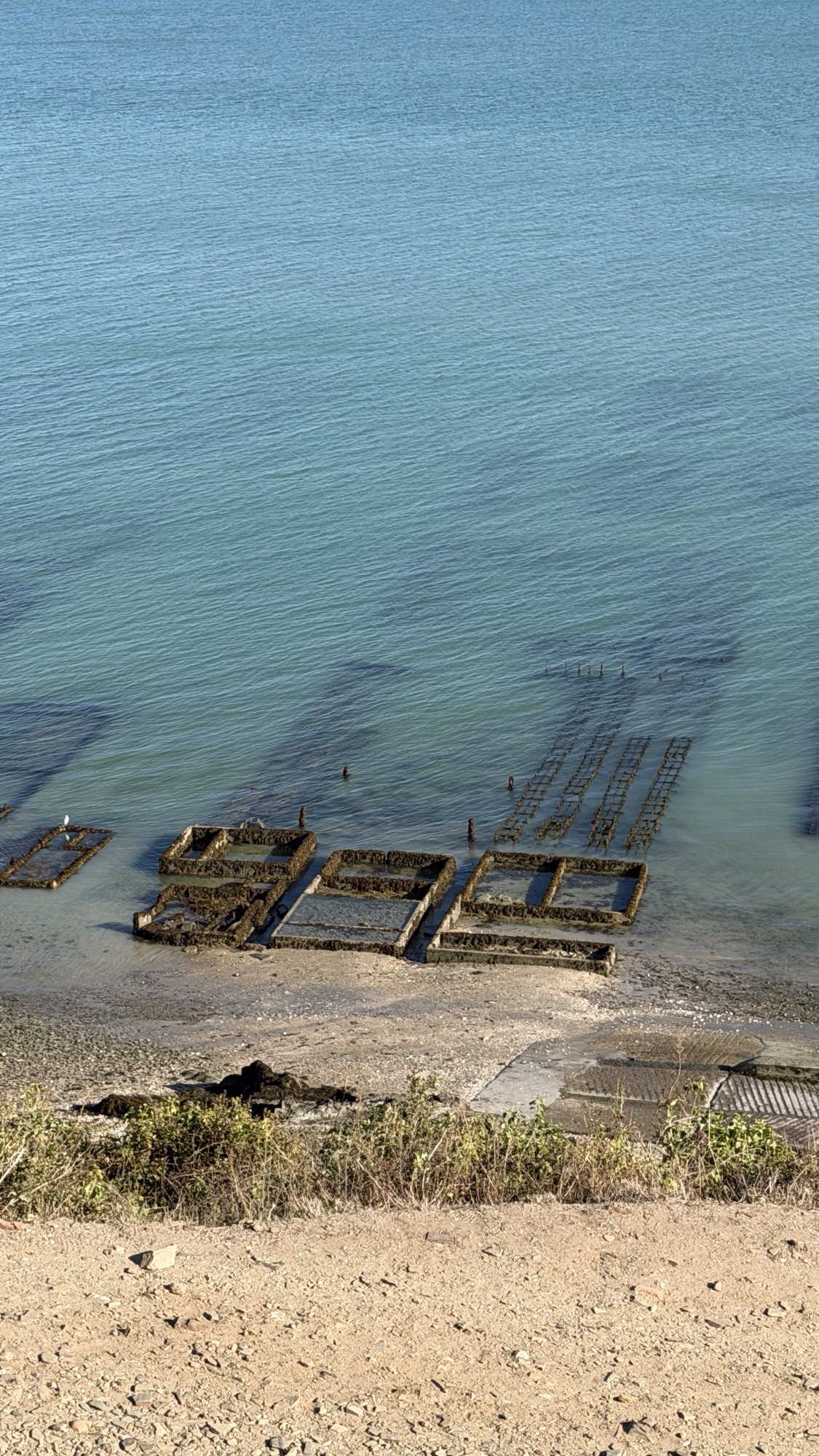
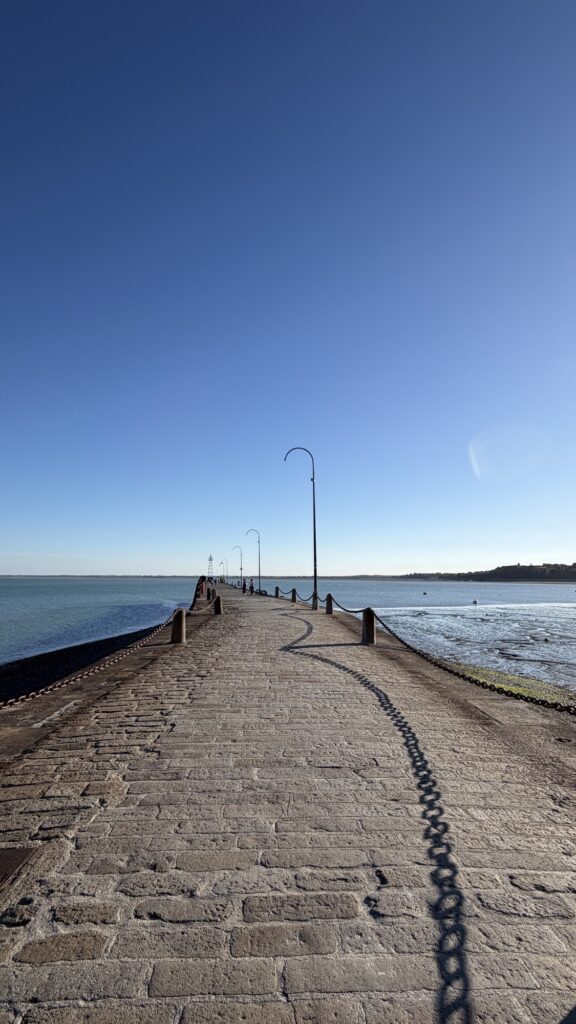
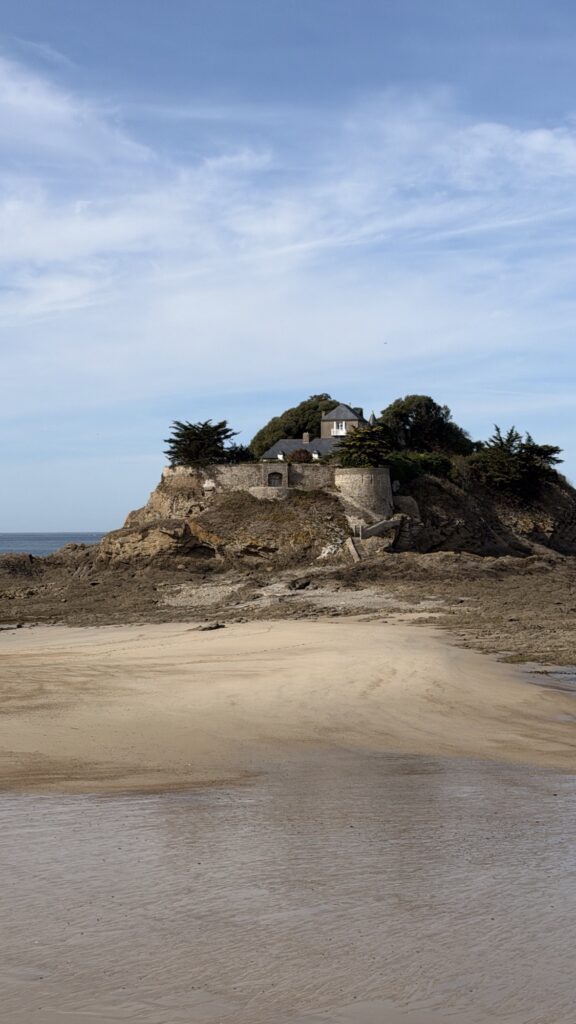
From here, we continue to Cancale, the small harbour town particularly famous for its oysters. A walk along the harbour of La Houle is the best way to get into the atmosphere of the town and begin to understand just how much the sea is part of its identity.
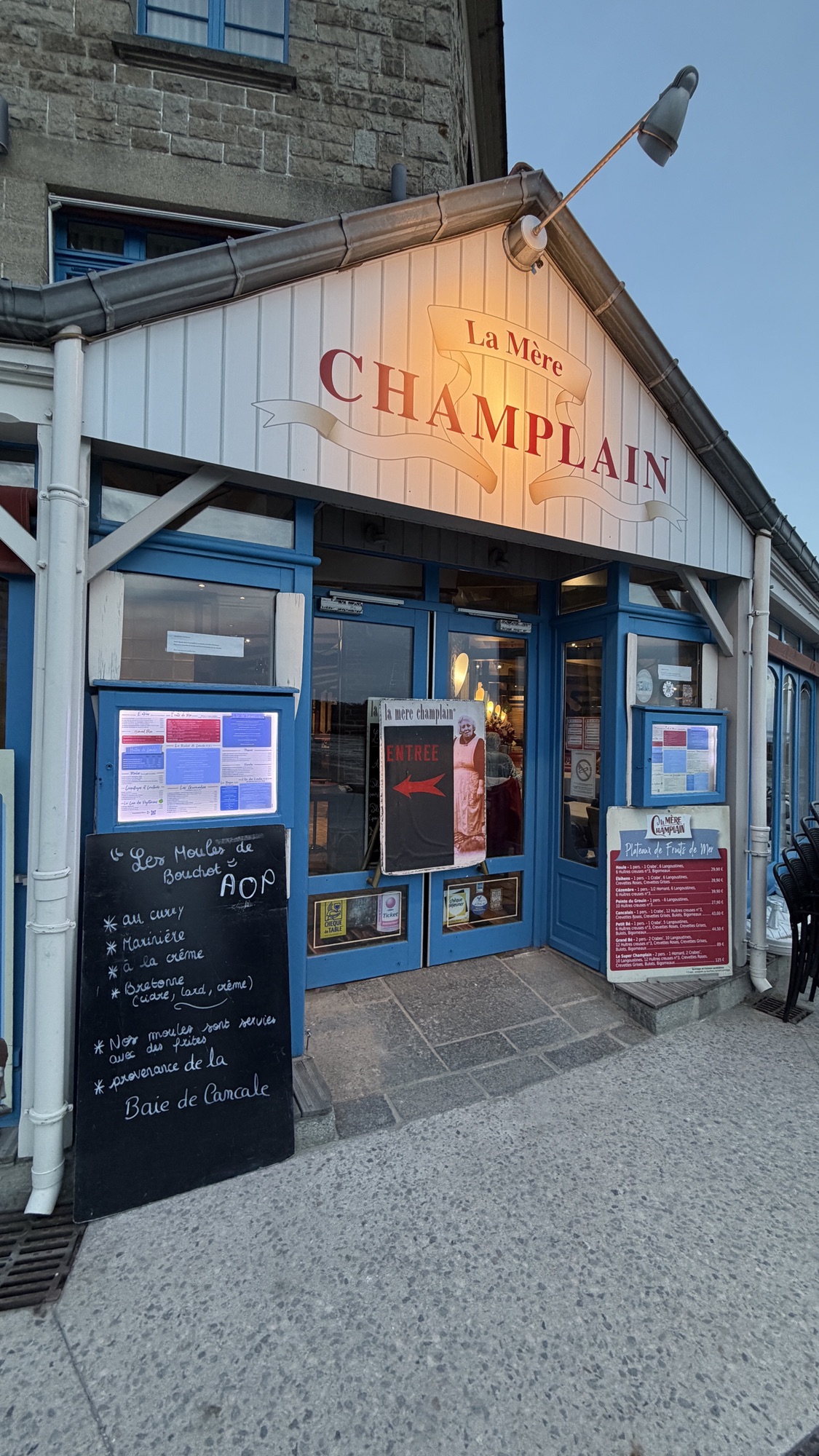
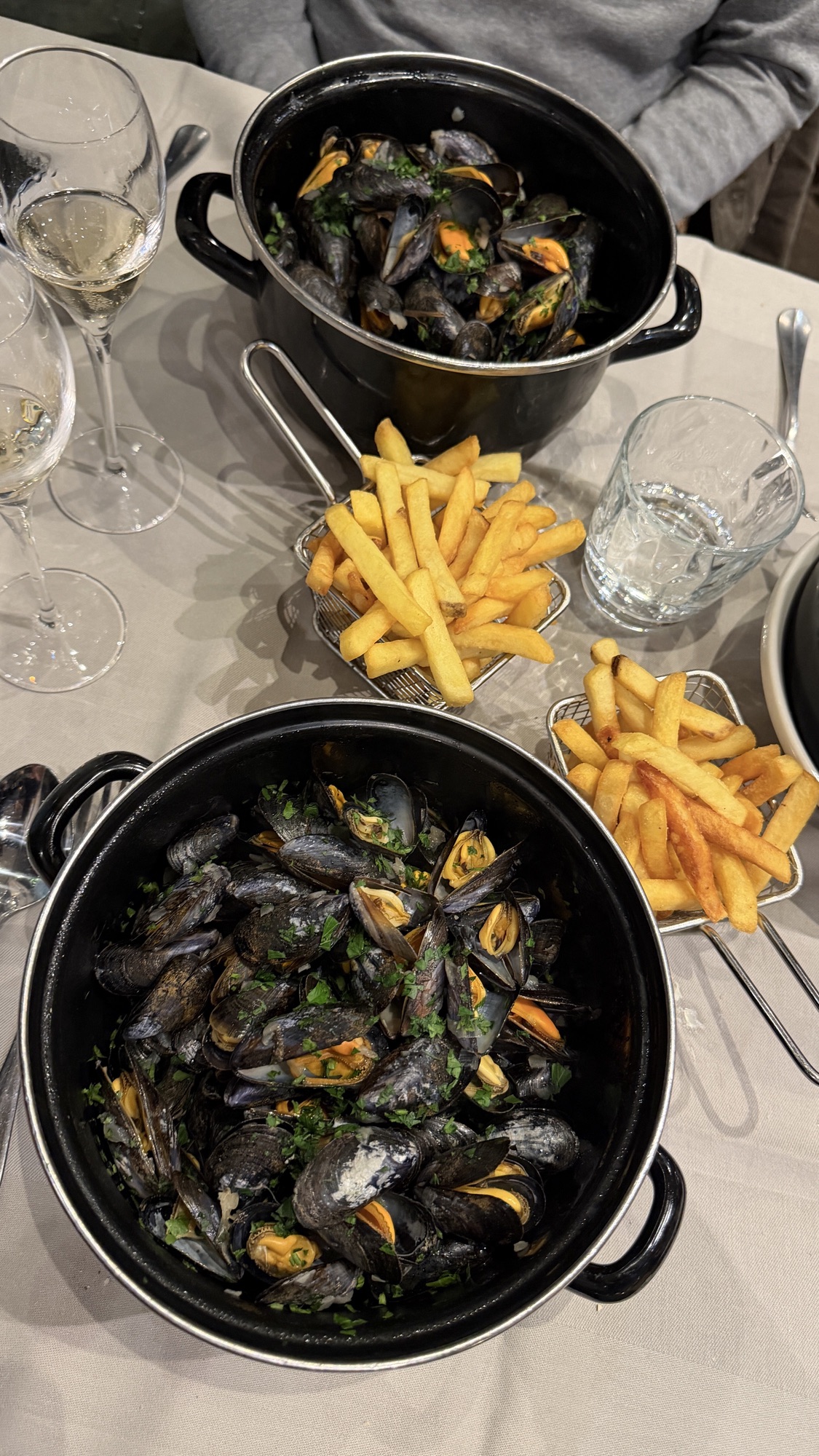
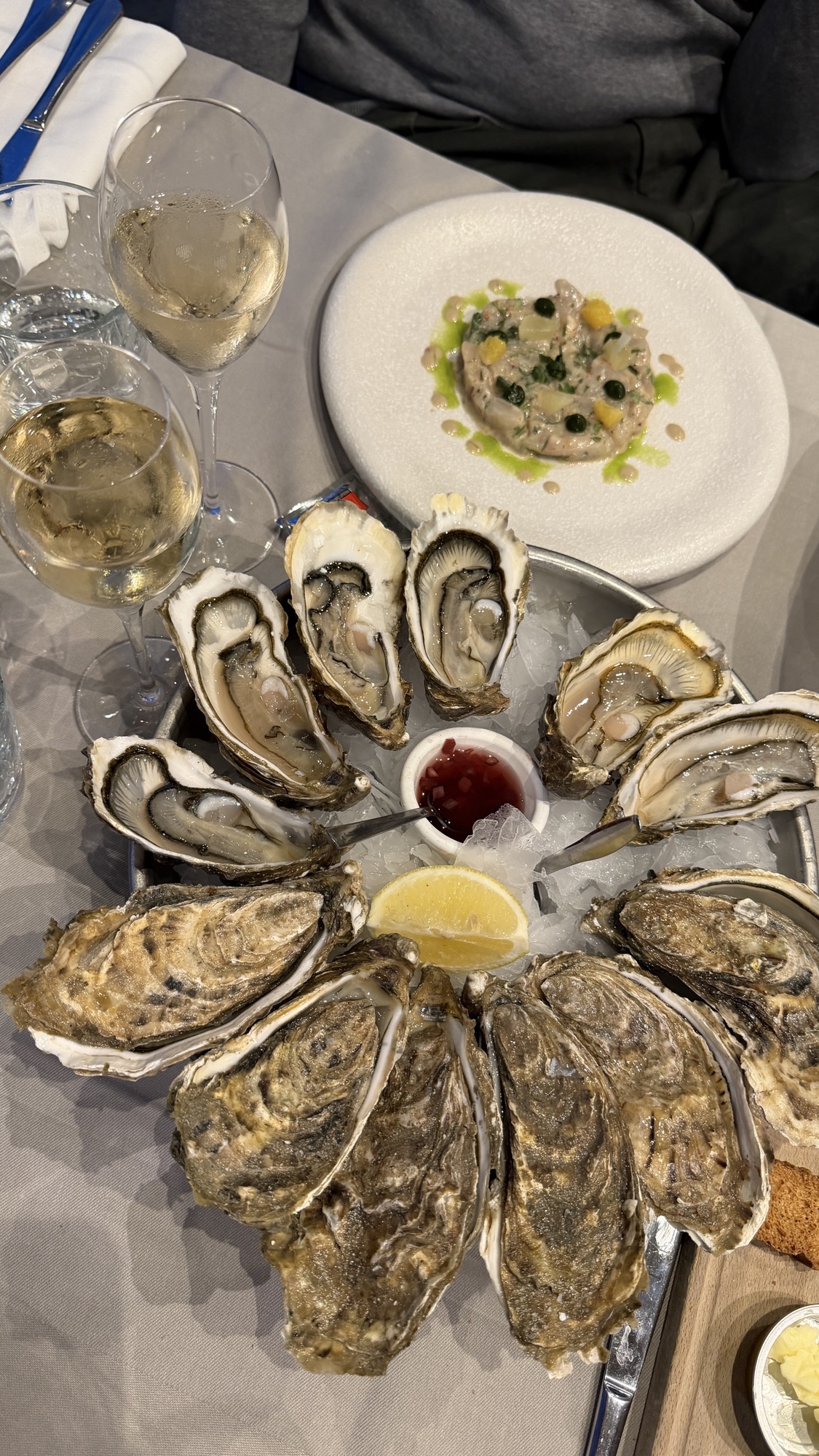
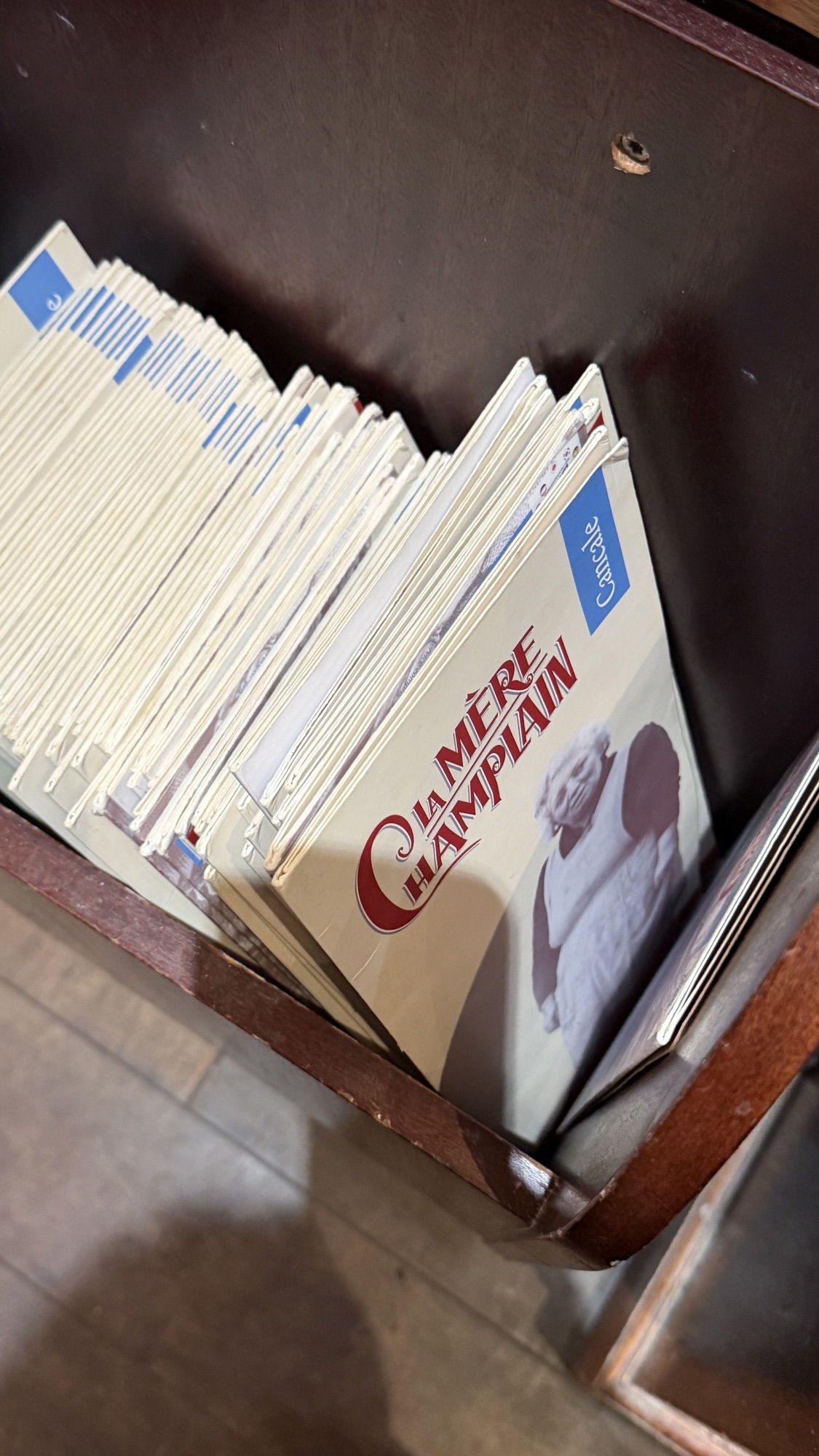
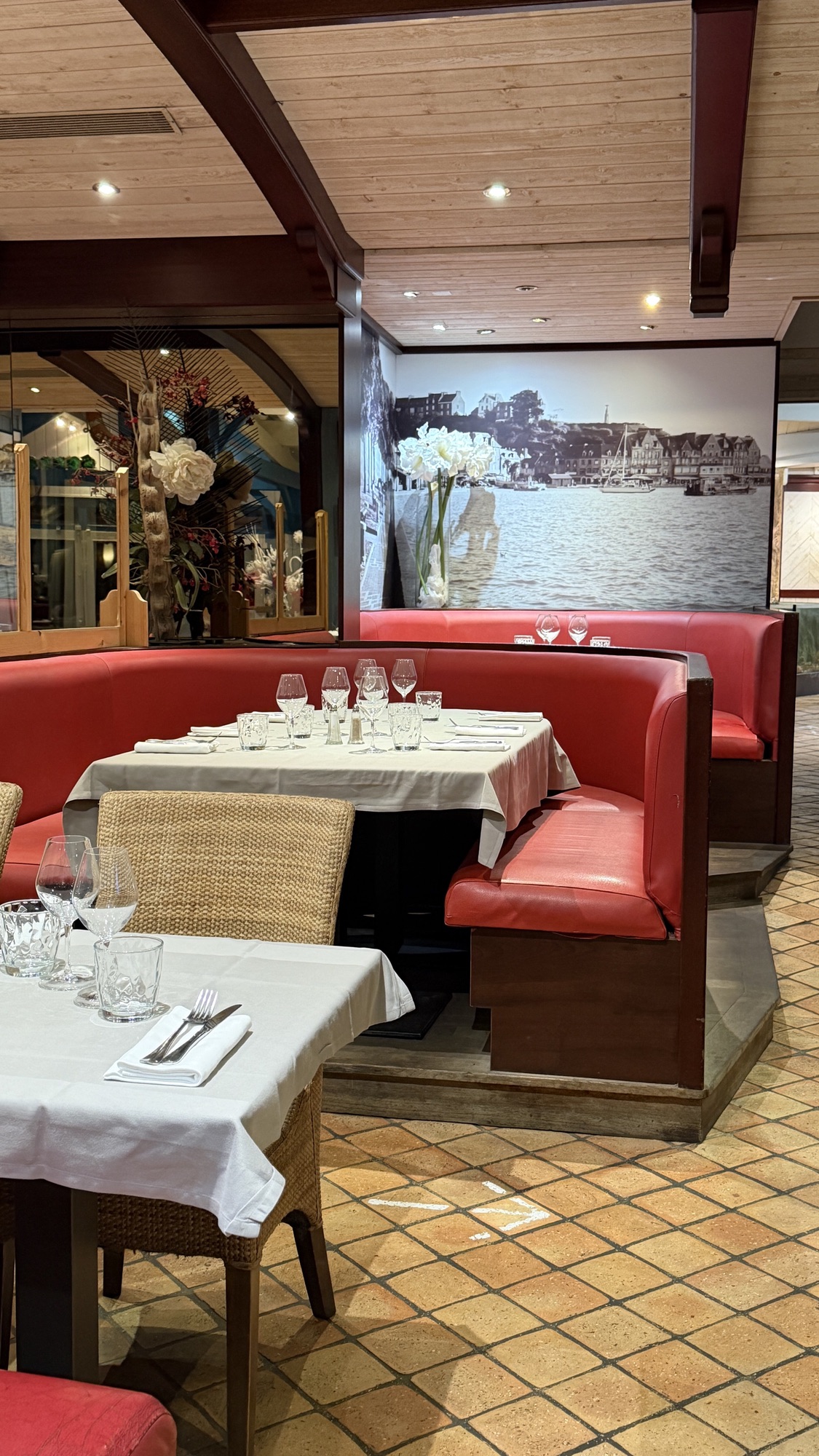
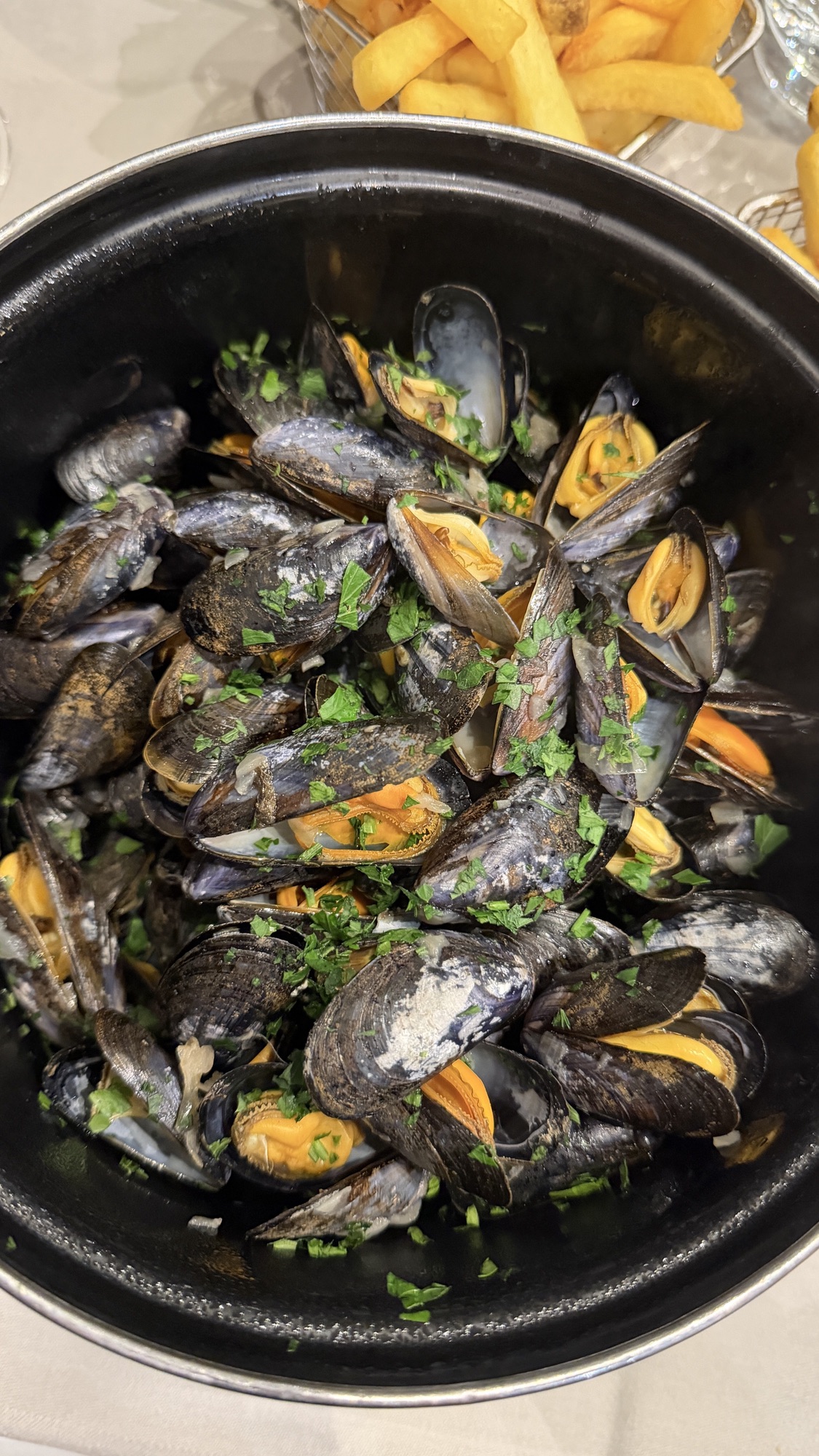
The first dinner of the trip is at La Mère Champlain, where the sea once again takes centre stage with ceviche, moules marinières and oysters.
.
DAY 2 — Mont-Saint-Michel, Dol-de-Bretagne and Cancale
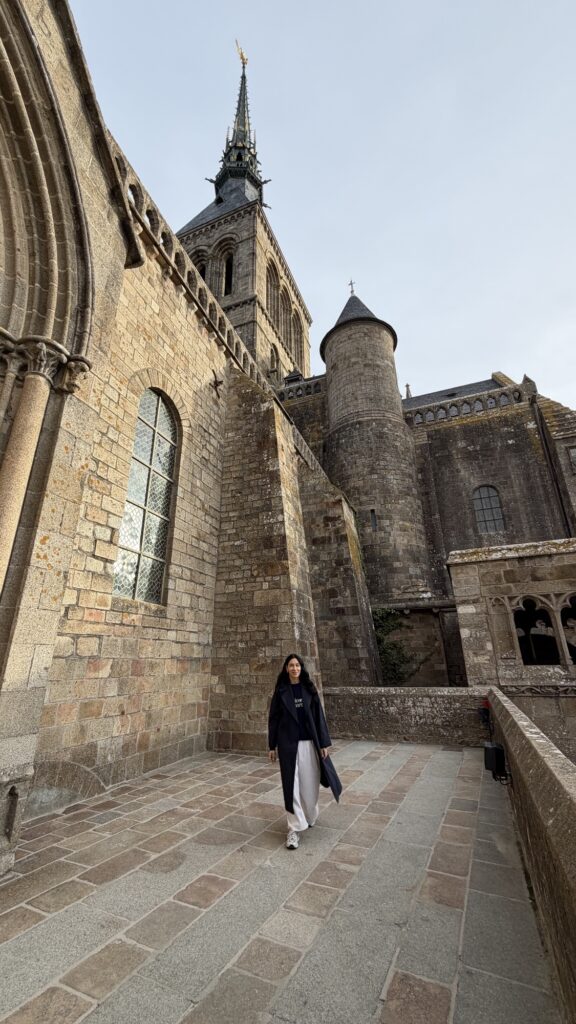
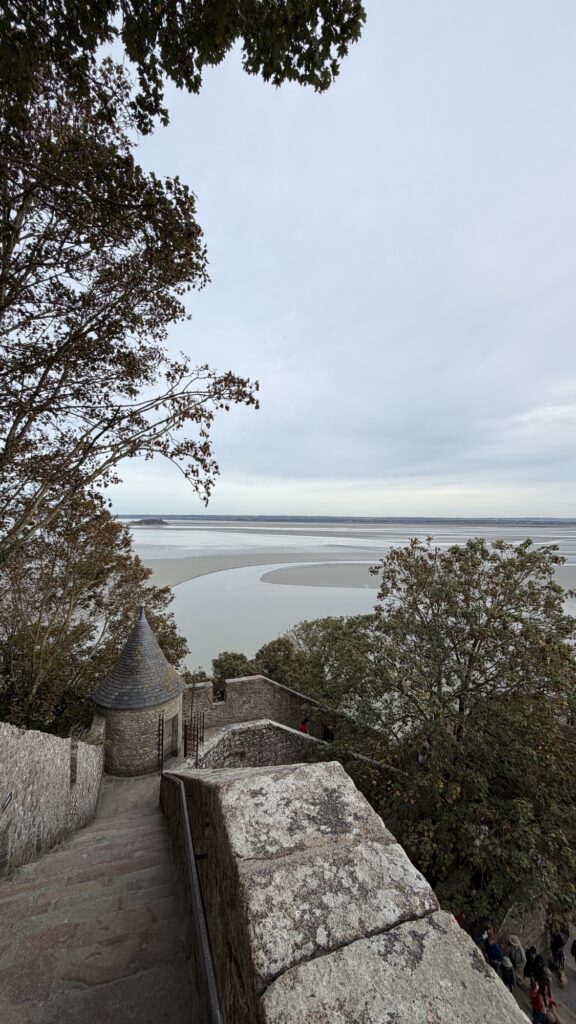
The second day is dedicated to Mont-Saint-Michel, one of the most recognisable landmarks in France.
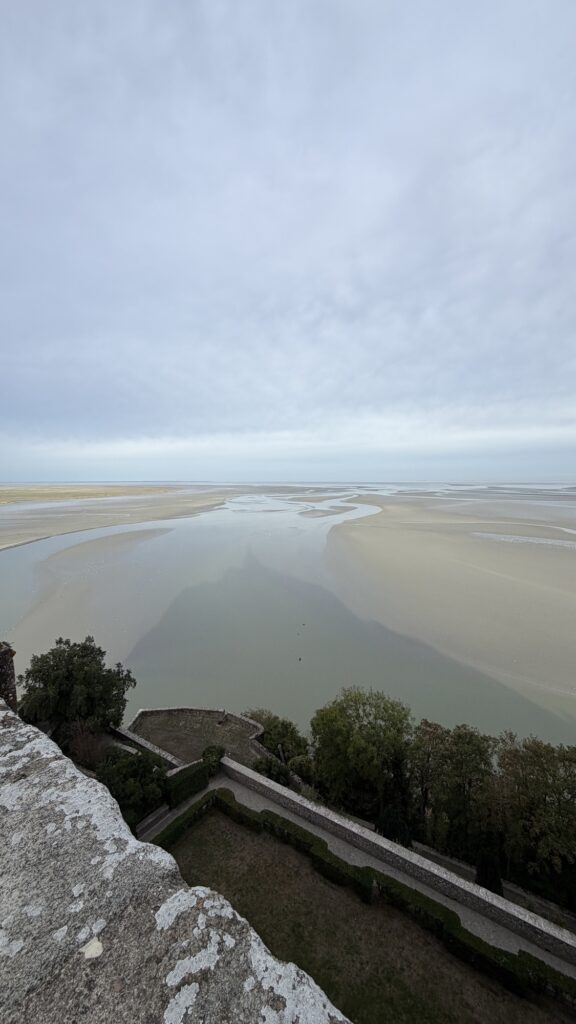
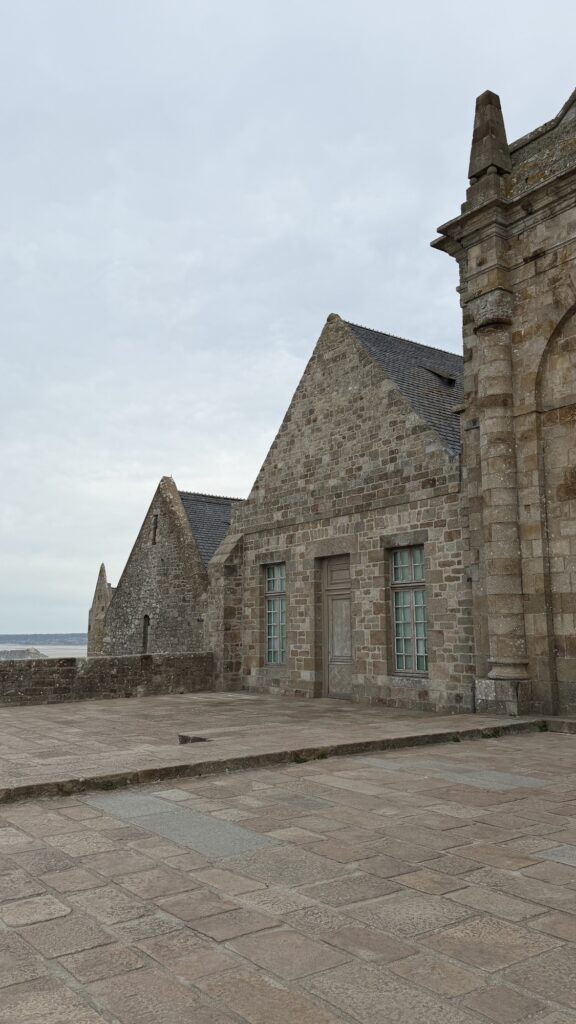
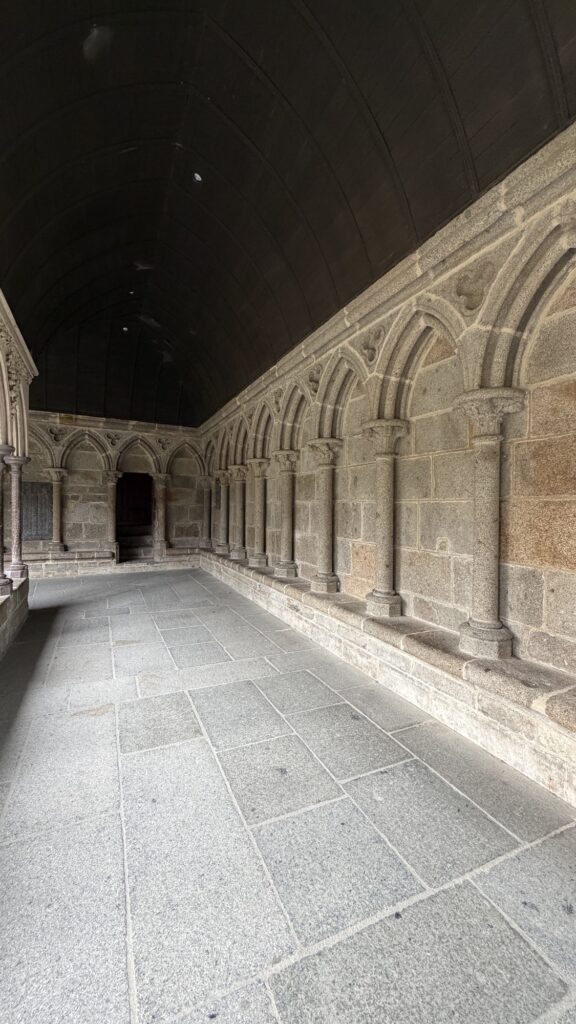
The abbey dominates the small village, and its relationship with the surrounding landscape is inseparable from the tides. Visiting the abbey allows you to go beyond the postcard image and discover a complex shaped over centuries, with Romanesque and Gothic spaces and a history that has seen Mont-Saint-Michel serve religious and military functions and, for a period, even become a prison.
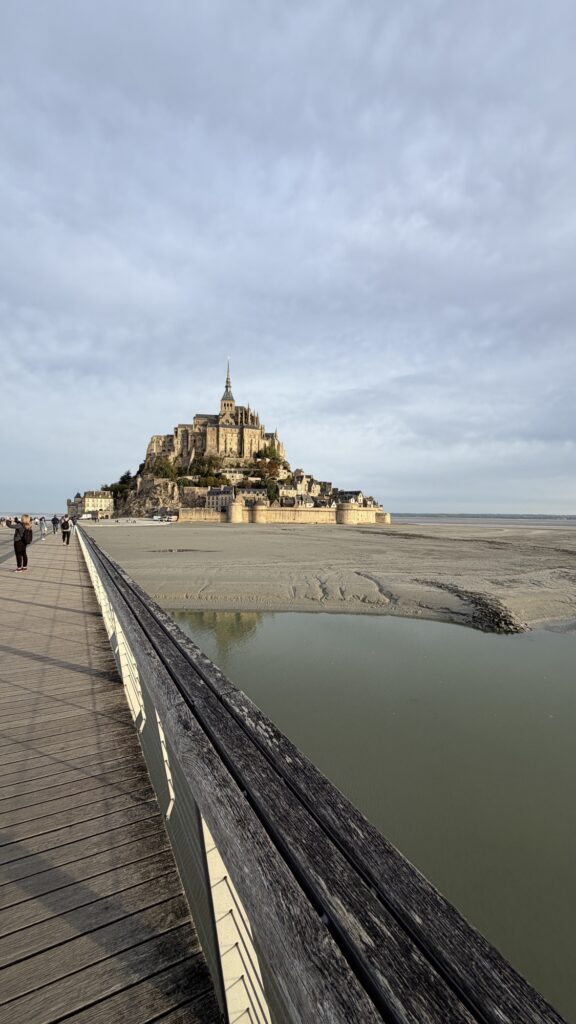
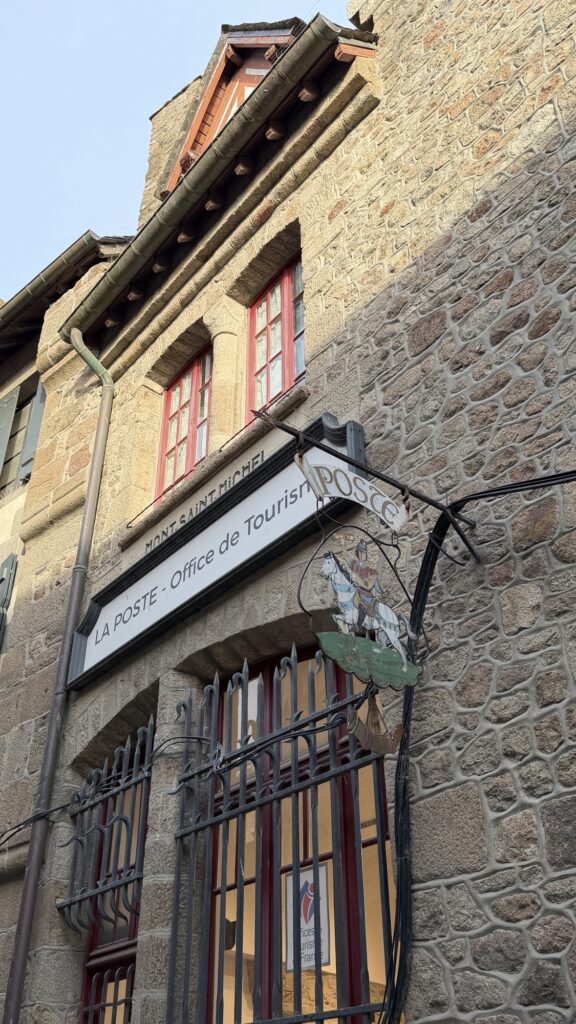
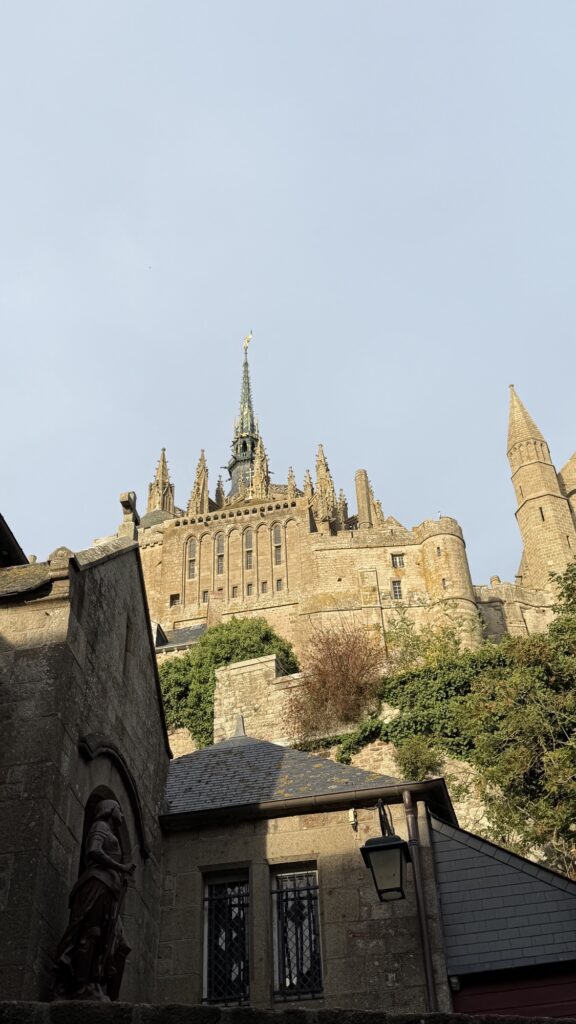
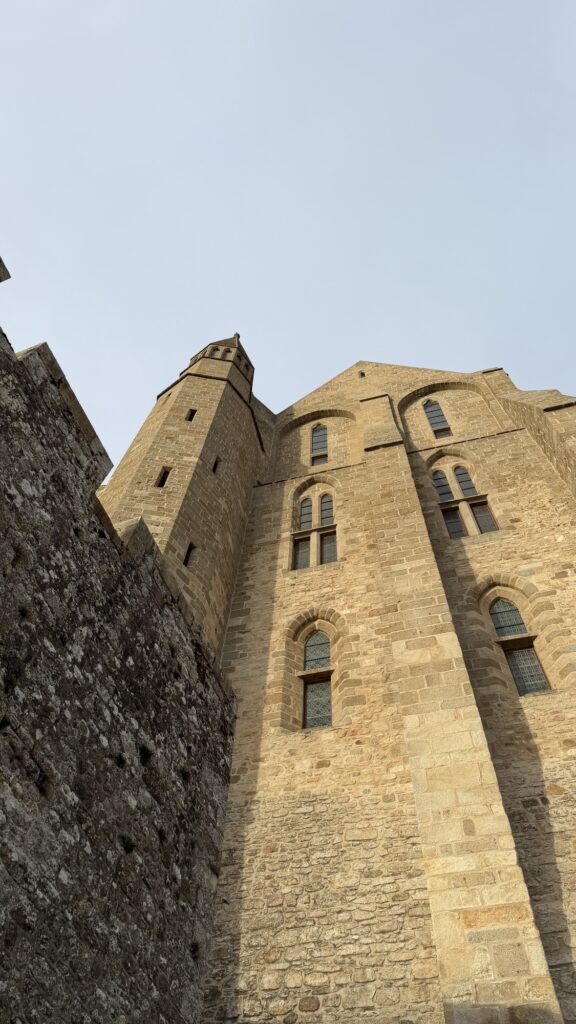
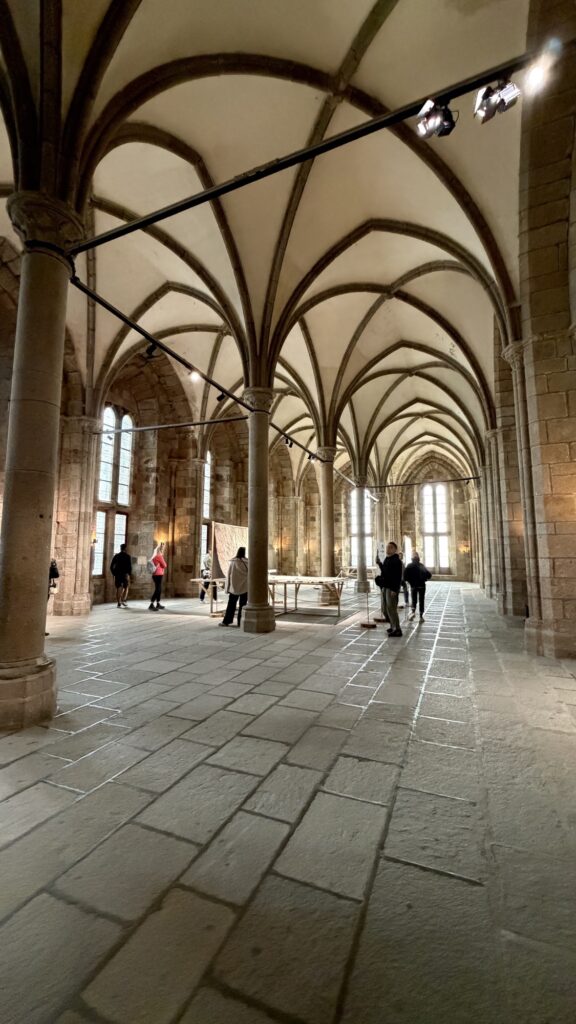
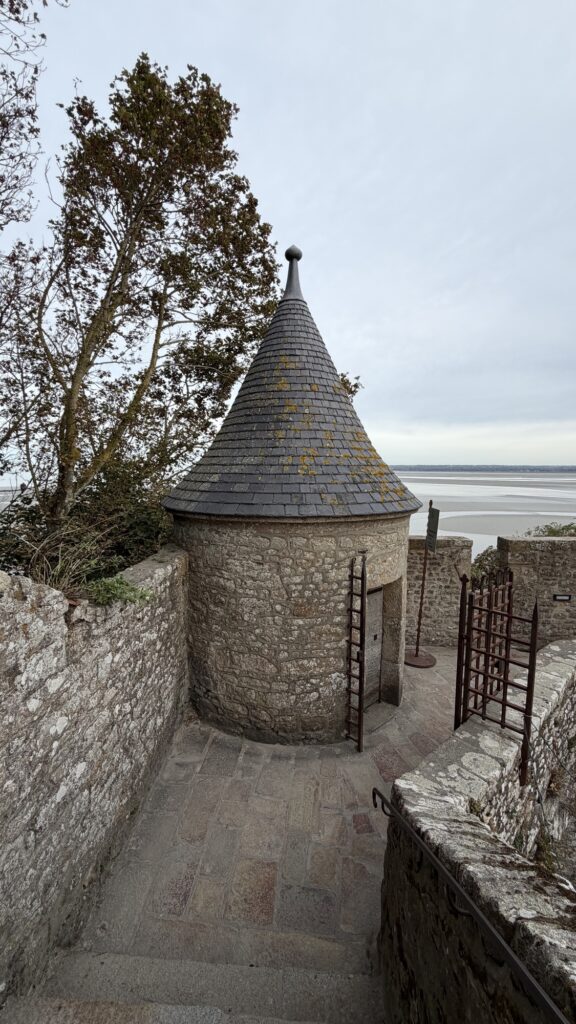
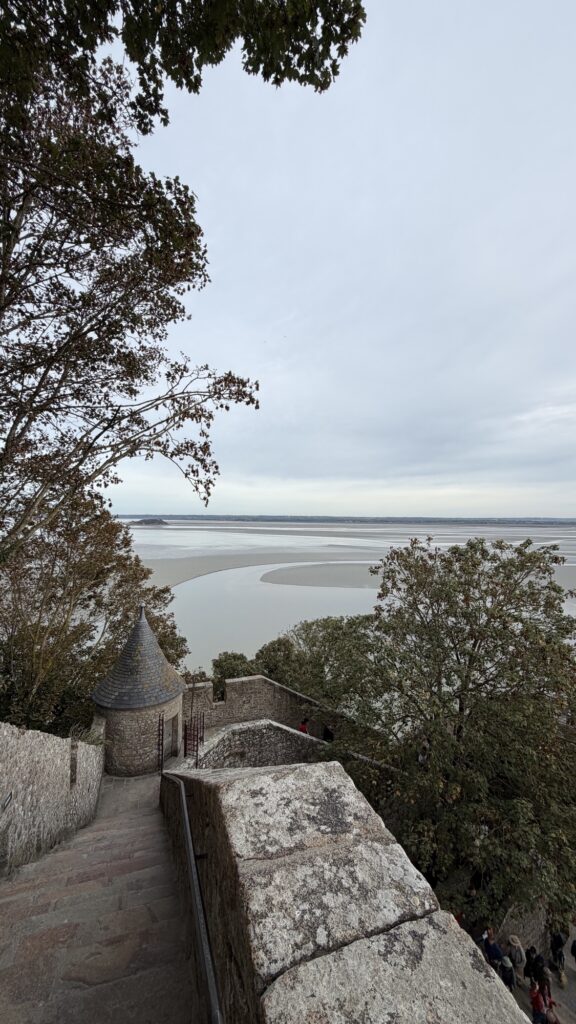
After the visit, we head towards Dol-de-Bretagne, a medieval town that still preserves important traces of its past.
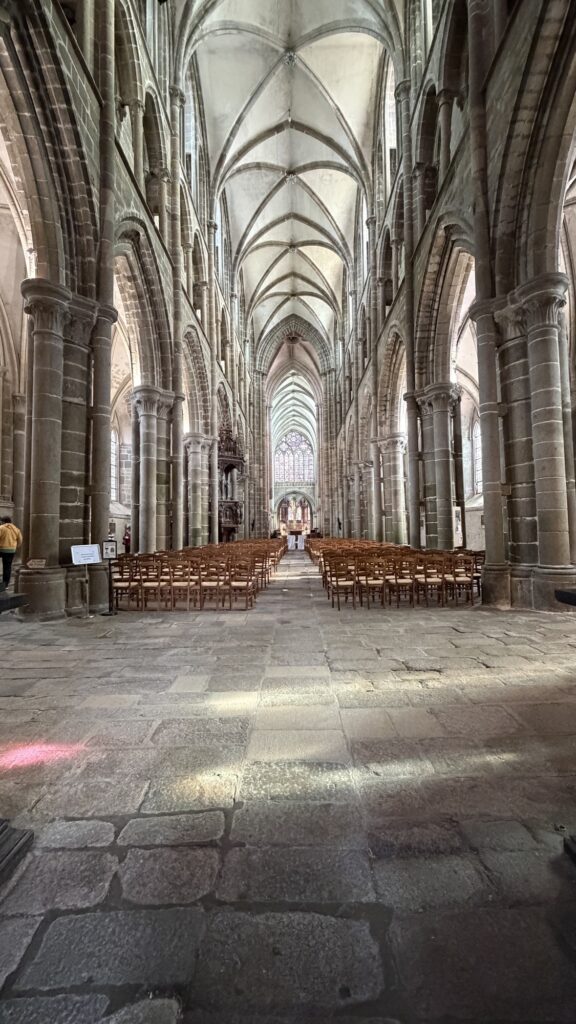
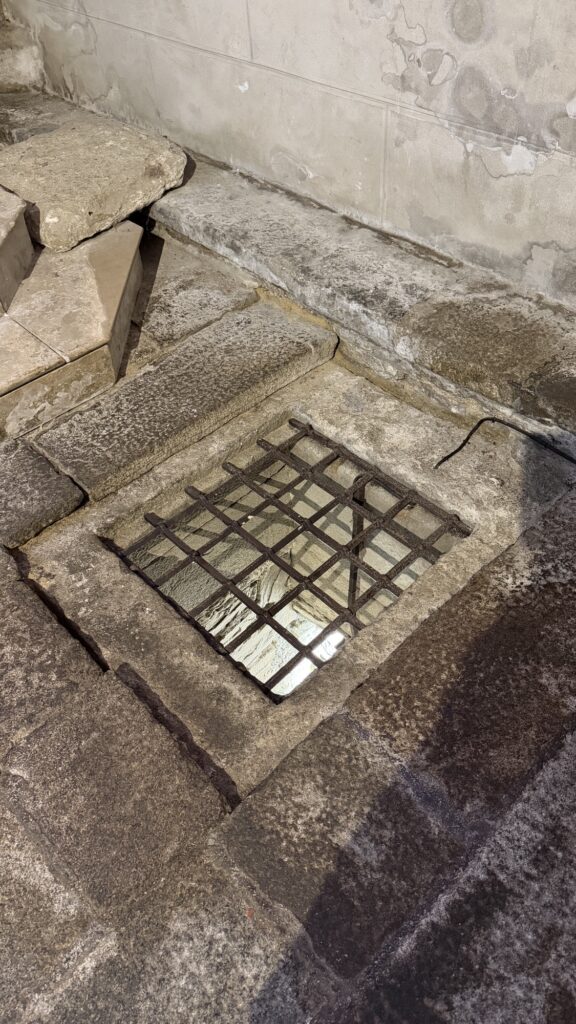
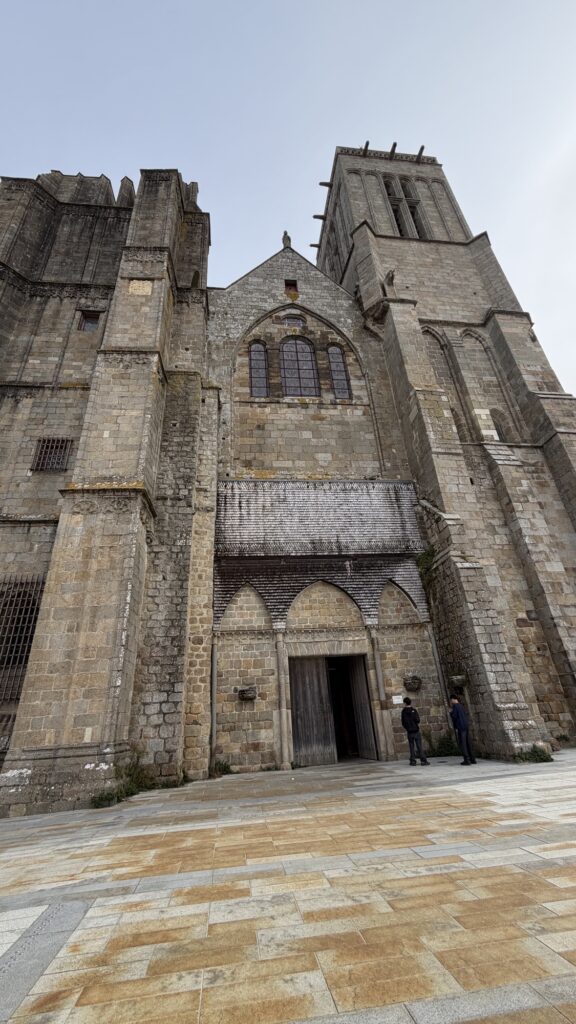
The heart of the visit is Saint-Samson Cathedral, a large Gothic building begun in the 12th century. Among the most curious features we discovered is the double well, a particular structure that also tells the story of everyday medieval life.
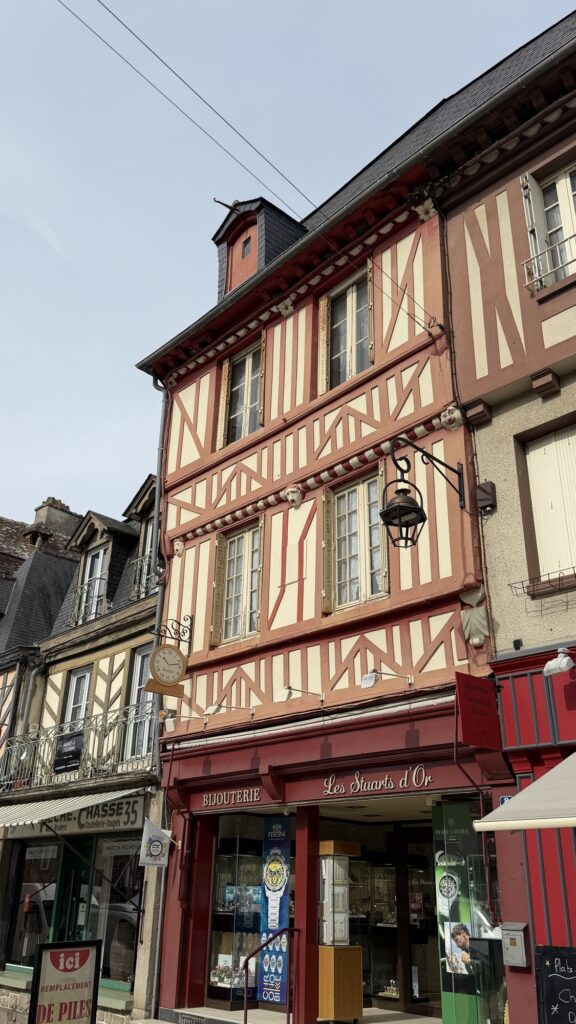
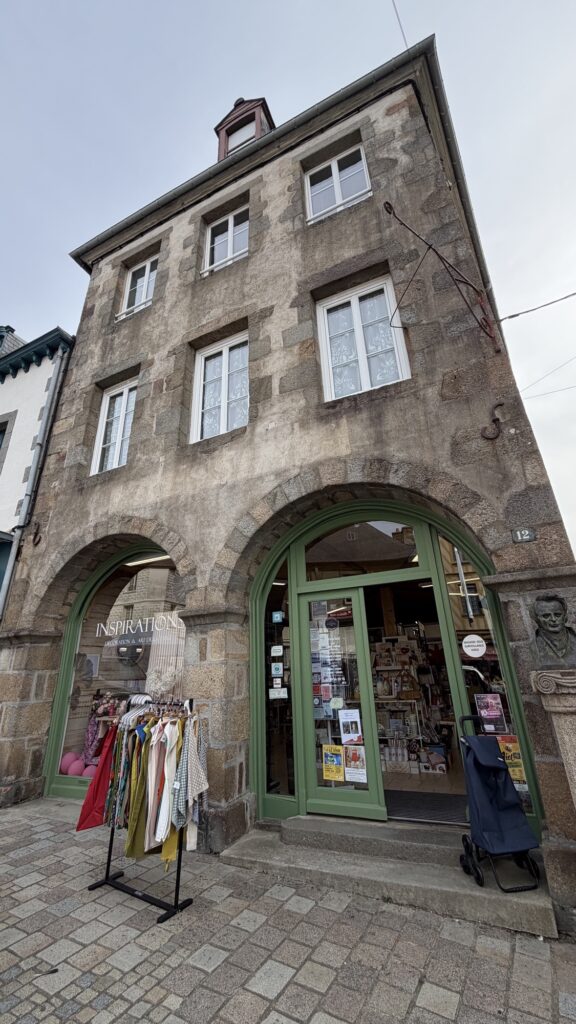
For lunch, we stop at Au Bouchot, where we order the unmissable moules marinières.
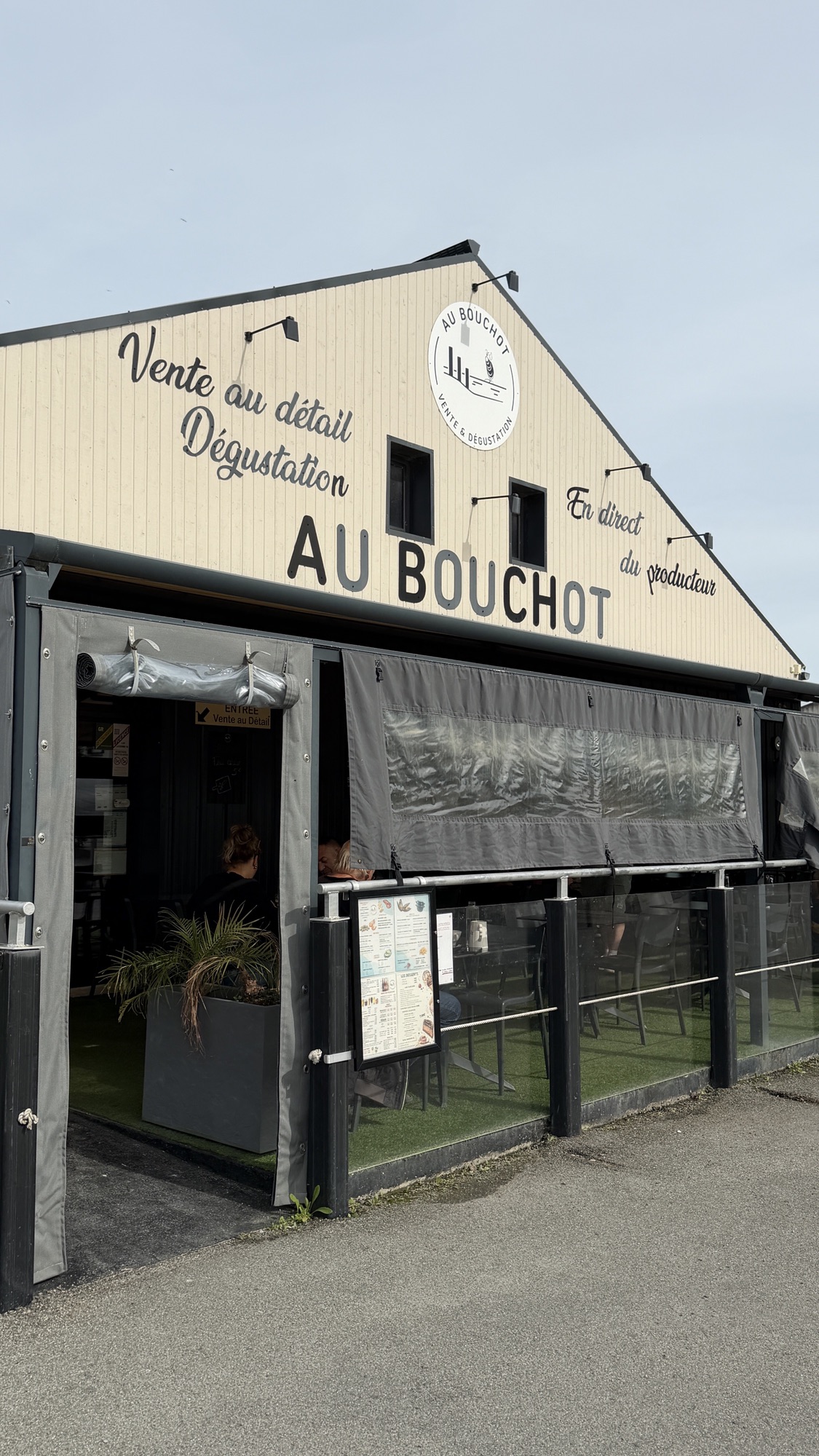
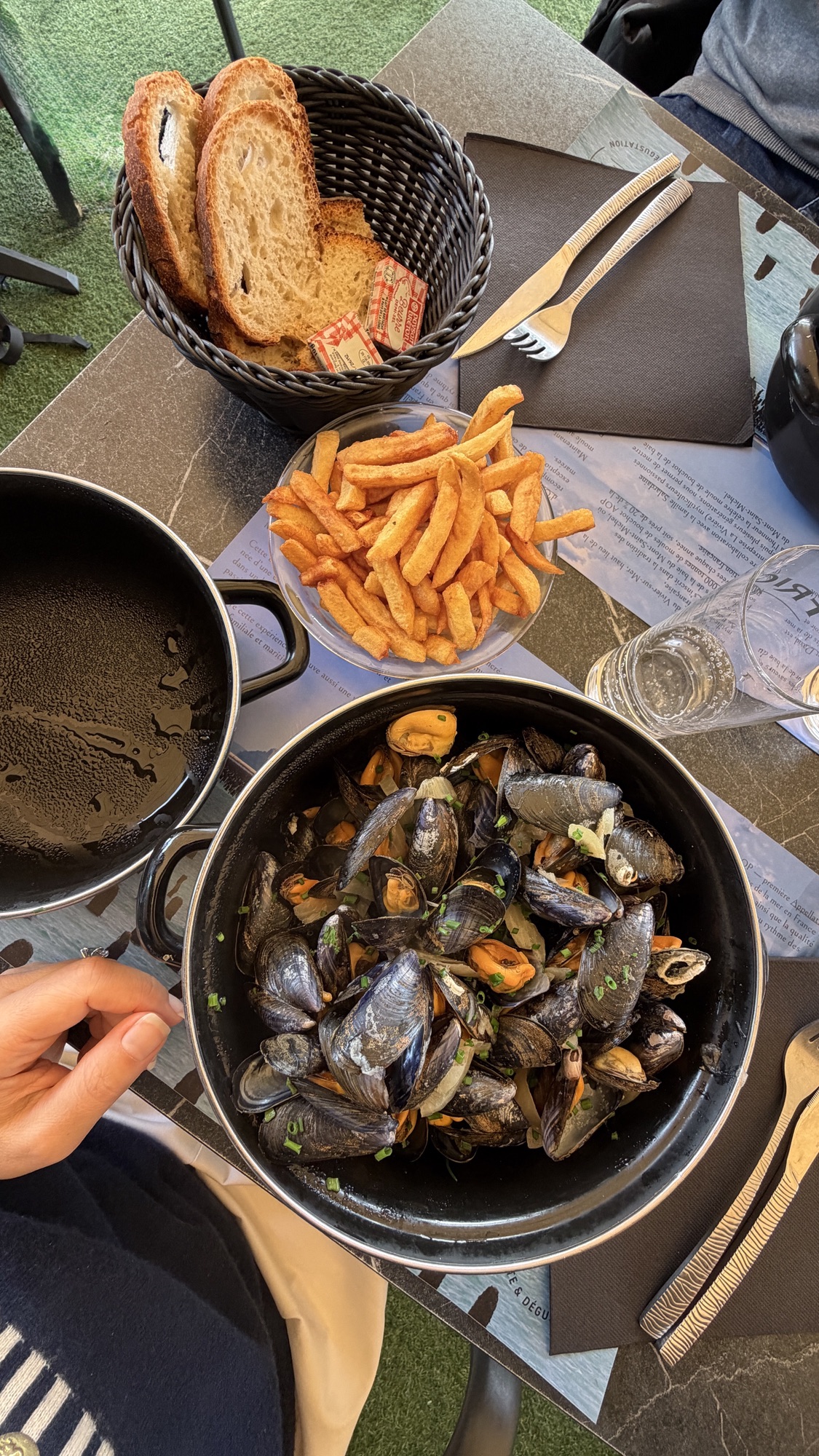
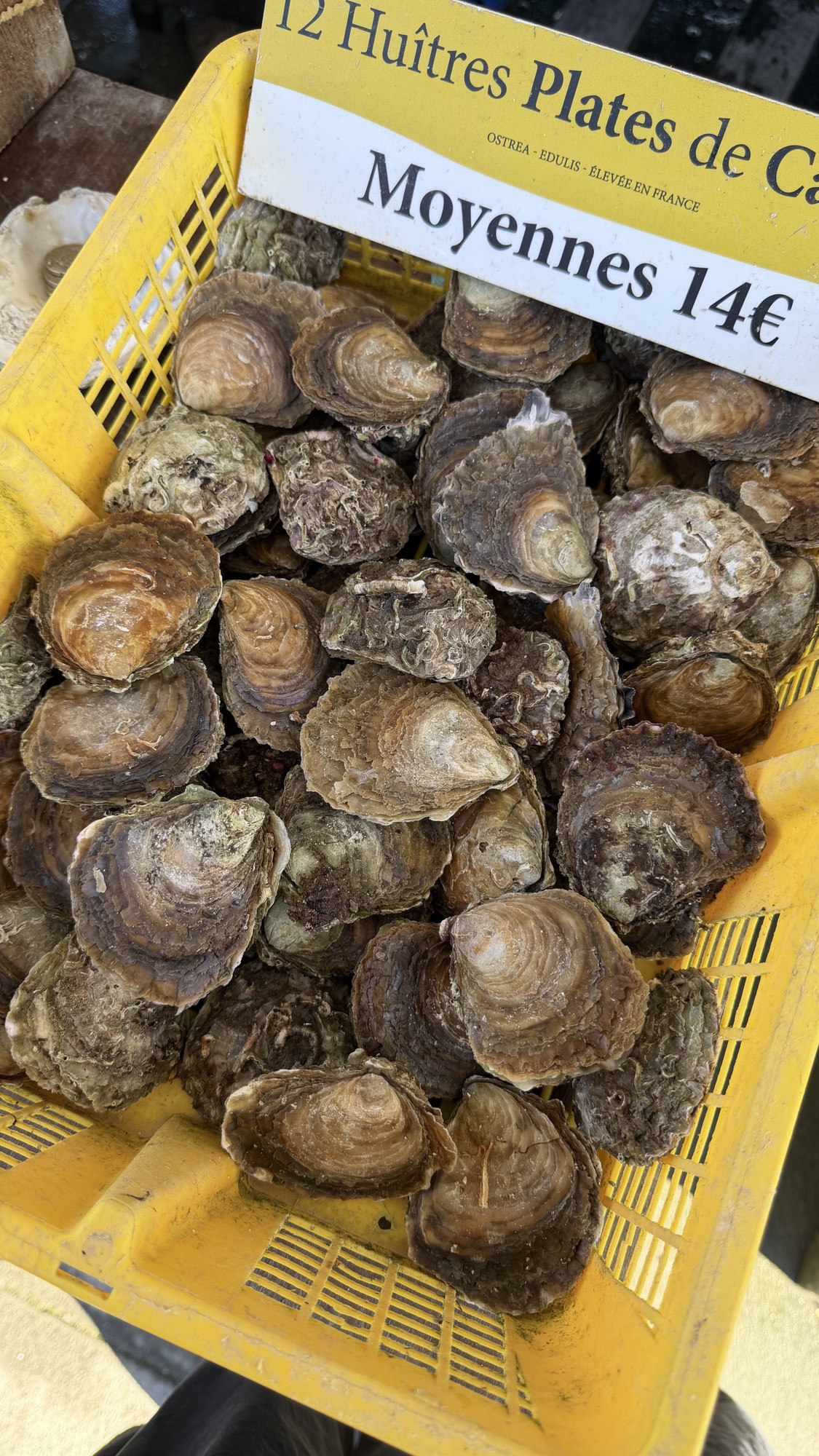
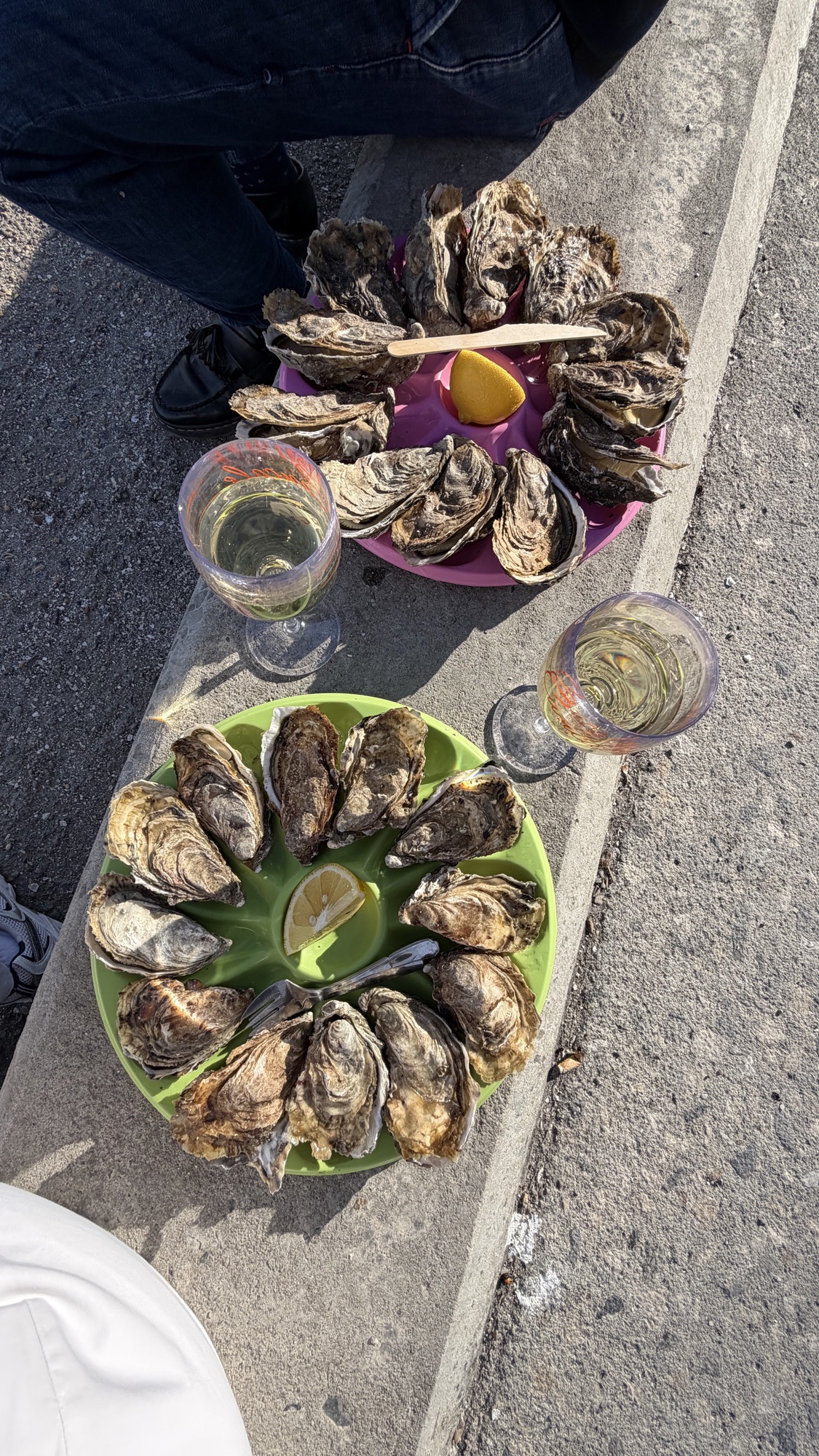
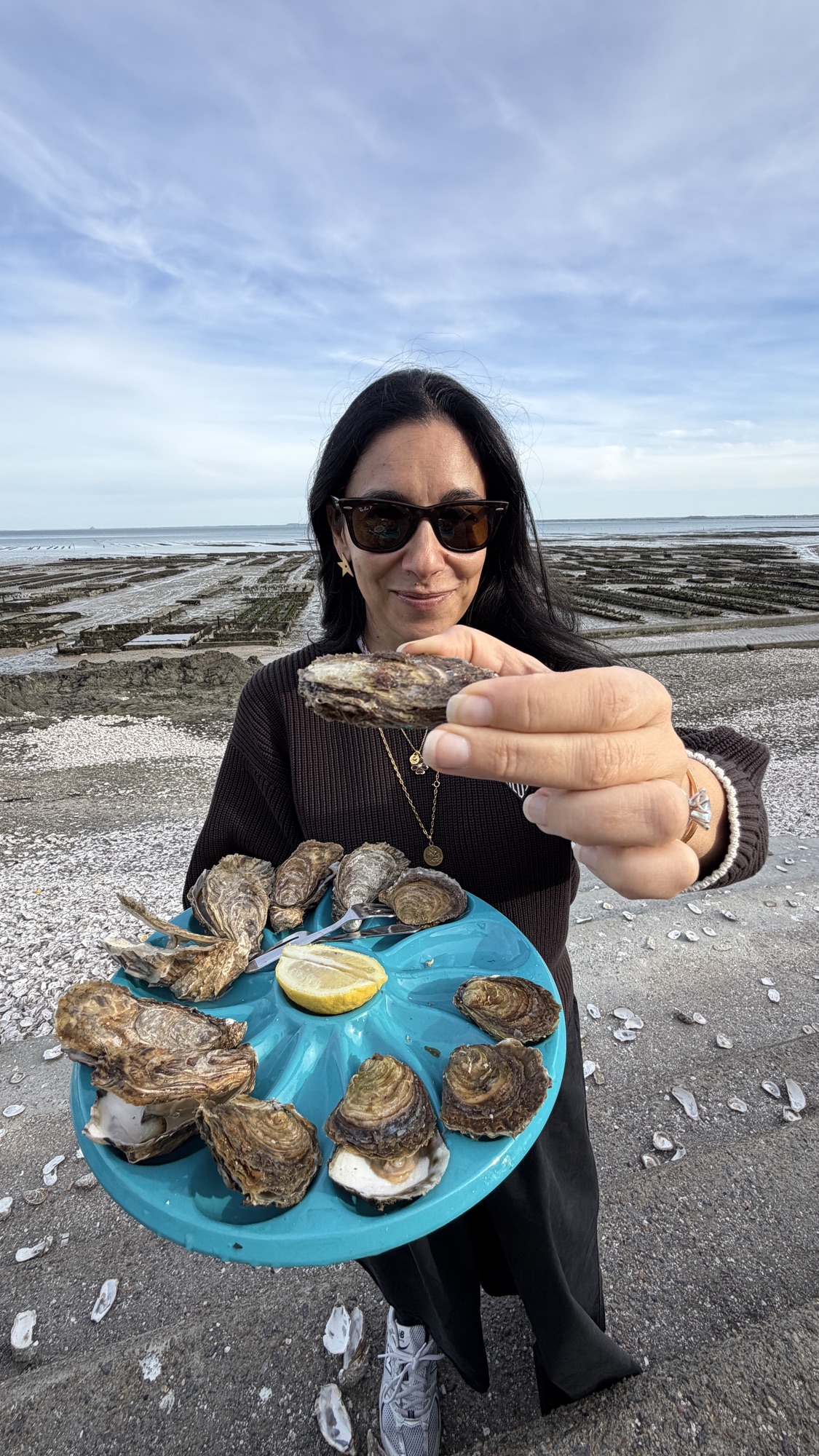
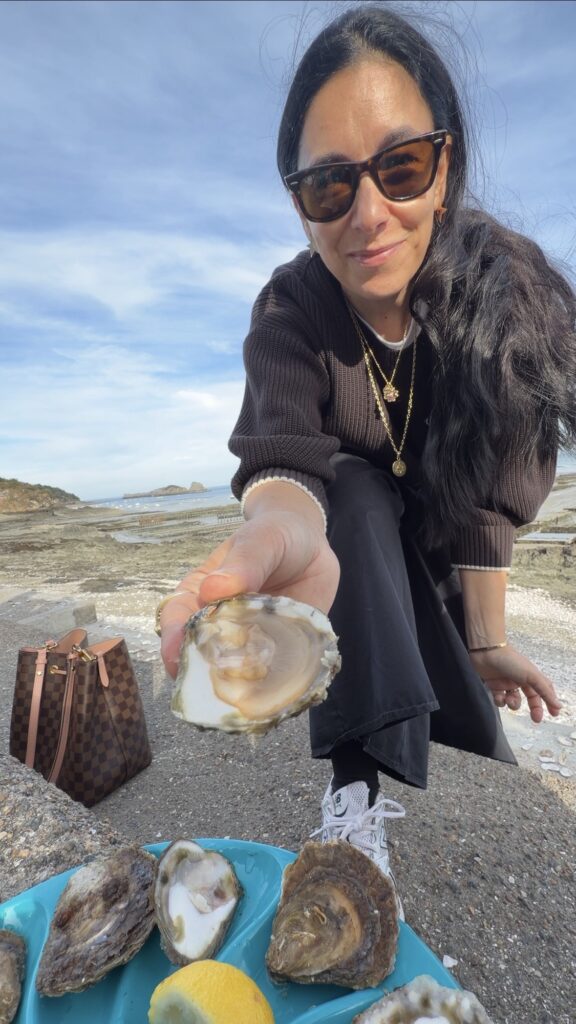
In the afternoon, we return to Cancale to experience one of the most characteristic moments of the trip: the oyster market.
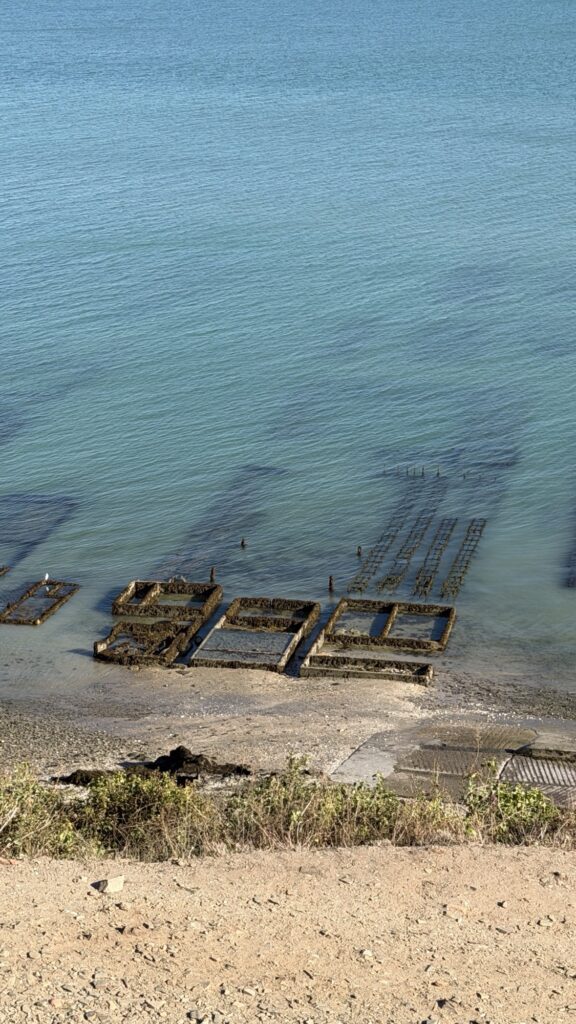
Here, oysters are bought directly from the producers and eaten on the spot, by the harbour, while looking out to sea. It is a simple and authentic experience that offers a direct encounter with one of the town’s most important gastronomic traditions.
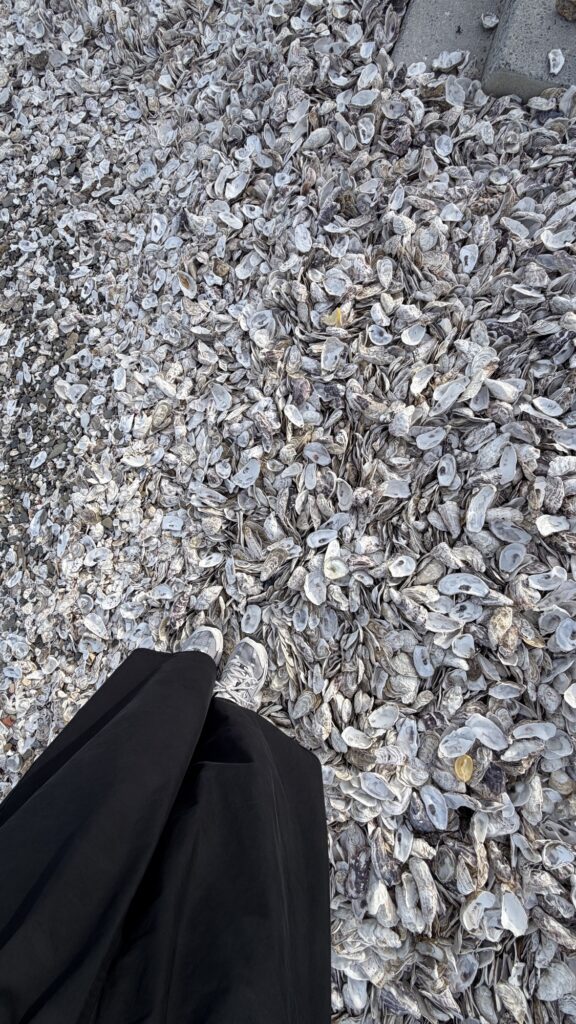
And then there is the little ritual that accompanies it: throwing the oyster shells onto the shoreline.
It is a spontaneous, almost playful gesture, but one that perfectly reflects the character of Cancale, where the relationship between the sea, work and food is immediate and visible.
.
DAY 3 — Dinard and the Emerald Coast
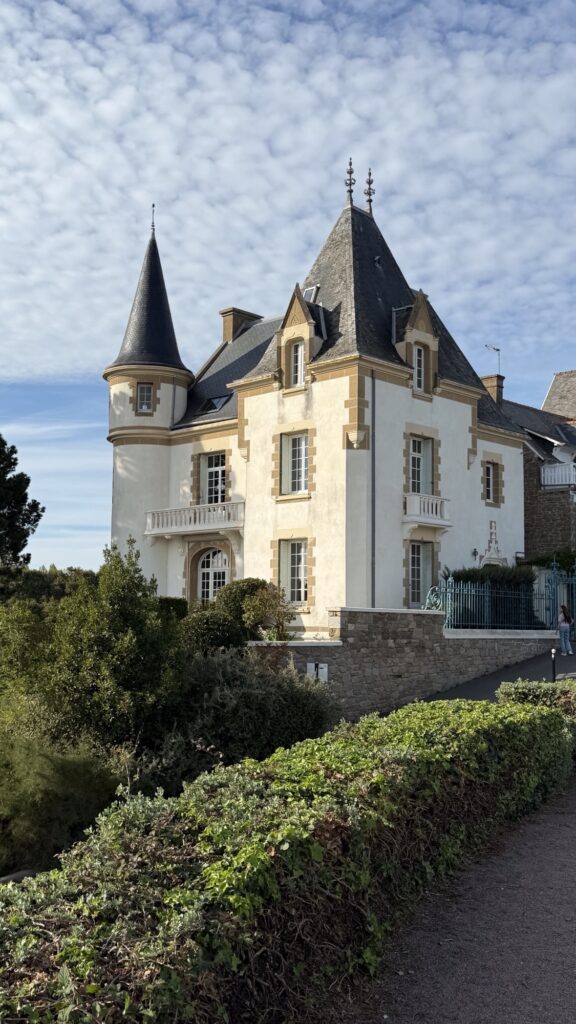
The final day is dedicated to Dinard, an elegant resort on the Emerald Coast, known for its villas and architecture from the golden age of seaside tourism.
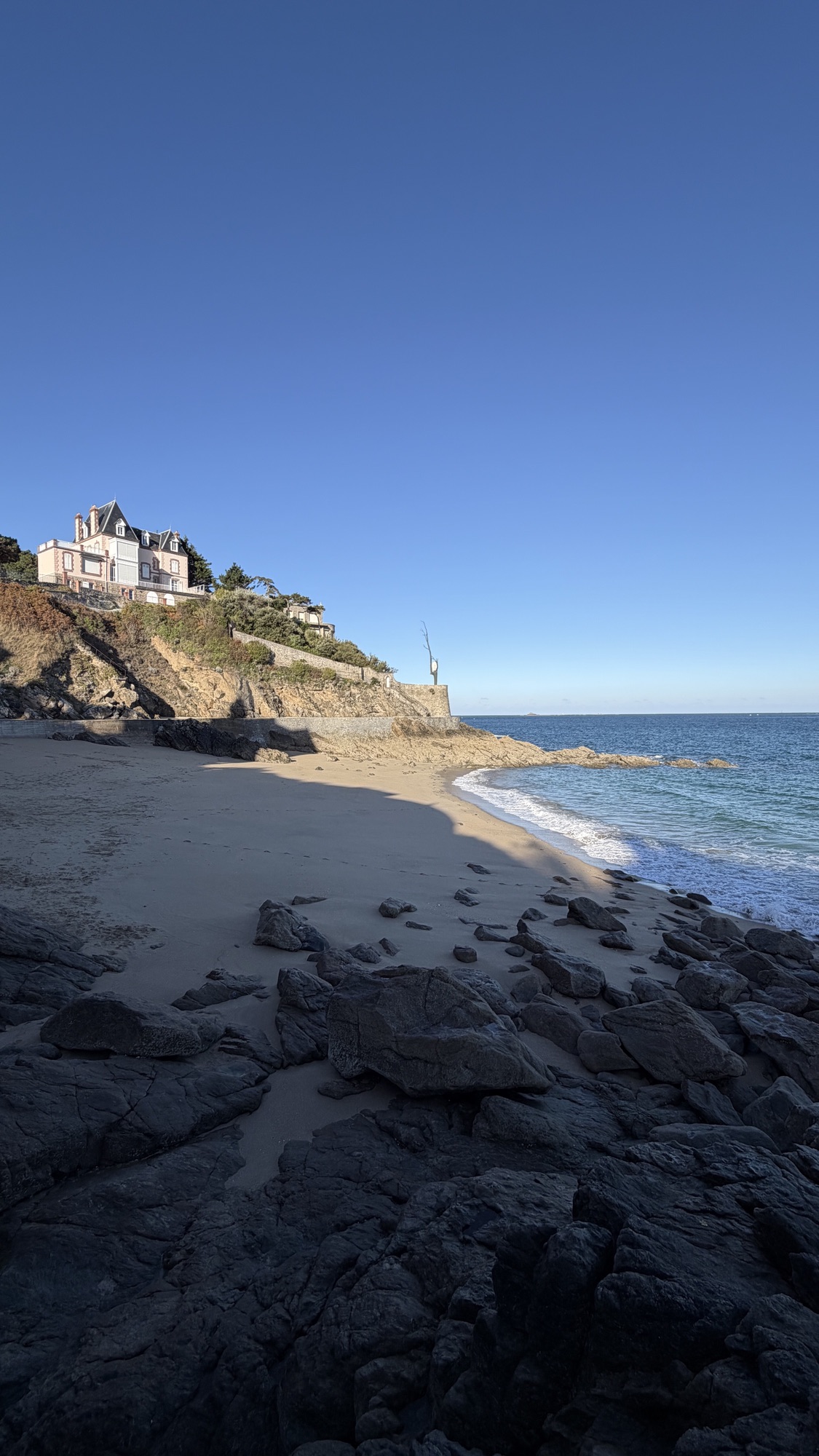
We start at Plage de l’Écluse, then continue towards Pointe du Moulinet, one of the most beautiful walks for taking in the coastline and the villas that have shaped the history of the town.
Here, Dinard’s charm is primarily architectural: Belle Époque villas, gardens and views of the sea tell the story of the period when the town became one of the most sophisticated seaside resorts on the French coast.
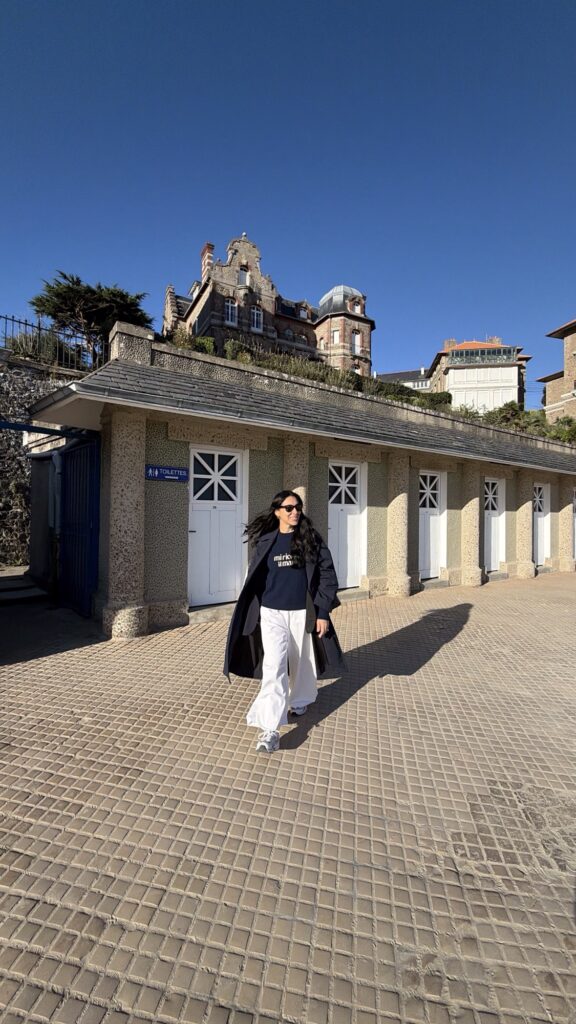
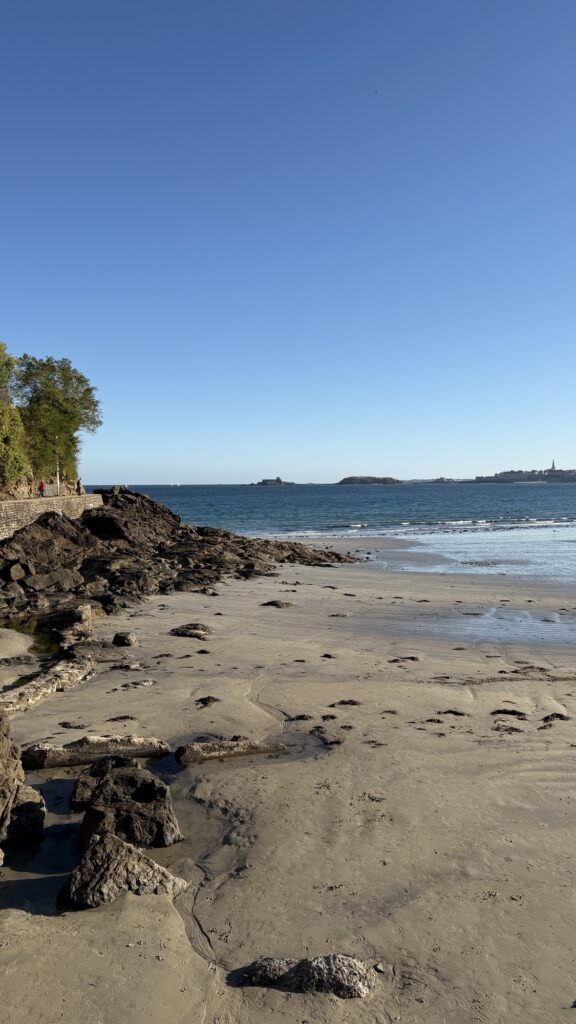
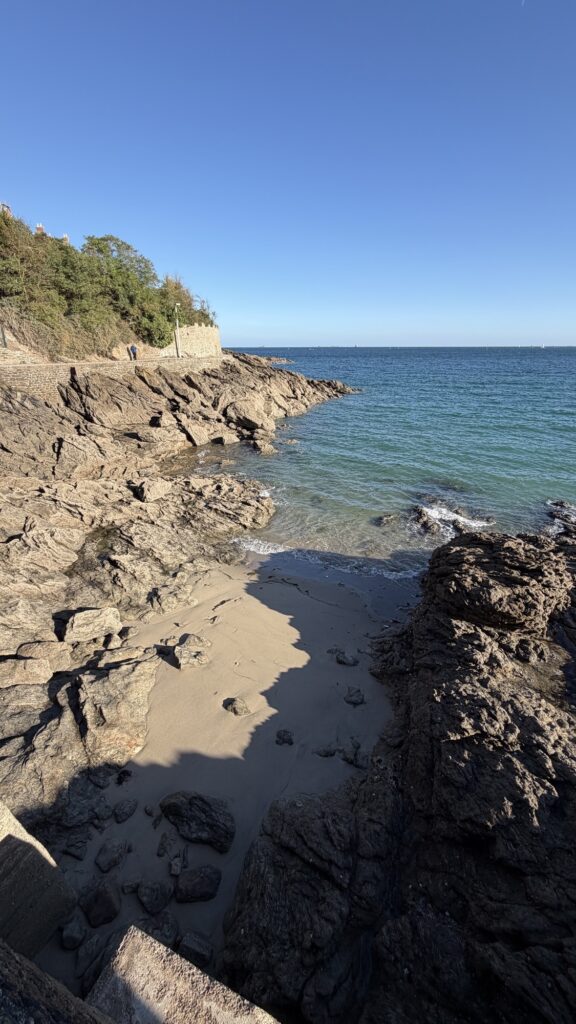
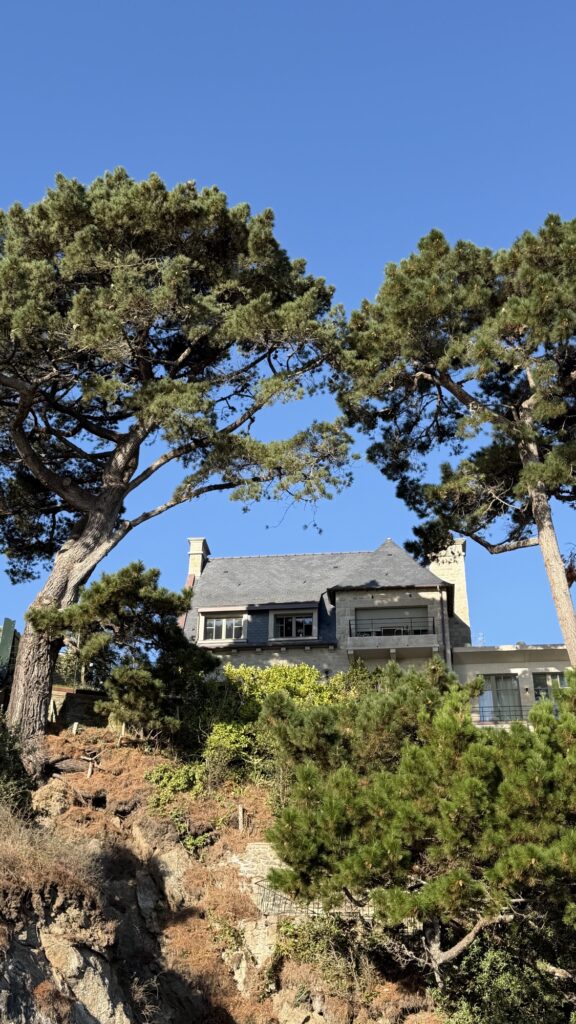
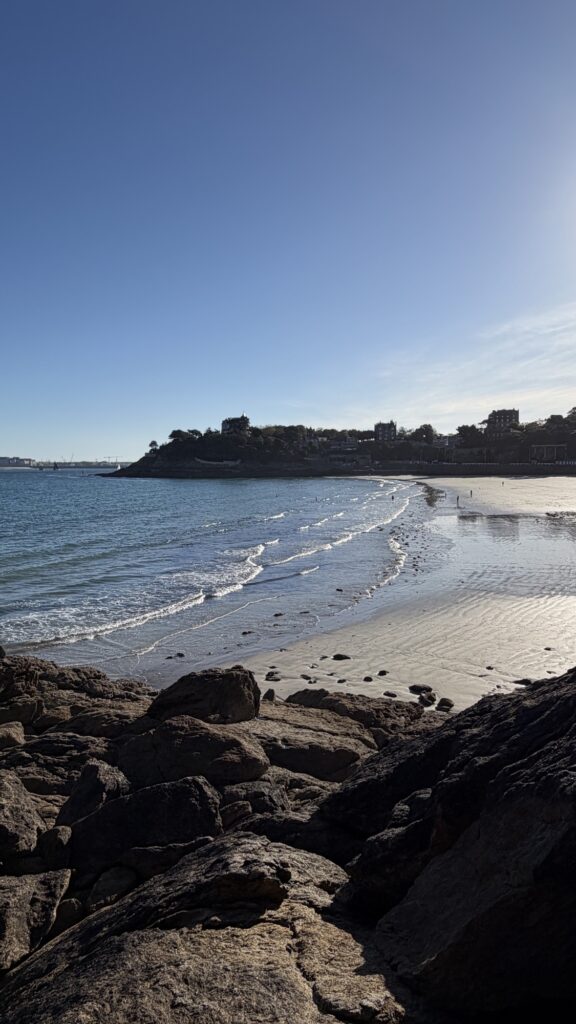
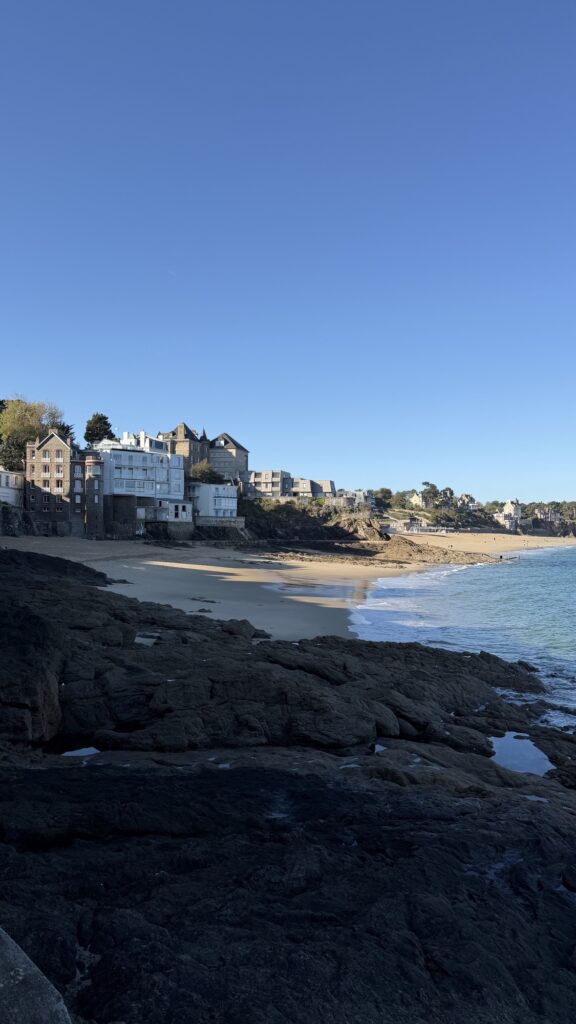
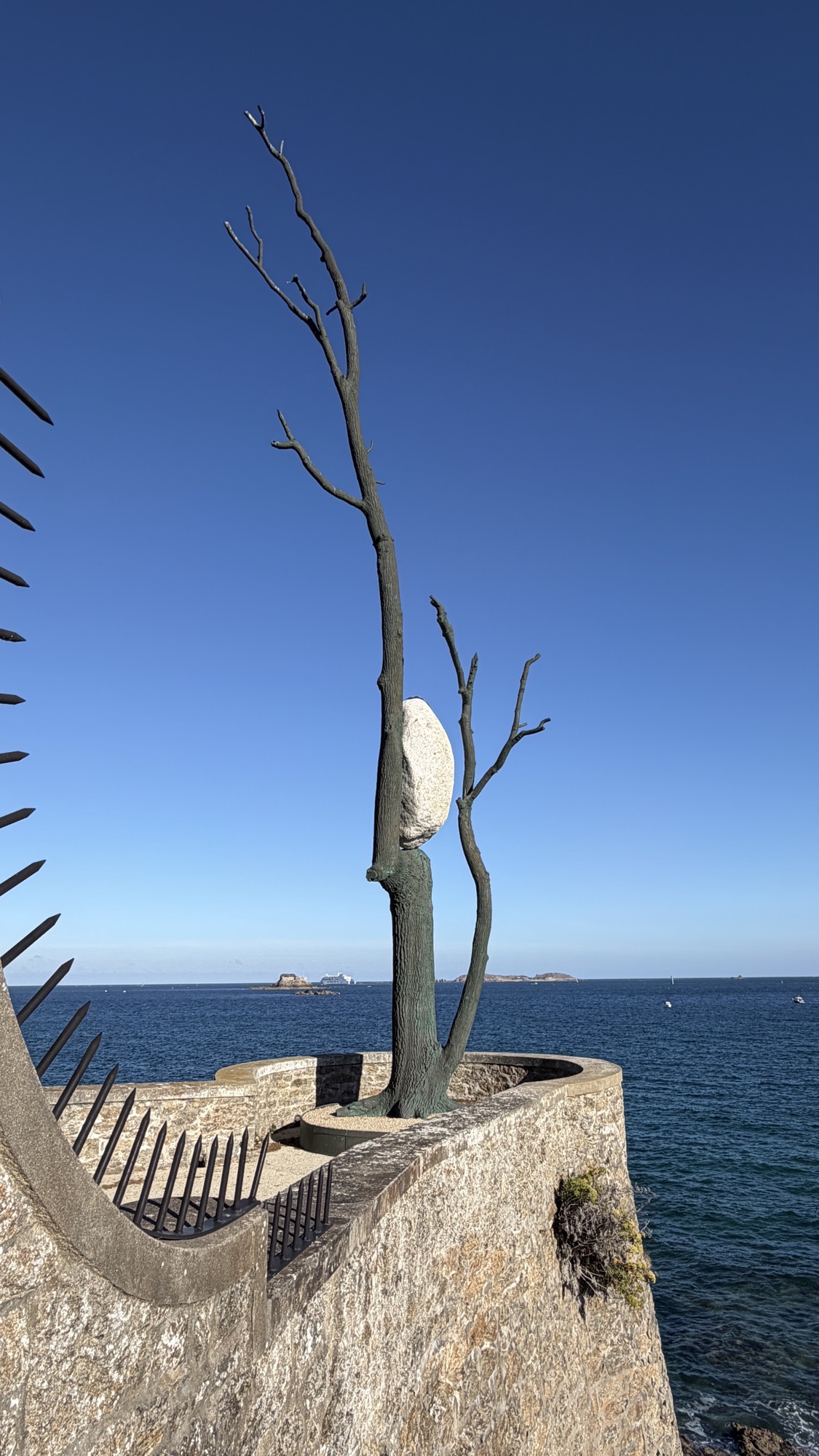
During the walk, we also come across L’Arbre à la pierre by Giuseppe Penone, a contemporary artwork that introduces a completely different note to the route.
For lunch, we choose Le Pic à Bulot, where we taste white fish ceviche, moules marinières with fries and snacké octopus.
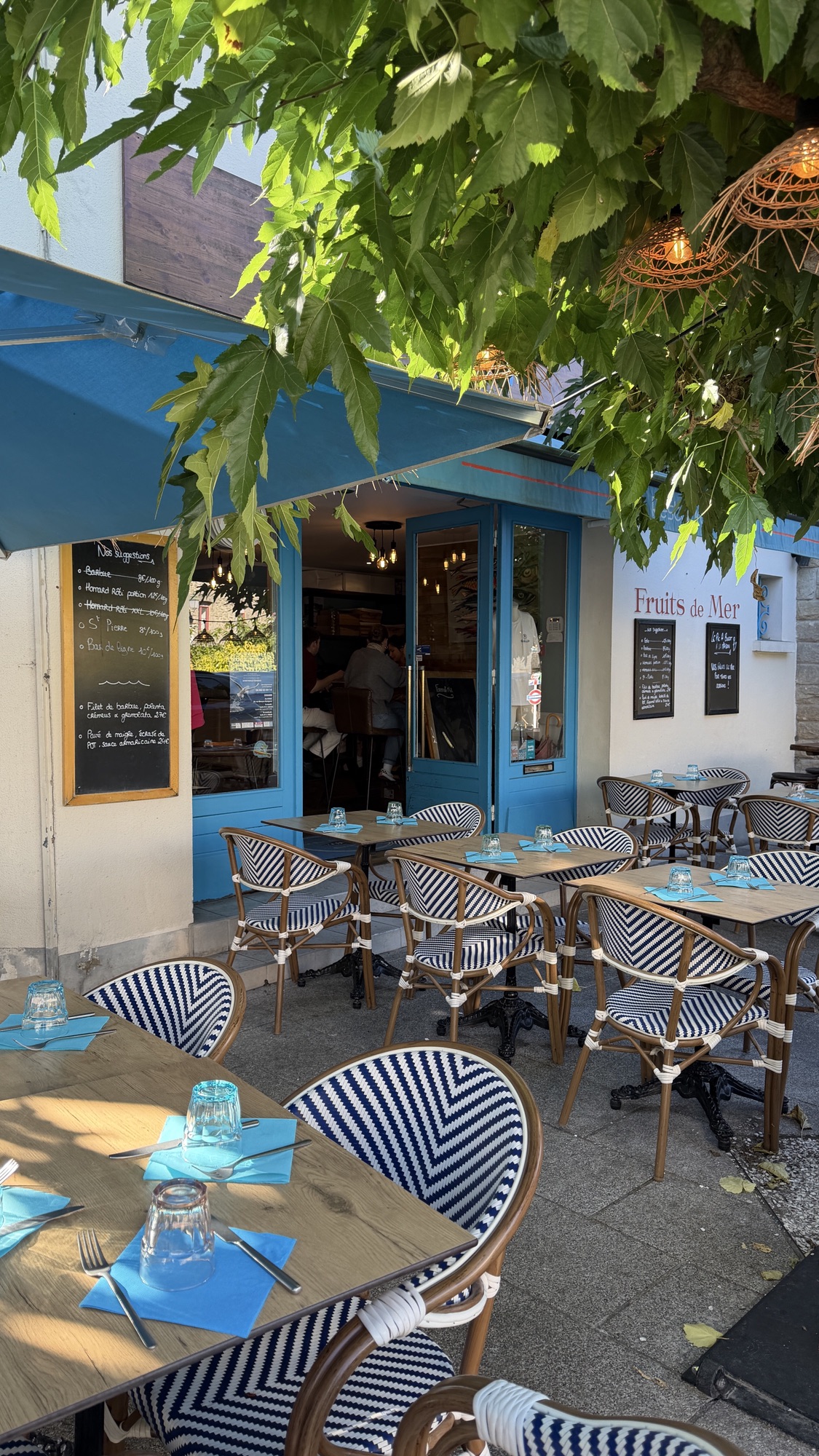
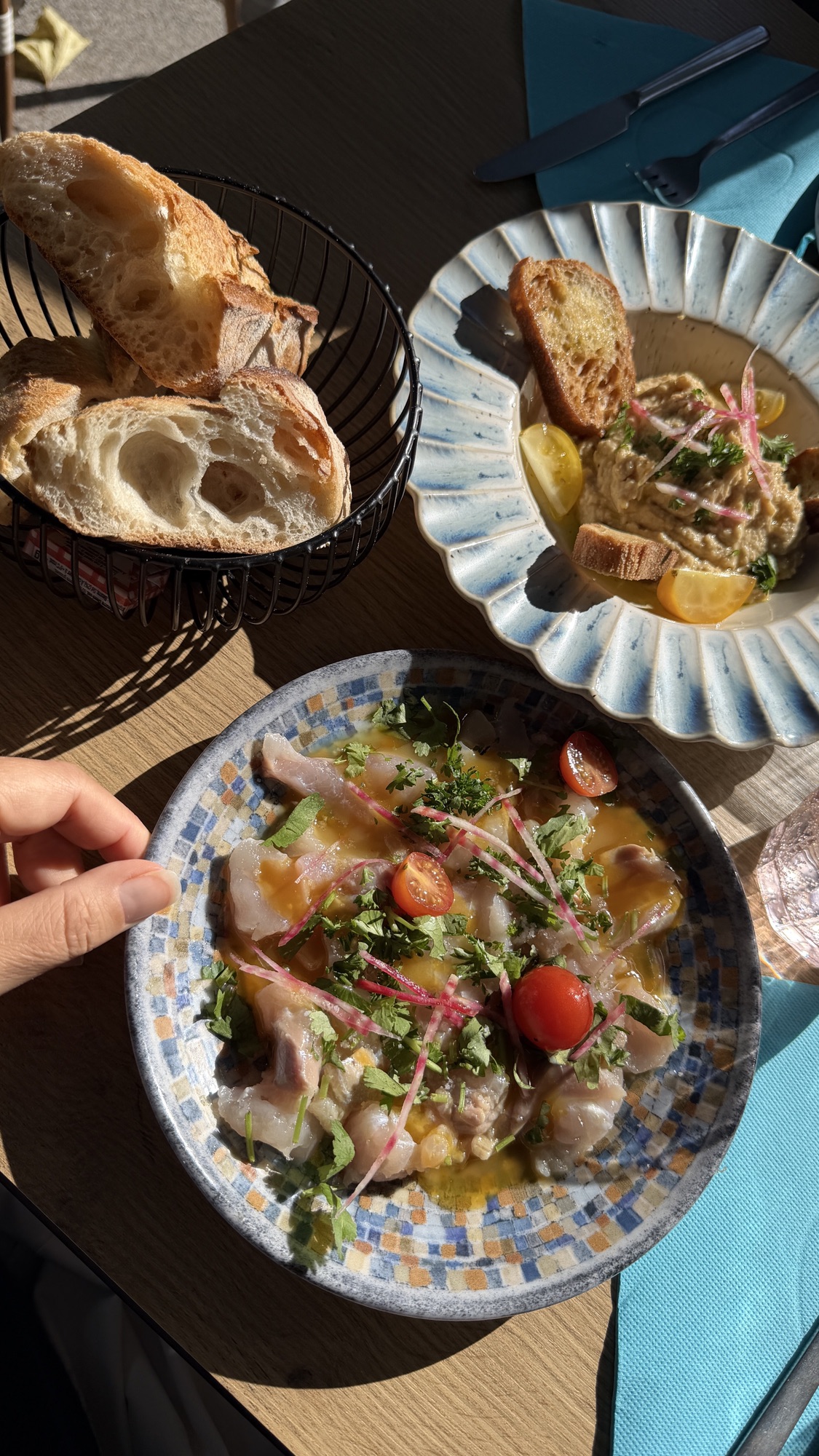
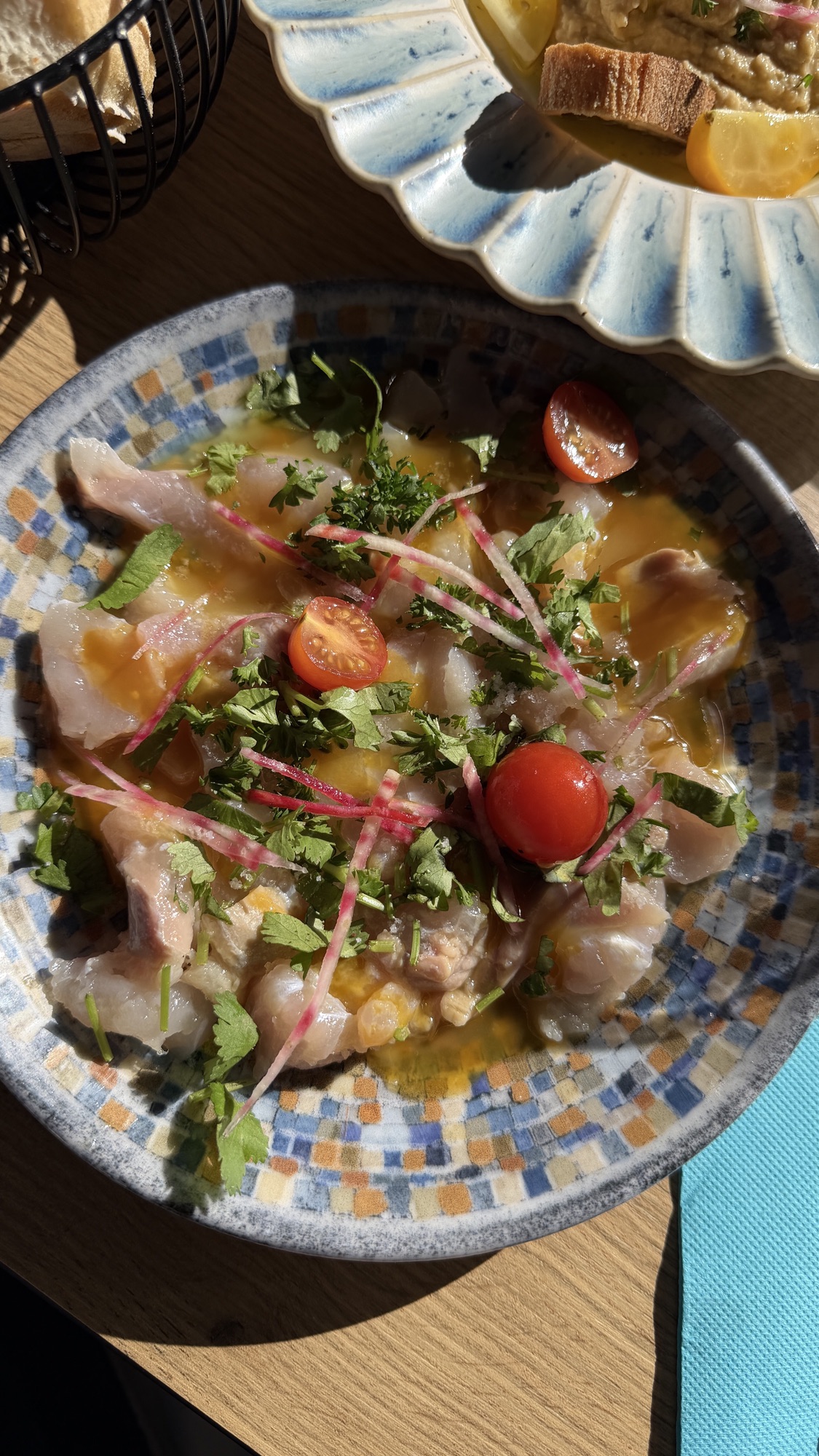
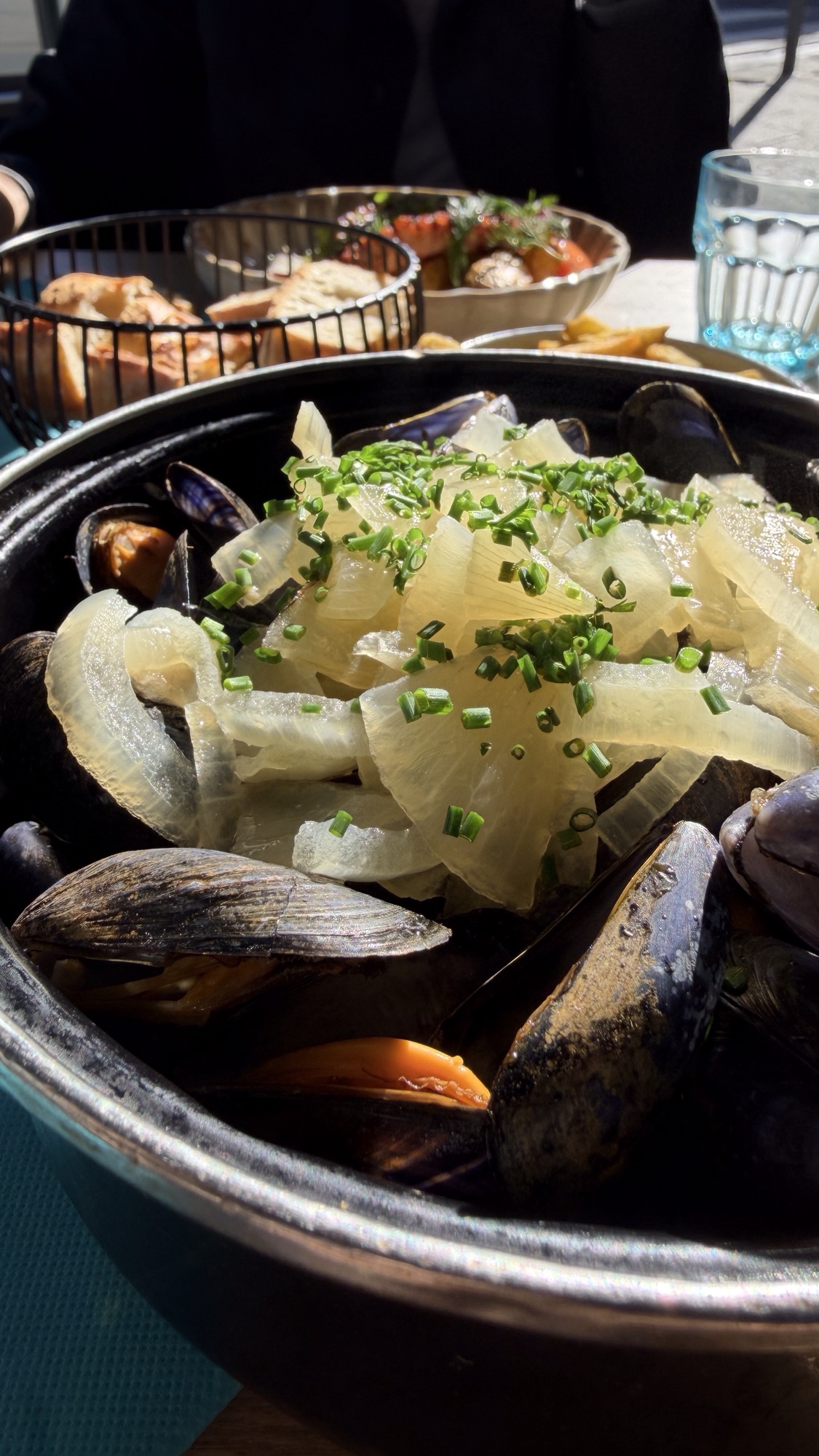
We then return to Cancale for the final dinner of the trip, at Bistrot de Cancale. Once again, the menu follows the sea: mussels, clams from the bay, crab bisque with Breton saffron and John Dory.
Three days between sea, history and gastronomy
Three days are not enough, of course, to discover all of Brittany, but they are enough to explore a stretch of coastline filled with very different experiences.
Saint-Malo tells its story through its walls and its relationship with the sea. Cancale brings that relationship directly to the table through its oysters and harbour. Mont-Saint-Michel surprises with its setting and the history of its abbey. Dol-de-Bretagne adds a medieval interlude, while Dinard reveals the more elegant side of the Emerald Coast.
The common thread is always the same: the sea.
A sea that is not simply part of the landscape, but changes the days, shapes the routes, determines what can be seen and even influences the way a beach is experienced.
And perhaps that is the most beautiful thing to take home from a trip to Brittany: the feeling of having visited places that, just a few hours later, can look completely different.
Scrivi