
Milan is a city to be experienced at the right pace: elegant yet grounded, creative yet deeply rooted in tradition.
This three-day itinerary is designed for those visiting the city for the first time — or rediscovering it — combining iconic landmarks, must-see museums, contemporary neighborhoods and a carefully curated selection of places where it’s worth slowing down and staying awhile.
DAY 1
Historic center and timeless classics
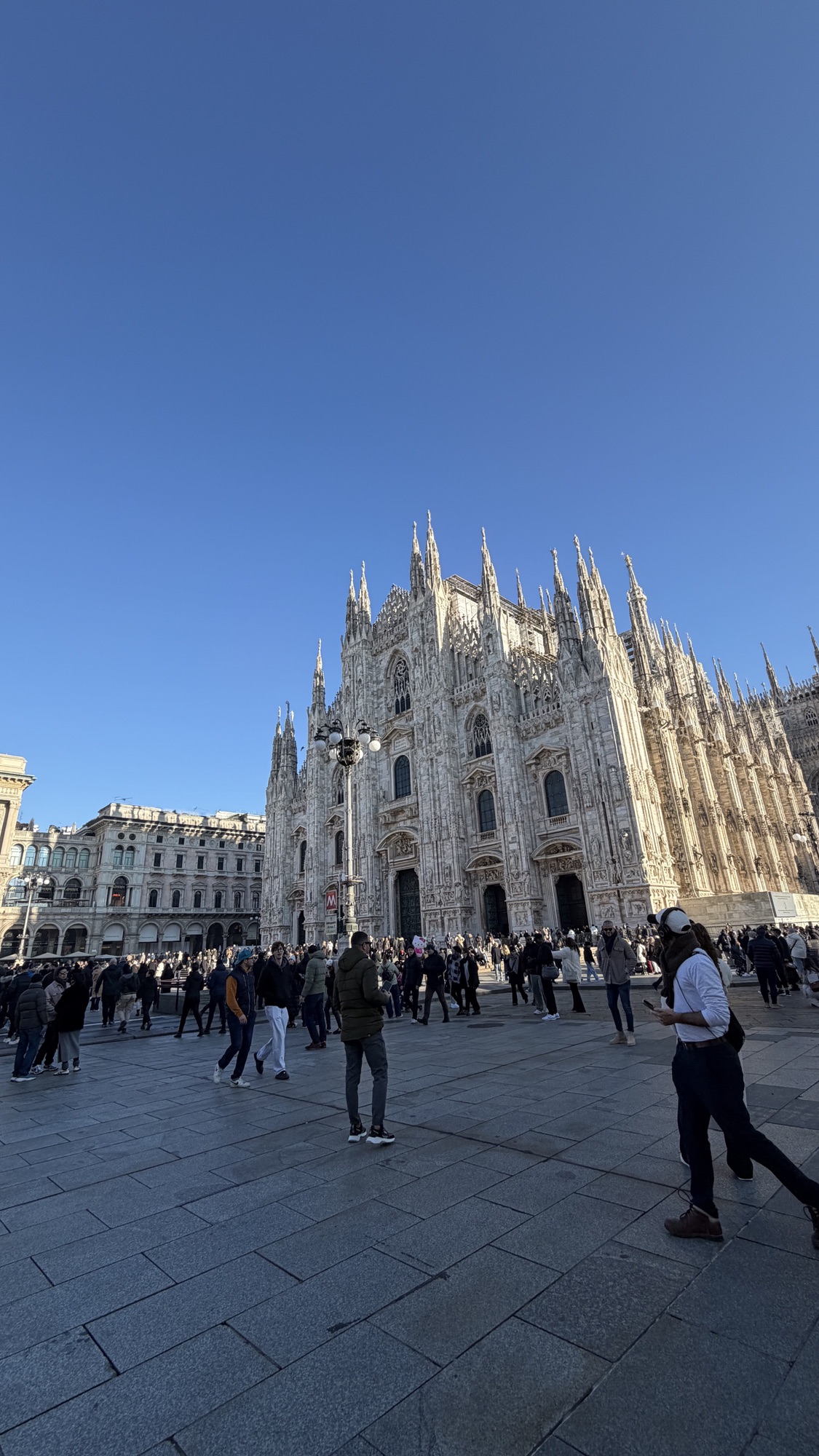
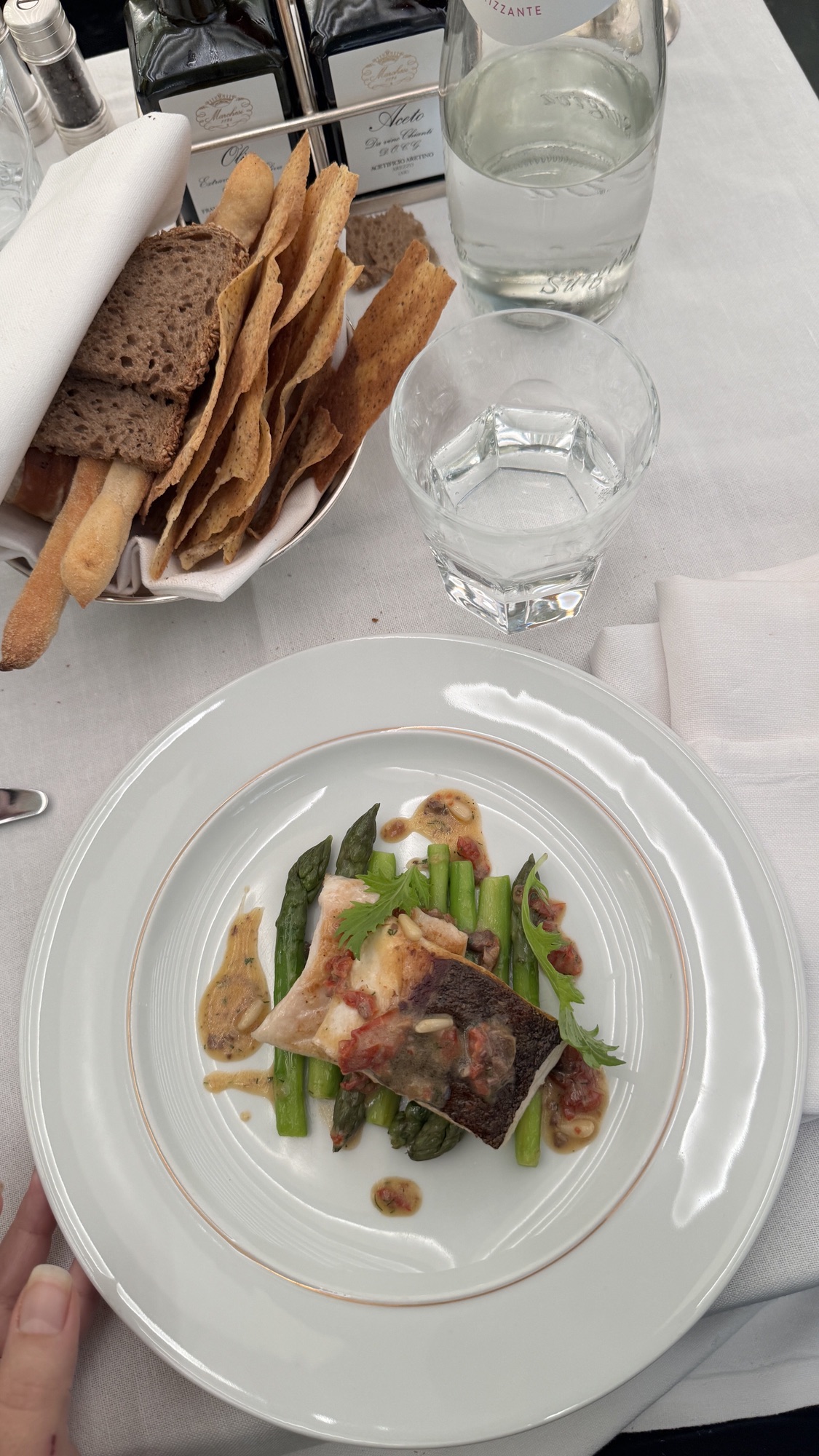
The day begins in the very heart of the city, with breakfast or a coffee at Marchesi 1824, a historic Milanese pastry shop that perfectly embodies the city’s understated elegance. From here, it’s an easy walk to the Duomo of Milan, the city’s most iconic landmark.
The cathedral deserves time. While the interior is impressive, the real highlight is the climb to the panoramic terraces, offering unforgettable views over the spires and rooftops of Milan. Booking tickets in advance is highly recommended, choosing between elevator or stairs.
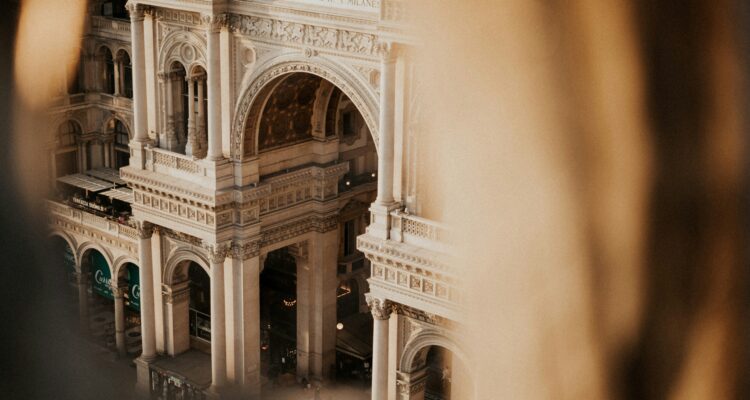
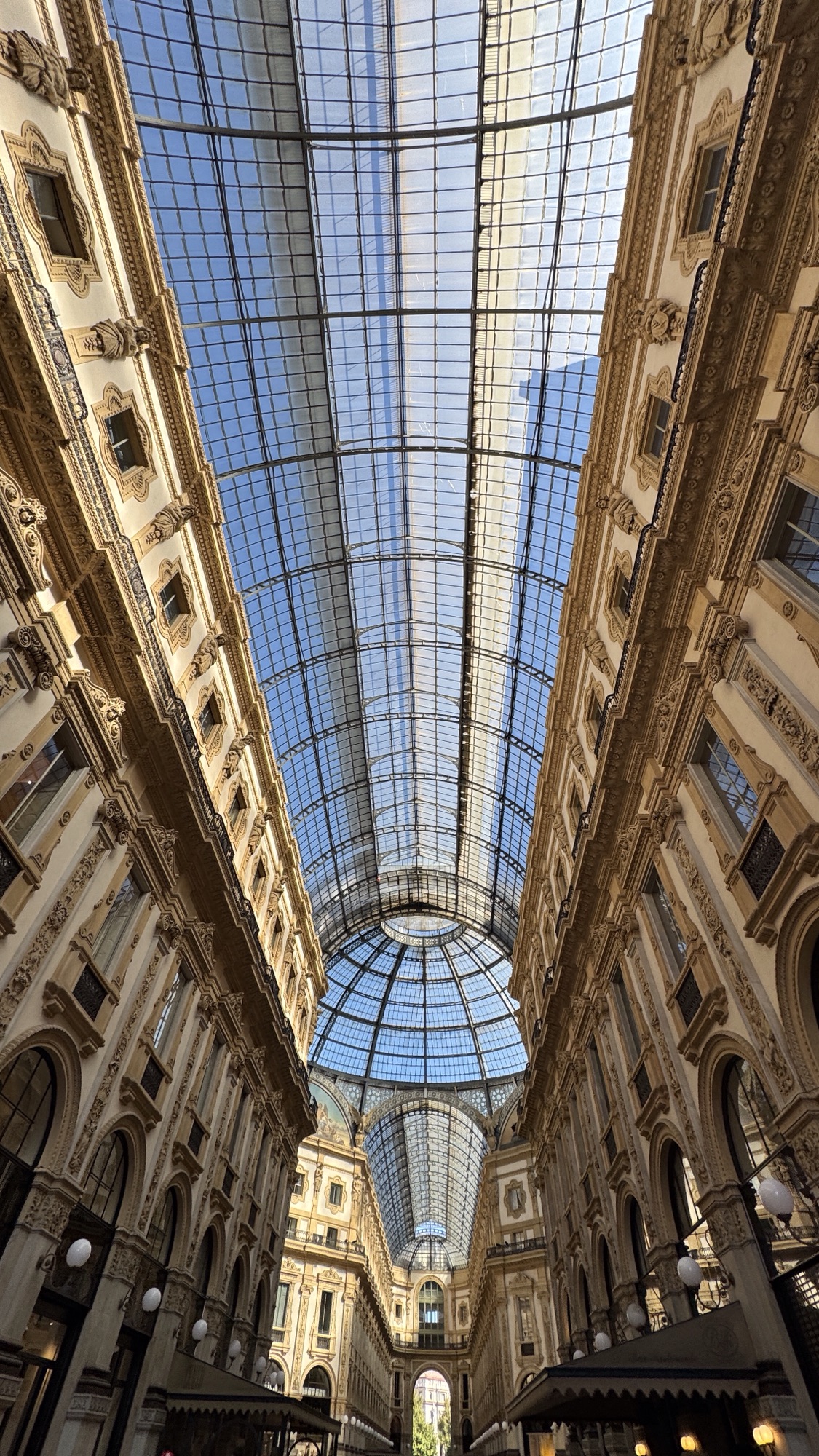
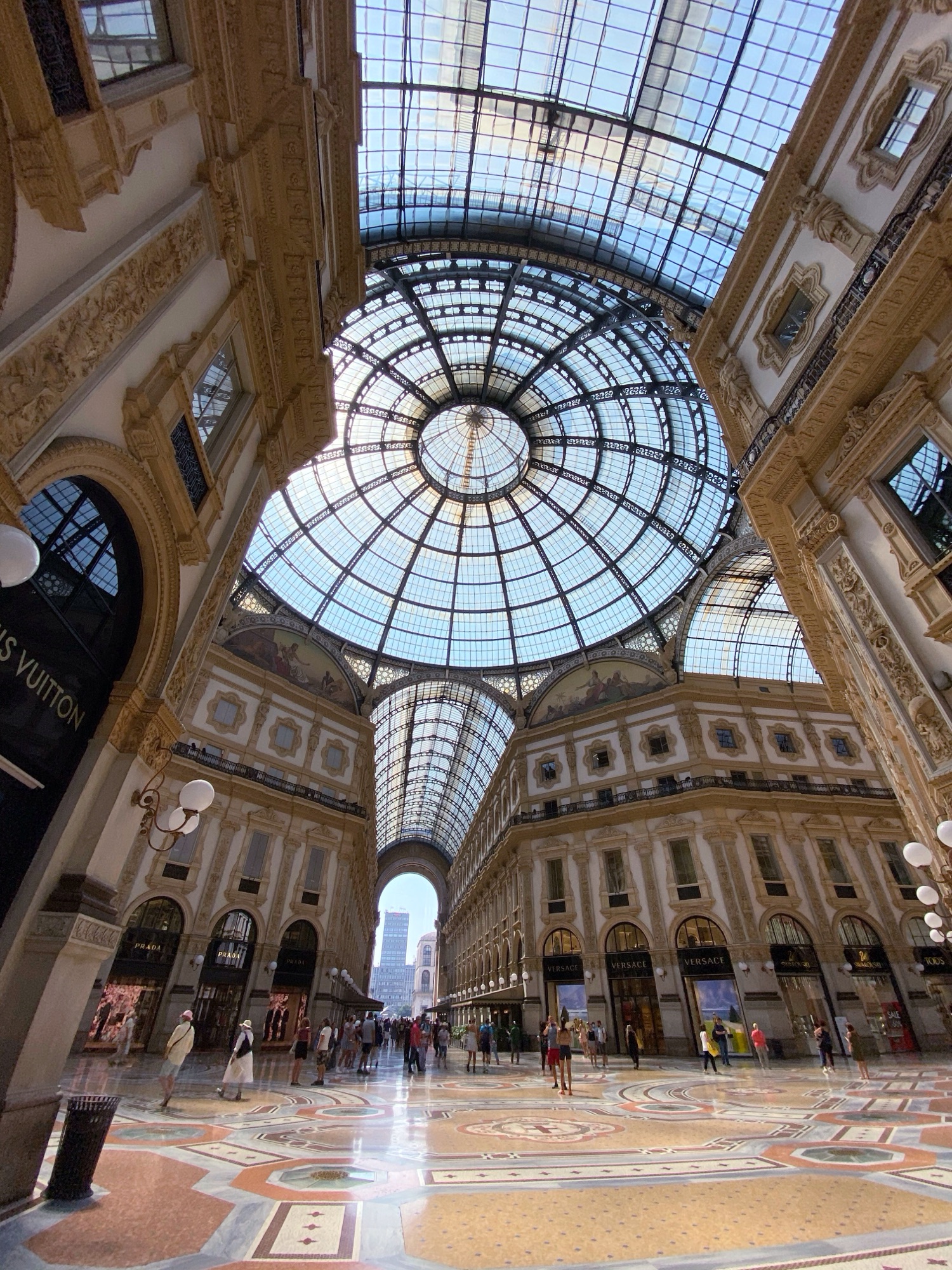
Leaving the Duomo behind, a walk through the Galleria Vittorio Emanuele II is a must. This is Milan at its most iconic, where 19th-century architecture meets historic boutiques. Tradition has it that spinning on your heel over the bull mosaic brings good luck.
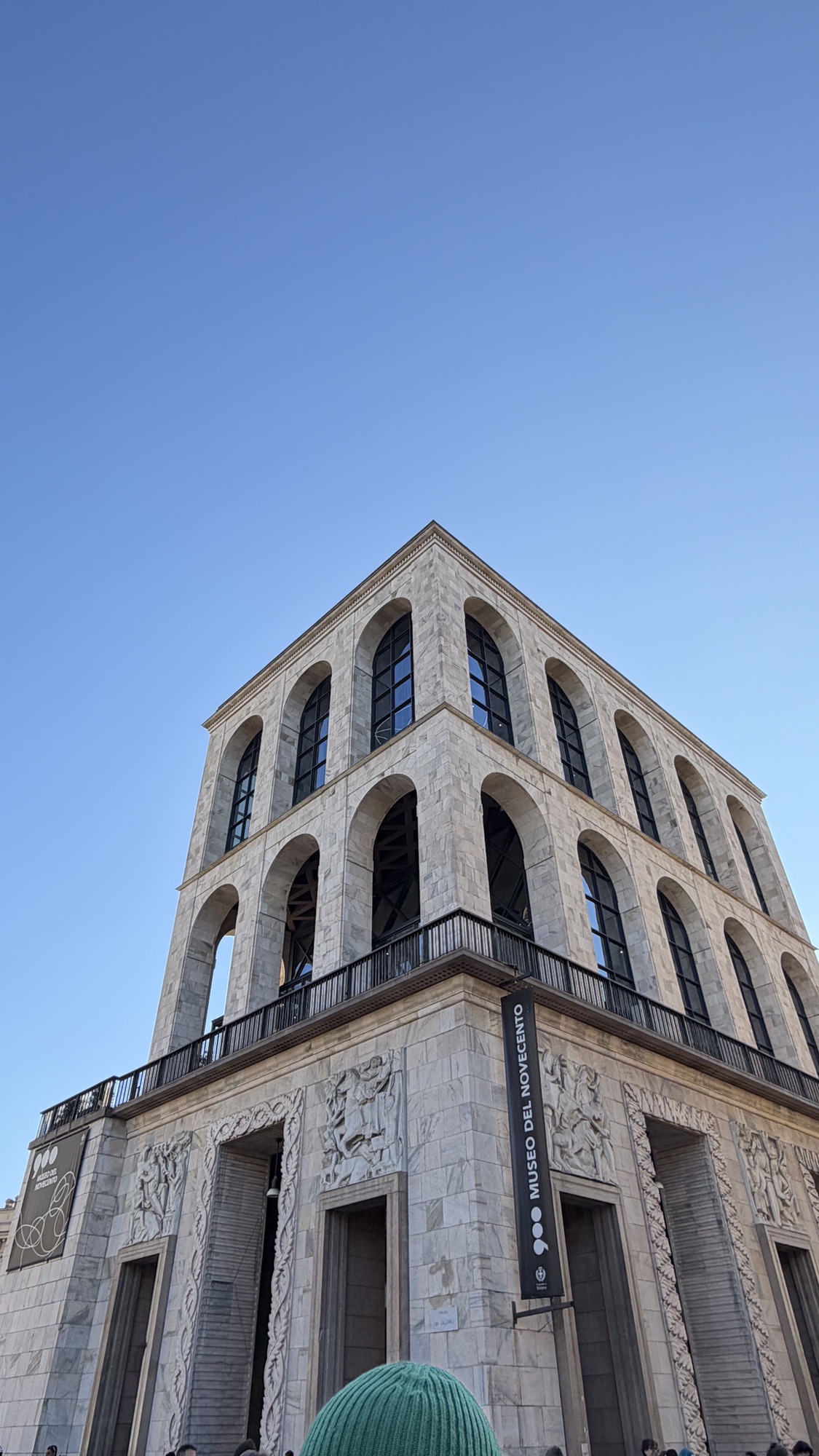
Just steps away are two major cultural institutions: the Museo del Novecento, ideal for those interested in Italian modern art, and Palazzo Reale, home to major temporary exhibitions. It’s best to choose one, to keep the morning balanced and enjoyable.
Lunch can be casual or more relaxed — Milan offers excellent options for both moods. In the afternoon, continue toward La Scala Theatre, even just to admire its façade, before reaching Castello Sforzesco and enjoying a walk through the greenery of Parco Sempione. Those with a passion for design and architecture can end the cultural day at Triennale Milano.
The evening is dedicated to a more refined and convivial side of Milan. The neighborhoods of Brera and Porta Venezia are perfect for a well-chosen dinner, followed by a cocktail or a rooftop drink overlooking the illuminated city.
Places & addresses – DAY 1
Museums and cultural landmarks
Duomo of Milan – Piazza Duomo. Open approximately 9:00 am–7:00 pm. Advance booking recommended for terrace access (elevator or stairs).
Museo del Novecento – Piazza Duomo 8. Open 10:00 am–7:30 pm, closed Mondays. Ideal introduction to Italian modern art.
Palazzo Reale – Piazza Duomo 12. Opening hours vary depending on exhibitions; check ahead.
Teatro alla Scala – Piazza della Scala. Exterior always accessible; museum usually open 9:30 am–5:30 pm.
Castello Sforzesco – Largo Cairoli. Courtyards open to the public; museums generally open 10:00 am–5:30 pm.
Triennale Milano – Viale Alemagna 6. Open approximately 10:30 am–8:00 pm; a reference point for design and architecture.
Restaurants and cafés
Marchesi 1824 – Galleria Vittorio Emanuele II / Via Montenapoleone. Historic pastry shop, ideal for breakfast or coffee.
Luini – Via Santa Radegonda 16. Famous panzerotti, perfect for a quick lunch.
Spontini – Multiple central locations, including Via Santa Radegonda. Iconic thick-crust pizza.
Panini Durini – Several city locations. Gourmet sandwiches for a fast but quality break.
The Dome – Piazza Duomo 1. Italian cuisine with Duomo views.
Il Vizio – Via Rovello. Refined Piedmontese cuisine in an elegant yet relaxed setting.
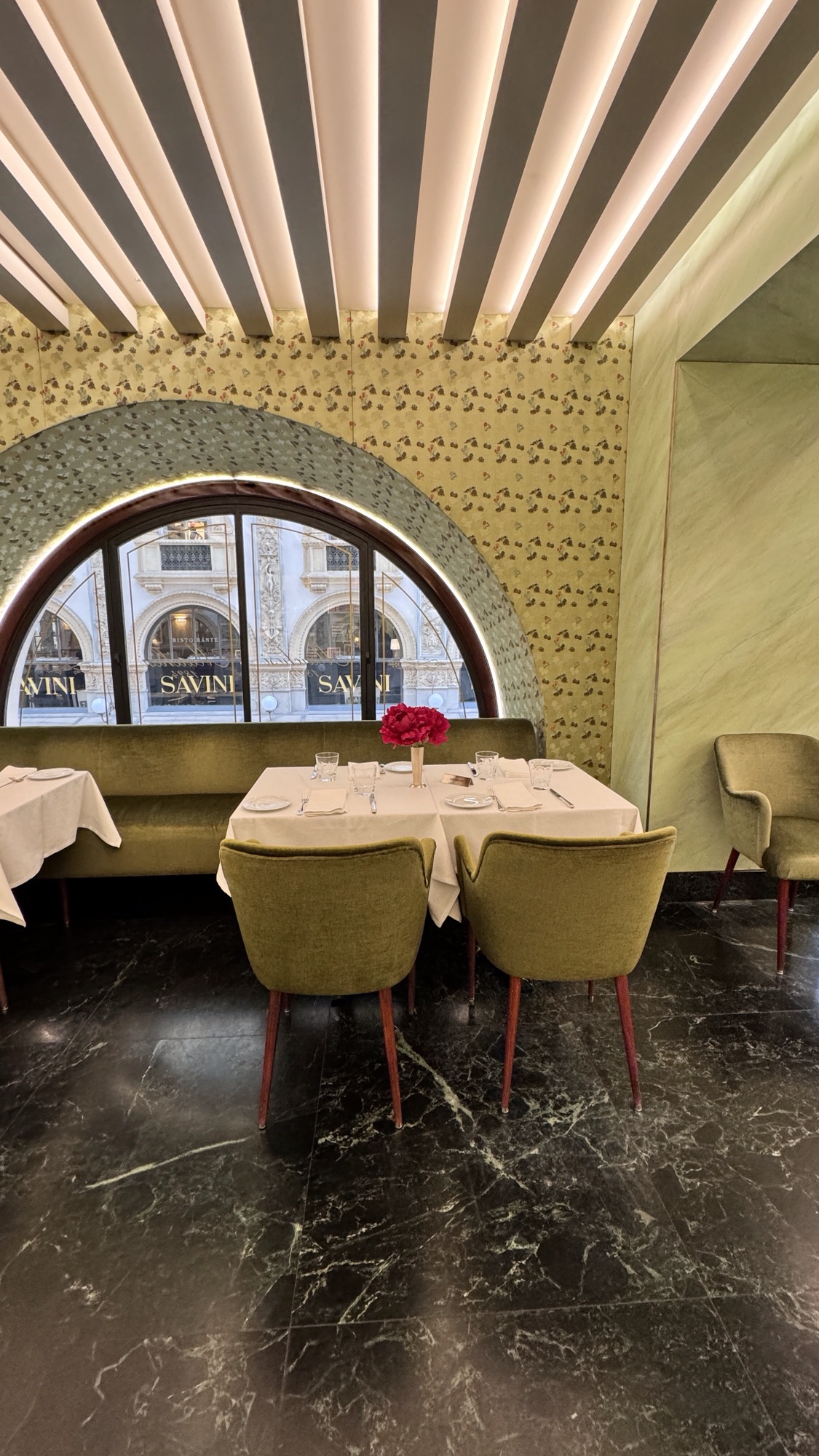
Cracco – Galleria Vittorio Emanuele II. Contemporary Italian fine dining in an iconic location.
Risoelatte – Via San Gregorio 17. Traditional Milanese dishes in a retro atmosphere.
Nabucco – Via Fiori Chiari 29. Historic restaurant in Brera.
Veramente – Brera area. Classic Italian cuisine.
La Libera – Porta Venezia area. Lombard tradition.
Giacomo Bistrot – Via Pasquale Sottocorno. Elegant, well-curated restaurant.
Terrazza Aperol – Piazza Duomo. Informal rooftop with cathedral views.
Ceresio 7 – Via Ceresio 7. Panoramic cocktail bar with pool.
DAY 2
Art, design and contemporary Milan
Saturday is dedicated to discovering Milan’s most contemporary side — a city that has reinvented itself as an international capital of art, design and architecture. The day begins at Fondazione Prada, one of Milan’s most iconic cultural spaces, where art and experimentation coexist through temporary exhibitions, permanent installations and bold architectural choices. Designed by Rem Koolhaas, the complex stands as a manifesto of Milan’s creative spirit.
Inside the Foundation, a stop at Bar Luce is an essential part of the experience. Designed by Wes Anderson, it’s a tribute to 1950s cafés, with pastel colors, pinball machines, jukeboxes and meticulously curated details — a cinematic set perfect for a coffee break before moving on.
Lunch choices reflect the city’s authentic soul. Trippa is a modern osteria with genuine spirit, beloved by locals; Lacerba is a lively contemporary classic; while Pastamadre and Tajoli offer comforting, high-quality Italian cuisine, ideal for recharging.
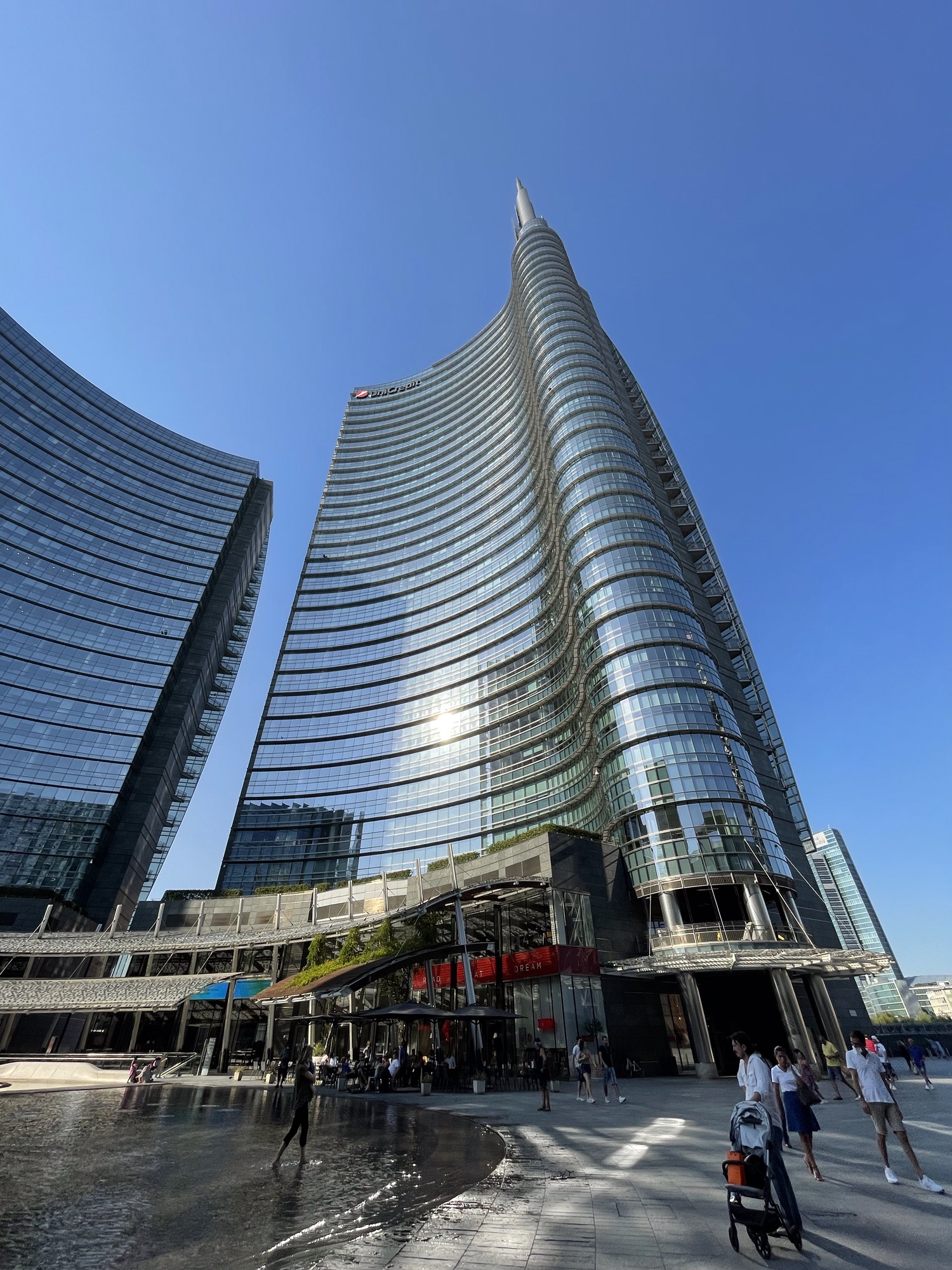
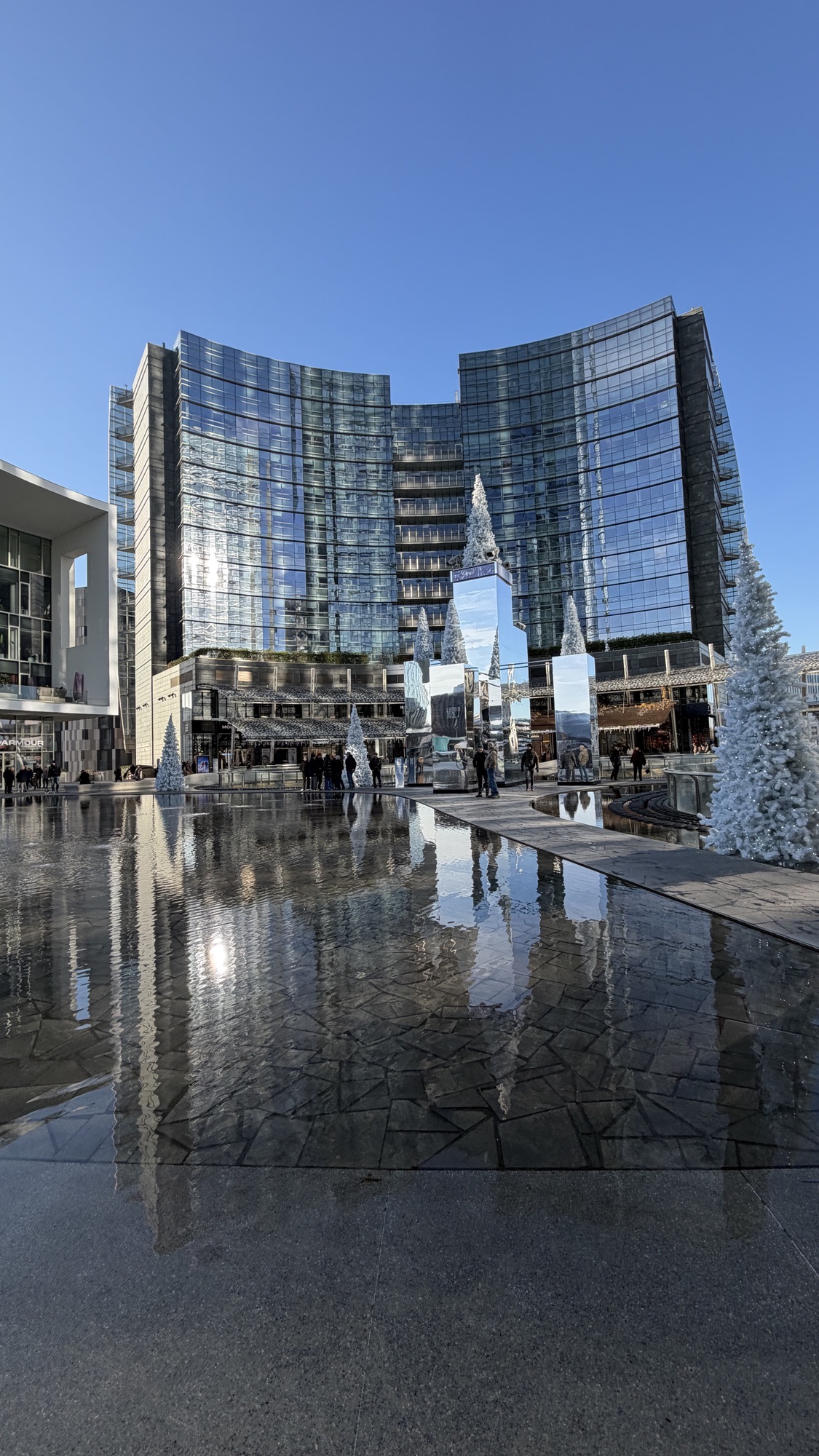
In the afternoon, head into the Milan of the future. The Isola district retains a creative, neighborhood feel, with independent shops and galleries, and is home to one of the city’s most recognizable landmarks: the Bosco Verticale, a symbol of sustainable architecture. From here, continue to Piazza Gae Aulenti, the heart of Milan’s skyline, and then on to CityLife, where buildings by Hadid and Isozaki blend with green spaces, pedestrian areas and open-air shopping — a perfect mix of architecture, lifestyle and leisure.
In the evening, stay around Isola or move toward Corso Como, both ideal for a relaxed yet stylish night out. Ratanà, Frida and Berberè are excellent dinner choices, while nightlife lovers can enjoy signature cocktails at Nottingham Forest or continue the night at Apollo Club or Tunnel, two of Milan’s most iconic music venues.
Places & addresses – DAY 2
Museums and cultural landmarks
Fondazione Prada – Largo Isarco 2. Open approximately 10:00 am–7:00 pm, closed Tuesdays. Online booking recommended.
Piazza Gae Aulenti – Piazza Gae Aulenti. Symbolic center of contemporary Milan and its skyline.
Bosco Verticale – Via Gaetano de Castillia. Iconic residential complex, viewable only from the outside.
CityLife – Piazza Tre Torri. Modern district with bold architecture and green spaces.
Restaurants and nightlife
Bar Luce – Largo Isarco 2, inside Fondazione Prada. Wes Anderson–designed café.
Trippa – Via Giorgio Vasari 1. Contemporary Milanese cuisine, very popular.
Tajoli – Porta Nuova area. Refined take on Italian tradition.
Lacerba – Via Orti 4. Lively and informal, also great for lunch.
Pastamadre – City center. Handmade fresh pasta.
Ratanà – Via de Castillia 28. A reference point for Milanese cuisine.
Frida – Via Pollaiuolo 3. Relaxed, convivial atmosphere.
Berberè – Several locations, including Isola. Gourmet pizza with natural fermentation.
Nottingham Forest – Viale Piave 1. Experimental cocktail bar.
Apollo Club – Via Borsi 9. Live music and cocktails.
Tunnel – Via Sammartini 30. Historic club for late-night dancing.
DAY 3
Navigli and bohemian vibes
Sunday in Milan moves at a slower, more intimate and romantic pace — the perfect way to say goodbye to the city. The day begins in the Navigli district, one of Milan’s most iconic and authentic areas. Breakfast or brunch at Ofelé or Pavé Navigli sets the tone: cozy tables, the smell of coffee and the feeling that it’s finally time to slow down.
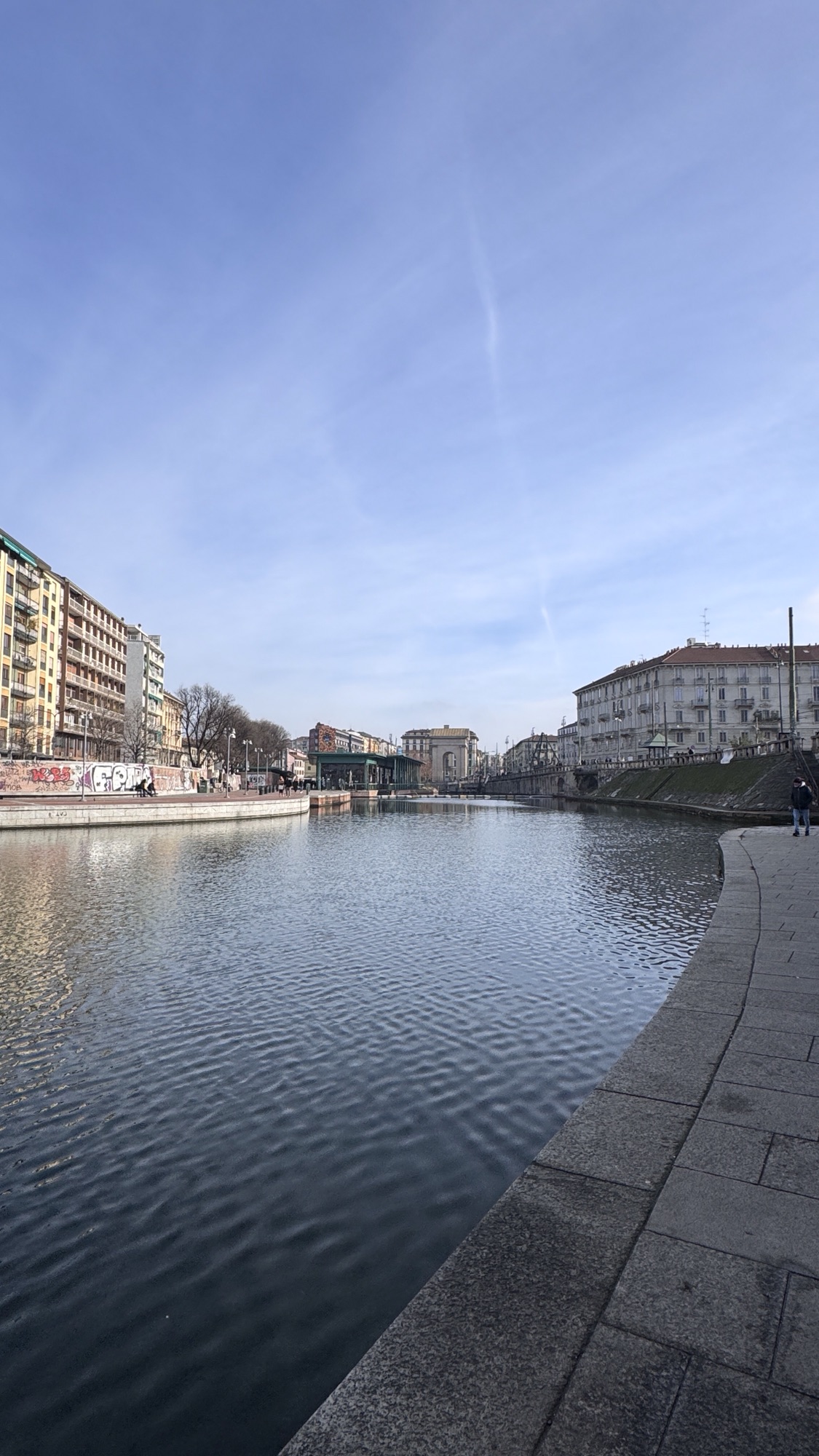
From here, a walk along Naviglio Grande, Naviglio Pavese and the Darsena becomes a small journey into Milan’s bohemian soul. Vintage shops, independent bookstores, antique markets (especially on the last Sunday of the month) and artists’ studios reveal a more creative, relaxed side of the city, far from the frenetic rhythm of the center.
Aperitivo is a ritual not to be missed, and the Navigli offer some of its best interpretations. Mag Café, Ugo and Fonderie Milanesi each capture a different shade of the Milanese mood: carefully crafted cocktails, informal atmospheres and spaces that invite you to linger. For lunch, tradition takes center stage at El Brellin, Osteria del Gnocco Fritto or Trattoria Madonnina, where time seems to stand still and conviviality is key.
In the afternoon, the weekend winds down with a walk along Corso di Porta Ticinese and the Colonne di San Lorenzo. Here the atmosphere becomes younger and more dynamic, with independent boutiques, streetwear, urban art and a vibrant energy that gently carries you into the evening.
Places & addresses – DAY 3
Museums and cultural landmarks
Naviglio Grande – Alzaia Naviglio Grande. Free access, ideal for walks and markets.
Naviglio Pavese – Free access. Quieter, more authentic stretch of the canals.
Darsena – Piazza XXIV Maggio. The heart of the Navigli district.
Colonne di San Lorenzo – Corso di Porta Ticinese. Historic and lively area.
Restaurants and cafés
Ofelé – Navigli area. Refined pastry shop, perfect for breakfast and brunch.
Pavé Navigli – Navigli area. Ideal for slow brunches and relaxed mornings.
Mag Café – Ripa di Porta Ticinese 43. Creative cocktails in a laid-back setting.
Ugo – Navigli. Informal and popular with locals.
Fonderie Milanesi – Via Giovenale 7. Charming inner courtyard.
El Brellin – Vicolo dei Lavandai 16. Traditional cuisine with a romantic atmosphere.
Osteria del Gnocco Fritto – Central locations. Classic Emilian dishes.
Trattoria Madonnina – Via Gentilino 6. Historic Milanese trattoria.
Trattoria Milanese – Via Santa Marta 11. Traditional local cuisine.
Il Rigantino – Via Francesco Carrobbio 18. Rustic and convivial.
Al Pont de Ferr – Ripa di Porta Ticinese 55. Refined Italian cuisine.
Cantina Piemontese – City center area. Classic Piedmontese tradition.
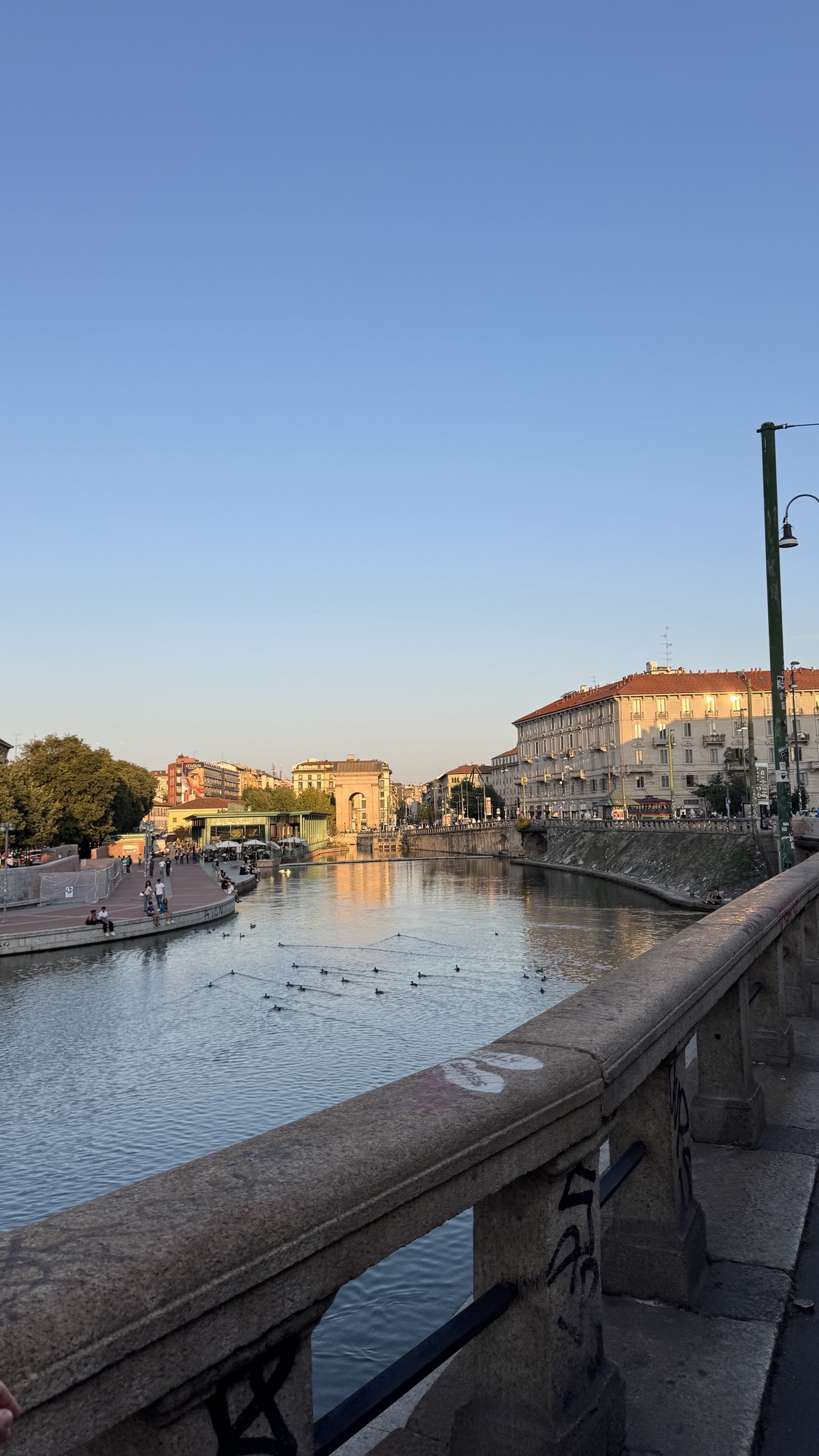
Milan is not a city to be rushed: it’s meant to be experienced slowly, between a cappuccino in the historic center and a sunset along the Navigli.
Whether you’ve known it forever or are visiting for the first time, its sophisticated and cosmopolitan charm is sure to surprise you at every step.